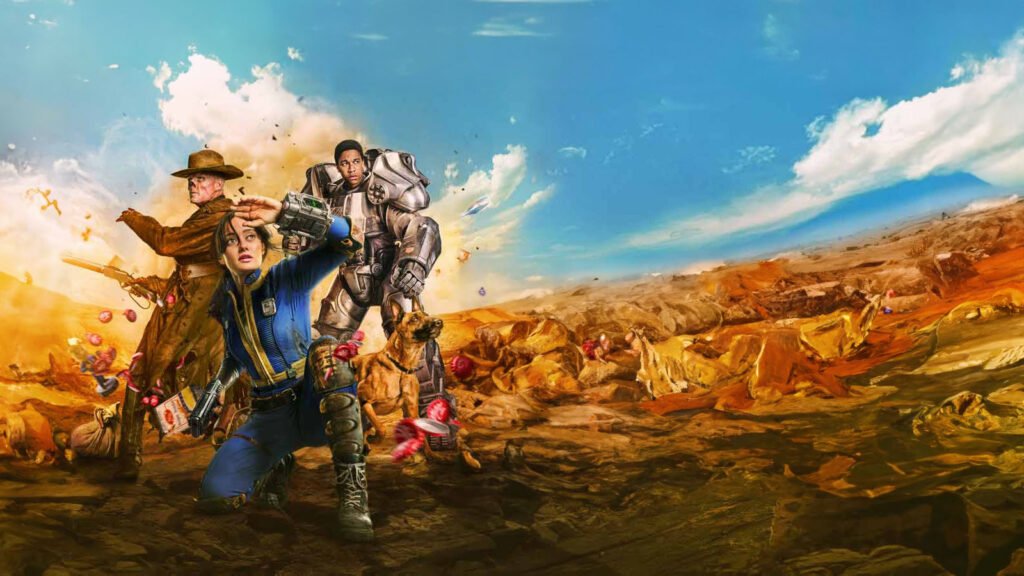

It is honestly hard to believe we ever lived in a world where video game adaptations were considered a guaranteed recipe for disaster. For decades, fans held their breath every time a studio announced a project based on a beloved franchise, usually expecting a watered-down mess that ignored the source material. Then came Fallout. When word first got out that Todd Howard and the team at Bethesda were partnering with Jonathan Nolan and Lisa Joy—the visionary duo behind Westworld—there was a cautious sense of “please don’t screw this up.”
Thankfully, they didn’t just avoid screwing it up; they basically rewrote the rulebook. Todd Howard’s obsession with detail is all over this show. You can tell the producers weren’t just looking for a cool post-apocalyptic backdrop; they wanted the specific, quirky, and deeply cynical DNA of the Fallout universe to bleed through every frame. By bringing in Jonathan Nolan to direct the opening episodes, the series secured a cinematic weight that made the transition from PC screens to prestige TV feel seamless. The result is a show that manages to be both a love letter to the fans and a welcoming, albeit violent, handshake to newcomers. It captures that perfect balance of retrofuturistic charm and grim, bloody reality that has defined the games for years.
Season 1: A Ghoulishly Good Beginning
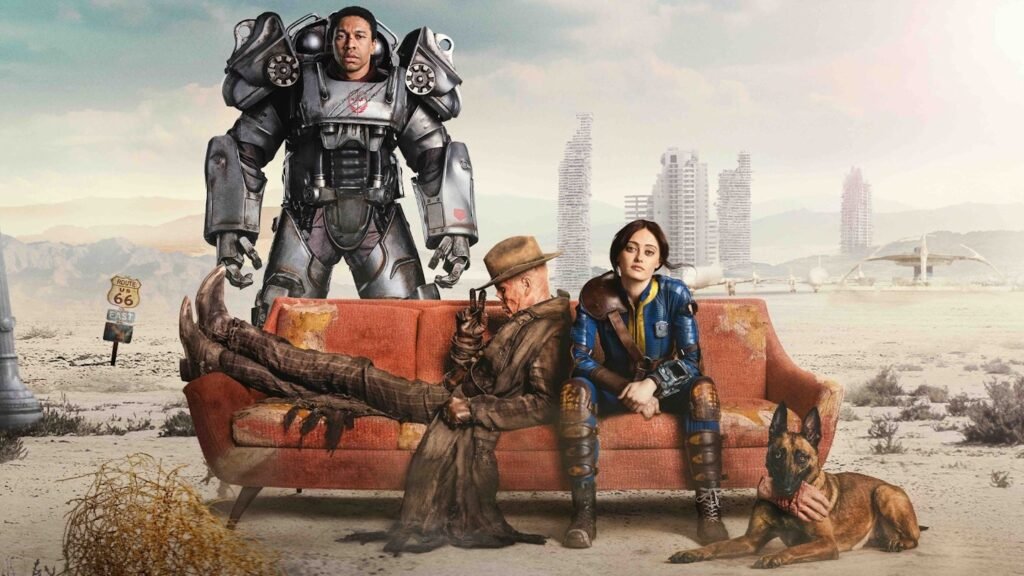
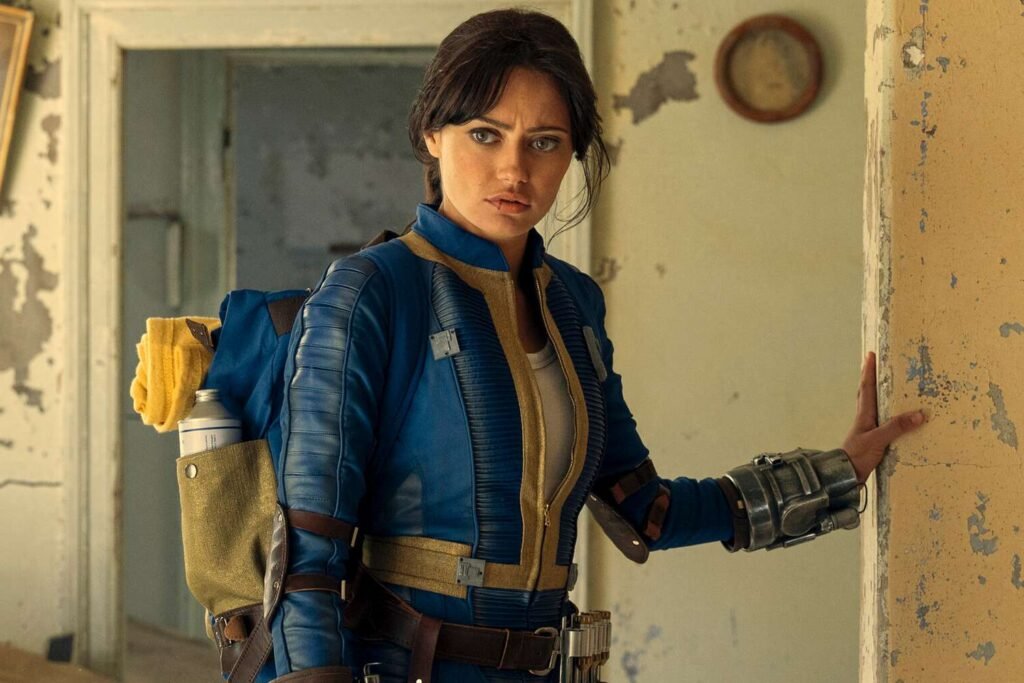
When we first dropped into Season 1, the stakes felt personal and contained. We followed Lucy MacLean, a wide-eyed Vault Dweller played with incredible sincerity by Ella Purnell, as she traded the safety of Vault 33 for the sun-scorched horrors of the surface. Seeing the world through her “Golden Rule” lens provided the perfect entry point. Opposite her, we got Maximus, played by Aaron Moten, a conflicted Squire in the Brotherhood of Steel who spent half his time trying to be a hero and the other half just trying to survive the crushing bureaucracy of his own order.
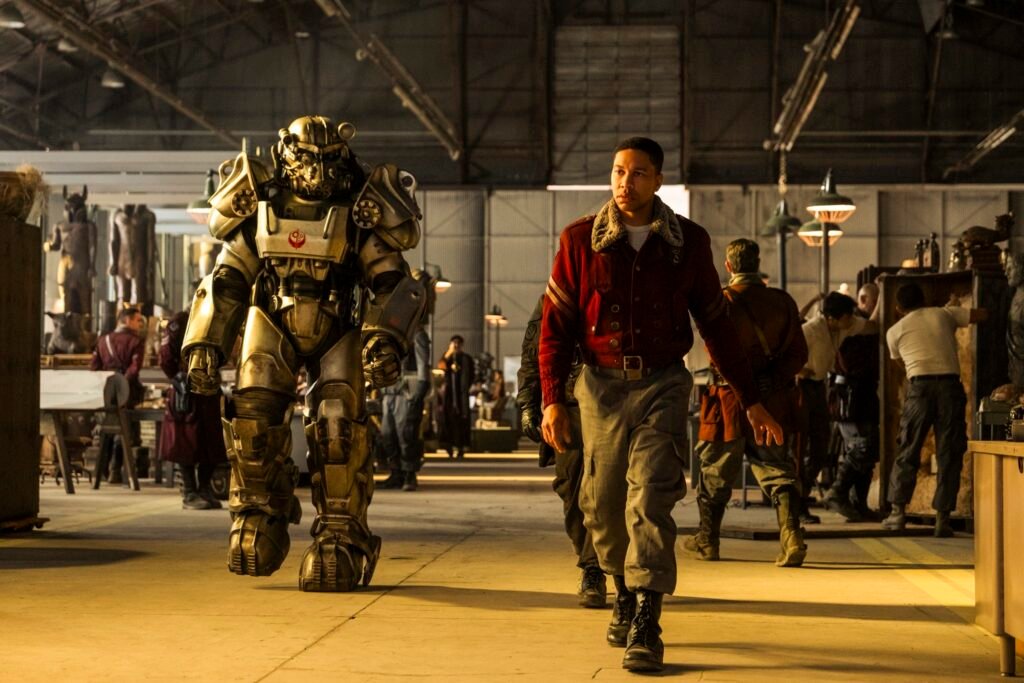
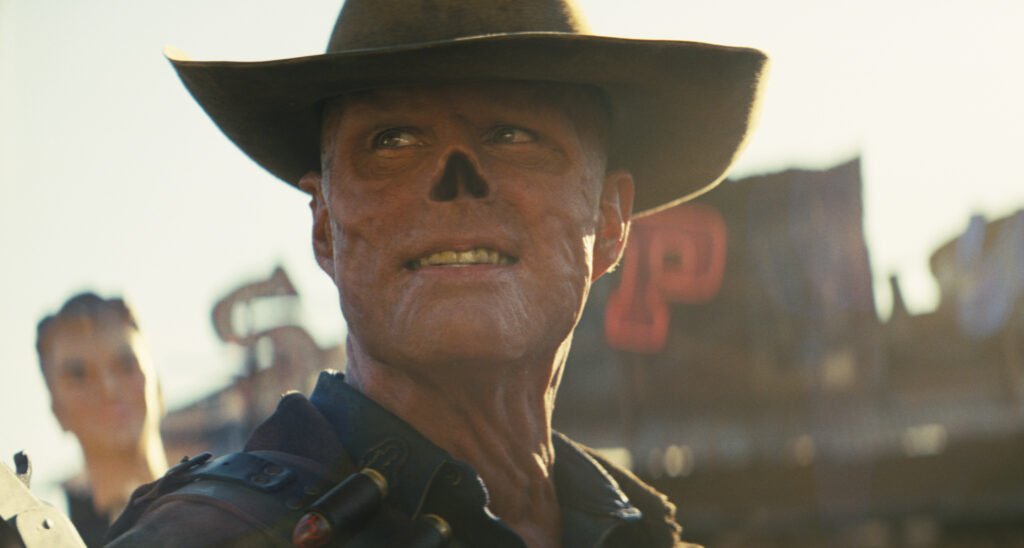
But let’s be real: Walton Goggins absolutely stole the show as The Ghoul. His performance as Cooper Howard, a pre-war movie star turned irradiated bounty hunter, gave the series its emotional core. Watching his tragic backstory unfold via flashbacks to 2077 provided a chilling look at how Vault-Tec helped nudge the world toward annihilation. The first season focused heavily on the mystery of Wilzig’s head and the secret of cold fusion, eventually leading to the heartbreaking revelation that Lucy’s father, Hank MacLean, was far from the hero she thought he was. It was a masterful setup that ended with the iconic shot of the New Vegas skyline, leaving everyone screaming for more. The production design was top-tier, featuring Power Armor that looked heavy and functional rather than like a plastic prop, and a soundtrack of 1940s hits that made the violence feel strangely whimsical.
Season 2: Doubling Down in the Mojave
If the first season was about discovery, Season 2 was about the brutal reality of power. Picking up right where we left off, the story shifted its gaze toward the Mojave Wasteland and the legendary ruins of New Vegas. This season felt significantly darker and more complex, as the show leaned into the political factions that make the games so deep. We finally got to see the live-action debut of Mr. House, the enigmatic ruler of the Strip, and the show handled his character with a perfect mix of corporate arrogance and ancient calculation.
The character arcs took some jagged turns this year. Lucy’s journey from an innocent optimist to a hardened survivor was fascinating to watch, especially as she struggled with the weight of her father’s sins. Her dynamic with The Ghoul evolved into a weary, mutual respect that anchored the more chaotic plot points. Meanwhile, Maximus found himself caught in the middle of a brewing civil war within the Brotherhood of Steel. The arrival of Xander Harkness, an envoy from the powerful Commonwealth chapter, upped the stakes significantly, showing that the Brotherhood is far from a monolithic entity. We also spent more time with Caesar’s Legion, which has fractured into warring sub-factions since the death of their leader, adding a layer of unpredictable danger to the desert treks. The middle episodes, particularly the delve into the ruins of the NCR‘s former glory, felt like a punch to the gut for long-time fans. It wasn’t just a sequel; it was an expansion of the lore that felt earned and terrifyingly high-stakes.
The finale belonged entirely to Maximus. Separated from the Brotherhood of Steel and ultimately coming into possession of a suit of NCR-painted Power Armor. Seeing the iconic bear of the New California Republic emblazoned on that heavy steel was a moment of pure fan service that actually served the story. While Lucy and The Ghoul were miles away dealing with the ghosts of the past, Maximus was forced into a desperate stand. He took on an entire Deathclaw Nest to protect the people of the Strip, and the resulting battle was a masterclass in tension and terror. Facing off against an entire pack of the wasteland’s apex predators alone, he had to push that scavenged armor to its absolute breaking point. It was a grueling survival match that proved Maximus has finally moved beyond being a mere squire. The sheer scale of the Deathclaws—their speed, their claws cutting through reinforced plating, and their predatory intelligence—reminded everyone why they are the undisputed kings of the radioactive food chain.
The Hidden Treasures of the Wasteland
One of the best parts about watching this show is the sheer volume of Easter Eggs packed into the background. The producers clearly knew that fans would be pausing every frame to hunt for references. Throughout both seasons, we’ve seen everything from Vault-Tec Bobbleheads sitting on desks to the iconic Nuka-Cola bottles scattered in every vending machine. In Season 2, they really stepped up the deep cuts. Beyond the massive Deathclaw showdown, we also came face to face with a pack of Radscorpions led by a Giant Radscorpion, which definitely made everyone`s hair stand on end.
There were also subtle nods to the gameplay mechanics themselves. Did you catch the moment where a character’s Pip-Boy showed a map interface that looked identical to the Fallout 4 HUD? Or the various magazines like Grognak the Barbarian lying around in ruined houses? They even managed to slip in a reference to the Zetans—those elusive aliens that have been a weird staple of the series for years. The show also does a great job of using the Stimpak as a practical plot device rather than just a magical healing potion, showing the gruesome reality of what it actually takes to patch a hole in your leg while under fire. Even the food items, like Cram and BlamCo Mac & Cheese, look exactly like their in-game counterparts, proving that the art department really did their homework.
That Final Tease: Democracy is Non-Negotiable
Just when we thought the finale of Season 2 couldn’t get any more intense, the writers dropped a nuclear-sized bombshell in the closing moments. After the dust settled on the battle for New Vegas and the various factions retreated to lick their wounds, we got a glimpse into the future of the series that has the entire internet buzzing. The season officially ended with a massive teaser for the arrival of Liberty Prime in Season 3.
Seeing Elder Quintus unroll those blueprints for Liberty Prime Alpha was the kind of “holy sh*t” moment that makes TV great. For those who haven’t played the games, Liberty Prime is a towering, mini-nuke-tossing robot programmed to shout anti-communist slogans while obliterating everything in its path. It is the ultimate symbol of the Brotherhood’s military might, and its inclusion suggests that Season 3 is going to move away from skirmishes and into full-scale total war. The mention of Colorado and the Enclave‘s potential hidden base in Cheyenne Mountain sets up a massive collision course for our heroes. If the first two seasons were the fuse, the upcoming season looks like the actual explosion. Between the hunt for Cooper’s family and the impending march of a giant robot, the wait for the next chapter is going to be agonizing. The show has successfully transitioned from a “cool experiment” to an absolute juggernaut of television, and frankly, the wasteland has never looked better.