
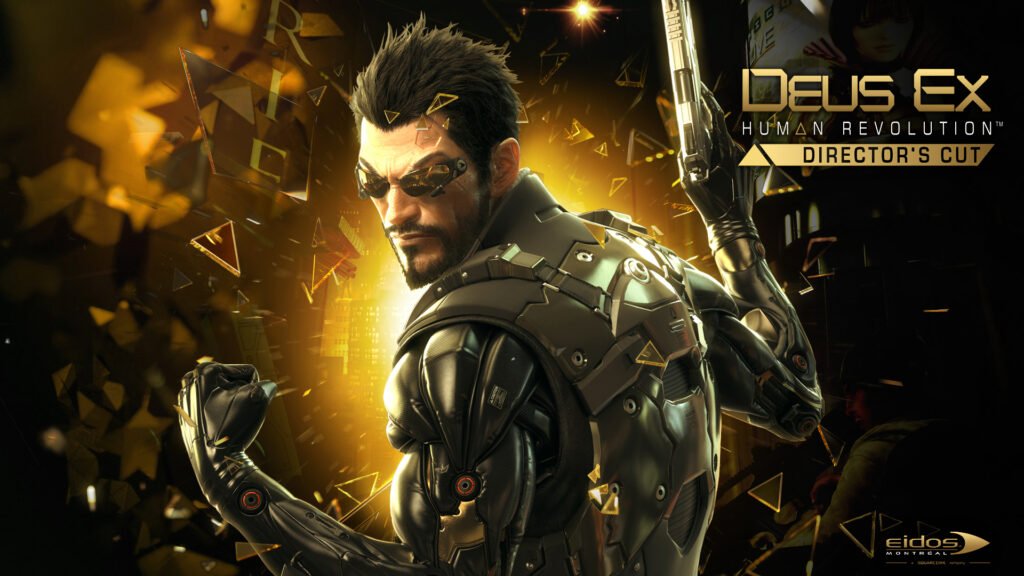

Release Date: August 23, 2011 Developer: Eidos-Montréal
Get It On: GOG
Deus Ex: Human Revolution is one of those games that just hits different. Released back in 2011 by Eidos Montréal and published by Square Enix, this prequel to the legendary original Deus Ex dropped players into a cyberpunk world full of moral gray areas, awesome augmentations, and conspiracy theories that feel eerily relevant even today. If you love games that let you play your way—stealthy ghost, trigger-happy badass, or smooth-talking hacker—this one delivers in spades.

Let’s start with the setup. You play as Adam Jensen, a former SWAT guy turned head of security for Sarif Industries, a big player in the world of human augmentations. These augs are high-tech prosthetics and enhancements that make people stronger, faster, and basically superhuman. The year is 2027, and society is split down the middle about this tech. Some see it as the next step in human evolution; others fear it’ll widen the gap between rich and poor even more. Tensions are high, and things explode—literally—when mercenaries attack Sarif’s headquarters. Jensen gets left for dead, only to wake up rebuilt with a ton of augmentations himself. From there, it’s a globe-trotting quest to uncover a massive conspiracy involving corporations, governments, and shadowy figures pulling strings.
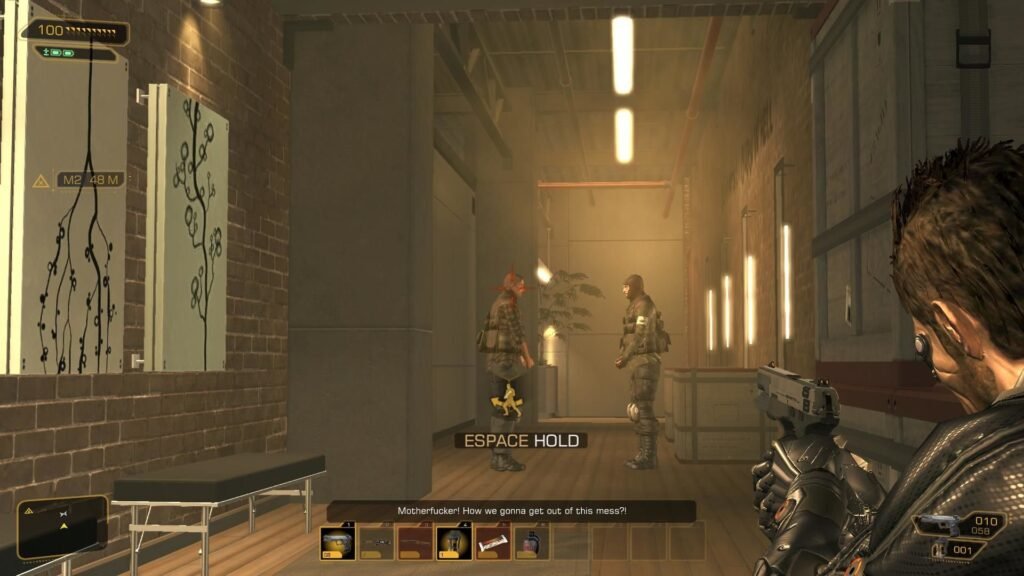
The story in Deus Ex: Human Revolution is dense, twisty, and packed with philosophical questions about humanity, technology, and control. It explores transhumanism in a way that doesn’t feel preachy. You’ll chat with scientists, activists, cops, and CEOs who all have different takes on what augmentations mean for society. Side conversations and emails scattered throughout the levels add incredible depth to the world-building. It’s the kind of narrative that rewards paying attention and replaying to see alternate paths. The game nails that classic Deus Ex vibe of moral ambiguity—no clear heroes or villains, just people making tough choices in a messy world.
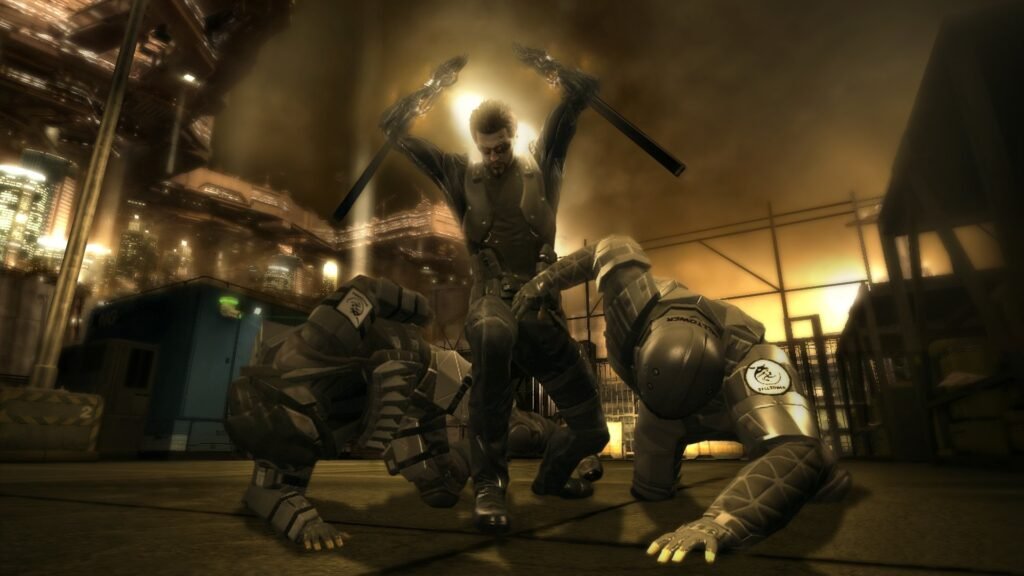
Gameplay is where Human Revolution really shines and stays true to the series’ roots. This isn’t a linear shooter. Every mission is a playground of possibilities. Need to infiltrate a heavily guarded facility? You can go loud with guns blazing, sneak through air vents like a cyberpunk ninja, hack security systems to turn turrets against your enemies, or talk your way past guards using social augmentations. The level design is fantastic, full of alternate routes, hidden paths, and environmental interactions. Stacking boxes to reach a high window never gets old, and crawling through vents feels satisfying every single time.
Adam Jensen’s augmentation system is a highlight. You earn Praxis points through experience and use them to upgrade abilities like cloaking for invisibility, enhanced strength for punching through walls, or better hacking skills. It lets you customize your playstyle uniquely. Want to be a tank? Pump up armor and health. Prefer stealth? Max out silent takedowns and energy efficiency. The game encourages experimentation, and your choices genuinely change how missions feel. Early on, you might struggle with limited energy for augs, but as you upgrade, Jensen becomes an absolute force.
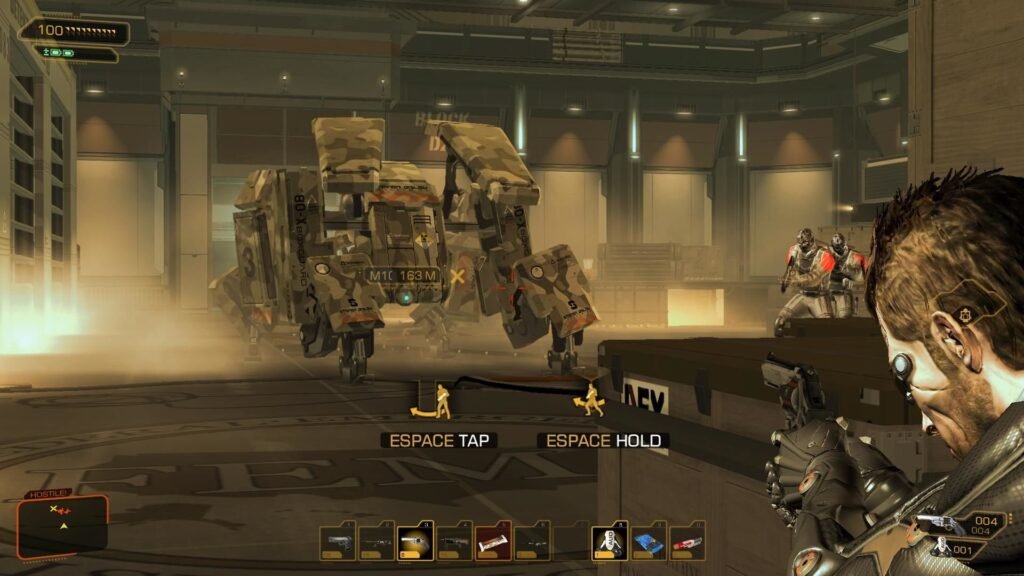
Hacking is another standout mechanic. It’s a tense mini-game where you navigate nodes on a grid while avoiding security programs. Success lets you open doors, disable cameras, loot safes, or even take control of robots. It never feels like filler—hacking ties directly into exploration and strategy. Combat mixes first-person shooting with a slick third-person cover system. Guns feel weighty, and taking down enemies with a takedown animation (especially the non-lethal ones) is pure satisfaction. That said, some boss fights were criticized for feeling a bit forced and less choice-driven than the rest of the game, though later patches and the Director’s Cut helped smooth things out.

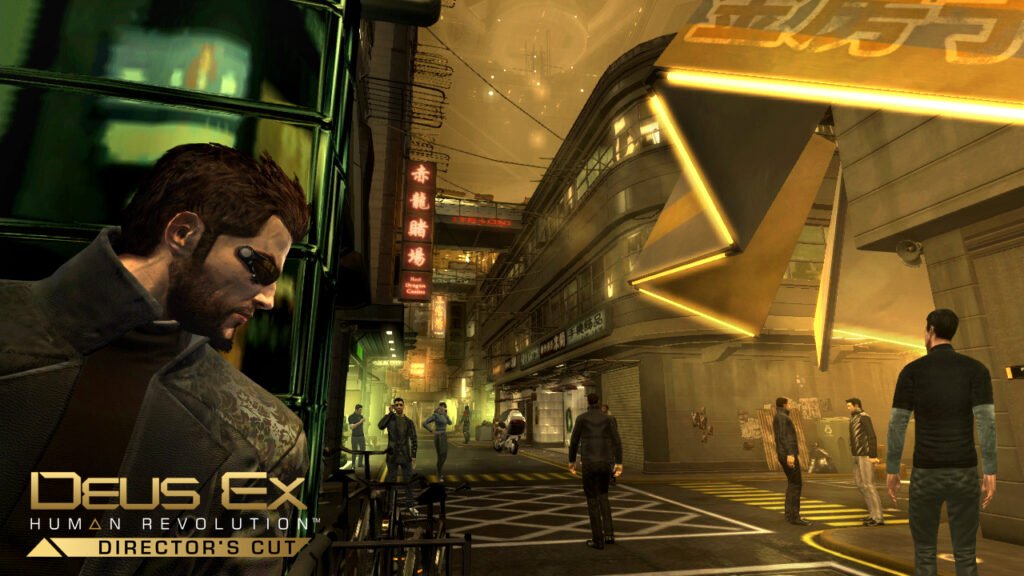
Visually, Deus Ex: Human Revolution looks stunning for its time, with that signature black, gold, and orange cyberpunk aesthetic. Detroit feels gritty and lived-in, while locations like the mega-city of Hengsha in China bring a fresh, dense urban sprawl. The art direction draws heavy inspiration from Blade Runner, creating an immersive atmosphere where every neon sign and rainy street corner tells a story. Sound design is top-notch too—tense ambient tracks during stealth sections, punchy gunfire, and a killer soundtrack that fits the mood perfectly.
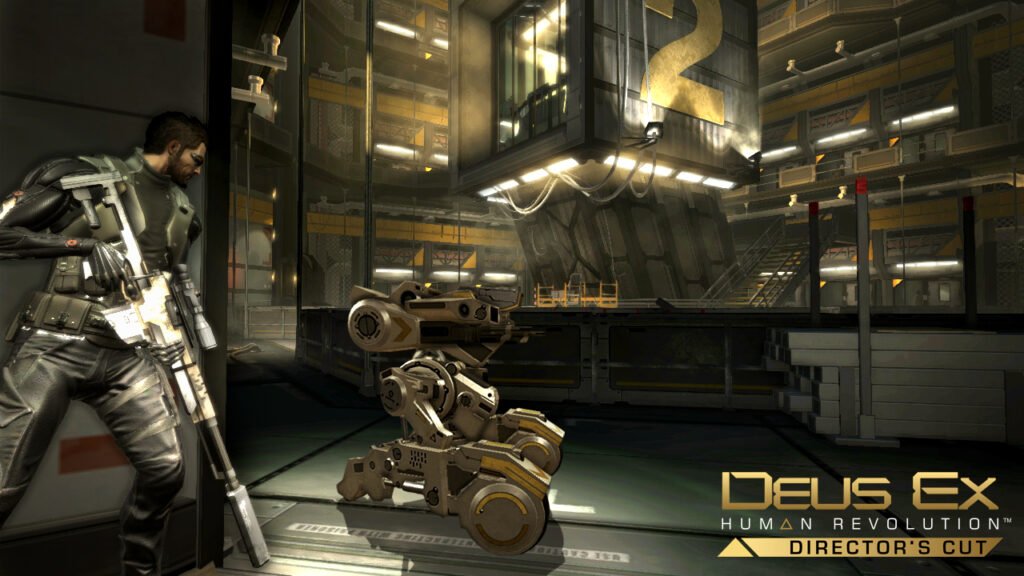
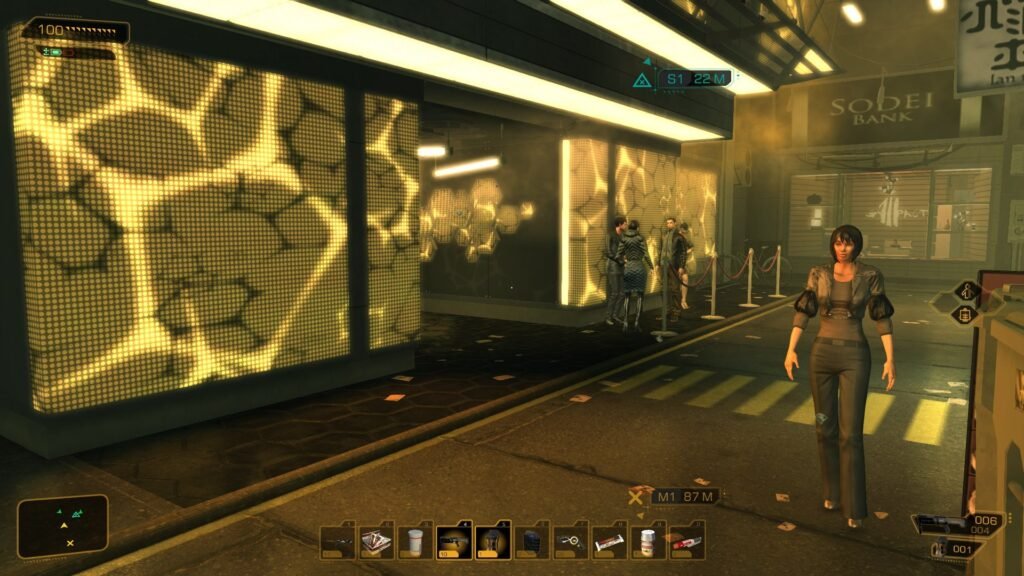
One of the best parts is the hub areas. Between main missions, you get to explore open sections of cities like Detroit or Hengsha. These hubs are packed with side quests that aren’t just busywork. They often tie into the main plot, offer meaningful choices with consequences, and let you uncover more lore. Talking to NPCs, exploring apartments, and piecing together conspiracies through found documents makes the world feel alive. You’ll spend way more time than expected just wandering around, which is exactly what a good immersive sim should encourage.

Deus Ex: Human Revolution launched on PC, PlayStation 3, and Xbox 360 in August 2011, with a Director’s Cut later adding improved boss fights, more content, and coming to Wii U and other platforms. It was a critical success, scoring in the high 80s to low 90s across the board, and praised for recapturing the magic of the original while making it more accessible. Fans loved the freedom, the story, and the replayability. It sold well and paved the way for the sequel, Mankind Divided.
Playing it today still holds up remarkably well. Sure, some animations look dated, but the core gameplay loop is timeless. The themes of technological inequality, corporate power, privacy, and what it means to be human resonate even stronger in our current world of AI, biotech, and social media surveillance. Jensen’s journey forces you to confront these issues personally through your choices. Do you embrace augmentations fully, regulate them, expose the truth, or something else? The multiple endings (four main ones, each with variations based on your playstyle) ensure that your decisions matter on a grand scale.
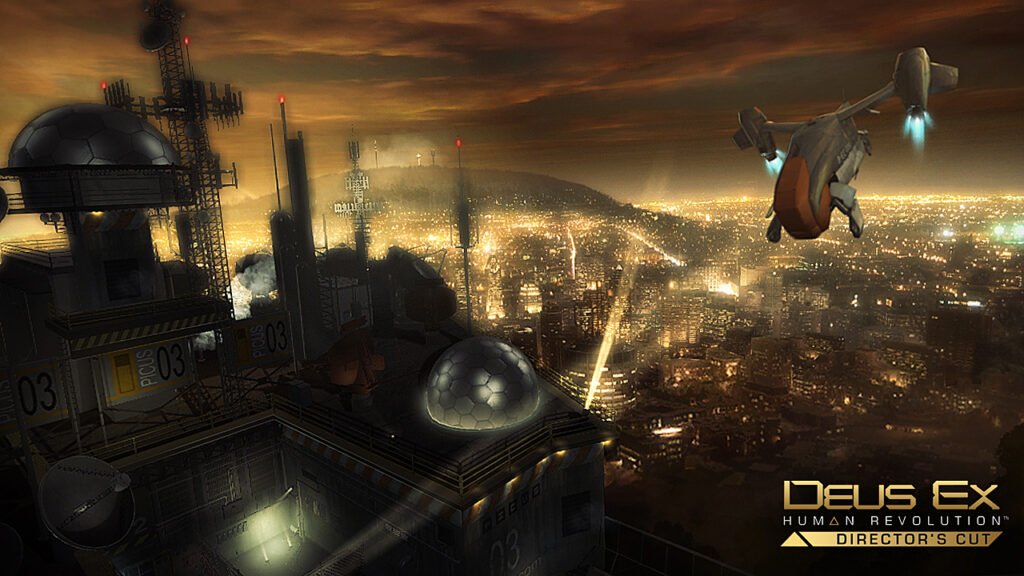
If you’re new to the series, Human Revolution is a perfect entry point. It stands alone well but enriches the lore for veterans. Tips for first-timers: explore everything, save often before big choices, and don’t be afraid to reload if a stealth run goes south—experimentation is part of the fun. Stock up on ammo and energy bars early, and prioritize augmentations that fit your preferred style. Non-lethal playthroughs are totally viable and rewarding with extra XP bonuses in many cases.
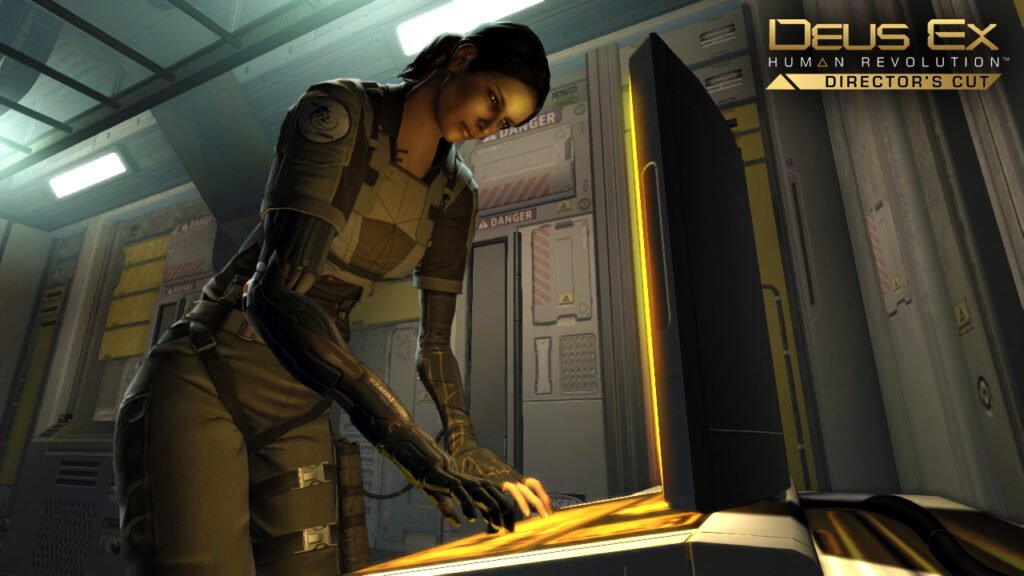
Beyond the main campaign, there’s DLC like The Missing Link, which is set during a narrative gap in the main game and adds more story and gameplay. The Director’s Cut is the definitive version if you’re playing now, fixing some of the original’s rough edges. Community mods on PC can enhance visuals or tweak balance even further.
In the end, Deus Ex: Human Revolution isn’t just a game—it’s an experience that makes you think. It respects your intelligence as a player, giving you the tools and freedom to carve your own path through a rich, dystopian world. Whether you’re sneaking past guards with a cloaked takedown, hacking a terminal to rewrite the security logs, or delivering a powerful speech that sways a key character, every play session feels personal. Adam Jensen’s iconic line, “I never asked for this,” resonates because in many ways, we’re all navigating a world hurtling toward technological upheaval, just like he did.
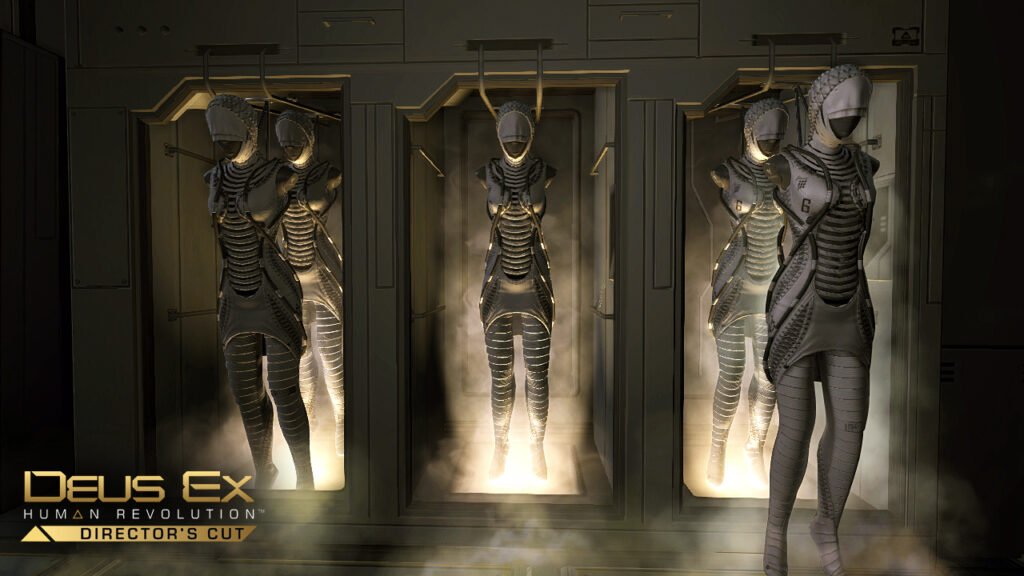
If you haven’t played it, do yourself a favor and dive in. Crank up the difficulty, turn off the HUD markers for extra immersion, and let the conspiracy unfold around you. Deus Ex: Human Revolution remains a benchmark for player choice and immersive storytelling. It’s cyberpunk at its finest—stylish, thoughtful, and endlessly replayable. In a genre full of forgettable shooters, this one sticks with you long after the credits roll.