
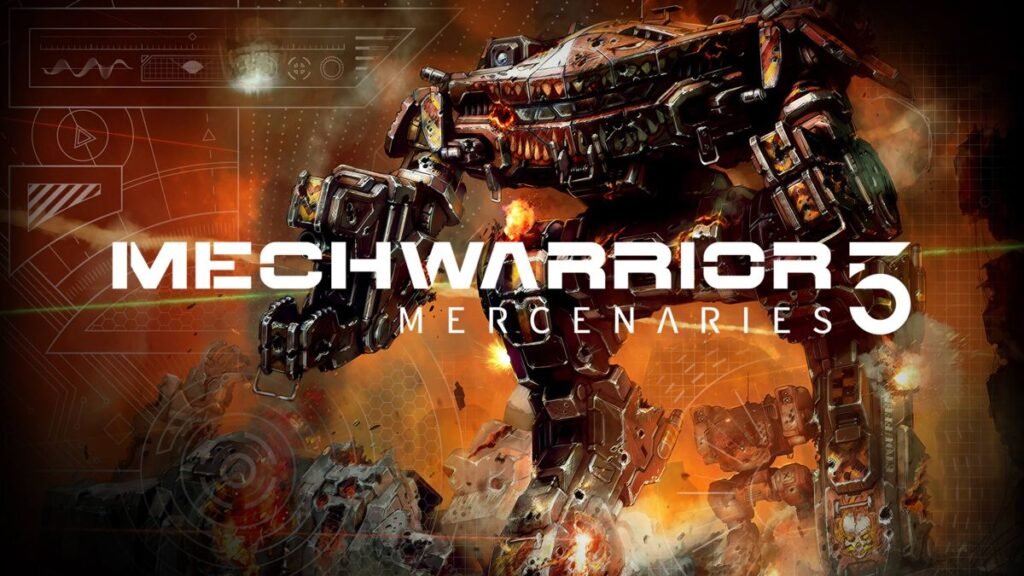

If you have ever had the primal urge to pilot a hundred-ton walking tank through a skyscraper just to see it crumble, then MechWarrior 5: Mercenaries is effectively your digital playground. Developed by Piranha Games, this title brought the legendary BattleTech universe back into the cockpit-focused action genre after nearly two decades of dormancy. It isn’t just a game about shooting lasers; it is a gritty, blue-collar simulation of running a business where your employees are elite pilots and your company assets are multi-million-C-bill engines of destruction. Since its initial launch, the game has evolved from a somewhat bare-bones experience into a massive, sprawling odyssey of the Inner Sphere, thanks to a steady stream of content that has completely reshaped how we play.
The Core Experience: High-Octane Scrap Metal
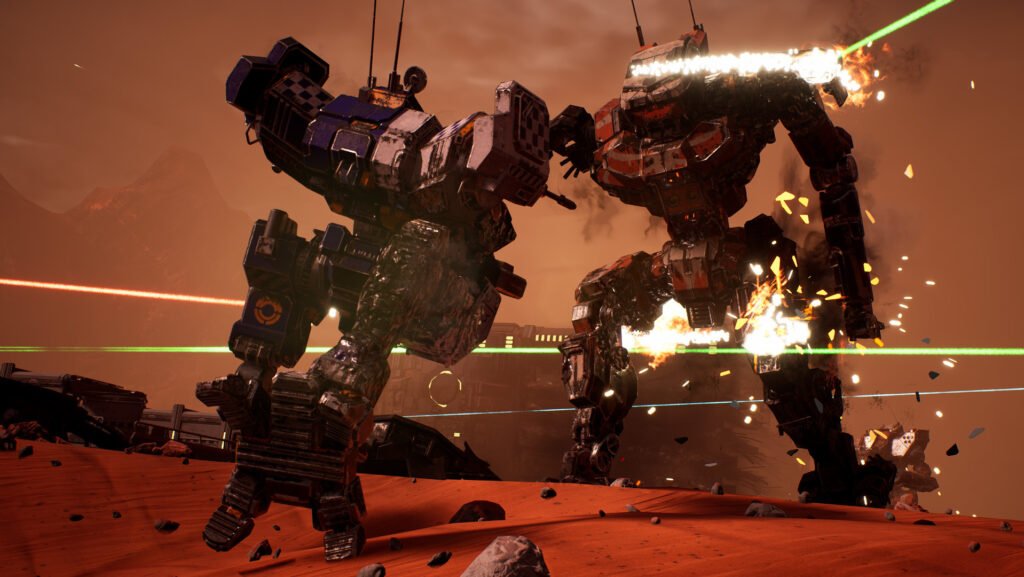
At its heart, the base game of MechWarrior 5: Mercenaries is a loop of management and mayhem. You play as the commander of a fledgling mercenary outfit, inheriting a beat-up Leopard-class dropship and a handful of mechs after a tragic betrayal. The gameplay is split between two distinct worlds. On one hand, you have the Star Map, where you navigate the vast reaches of space, negotiate contracts with the Great Houses, and desperately try to balance your checkbook. On the other, you have the tactical, weight-focused combat where you actually pilot the BattleMechs. The “feel” of the mechs is arguably the game’s greatest triumph. An Atlas feels like a lumbering god of war, while a Locust feels like a caffeinated insect zipping through enemy lines. The destructible environments add a layer of visceral satisfaction that few other games in the genre can match.
Heroes of the Inner Sphere: The True Beginning
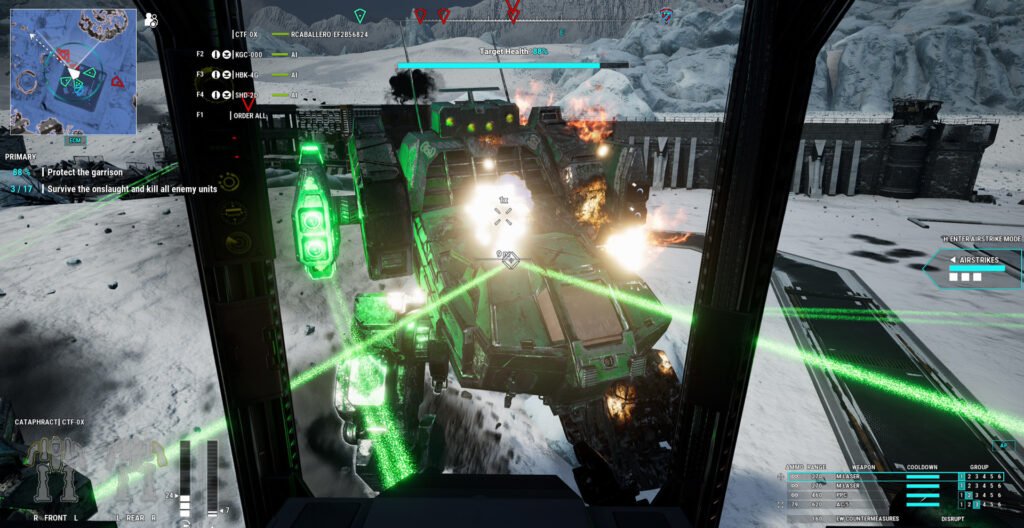
The first major expansion, Heroes of the Inner Sphere, is widely considered the point where the game finally “arrived.” Before this, the campaign felt a bit linear and restrictive. This DLC introduced Career Mode, which allowed players to ditch the scripted story and simply start a mercenary company from scratch in any corner of the map. It also added the Cantina system, giving you side-objectives that rewarded you with permanent Mech Upgrades. Perhaps most importantly, it introduced Hero Mechs—unique, lore-rich variants with special paint jobs and optimized loadouts that became the holy grail for collectors. With the addition of the Beachhead mission type, which introduced terrifying long-range artillery, the tactical variety of the game skyrocketed.
Legend of the Kestrel Lancers: War on a Grand Scale
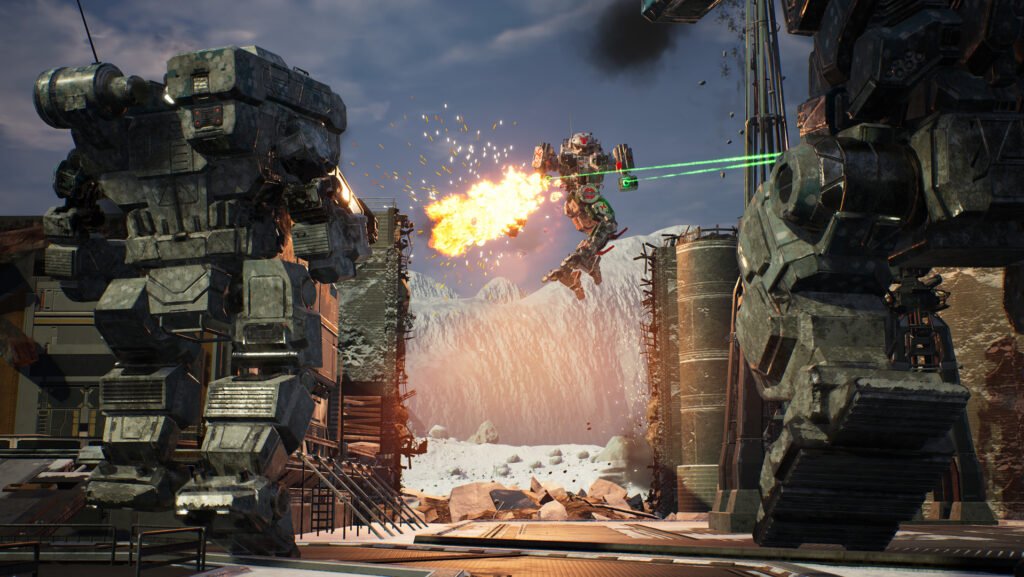
While the first DLC focused on the sandbox, Legend of the Kestrel Lancers brought back the cinematic flair. It features a linear, high-stakes campaign set during the Fourth Succession War. Instead of procedural missions that can sometimes feel repetitive, these were handcrafted spectacles. You felt like a small part of a massive galactic conflict, fighting alongside huge groups of allies in Megacity environments that were genuinely breathtaking. This expansion also introduced the ability to switch mechs during a mission, a quality-of-life feature that changed everything. No longer were you forced to watch your AI teammates bumble around; if your main mech was smoking, you could simply hop into a fresh one and keep the fight going.
Call to Arms: Bringing a Knife to a Gunfight
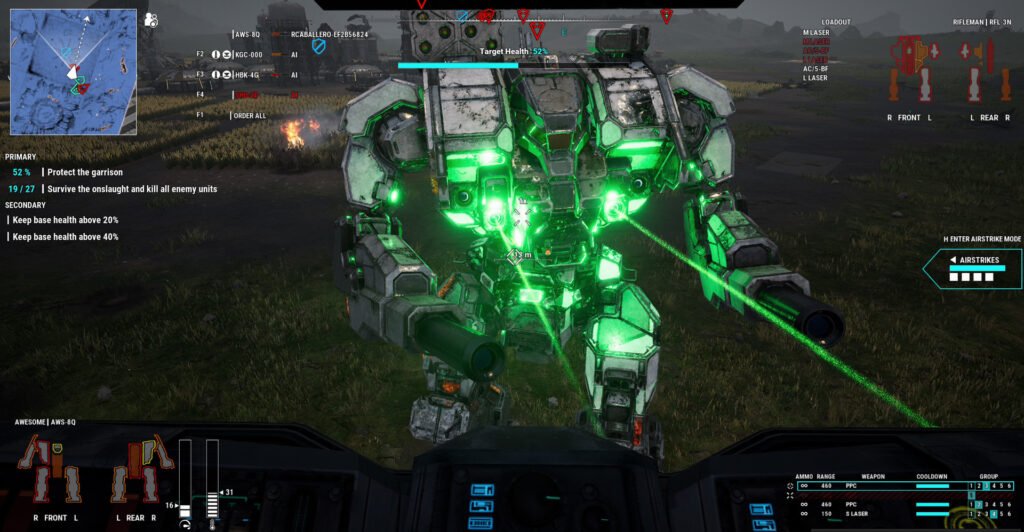
For a long time, the community begged for more physical interaction between mechs, and Call to Arms delivered exactly that. This DLC focused heavily on melee combat, introducing a variety of dedicated melee weapons like Axes, Swords, and Maces. It also added the iconic Hatchetman chassis, a mech designed specifically to chop its enemies into pieces. While some purists were skeptical about “sword-fighting robots,” the sheer joy of cleaving an enemy Hunchback in half with a giant battleaxe is hard to argue with. It added a new dimension to brawling loadouts, making close-quarters combat feel much more dangerous and rewarding than the simple “punching” mechanic that existed previously.
Rise of Rasalhague: Mercenary Rivalry and Politics
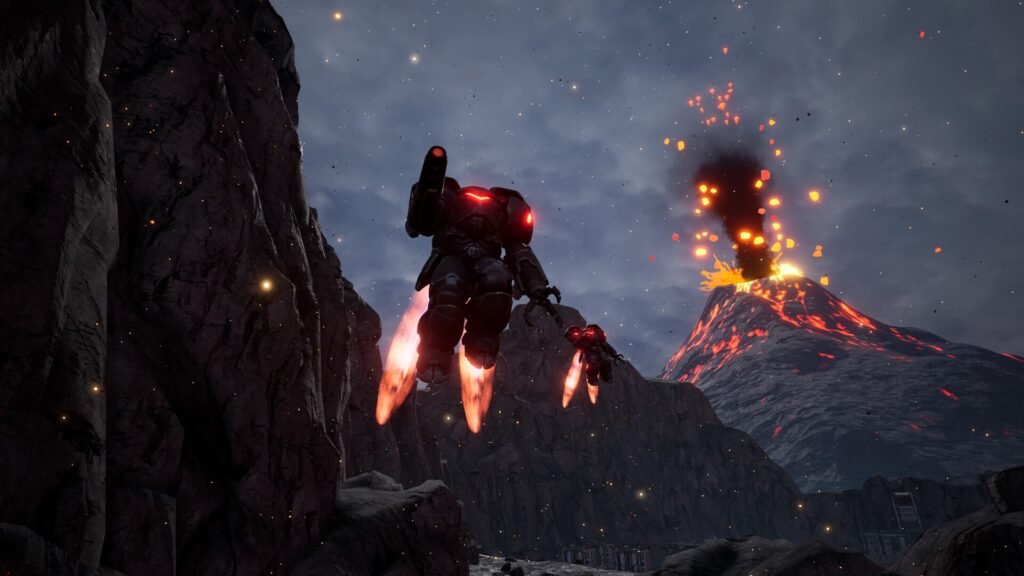
The fourth expansion, Rise of Rasalhague, shifted the focus toward the “living” nature of the Inner Sphere. It introduced Rival Mercenary Companies, meaning you weren’t the only ones looking for a payday. You could suddenly find yourself interrupted mid-mission by a hostile lance of mercs looking to steal your salvage. It also added the Crusader, a fan-favorite chassis that filled a vital gap in the heavy mech roster. The new Infiltration missions provided a change of pace, requiring you to use light mechs and stealth to avoid scanners, though most players inevitably ended up just blowing everything up anyway. The inclusion of the Bounty Hunter as a recurring figure added a layer of meta-progression that made the universe feel much more reactive to your actions.
The Dragon’s Gambit: The Heavyweight Champion
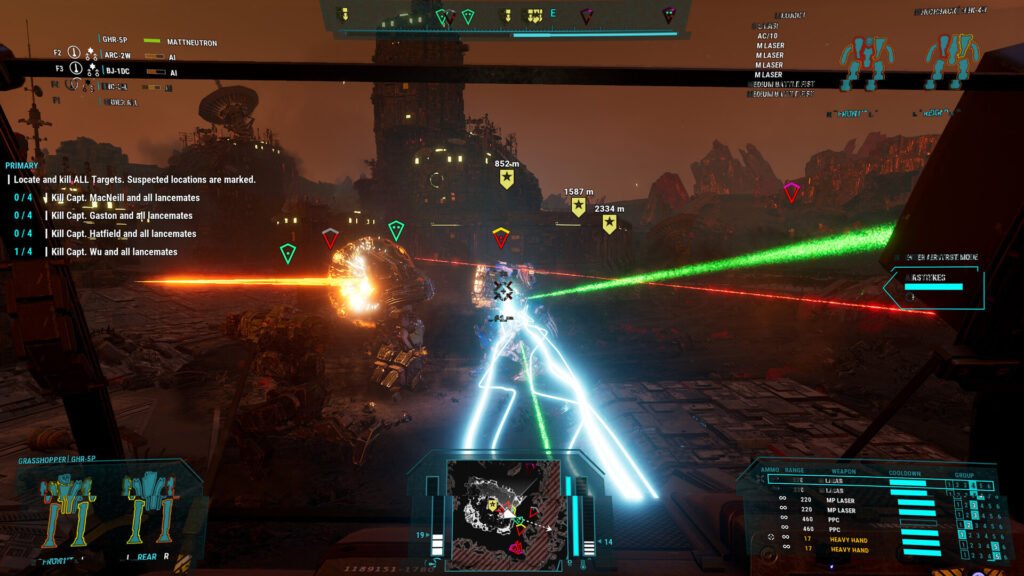
If you like “Big Stompy Robot” action at its most intense, The Dragon’s Gambit is the peak. This DLC provided the largest handcrafted campaign yet, focusing on the Draconis Combine and their struggle against the FedCom Alliance. It felt like a love letter to the lore enthusiasts, featuring the massive Longbow assault mech, which is basically a walking skyscraper of missiles. The mission design here was particularly brutal, testing the limits of your lance’s endurance with back-to-back operations and high-tier weapon caches hidden throughout the maps. It reinforced the idea that being a mercenary isn’t just about winning; it’s about surviving long enough to get paid.
Solaris Showdown: Fame, Fortune, and Duncan Fisher
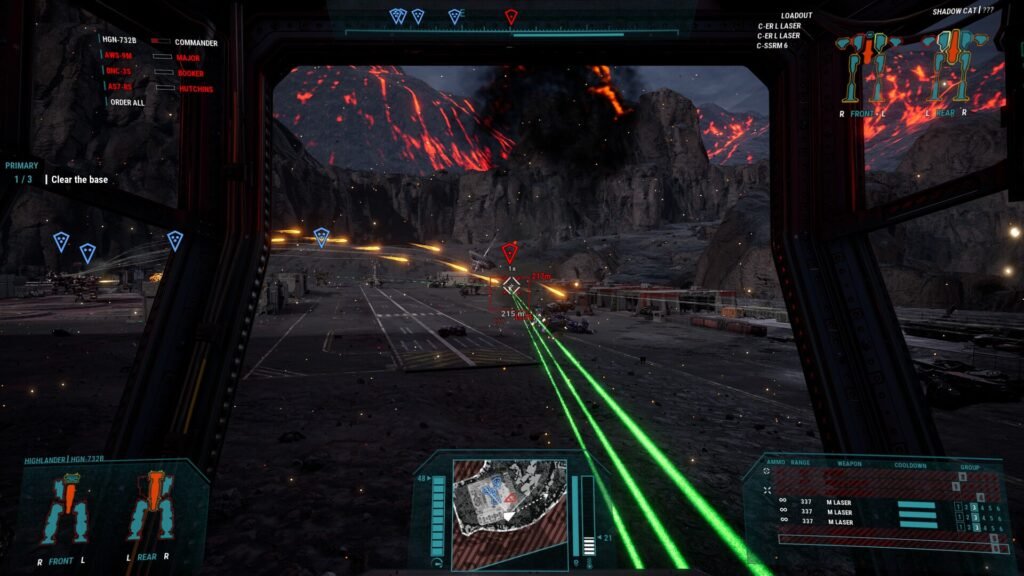
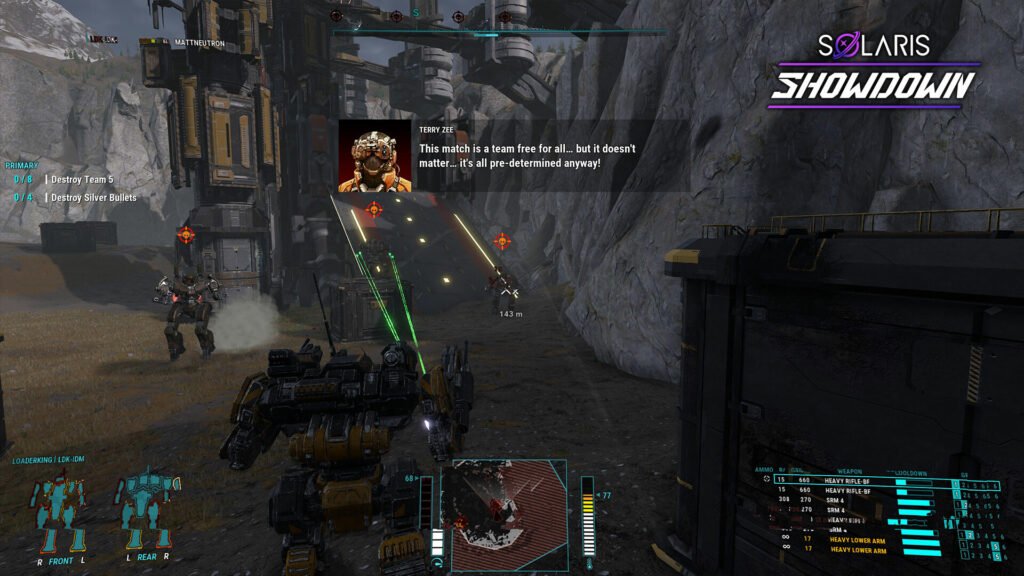
Everyone loves a good gladiator story, and Solaris Showdown brought the legendary “Game World” of Solaris VII to life. Narrated by the iconic and witty Duncan Fisher, this DLC introduced an Arena system where you could climb the ranks of fame. It wasn’t just about survival; it was about style. The Fame system rewarded you for taking risks and putting on a show for the crowds. It also introduced the Loader King, a rugged industrial-turned-combat mech that fit the gritty aesthetic of the arenas perfectly. This was a fantastic detour from the galactic politics of the Great Houses, offering a more personal, localized story about being a superstar in the cockpit.
Shadow of Kerensky: The Storm Has Arrived
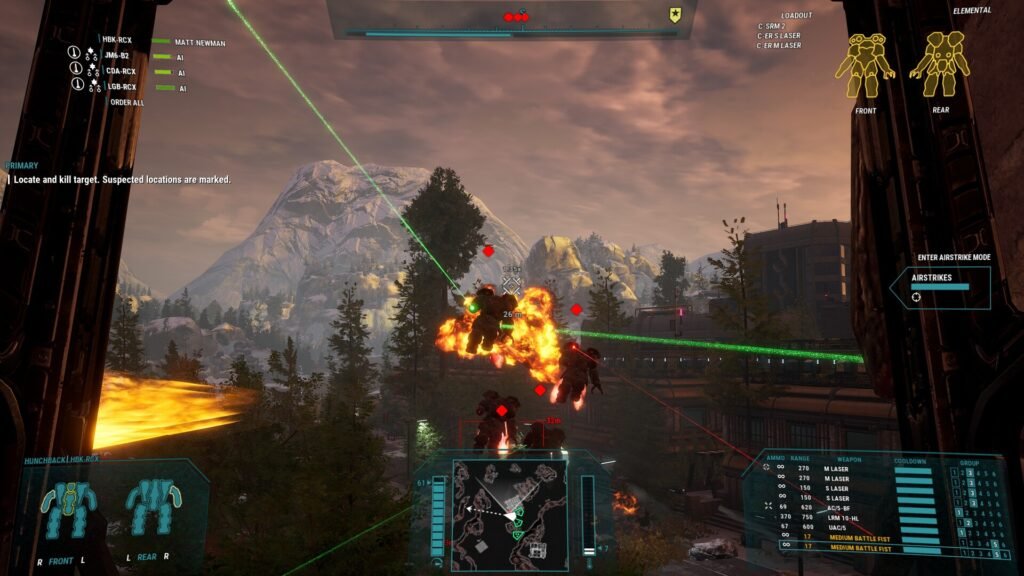
For years, the most significant question in the community was: “Where are the Clans?” In late 2025, Shadow of Kerensky finally answered. This expansion is the most transformative update the game has ever seen, moving the timeline forward into the Clan Invasion. It introduced Clan OmniMechs like the Mad Cat (Timber Wolf) and the Dire Wolf, which brought a level of technological superiority that turned the traditional balance of the game on its head. Facing a Clan Star is a terrifying experience compared to fighting Inner Sphere pirates. The DLC includes a massive new campaign and allows players to finally salvage and use Clan Tech, making your older mechs feel like relics of a bygone era. It is the definitive “endgame” content that fans have dreamed of since the game was first announced.
The Verdict for the Modern Mercenary
Looking at MechWarrior 5: Mercenaries in 2026, it is hard to believe how far it has come. What started as a solid but somewhat repetitive combat sim has grown into a definitive BattleTech encyclopedia. Each DLC has acted as a building block, addressing community feedback and adding layers of complexity to both the management and the action. Whether you are interested in the political intrigue of the Succession Wars, the gladiatorial glory of Solaris, or the desperate defense against the Clan Invasion, there is a version of this game for you. It remains a masterclass in how to support a title long-term, proving that as long as there are buildings to step on and tanks to melt, there will always be a place for mercenaries in the stars.