
If you grew up with a controller in your hand during the late eighties or early nineties, there is a very high probability that you spent a significant amount of time kicking small, blue-clad gnomes in the ribs just to get a slice of meat or a magic potion. This was the glorious, slightly weird world of Golden Axe, a franchise that basically defined the high-fantasy hack-and-slash genre for a generation. It was a time when men were muscled, women wore metal bikinis that defied the laws of physics and protection, and everyone rode giant pink birds with lizard tails because, honestly, why wouldn’t you? This series wasn’t just about the combat; it was about that heavy, Conan-inspired atmosphere and the sheer joy of sitting on a couch with a buddy, fighting over who got to play as the dwarf. Looking back from 2026, it’s wild to see how far we’ve come and how much we still miss that simple, chunky gameplay that Sega perfected decades ago.
The Original Legend: Where the Quest Began
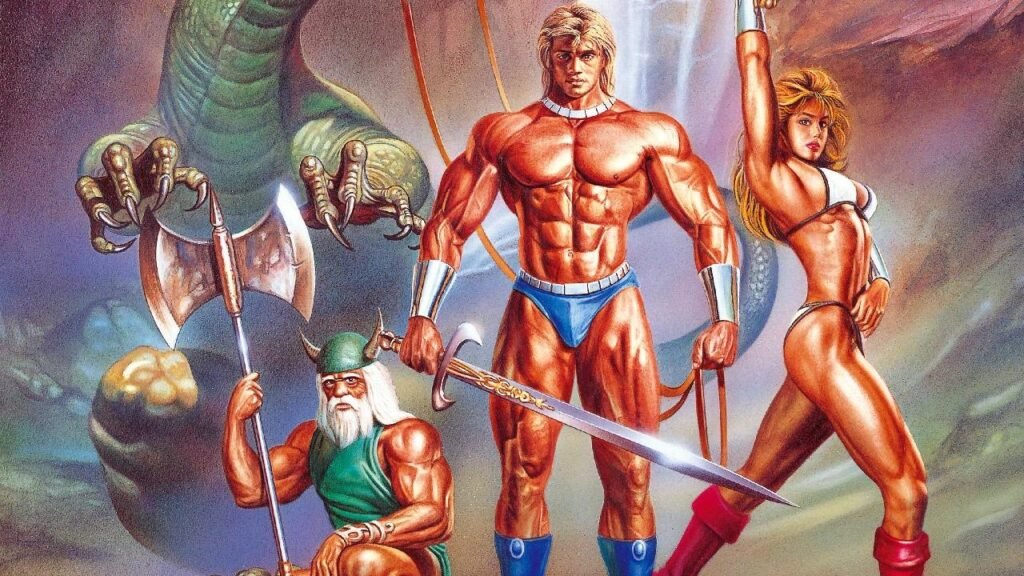
The first Golden Axe, hitting arcades in 1989 before becoming a staple on the Sega Genesis, was an absolute revelation that felt like a Frank Frazetta painting come to life. You had your classic trio: Ax Battler the barbarian, Tyris Flare the Amazon, and Gilius Thunderhead the dwarf, all on a quest to drop-kick the villainous Death Adder into oblivion. The hook wasn’t just the swordplay; it was the magic system. Watching Tyris summon a giant, screen-filling dragon to breathe fire on a group of helpless skeletons was one of those “wow” moments that justified buying the console. Then there were the Bizarrians, those weird mountable creatures like the Chicken Leg and the fire-breathing dragons that added a layer of tactical chaos to the brawling. It was a short game, sure, but it was infinitely replayable because the “thwack” of a hit felt so satisfying and the soundtrack was a collection of epic, synthesised bangers that still get stuck in your head today.
The Safe Sequel: Golden Axe II
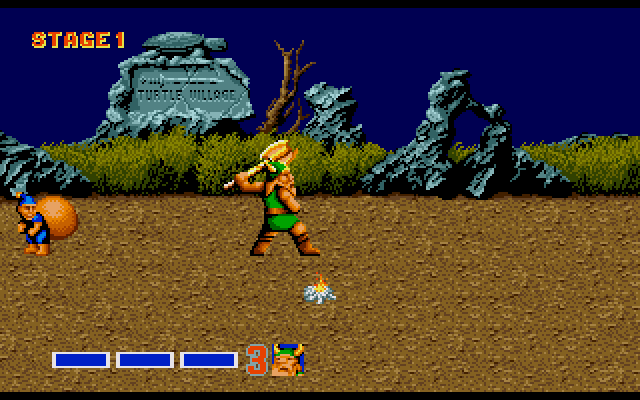
When Golden Axe II dropped exclusively for the Genesis in 1991, it felt less like a revolution and more like a very comfortable pair of boots. Sega didn’t want to mess with the formula too much, so they kept the same three heroes and swapped out Death Adder for a new big bad named Dark Guld. The graphics were slightly cleaner, and the magic system got a much-needed tweak that allowed you to choose how many books you wanted to use at once, rather than dumping your whole bar on a single grunt. While some fans complained it was basically “Golden Axe 1.5,” there was something undeniably awesome about the new enemy designs, like the headless knights and the weirdly proportioned lizard men. It doubled down on the co-op fun, proving that as long as you had a friend and a handful of magic potions, you could have a great Saturday night without ever leaving the living room.
The Lost Masterpiece: The Revenge of Death Adder
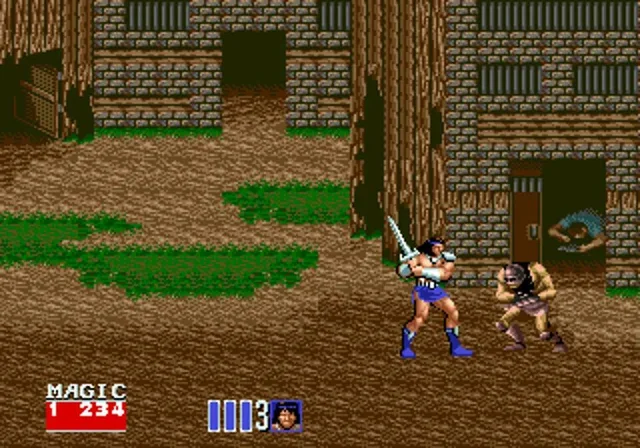
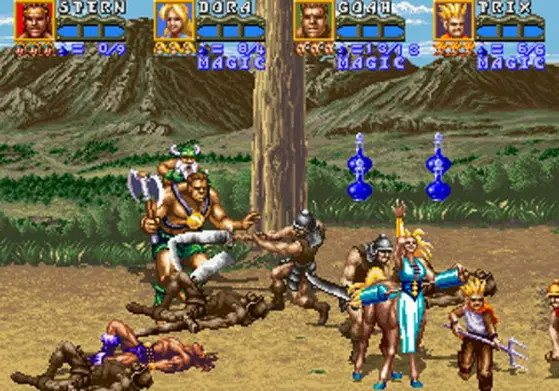
For a long time, the best game in the series was one that most people never got to play at home: the 1992 arcade exclusive Golden Axe: The Revenge of Death Adder. This game was a technical powerhouse that showed what the franchise could be when it wasn’t limited by home console hardware. It introduced four players simultaneously and a brand new cast, including Goah the giant who carried Gilius on his back, and Dora the centaur. Yes, a playable centaur who would actually turn into a human-legged warrior when she climbed onto a mount—it was weird, it was imaginative, and the animations were incredibly fluid. The branching paths and environmental traps made every run feel fresh, and the visuals were so vibrant and detailed that they put the previous games to shame. It remains a tragedy that Sega took so long to give this one a proper digital re-release, as it truly represents the peak of the series’ arcade DNA.
The Experimental Middle Child: Golden Axe III
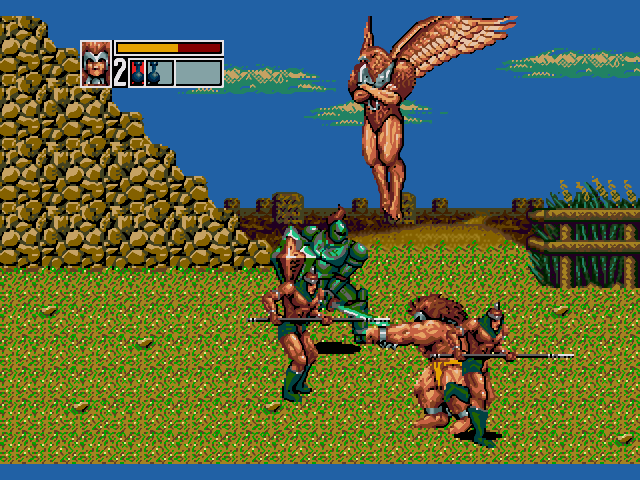
By the time Golden Axe III arrived in 1993, the series was starting to go through a bit of an identity crisis, and the game famously didn’t even get a physical release in North America for years. It tried to shake things up by adding new characters like a panther-man named Chronos “Evil” Lait and a giant named Proud Cragger, while also introducing branching paths and a more complex move set with blocks and special attacks. On paper, it was the deepest game in the trilogy, but it lacked that certain “oomph” and visual flair that the first two possessed. The color palette was a bit drab, and some of the music felt like it was trying too hard to be technical rather than catchy. However, if you actually sit down and play it today, you’ll find a surprisingly robust brawler that rewarded skill over button-mashing, even if it didn’t quite capture the heavy metal magic of the original.
Taking a Left Turn: Golden Axe Warrior
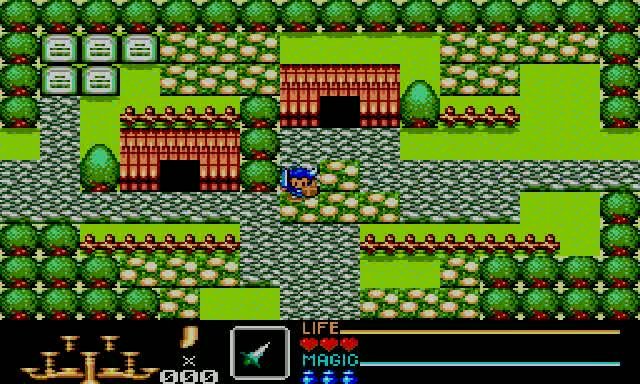
Before the series went full 3D, Sega decided to try something completely different with Golden Axe Warrior on the Master System. If you look at it for more than five seconds, you’ll realize it is an unashamed, blatant clone of the original Legend of Zelda, but honestly, it’s one of the best clones ever made. Instead of a side-scrolling brawler, you explored a massive overworld, tackled dungeons, and upgraded your gear in a top-down perspective. It took the lore of the Golden Axe and the threat of Death Adder and applied it to an adventure format that worked surprisingly well. It’s a bit of a hidden gem in the library, and for fans who wanted more world-building and exploration than a ten-minute arcade run could provide, it was a breath of fresh, albeit 8-bit, air.
Portable Power: Ax Battler: A Legend of Golden Axe
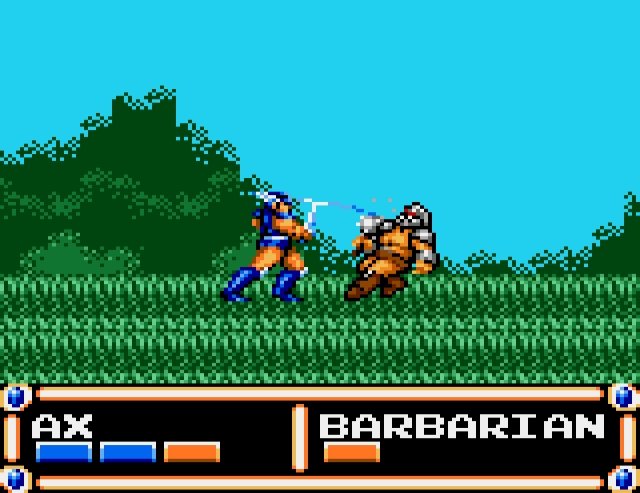
Not to be outdone by its Master System cousin, the Game Gear got its own spin-off called Ax Battler: A Legend of Golden Axe. This one was a weird hybrid that tried to mix top-down RPG exploration with side-scrolling combat encounters. You controlled the titular hero as he wandered around a world map, occasionally getting sucked into “random encounters” that played out like miniature versions of the classic hack-and-slash levels. It was an ambitious attempt to fit the Golden Axe experience into a handheld, though the limited screen real estate of the Game Gear meant the combat often felt a bit cramped. Still, it’s a fascinating piece of history that showed Sega was willing to experiment with the brand beyond just “walk right and hit skeletons.”
Fighting for Survival: Golden Axe: The Duel
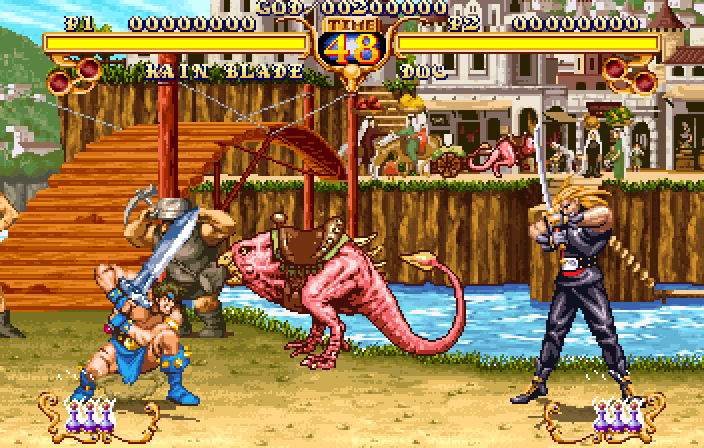
In the mid-nineties, the fighting game craze was in full swing, so naturally, Sega decided to turn their fantasy epic into a one-on-one fighter called Golden Axe: The Duel. Released for arcades and the Sega Saturn, this game featured descendants of the original heroes and brought back Death Adder as the final boss. The sprites were huge and beautifully drawn, and the gameplay actually leaned into the series’ roots by having gnomes run across the stage during matches, dropping potions that would power up your character’s magic attacks. It didn’t have the technical depth of Street Fighter or Tekken, but it had a lot of heart and a distinct look that helped it stand out in a very crowded market. It was a weird detour, but seeing a giant-sized Death Adder swinging an axe in high-res 2D was a treat for the fans.
The 3D Disaster: Golden Axe: Beast Rider
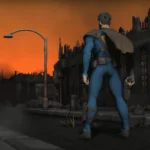
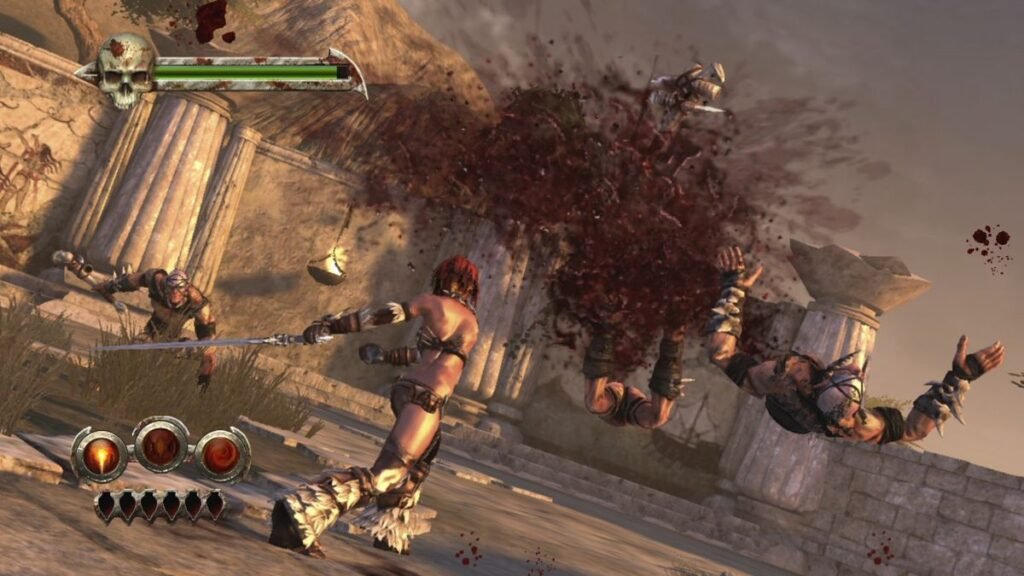
Then we have the black sheep of the family, 2008’s Golden Axe: Beast Rider for the PS3 and Xbox 360. This was the big “reimagining” that everyone hoped would bring the series back into the limelight, but unfortunately, it stumbled out of the gate. The biggest sin was the removal of co-op play, which was essentially the heart and soul of the franchise. You only played as Tyris Flare, and while the combat tried to implement a complex, color-coded parrying and dodging system, it ended up feeling clunky and frustrating rather than empowering. The “Beast Rider” part of the title referred to the focus on mounts, but the controls for the animals were often more difficult than the enemies themselves. It was a dark, gritty, and often overly violent take that felt like it was trying too hard to be God of War while forgetting the campy, heroic fun that made Golden Axe special in the first place.
Looking Toward the Horizon: The Future of the Axe
As we sit here in 2026, the legacy of Golden Axe feels more relevant than ever, especially with the recent resurgence of “retro-modern” games. Sega has finally realized that the world still wants to hack, slash, and ride fire-breathing lizards, and the announcement of a new, high-fidelity Golden Axe reboot has sent the community into a frenzy. We’ve learned that you can’t just slap a title on a game and expect it to work; you need that perfect blend of co-op chaos, epic magic, and iconic character design. Whether we’re looking back at the 16-bit pixels of the Genesis or the controversial 3D models of Beast Rider, the franchise remains a pillar of gaming history. The Axe may have been buried for a while, but it’s clear that the fire of Tyris Flare and the thunder of Gilius are far from extinguished.