
Release Date: September 16, 2003 Developer: Troika Games
Get It On: GOG
The Most Authentic Tactical Combat
If you’ve ever sat around a table with a bag of Cheetos and a handful of polyhedral dice, you know that Dungeons & Dragons is a game of infinite possibilities and occasional mechanical headaches. For decades, video games have tried to capture that specific magic, but most of them cheat. They simplify the rules, turn combat into a real-time click-fest, or ignore the crunchier parts of the 3.5 Edition ruleset. Then came Troika Games in 2003 with a title that refused to compromise. The Temple of Elemental Evil didn’t just adapt D&D; it basically stapled the Player’s Handbook to your monitor and dared you to survive.
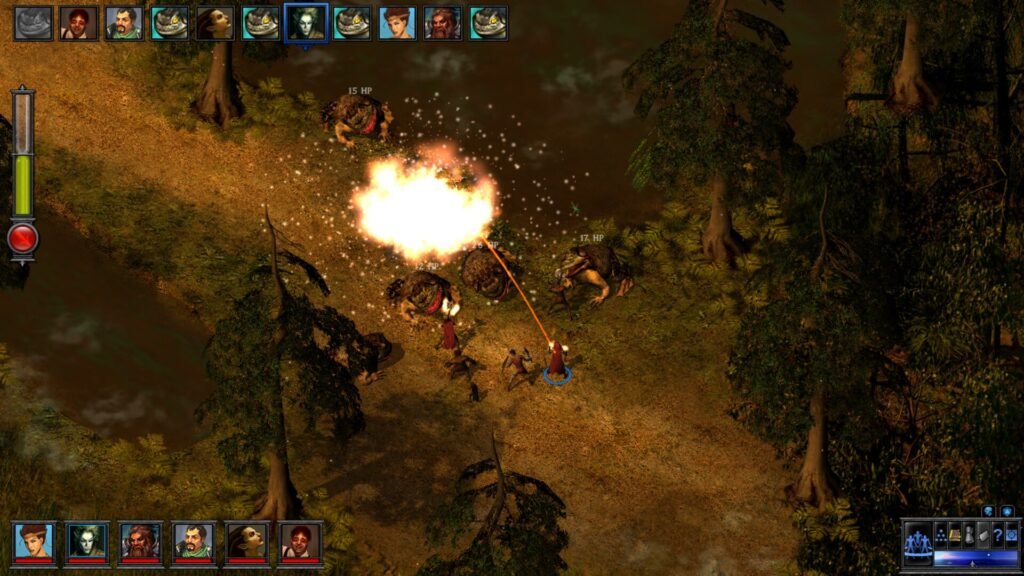
To this day, many RPG aficionados consider this game the gold standard for turn-based tactical combat. It isn’t just about hitting a goblin until its health bar disappears. It’s about attacks of opportunity, five-foot steps, reach weapons, and the terrifying complexity of the radial menu. The game’s interface was a stroke of genius, allowing players to navigate a dizzying array of spells, feats, and combat maneuvers without cluttering the screen. You felt like a tactical commander, meticulously positioning your Wizard to drop a fireball that cleared the room without incinerating your Fighter. It was brutal, it was fair, and it was glorious.
A Walk Through Hommlet and Nulb
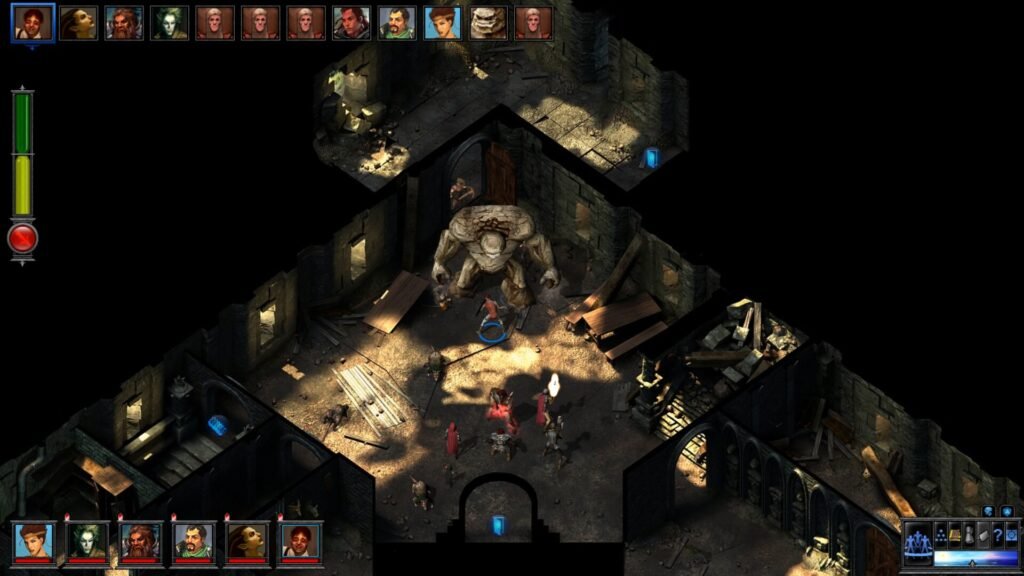
The game kicks off in the quaint, almost suspiciously peaceful village of Hommlet. For many players, the first few hours are a bit of a shock. Instead of slaying dragons, you’re running around talking to local farmers, helping a widow with her chores, and trying to figure out why the local Moathouse is suddenly crawling with bandits. It’s a slow burn that perfectly captures the “Level 1” experience of a classic tabletop campaign. You aren’t a hero yet; you’re just some person with a rusty shortsword and a dream of not getting eaten by a giant frog.
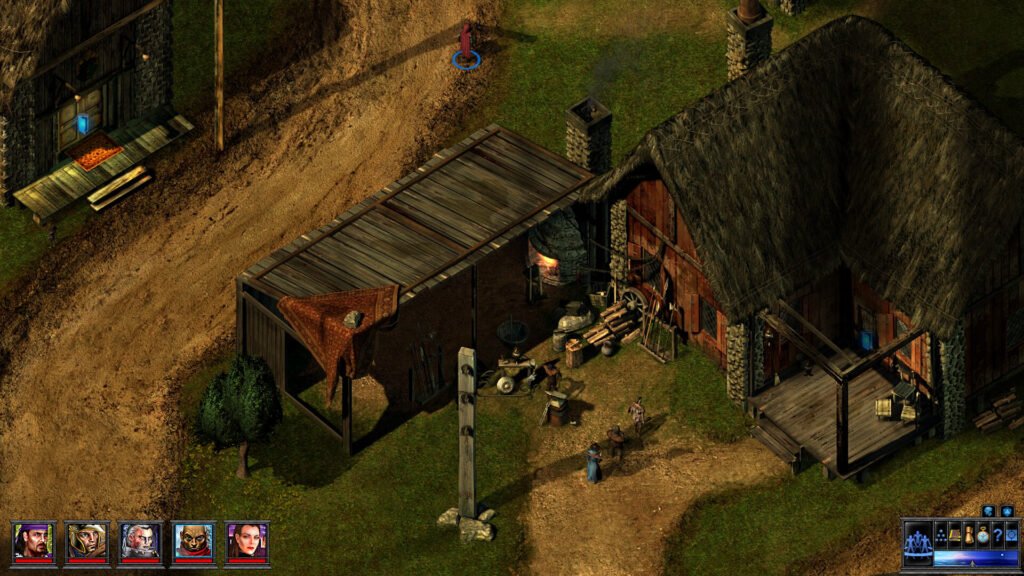
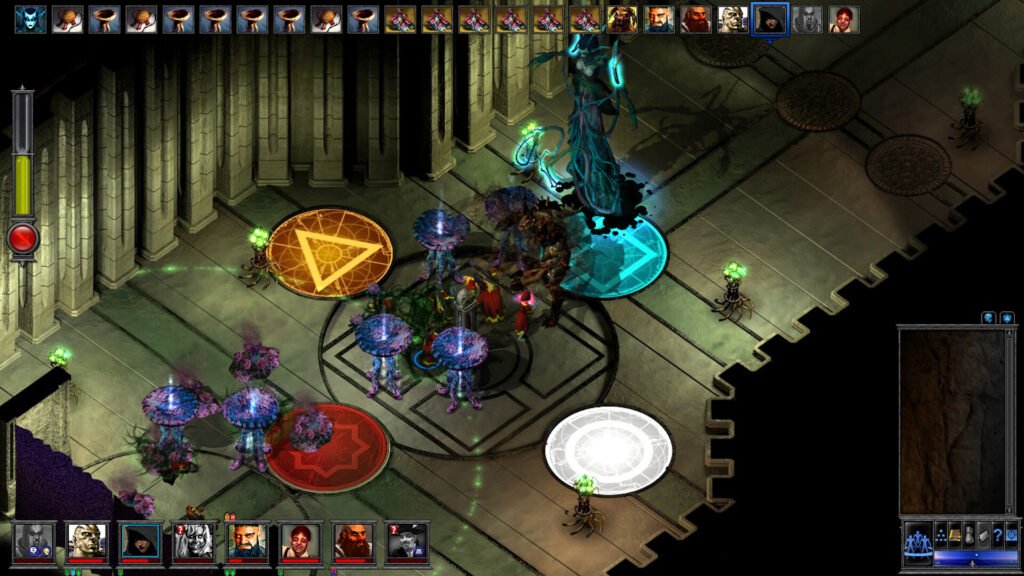
Once you graduate from the petty squabbles of Hommlet, the game takes a dark turn into the village of Nulb. This place is a cesspool of scum and villainy, providing a stark contrast to the idyllic starting area. It serves as the gateway to the titular Temple of Elemental Evil, a massive, multi-layered dungeon that is essentially the star of the show. The atmosphere shifts from pastoral fantasy to high-stakes Gygaxian horror. The temple is a masterclass in dungeon design, filled with competing factions, elemental nodes, and some of the most challenging encounters ever programmed into an isometric RPG.
The Legendary Troika Curse
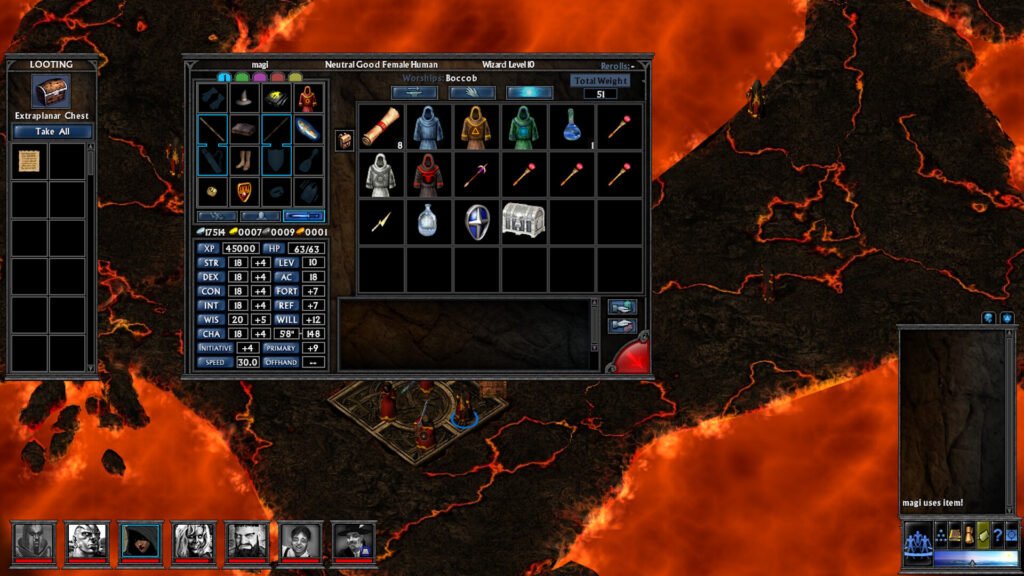
We can’t talk about Troika Games without talking about the “Troika Curse.” The studio, founded by the masterminds behind the original Fallout, was famous for two things: incredible ambition and catastrophic technical issues. The Temple of Elemental Evil was no exception. At launch, the game was a beautiful, burning wreck. It was plagued by game-breaking bugs, corrupted save files, and a legendary issue where looting certain items could permanently break your character’s inventory.
It was a tragedy because underneath the technical rubble was arguably the best D&D simulator ever made. The developers were clearly rushed by their publisher, Atari, resulting in a game that felt about eighty percent finished. Many players at the time couldn’t even finish the main quest because of the instability. It became a cult classic not because it was polished, but because the core systems were so robust and the World of Greyhawk setting was so evocative that fans were willing to endure the crashes just to see what was on the next level of the temple.
Saved by the Fans
In most cases, a buggy game from 2003 would have faded into obscurity, remembered only by a few grumpy forum posters. But The Temple of Elemental Evil had a secret weapon: one of the most dedicated modding communities in gaming history. The Circle of Eight modding group spent nearly two decades essentially finishing the game for Troika. They didn’t just fix the bugs; they restored cut content, added new quests, and rebalanced the entire experience to make it more faithful to the original tabletop module.+2
Following in their footsteps was the Temple+ project, which dug even deeper into the game’s engine to fix hard-coded issues that even the Circle of Eight couldn’t reach. These fans turned a broken relic into a modern masterpiece. They added support for widescreen resolutions, introduced new D&D feats, and even created entire new modules like The Keep on the Borderlands using the game’s engine. If you are playing this game today, you are almost certainly benefiting from thousands of hours of unpaid labor from people who simply loved the way this game handled a d20 roll.
Why It Still Matters Today
You might wonder why anyone would bother with a twenty-year-old game when modern titles like Baldur’s Gate 3 exist. The answer lies in the specific flavor of the combat. While modern RPGs are fantastic, they often lean into cinematic flair and “power fantasy” mechanics. The Temple of Elemental Evil is a simulation. It feels grounded, mathematical, and incredibly rewarding when a plan comes together. There is a certain satisfaction in using a Ready Action to interrupt an enemy spellcaster that newer games sometimes struggle to replicate.
Furthermore, the game’s commitment to the World of Greyhawk—D&D’s original campaign setting—gives it a distinct personality. It’s less “high fantasy” and more “gritty dungeon crawl.” The stakes feel personal, the world feels lived-in, and the moral choices are surprisingly impactful for a game focused so heavily on combat. Whether you are a lawful good paladin trying to purge the temple or a chaotic evil rogue looking to profit from the chaos, the game reacts to your alignment in ways that few RPGs have dared to try since.
The Modern Resurrection
For a long time, getting the game to run on a modern PC required a degree in software engineering and a prayer to the gods of compatibility. However, the legacy of this title took a massive leap forward with the December 10, 2025, re-release on Steam by publisher SNEG. This wasn’t just a simple port; it was a celebrated “Rediscovered” edition that finally addressed the game’s long-standing hurdles. This version integrated many of the essential fixes from the Circle of Eight and Temple+ communities, providing a stable, out-of-the-box experience that supports modern operating systems without the need for manual patching. It’s a definitive way to experience the ruins of the temple, ensuring that one of the most tactically deep RPGs ever made is finally accessible to a whole new generation of dungeoneers.