
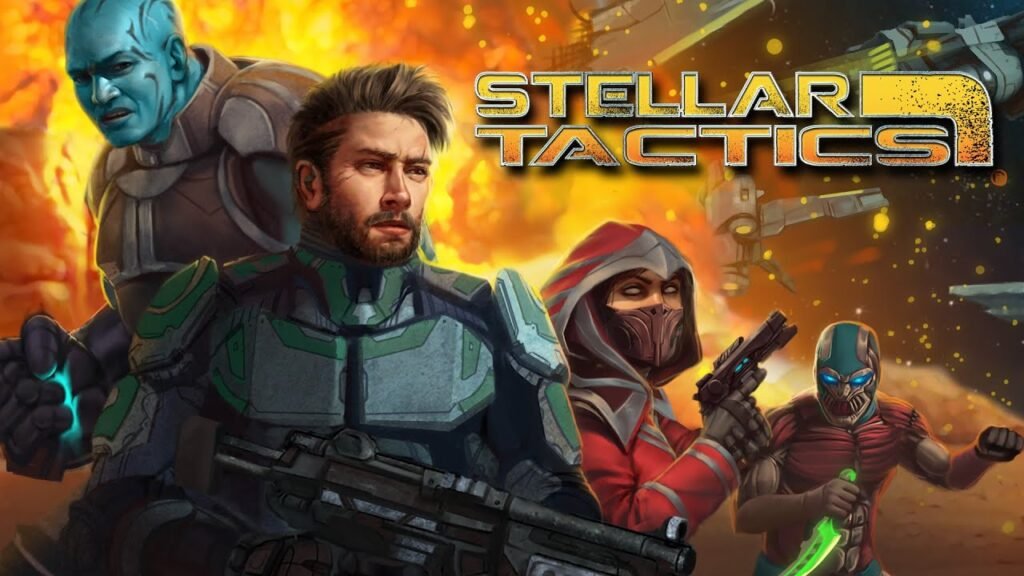

After nearly a decade drifting through the vacuum of Early Access, Maverick Games has finally brought Stellar Tactics to its full 1.0 release. If you’ve been following the indie scene since 2016, you know that this project has been the labor of love for solo developer Don Wilkins, a veteran who cut his teeth on classics from Sir-Tech and Sierra. This isn’t just another space game that slapped a “final” label on a half-baked product. Instead, it feels like the culmination of a thousand small promises kept over the years. It is a massive, sprawling, often overwhelming sci-fi RPG that manages to bridge the gap between old-school tactical depth and modern sandbox freedom.
From the Ashes of Earth to the Infinite Void
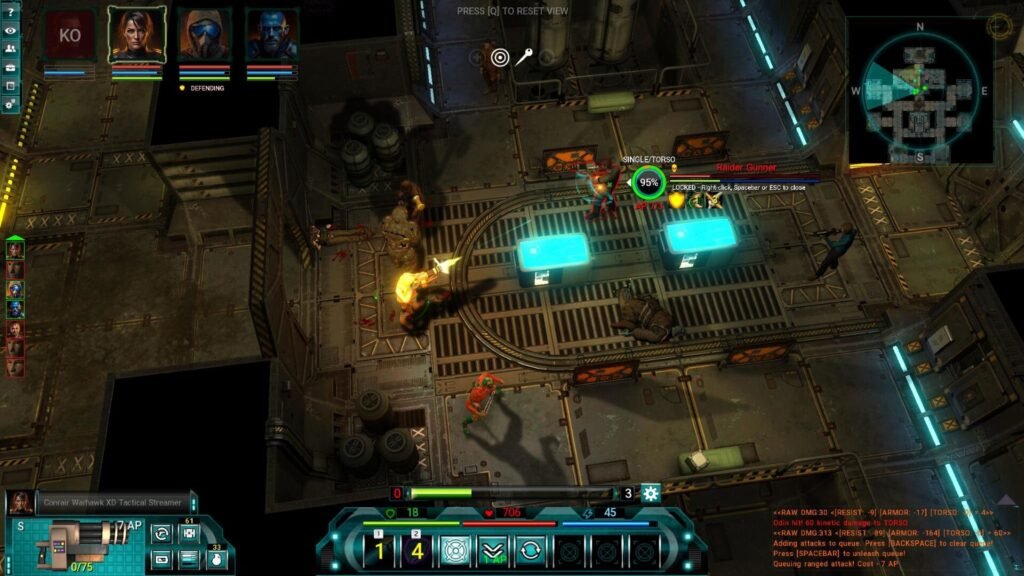
The game kicks off with a narrative hook that feels familiar but is executed with a gritty, desperate tone that sets the stage perfectly. Humanity has been forced to flee a dying Earth ravaged by a horrific biological mutagen known as the Phage. You start your journey as a squad of genetically engineered soldiers—survivors who represent the last hope of a species in exile. The opening prologue does a fantastic job of establishing the stakes, leading you through the claustrophobic corridors of a massive colony ship where things have gone predictably, and violently, wrong. It acts as a tutorial for the turn-based combat and the basic movement systems, but once you clear that initial hurdle, the game kicks the doors wide open. Suddenly, you aren’t just a soldier; you are a captain with a ship and a galaxy of 160,000 star systems at your fingertips.
A Classless System That Rewards Your Curiosity
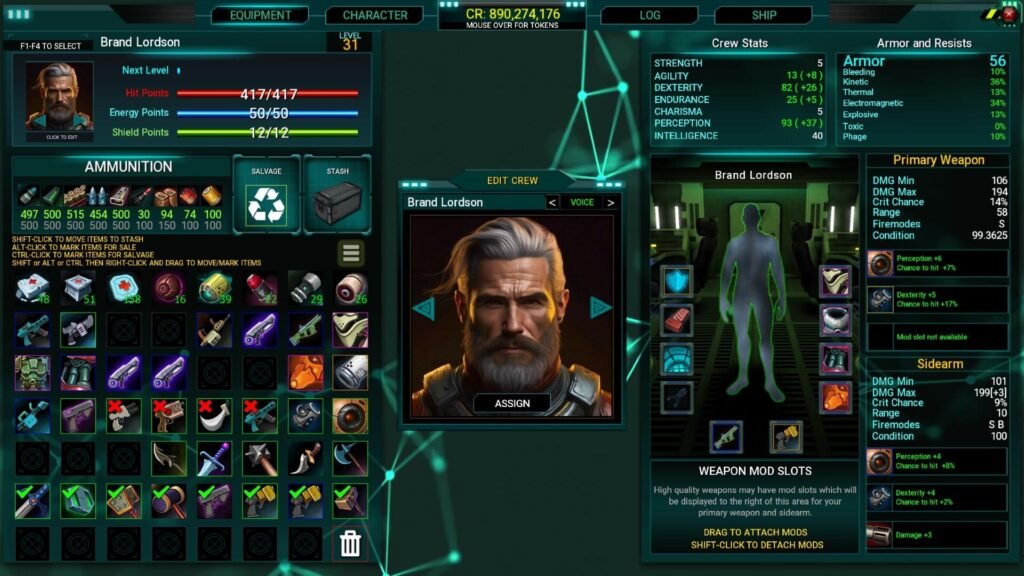
One of the most refreshing aspects of Stellar Tactics is its refusal to box you into a specific role. Many modern RPGs claim to offer “freedom,” but then force you to choose between being a “Space Wizard” or a “Space Tank” within the first five minutes. Here, character progression is entirely skill-based and classless. Your squad members grow based on what they actually do in the field. If a character spends every fight sniping from the shadows, they get better at marksmanship and stealth. If they spend their time hacking terminals and repairing ship systems, those are the skills that flourish. With over 240 unique perks available across various disciplines, the customization is staggeringly deep. You can build a squad of specialized experts or a team of jack-of-all-trades survivors, and the game never punishes you for experimenting. This organic growth makes your crew feel like actual people who are learning and adapting to the harsh realities of space rather than just a collection of stats.
Ground Combat That Packs a Tactical Punch
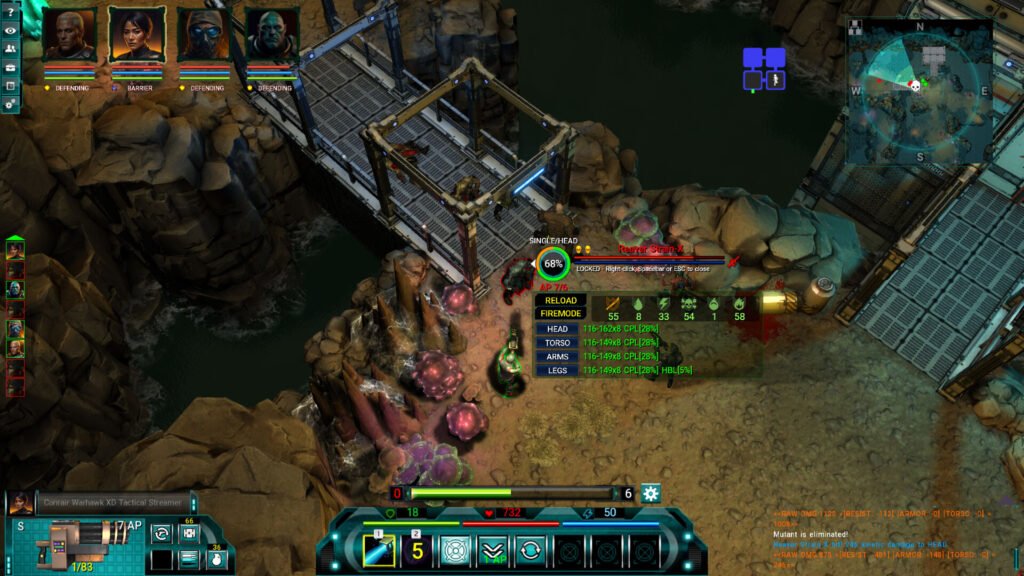
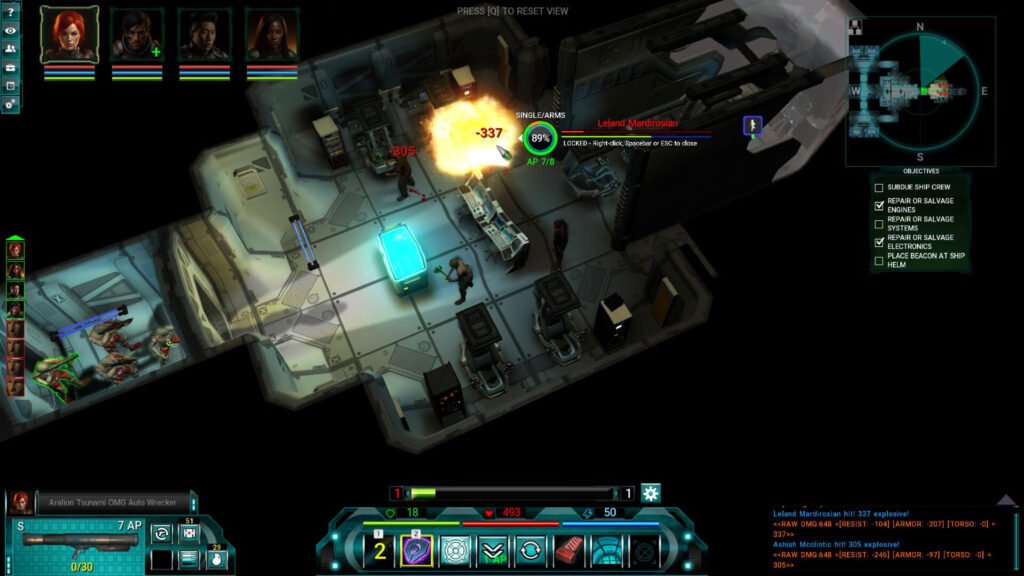
When you touch down on a planet or board a derelict station, the game shifts from a wide-angle exploration sim into a tight, squad-based tactical combat engine. It uses an Action Point (AP) system that will feel immediately comfortable to anyone who grew up on the original Fallout or XCOM. Every move matters, from the way you position your mercs behind cover to the specific fire modes you choose for your weapons. The combat feels weighty and consequential. Weapons range from standard kinetic rifles to exotic energy blades, and they can all be modified using nano-tech components and specialized attachments. There is a genuine sense of tension when your perception skill isn’t high enough to see an enemy lurking around a corner, leading to those “oh no” moments where an ambush turns your well-planned assault into a frantic scramble for survival. The inclusion of Psionics adds another layer of complexity, allowing you to manipulate the battlefield with mental powers that feel distinct from the standard gunplay.
Navigating the Living Galaxy
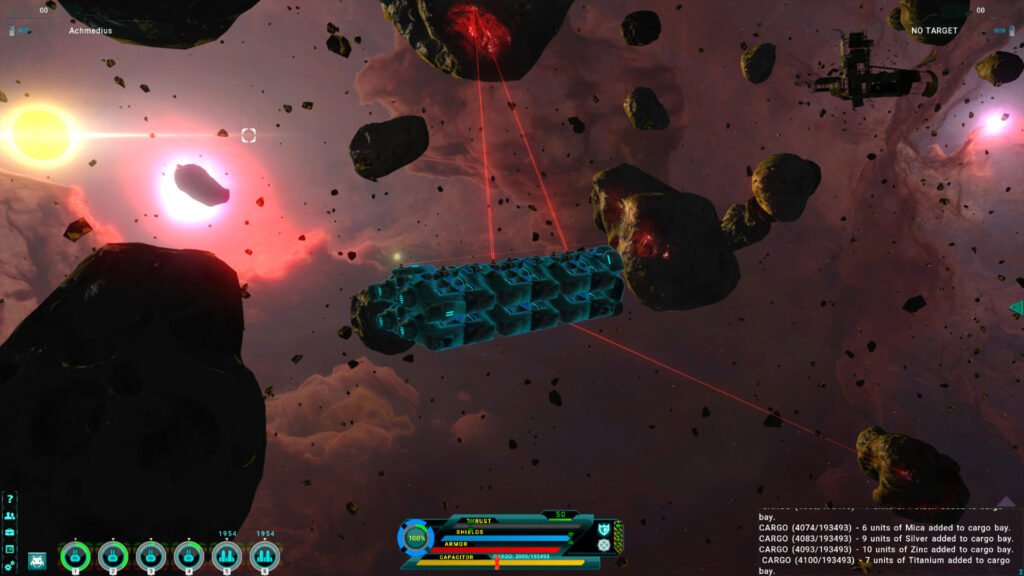
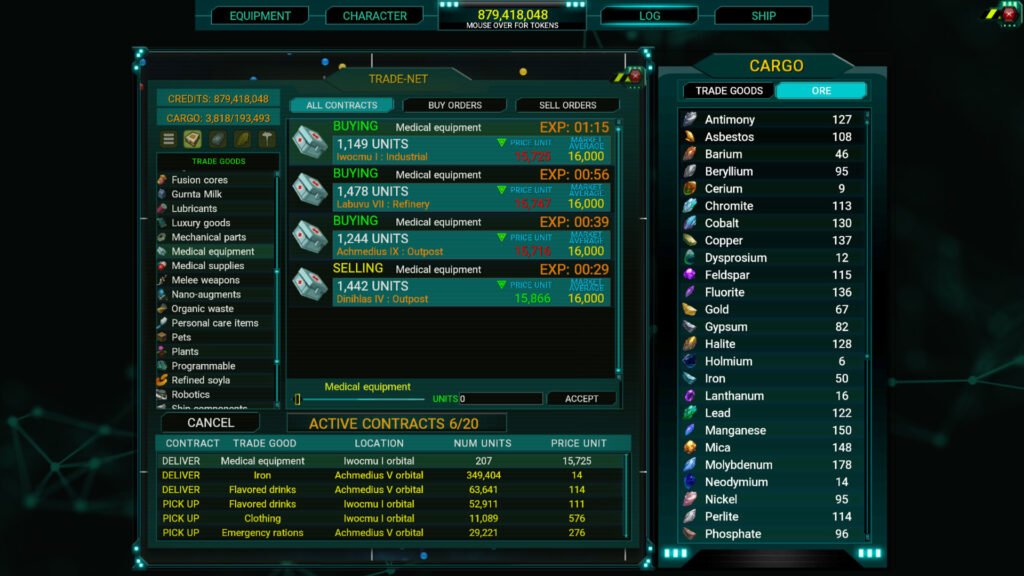
Once you leave the atmosphere, you are greeted by a seamless transition into space flight. While ground combat is turn-based, space travel and ship-to-ship skirmishes happen in real-time, providing a nice change of pace. The scale here is genuinely hard to wrap your head around. There are thousands of sectors to explore, each filled with stations, anomalies, and potential threats. You aren’t just flying a cursor around a map; you are piloting one of 40 customizable ships that range from nimble interceptors to massive cargo haulers. Whether you want to be a humble asteroid miner, a ruthless pirate, or a wealthy merchant trading commodities across the stars, the dynamic economy supports your lifestyle. The game tracks the supply and demand of goods across different systems, meaning a savvy player can make a killing just by paying attention to the market fluctuations. It turns the galaxy into more than just a backdrop for combat; it’s a living entity where you can carve out a legitimate career.
The Gritty Beauty of an Indie Masterpiece
Visually, Stellar Tactics has come a long way since its early days. The 1.0 release brings a level of polish that is impressive for such a small team. The ship interiors are detailed and atmospheric, dripping with that “used future” aesthetic that makes sci-fi feel grounded. The character models and environments look sharp, and the lighting effects do a lot of heavy lifting in creating a sense of scale and wonder. While it might not have the multi-million dollar facial animations of a AAA blockbuster, it makes up for it with immersion and art direction. The UI, which was a point of contention for some during the early stages of development, has been completely overhauled. It’s now much more intuitive, though it still retains that dense, information-heavy feel that hardcore RPG fans love. It’s a game that respects your intelligence and expects you to read the data it gives you, which is a rare treat in an era of hand-holding tutorials.
A Legacy of Dedication
The most impressive part of the Stellar Tactics story isn’t just the game itself, but the journey it took to get here. Don Wilkins has been incredibly transparent with the community, delivering weekly updates and listening to player feedback with a sincerity that you rarely see in the industry. The 1.0 version feels like a victory lap for that community-driven development. It incorporates years of bug fixes, balance passes, and feature requests that have turned a promising prototype into a comprehensive epic. The game manages to capture the “just one more turn” magic of classic RPGs while offering the “just one more system” lure of a great space sim. It’s a rare hybrid that actually works, mostly because it never loses sight of the fact that the player’s agency is the most important mechanic of all.
The Final Frontier Verdict
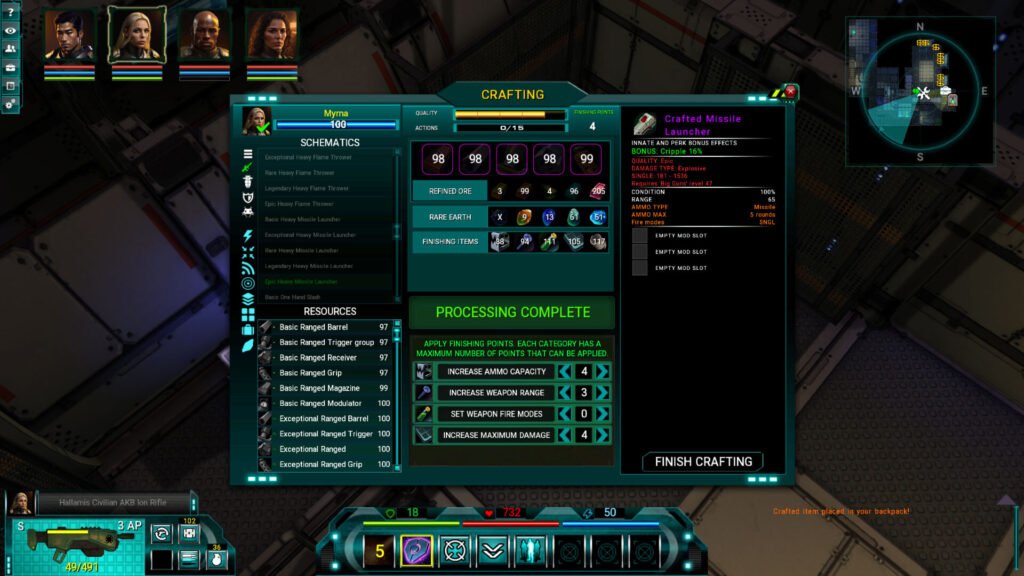
Stellar Tactics 1.0 is a massive achievement. It is a game that dares to be big, complex, and unapologetically nerdy. While the sheer amount of systems—from ship boarding and crafting to faction reputation and planetary scanning—might be intimidating at first, the game does an admirable job of letting you engage with them at your own pace. You don’t have to be a master trader to enjoy the combat, and you don’t have to be a tactical genius to enjoy the exploration. It’s a true sandbox RPG in the sense that it provides you with the tools and the playground, then steps back to let you tell your own story. If you have any love for sci-fi, turn-based tactics, or the golden age of PC gaming, you owe it to yourself to check this one out. It took a decade to arrive, but the wait was worth every second. The void is calling, and honestly, it’s never looked more inviting.