

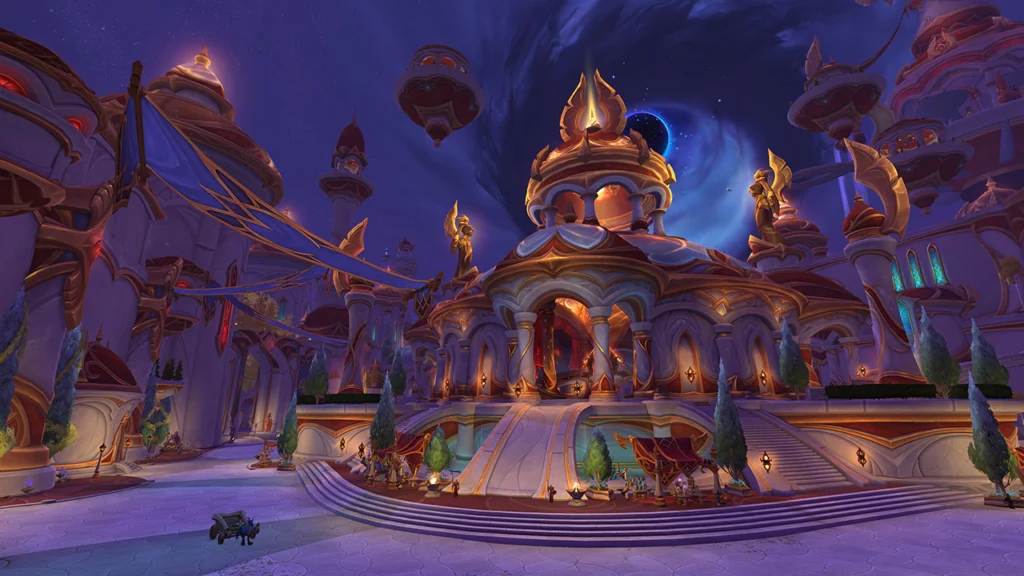
If you had told me a few years ago that I’d be sitting in a fully 3D-rendered Silvermoon City—without a single loading screen between me and the Eastern Plaguelands—I would have called you a liar and probably told you to go touch some Teldrassil-flavored grass. But here we are in 2026, and World of Warcraft: Midnight has officially landed. It is the middle child of the Worldsoul Saga, but let’s be real: this isn’t the awkward teenager phase. It’s the high-stakes, cinematic payoff we’ve been waiting for since the dark days of the Shadowlands. From the moment you fly over the gleaming spires of a rebuilt Quel’Thalas, it’s clear that Blizzard isn’t just trying to sell us another expansion; they’re trying to remind us why we fell in love with this universe in the first place.
The Return of the King: Metzen’s Narrative Gravity
We have to talk about the elephant in the room, and by elephant, I mean the man, the myth, the voice of Thrall himself. Chris Metzen is back at the helm as Executive Creative Director, and you can practically feel his fingerprints on every single quest text. For a long time, WoW’s story felt like it was drifting in a cosmic void—pun intended—with characters doing things “because the plot said so.” With Midnight, that soul is back. Metzen has this uncanny ability to make high-fantasy stakes feel deeply personal. He doesn’t just want us to save the world; he wants us to care about the people living in it.
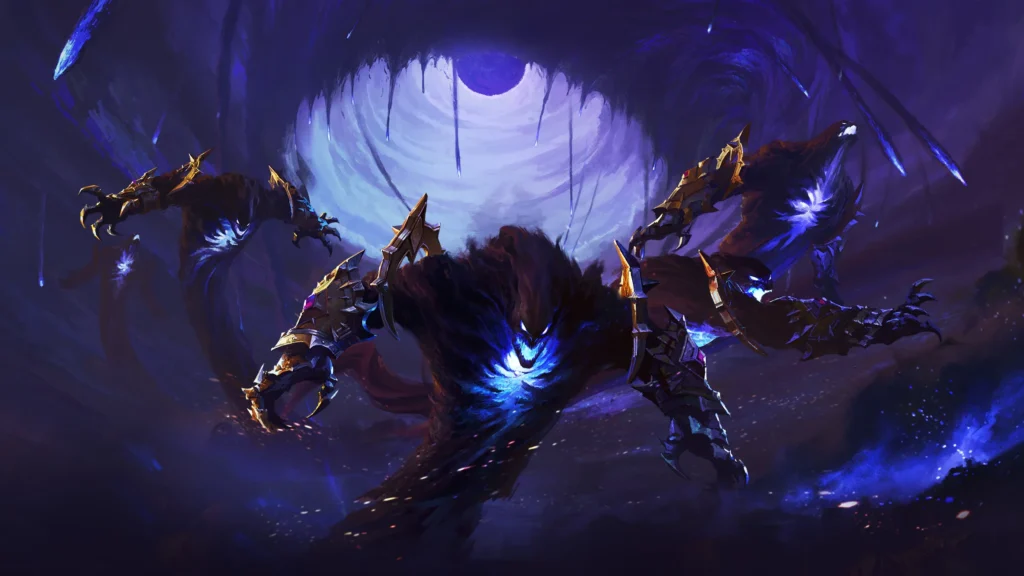
The main campaign of Midnight is, without exaggeration, some of the strongest storytelling Blizzard has ever put into the MMO. It’s focused, it’s urgent, and it finally feels like the “Worldsoul” isn’t just a vague concept, but a living, breathing entity under siege. The narrative focuses heavily on the Void invasion of the Sunwell, and watching Alleria Windrunner struggle with her own inner darkness while trying to lead a unified front of elven tribes is peak Warcraft drama. There’s a weight to the dialogue now that was missing for years. It feels like “Old Blizzard” grit meets “New Blizzard” production values.
Quel’Thalas Like You’ve Never Seen It
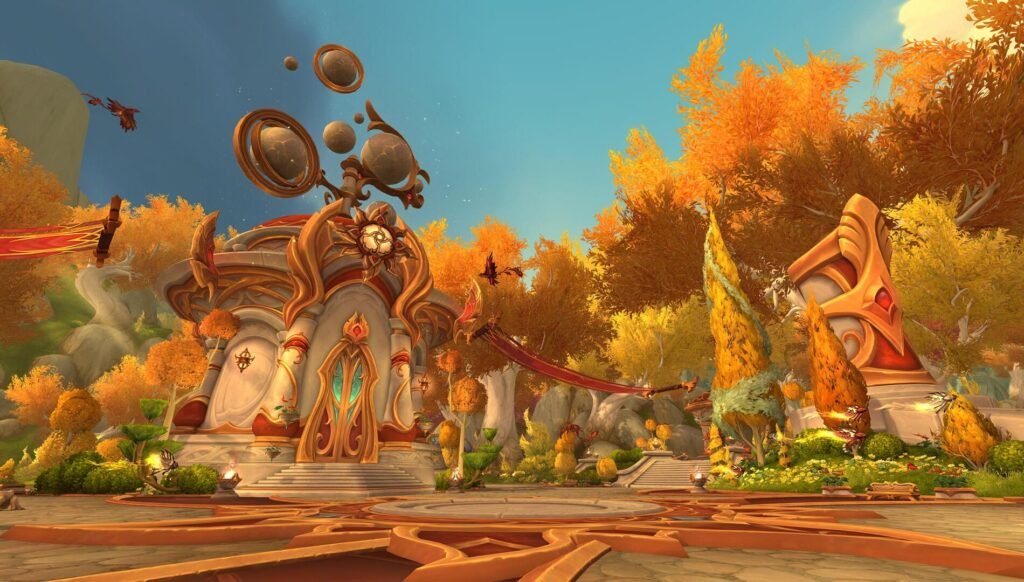
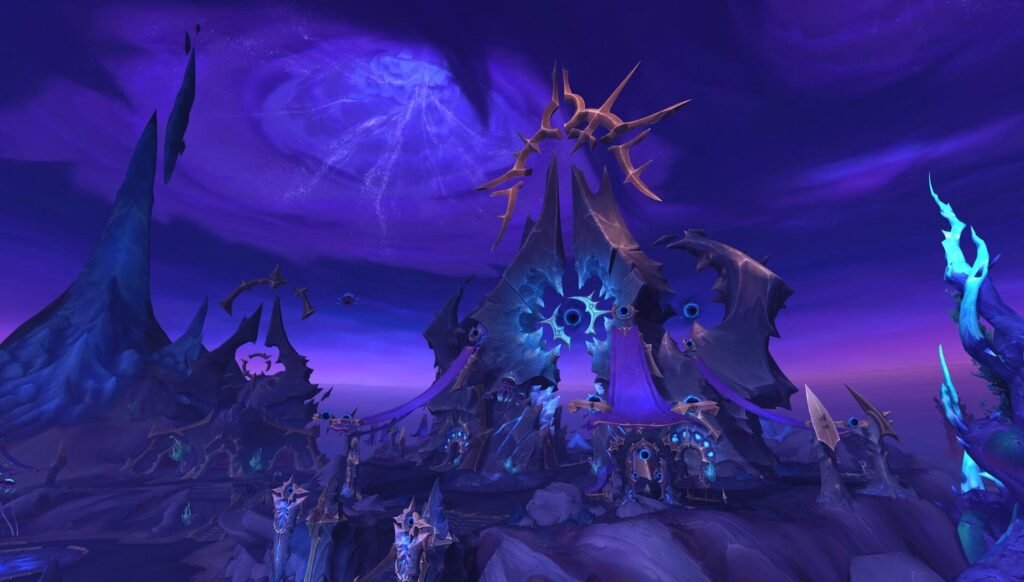
For the “Thalassaboos” among us—and let’s be honest, there are millions of you—this expansion is a visual feast. Seeing Eversong Woods and the Ghostlands revamped with modern assets is enough to make a grown Orc cry. The Dead Scar has been healed, and the way the light hits the golden leaves of the eternal springtime is nothing short of breathtaking. But it’s not all sunshine and rainbows. The encroachment of the Void is visually terrifying. The new zone, Voidstorm, is a masterclass in environmental storytelling. It’s a jagged, purple-hued nightmare that feels oppressive yet beautiful, a stark contrast to the ivory towers of the High Elves.
What’s even more impressive is how the world feels connected. One of the biggest gripes with the original Quel’Thalas was how it felt like an island trapped in a 2007 bubble. Now, it is fully integrated into the Eastern Kingdoms world map. You can mount your dragon and fly from the gates of Silvermoon all the way down to Booty Bay if you’re feeling particularly masochistic. This sense of scale makes the invasion feel real. When the Void attacks the Sunwell, you aren’t just in a vacuum; you’re defending a cornerstone of Azeroth’s history.
Nature’s Wildcard: The Haranir Join the Fray
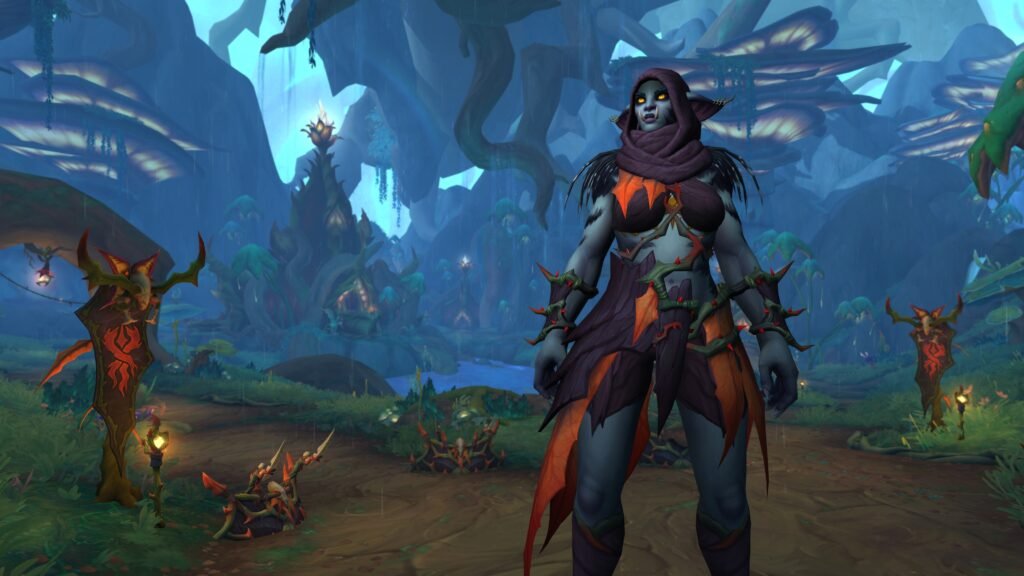
Perhaps the biggest surprise of the expansion is the official arrival of the Haranir as a new playable race. These bat-eared, root-bound guardians have stepped out of the shadows of the deep earth to defend Azeroth’s surface, and they are available to both the Alliance and the Horde. As a Neutral Allied Race, they bring a totally unique aesthetic to the character select screen—somewhere between the feral grace of a druid and the ancient mystery of the Night Elves. Playing as a Haranir feels fundamentally different thanks to their unique racial kit, which leans heavily into their connection with the planet’s lifeblood. Their inclusion bridges the gap between the subterranean themes of The War Within and the high-fantasy elven drama of Midnight, making the world feel like a truly interconnected ecosystem rather than a series of disconnected islands.
Finally, A Place to Hang Your Tabard
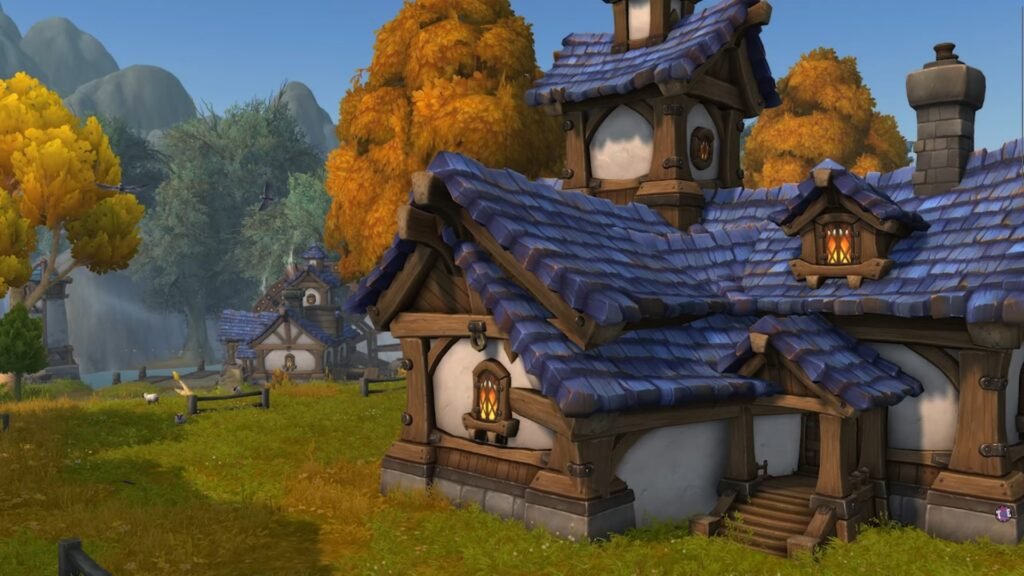
Blizzard actually did it and Player Housing is finally here. They didn’t just give us a Garrison 2.0; they gave us a deep, customizable system that lets you put down roots in Azeroth. The best part? It’s integrated into the professions. Scribes are making wallpaper, Blacksmiths are forging chandeliers, and we’re all spending way too much gold on Hearthsteel to buy that one perfect rug from a vendor in Silvermoon.
This feature alone has changed the “vibe” of the game. Silvermoon City has become a massive hub once again, but it’s the player neighborhoods that feel like the new heart of the community. Walking through a street and seeing how other players have decorated their homes adds a layer of “living world” that WoW has lacked for decades. It turns the game from a series of checklists into a place where you actually want to hang out.
Gameplay Loops and the Predator’s Dance
On the mechanical side, Midnight introduces the Prey system, a new open-world activity that turns the tables on the usual “kill ten boars” routine. In certain zones, you can opt into being “the prey,” which triggers high-level Void hunters to stalk you. It’s high-risk, high-reward gameplay that makes the world feel dangerous again. If you manage to survive the hunt and take down the stalker, the loot is top-tier. It adds a much-needed layer of unpredictability to the daily grind.
We also have to mention the evolution of Delves. After their successful debut in The War Within, Blizzard doubled down. In Midnight, you’re joined by Valeera Sanguinar, and the mechanics are even tighter. These bite-sized adventures are perfect for casual players who don’t have time for a four-hour raid but still want a challenge. And for those looking for something fresh, the new Devourer Demon Hunter spec is a wild ride. It’s a mid-range DPS playstyle that focuses on literally consuming the Void energy of your enemies. It’s fast, it’s flashy, and it’s arguably one of the coolest additions to the class roster in years.
The Verdict: A Trilogy in Full Swing
World of Warcraft: Midnight isn’t just a bridge to the grand finale of The Last Titan. It is a definitive statement that World of Warcraft is in its Golden Age 2.0. By leaning into the nostalgia of the old world while pushing the narrative forward with the help of Chris Metzen, Blizzard has found a winning formula. The main campaign is a emotional rollercoaster that respects the lore without being afraid to break new ground, and the sheer amount of “cozy” features like housing ensures that there’s something for every type of player.
The Void might be trying to snuff out the light of the Sunwell, but for the first time in a long time, the future of Warcraft looks incredibly bright. Whether you’re a veteran who left during the Cataclysm or a newcomer who just wants a place to call home, Midnight is an invitation you shouldn’t decline. Azeroth is calling, and honestly, it’s never sounded better.