
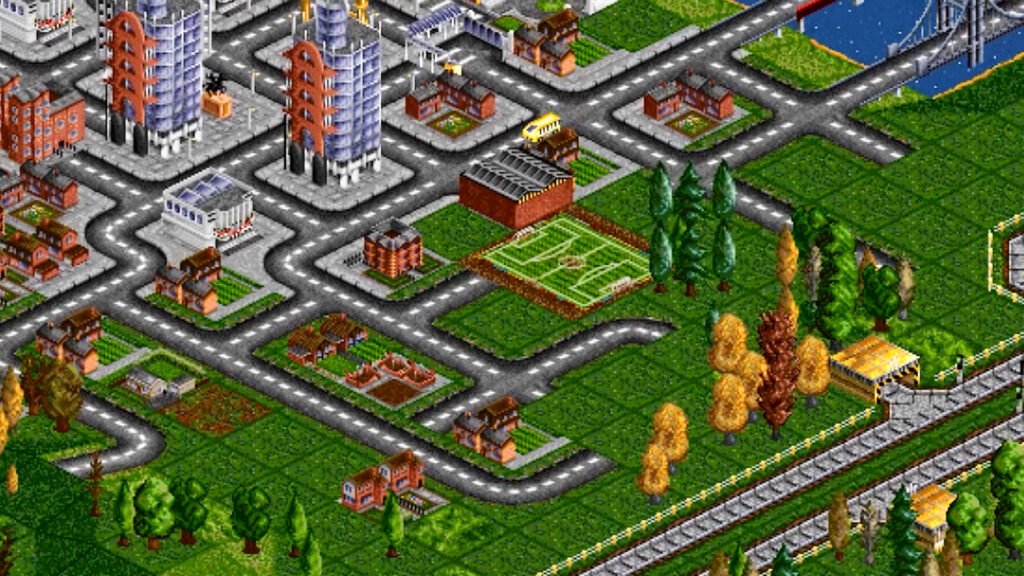

Release Date: October 1994 Developer: Chris Sawyer
Get It On: GOG
There is something strangely hypnotic about watching a tiny digital train chug across a pixelated landscape, carrying a load of coal that is destined to turn your fledgling company into a global transportation empire. When Chris Sawyer first released Transport Tycoon in the mid-nineties, he didn’t just create a game; he essentially drafted the blueprint for the entire management simulation genre. While modern games try to dazzle us with 4K textures and complex physics, this classic title proves that a rock-solid gameplay loop and a catchy MIDI soundtrack are all you really need to lose an entire weekend to “just one more” bus route.
The Art of the Logistics Loop
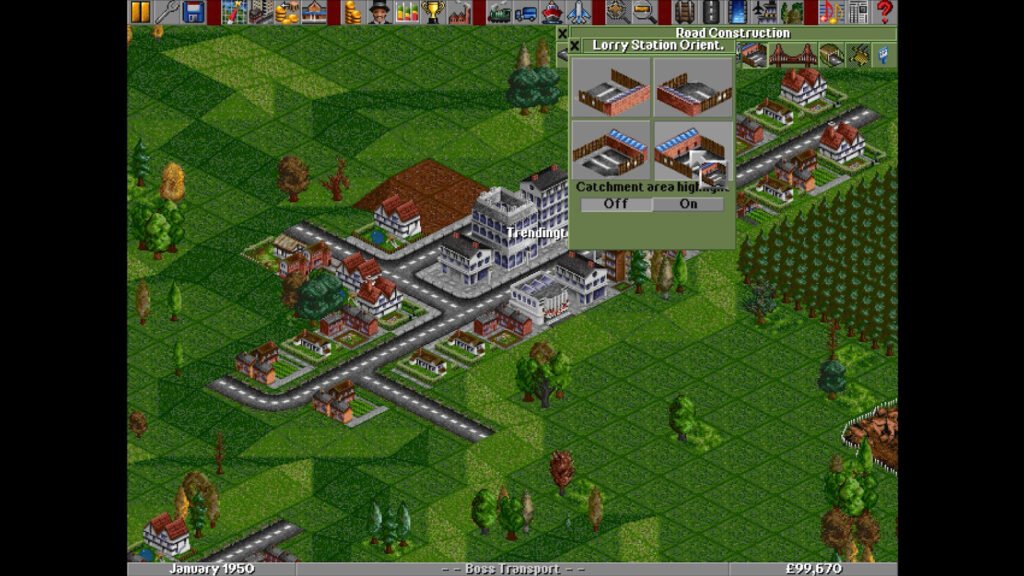
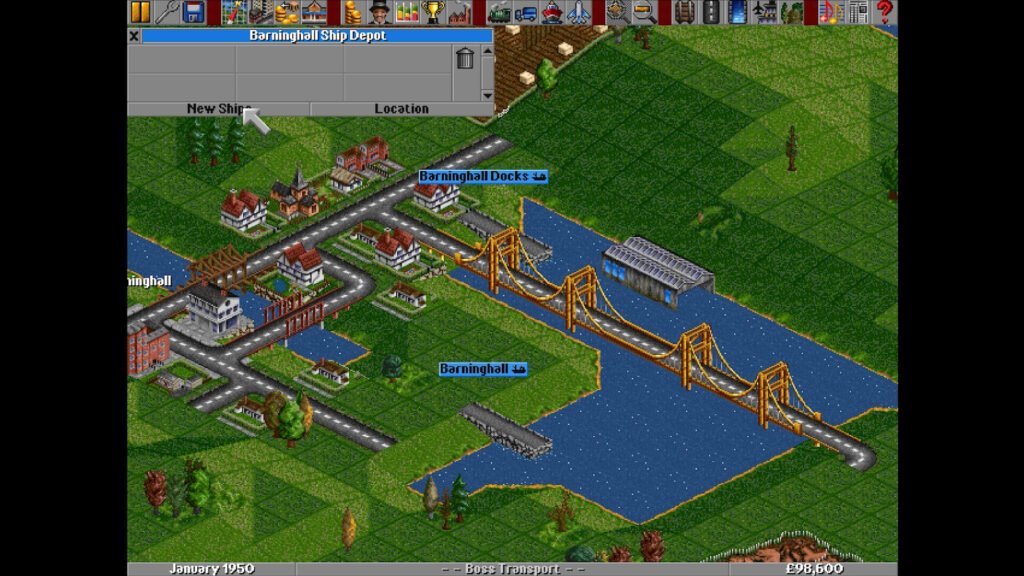
The magic of the game lies in its deceptive simplicity. You start in the year 1930 with a modest loan and a dream of connecting a few small towns. You begin by laying down infrastructure, such as roads for mail trucks or tracks for steam engines, to move goods from point A to point B. The beauty of the economic system is how it reacts to your efficiency. As you deliver more resources, towns begin to grow into sprawling cities, which in turn creates more passenger demand. Seeing a once-quiet village transform into a bustling metropolis because you decided to build a central train station is a feeling of digital power that few other games can replicate.
Navigating the Cutthroat World of Industry
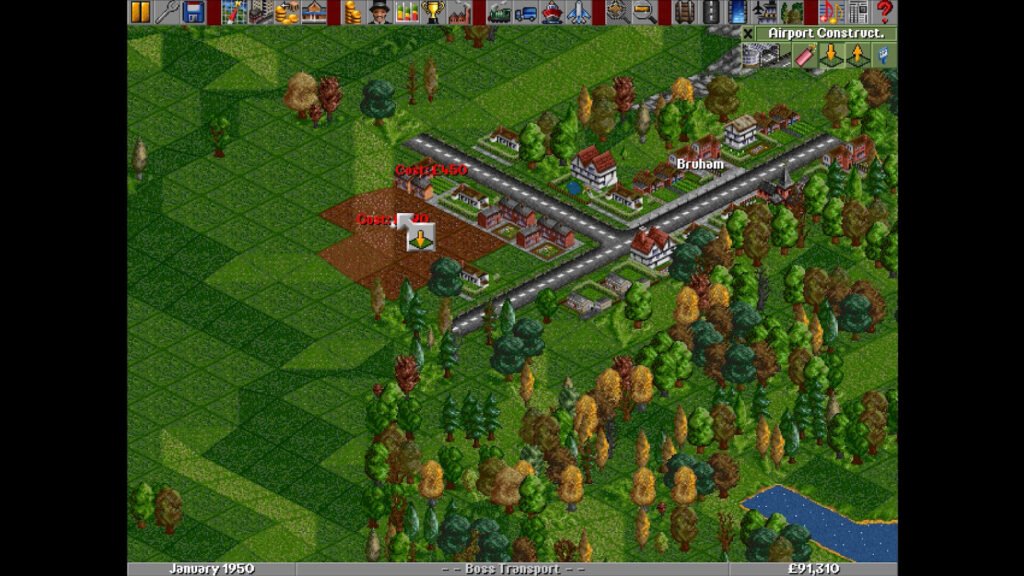
It wasn’t all just peaceful track-laying, though. The game introduced AI competitors who were surprisingly ruthless for their time. These rivals would often swoop in and build a massive airport right next to your territory, stealing your precious subsidies and driving your profit margins into the dirt. Managing your company rating became a game of its own, as local authorities would often get grumpy if you bulldozed too many trees or failed to provide a reliable service. Balancing the needs of the town councils while trying to upgrade your fleet to the latest monorail technology kept the tension high even as the decades ticked by.
A Legacy That Refuses to Retire
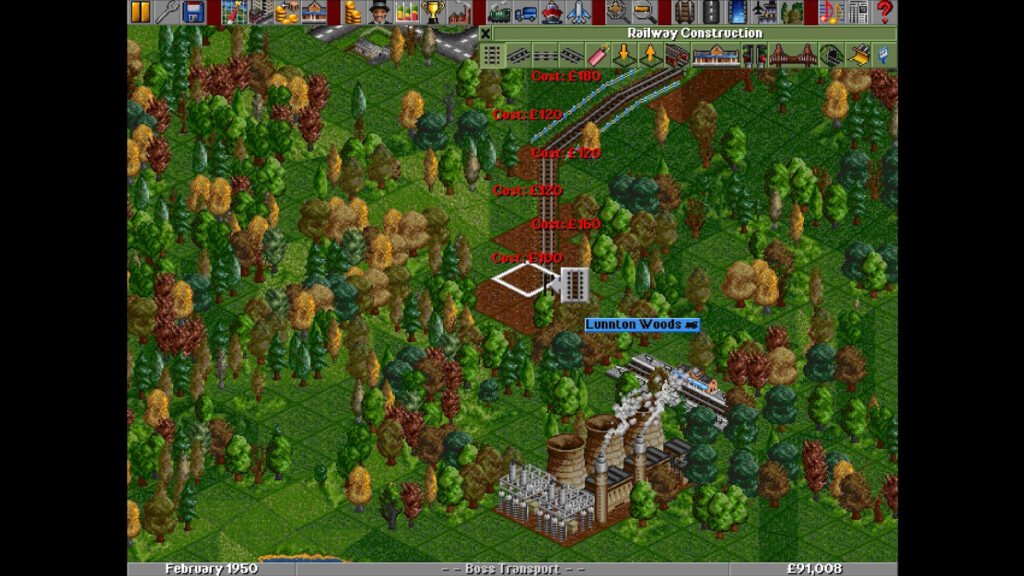
Even decades later, the game’s isometric perspective holds a certain charm that refuses to age. The grid-based building system is intuitive, and the satisfaction of perfectly timing a series of one-way signals to prevent a massive train collision is still unmatched. It’s a testament to the original design that the core mechanics haven’t really needed to change. It remains the gold standard for logistics simulators, influencing everything from Cities: Skylines to Railway Empire.
How to Play Today
If you are looking to relive the glory days of the 1994 original, you are in luck. The game has been released on GOG recently, allowing you to run the classic experience out of the box. However, if you want to take things a step further, you absolutely have to check out OpenTTD. It is a massive, fan-driven project that essentially recreates the Deluxe Edition while adding huge maps, multiplayer support, and hundreds of quality-of-life improvements. You can find that version at https://www.openttd.org.