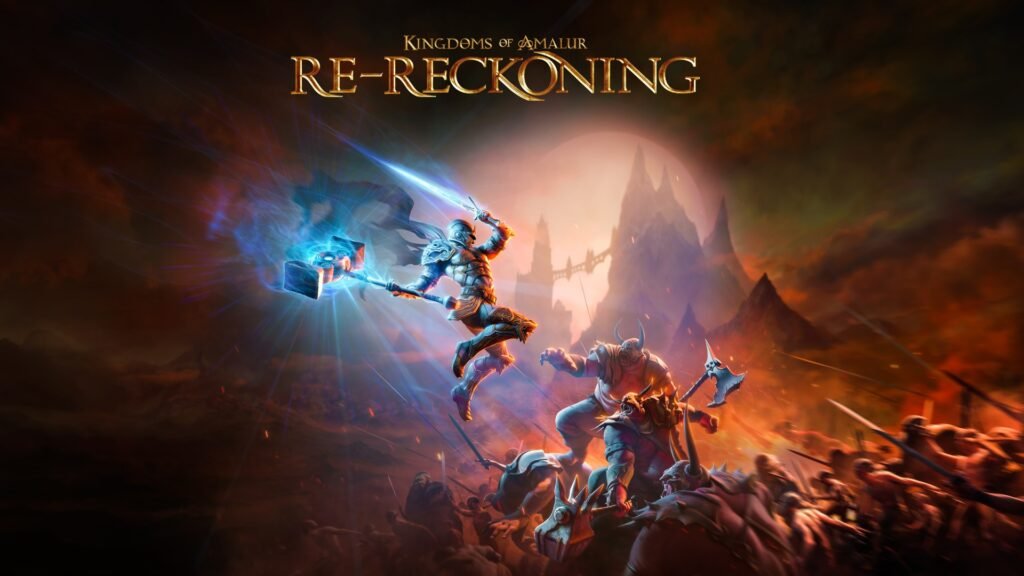

Let’s take a trip back to 2012. The world was supposedly ending according to the Mayans, everyone was still obsessed with Skyrim, and a little game called Kingdoms of Amalur: Reckoning dropped onto the scene with one of the most insane development “Dream Teams” ever assembled. We’re talking about fantasy legend R.A. Salvatore handling the lore, Spawn creator Todd McFarlane on the art direction, and Ken Rolston—the lead designer of Morrowind and Oblivion—running the show. On paper, this should have been the biggest game of the decade. Instead, it became a cult classic buried under a mountain of real-world financial drama and studio closures. But here we are in 2026, and people are still talking about it. Why? Because underneath all the corporate mess was a game that genuinely understood how to make an Action-RPG feel like an absolute power trip.
Combat That Actually Packs a Punch
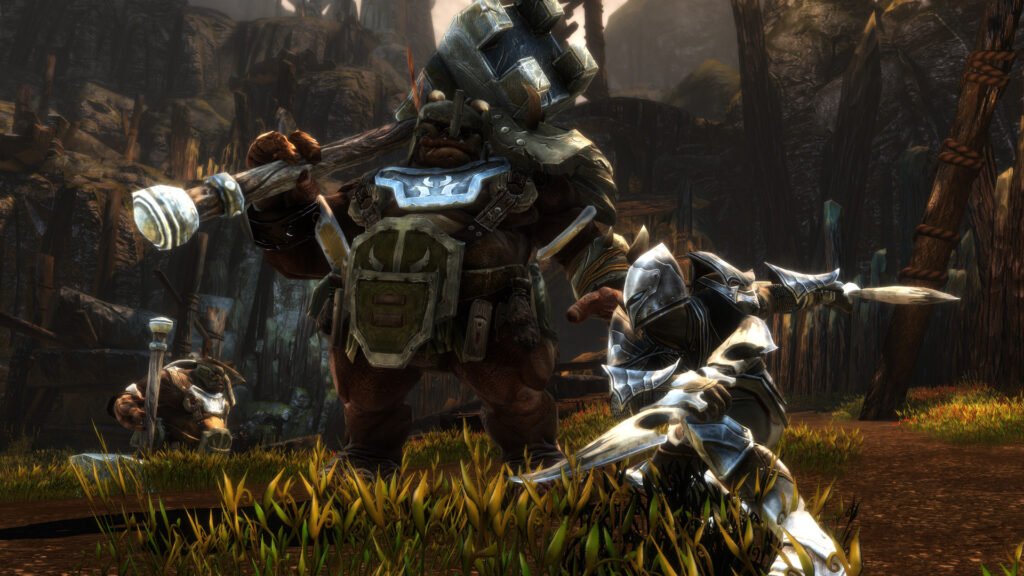
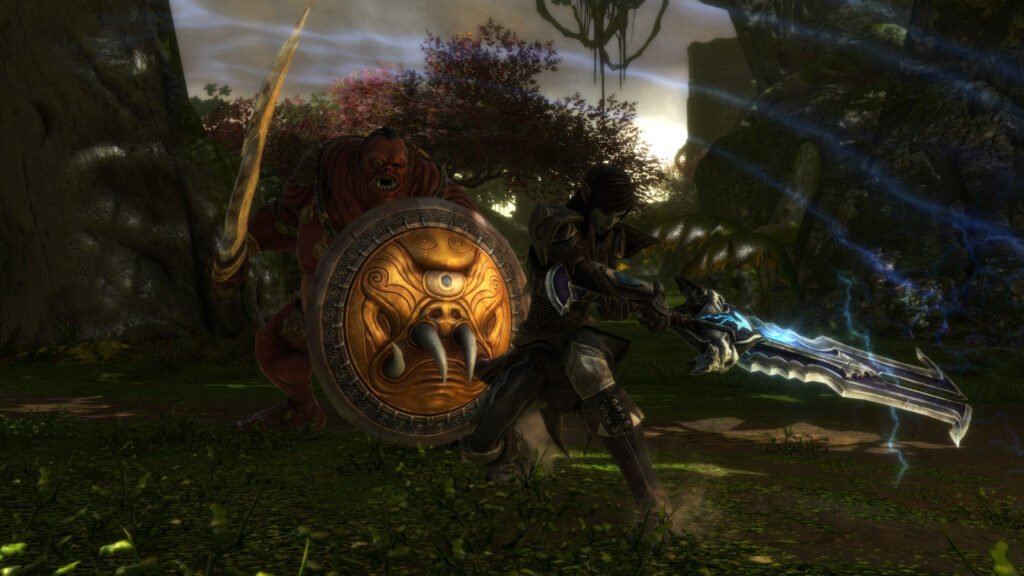
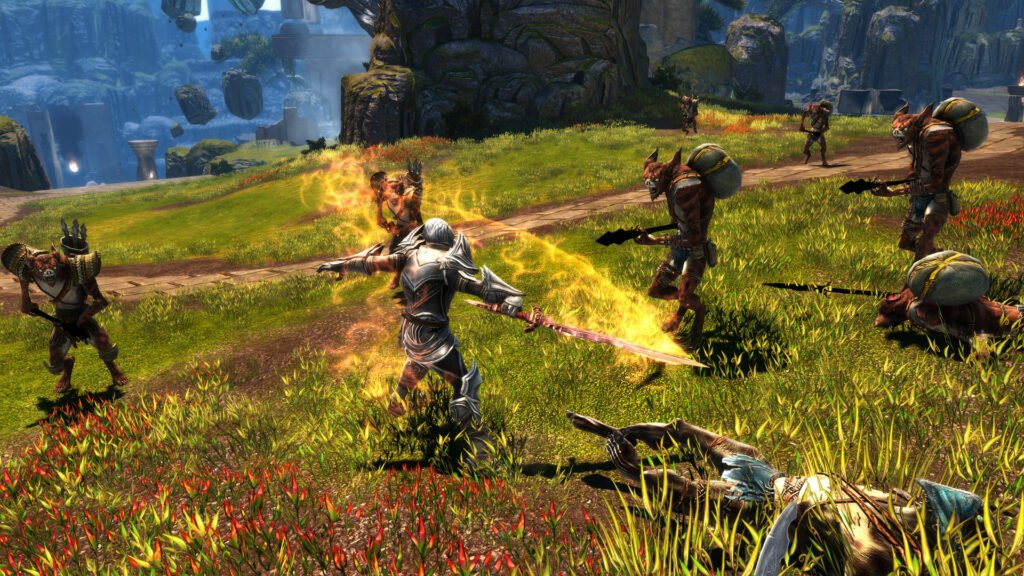
The first thing you notice when you pick up a controller in Amalur is that it doesn’t play like your average clunky fantasy RPG. While other games of its era were fine with you just “mashing” a single button or dealing with awkward animations, Amalur brought the heat with a combat system that felt more like a character action game. It was fluid, fast, and remarkably satisfying. You weren’t just swinging a sword; you were chaining together combos, dodging mid-attack, and switching between two equipped weapons on the fly. Whether you were using the massive Greatswords, the lightning-fast Faeblades, or the iconic Chakrams, every hit felt weighty and impactful. Those Chakrams specifically deserve a shoutout—they are easily some of the coolest weapons in gaming history, acting like bladed yo-yos that could clear a whole room of enemies in a beautiful, spinning dance of death.
Breaking Fate with the Destiny System
One of the most annoying things about big RPGs is being forced to pick a class at the start and then realizing twenty hours later that you actually hate being a mage. Amalur fixed this with the Destiny system. Instead of locking you into a rigid path, the game let you dump points into three trees: Might, Finesse, and Sorcery. As you invested points, you unlocked “Destinies,” which were essentially class cards that gave you massive buffs. The best part? You could visit a Fateweaver at any time to reset everything. If you wanted to spend the morning as a heavy-armored tank and the afternoon as a sneaky assassin who teleports through enemies, you totally could. This sense of freedom made the character progression feel organic and rewarding, rather than a series of stressful permanent decisions.
A World Built on Ten Thousand Years of History
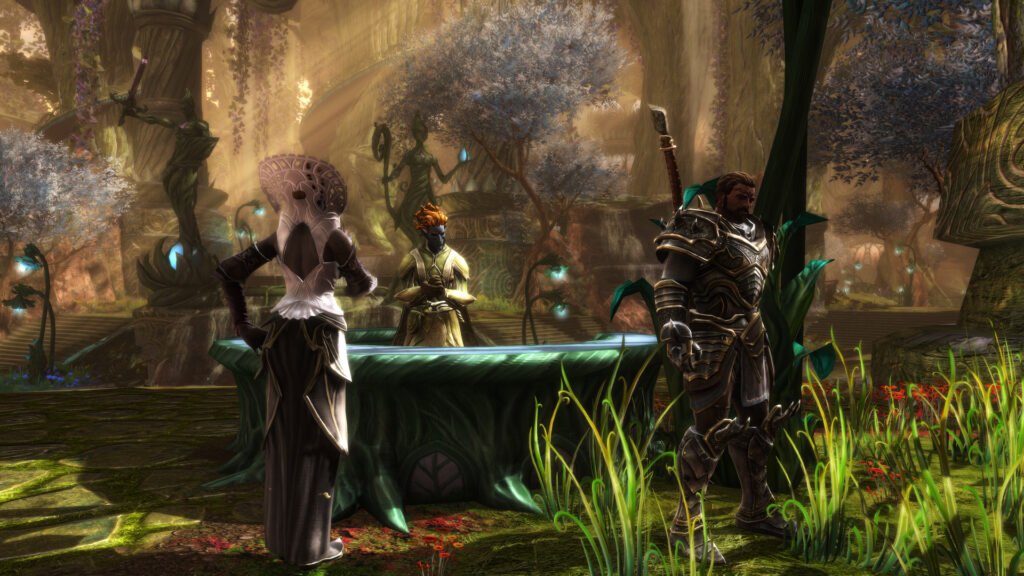
When you hire R.A. Salvatore to build your world, you can be sure that your world is not just a few map names and a couple of dragons. The Lore of Amalur is surprisingly deep, revolving around the concept of “Fate.” In this world, everyone’s life is pre-written by the Tapestry of Fate, and the immortal Fae are essentially magical actors playing out the same stories over and over again for eternity. Then you show up. As the Fateless One, you are the only person in existence who was resurrected by the Well of Souls, meaning you are no longer bound by destiny. This isn’t just a cool plot point; it’s a meta-commentary on the player’s role in the game. You are the only person who can change the future, which makes every quest feel like you’re actually shifting the tectonic plates of the world’s history.
Visuals That Pop Off the Screen
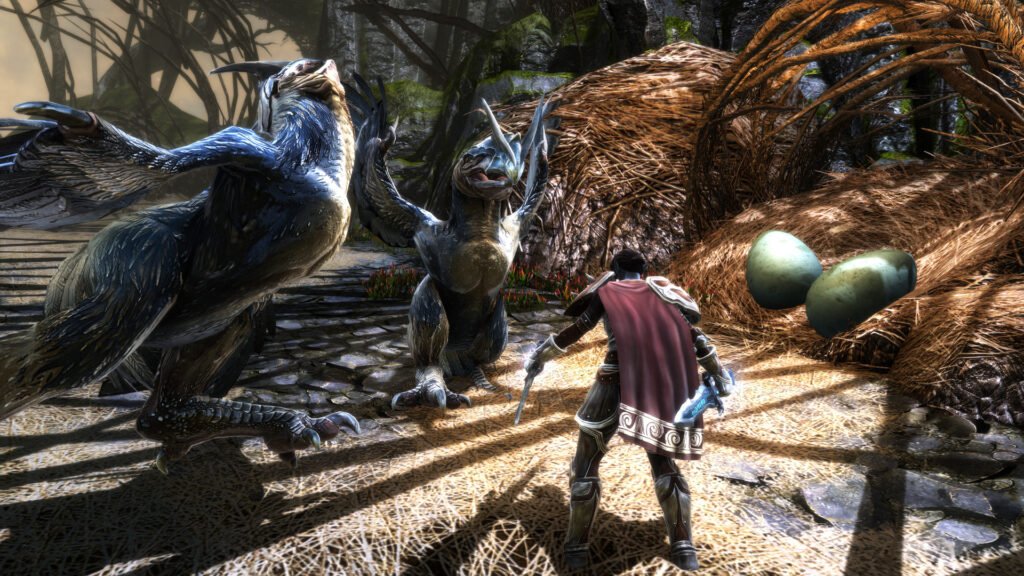
While many RPGs of the early 2010s were leaning into that “gritty, brown, and gray” aesthetic, Todd McFarlane and the team at Big Huge Games went in the opposite direction. Amalur is vibrant. It’s colorful. It looks like a high-end comic book come to life. From the glowing, bioluminescent forests of Dalentarth to the sun-scorched canyons of Detyre, the art style has a timeless quality that helps it hold up way better than many of its contemporaries. It definitely has some “single-player MMO” vibes in its layout, with large hub areas and plenty of side quests, but the sheer personality of the creature designs—like the terrifying Niskaru or the elegant yet alien Tuatha Deohn—gives it a flavor that is entirely its own.
The Final Chapter
For a long time, it looked like Amalur would be a one-hit-wonder left to rot in IP purgatory. However, THQ Nordic eventually swooped in to save the day, releasing the Re-Reckoning remaster. This version gave the graphics a much-needed facelift for modern consoles and it also tweaked the loot system and enemy scaling, fixing some of the balance issues that plagued the original release. But the real surprise was the Fatesworn expansion. Released years after the main game’s remaster, it finally gave fans a proper conclusion to the story. It took players to the snowy mountains of Mithros, introduced the Chaos mechanic, and bumped the level cap up to 50. While some found the “Chaos Rifts” a bit repetitive, the expansion succeeded in giving the Fateless One a final, epic send-off that felt earned after a decade of waiting.
Why You Should Still Care in 2026
Even with all the massive open-world epics we’ve had since its debut, Kingdoms of Amalur: Reckoning still fills a very specific niche. It’s a “comfort food” RPG. It’s the kind of game you can get lost in for a weekend, enjoying the flashy Reckoning mode finishing moves and the endless stream of shiny Loot. It doesn’t try to be a punishing “soulslike” or a hyper-realistic survival sim. It just wants to be a fun, expansive, and highly customizable fantasy adventure. If you haven’t experienced the weird, wonderful world of the Faelands yet, you’re doing yourself a disservice. It’s proof of great design, that a game born from such chaos can still feel this polished and playable all these years later. So grab some Chakrams, talk to a Fateweaver, and go show the world that destiny is meant to be broken.