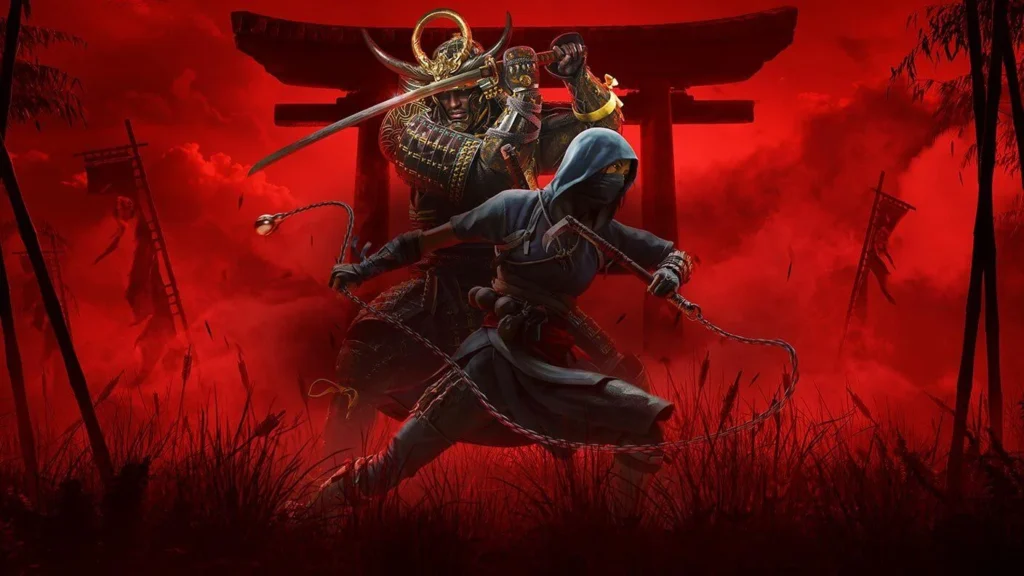

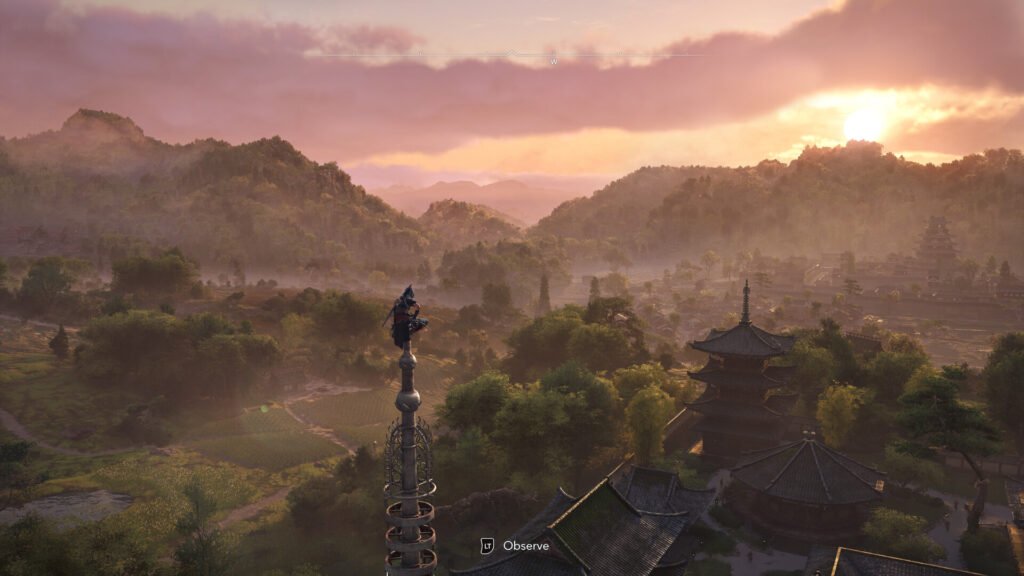
So, we finally got it. The setting every single Assassin’s Creed fan has been screaming for since the days of Altair: Feudal Japan. Assassin’s Creed: Shadows arrived with a massive weight on its shoulders, and honestly, the first time you step into the shoes of Naoe or Yasuke, it’s hard not to be completely floored by the sheer scale of it all. Ubisoft has always been the king of historical tourism, but they’ve really outdone themselves here. The Sengoku period is rendered with such a high level of detail that I found myself just standing on rooftops for minutes at a time, watching the wind ripple through the bamboo forests and the sun set over sprawling shogunates. It is, without a single doubt, one of the most beautiful open worlds ever crafted.
A Masterclass in Atmosphere and Style
Let’s talk about the Art Style first, because it is absolutely doing the heavy lifting. The game doesn’t just look realistic; it feels curated. From the intricate patterns on Yasuke’s heavy plate armor to the way shadows dance across Naoe’s shinobi outfit, the Visual Fidelity is staggering. But it’s the Atmosphere that really sells the fantasy. There’s a specific kind of moodiness to the rainy nights in this game that makes you feel like you’re starring in a high-budget samurai epic. The Dynamic Weather and the Changing Seasons systems aren’t just a gimmicks either; they actively change the vibe of your infiltration.
Of course, a world this pretty needs a soundscape to match, and the Music and Sound Effects are nothing short of elite. The score manages to blend traditional Japanese instruments like the shamisen and koto with these subtle, modern electronic pulses that remind you that you’re still playing a sci-fi thriller at heart. The sound of a blade leaving its scabbard or the muffled footsteps of Naoe on a tatami mat are so crisp they’re almost tactile. If you’ve got a good pair of headphones, the Immersive Audio alone is worth the price of admission. It creates a sense of place that is rarely matched in the genre.
The Mid-Game Slump and Pacing Woes
However, once the initial “wow” factor of the gorgeous world starts to wear off, the cracks begin to show in a major way. The biggest offender here is the unfocused plot. While having dual protagonists is a cool idea on paper, the narrative often feels like it’s pulling you in two different directions without ever committing to a central theme. Yasuke and Naoe are interesting characters, but their chemistry feels secondary to the next objective marker. By the time you hit Act 2, the game’s horrendous pacing becomes impossible to ignore. It grinds to a halt, forcing you into a series of narrative detours that feel like filler rather than meaningful world-building.
This leads into the soul-crushing reality of the repetitive side quests. I really wanted to love exploring every corner of Japan, but after clearing yet another group of generic villains off the board, the magic starts to fade. The game starts to feel less like a grand adventure and more like a digital checklist that you’re slowly ticking off. You find yourself looking at the map not with a sense of wonder, but with a sense of obligation. It’s the classic Ubisoft bloat, but this time polished to a mirror finish. Other entries in the series had it, but Shadows is the worst of them all.
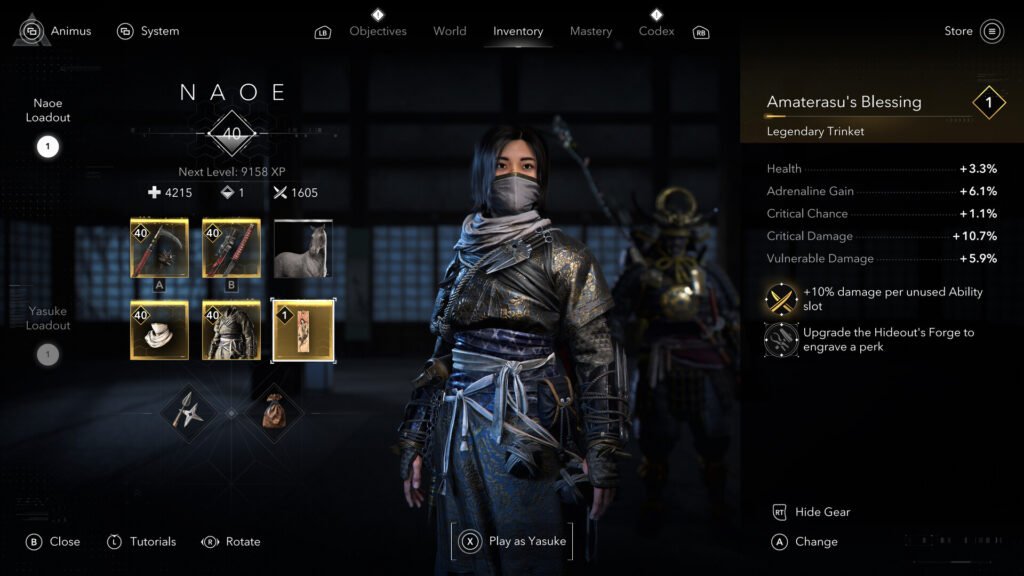
Where is the Creed
The most disappointing aspect for me, as a longtime fan, was how much the game sidelines the Assassins vs. Templars conflict. This is supposed to be the backbone of the entire franchise, but in Shadows, it feels like an afterthought. You spend so much time dealing with local politics and petty warlords that you almost forget you’re part of a centuries-old shadow war. Instead of a tight story about the Hidden Ones, we get a sprawling epic that loses the thread of its own identity. It lacks that conspiratorial bite that made the earlier games so addictive. It’s a great historical simulator, sure, but it’s a mediocre “Assassin’s Creed” game in the traditional sense.
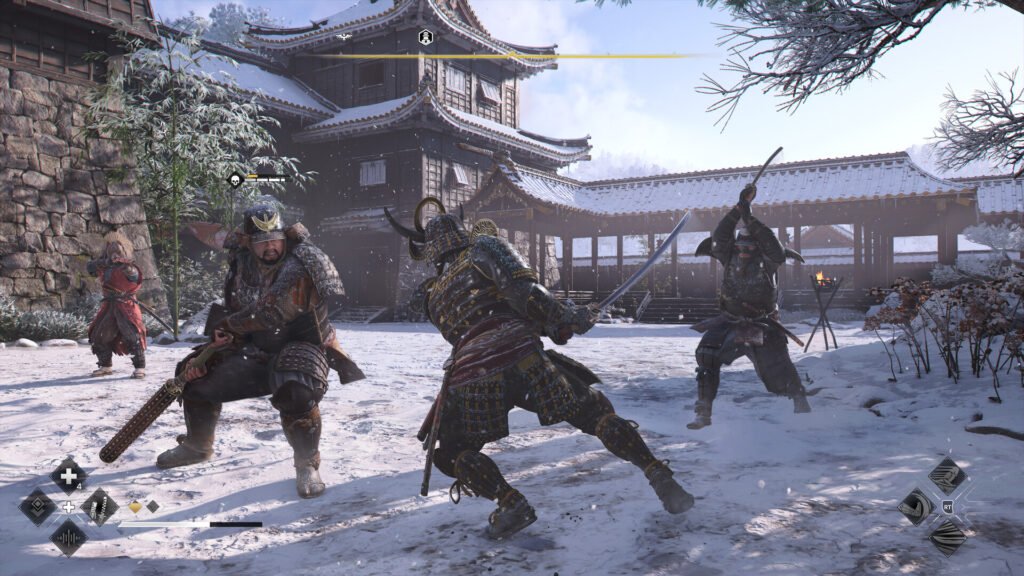
Then we have to talk about the Combat System. Somewhere along the way, Ubisoft decided that every action game needs to be a souls-like. While I love a good challenge, the combat in Shadows feels a bit too clunky and punishing for a game that used to be about fluidity and grace. The heavy emphasis on parry windows and stamina management feels out of place, especially when you’re playing as a shinobi. It’s frustrating because it feels like the game is trying to chase a trend rather than perfecting its own unique style of combat. It’s not that the fighting is bad—it’s actually quite technical—it just doesn’t feel like Assassin’s Creed.
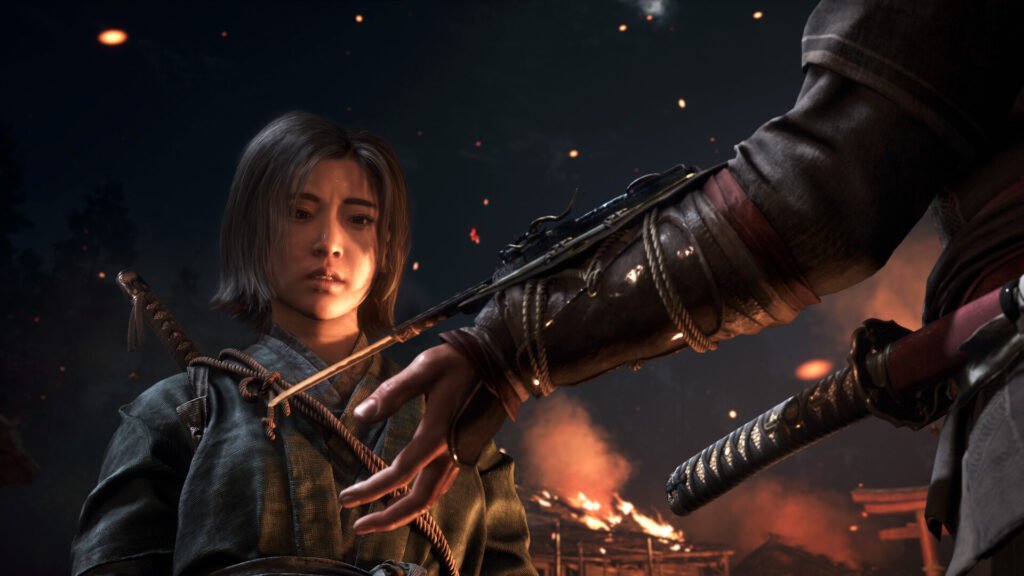
The Claws of Awaji DLC
After finishing the main campaign, I dove straight into the Claws of Awaji DLC, which takes us to a brand new island region that is honestly even more visually striking than the mainland. This expansion focuses heavily on a new weapon archetype—the Bo—which is basically a staff weapon, but adds a lot of Speed and Technqiue to the combat, with different stances that you can switch to on the fly. The story here feels a bit more personal and self-contained, which actually helps with the pacing issues that plagued the base game. It’s a dense, beautiful addition to the map that offers a few hours of high-quality content for those who haven’t quite reached their limit with the Ubisoft Formula. The new enemy types introduced on Awaji Island are surprisingly tough, requiring a more tactical approach to stealth than the standard guards you face in the main story. I especially enjoyed the way the Level Design on the island encourages using the environment to your advantage, with enemy ambushes and traps and a group that is hunting you this time around. While it doesn’t fix the core issues of the game feeling like a massive Checklist, the Claws of Awaji provides a concentrated dose of what the game does best: incredible Atmosphere and stylish action. If you enjoyed the base game’s loop, this is more of that, but with a sharper edge and a refreshing change of scenery that proves Ubisoft still knows how to craft a breathtaking environment. But why couldn’t the entire game be like this?