
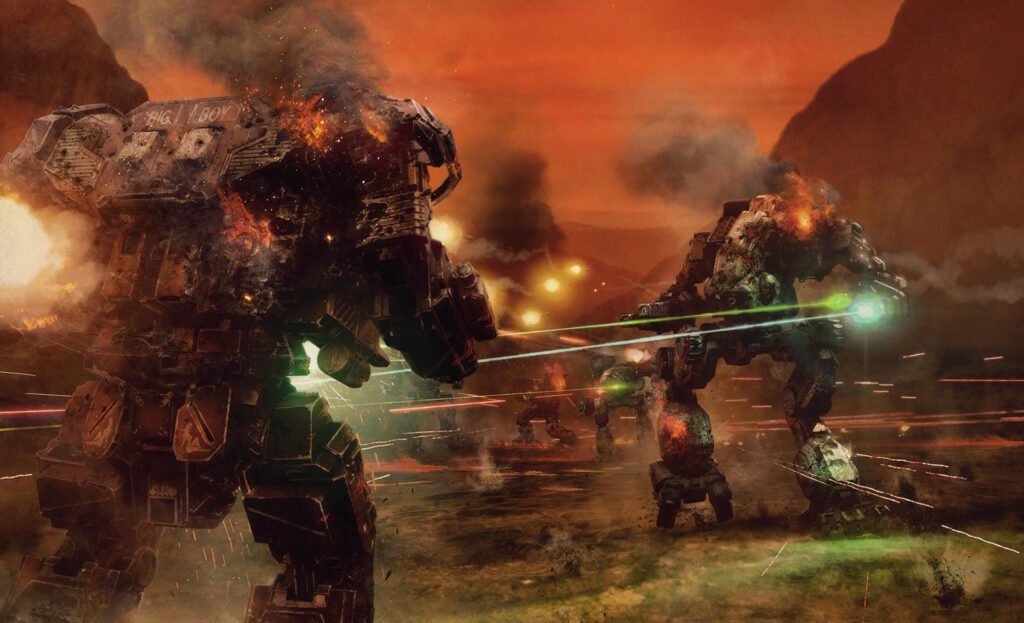

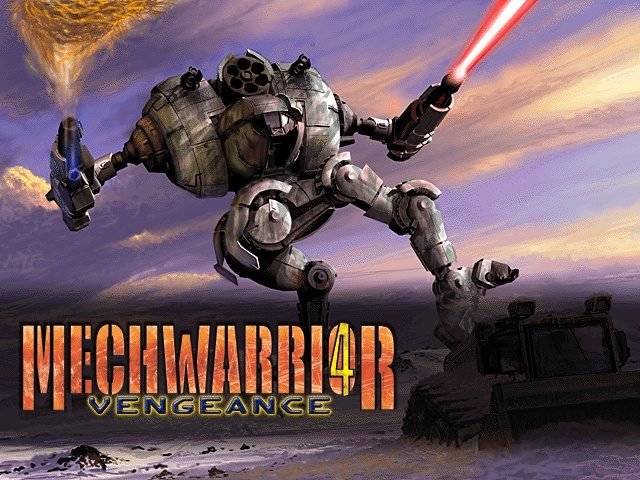
There is a very high chance your hard drive was vibrating under the weight of FASA Interactive and Microsoft’s absolute masterpiece: MechWarrior 4: Vengeance back in late 2000. It was a glorious time when simulator games didn’t require you to memorize a three-hundred-page manual just to start the engine, yet they still gave you the intoxicating feeling of piloting a walking, hundred-ton skyscraper armed with enough weapons to level a small country.
The BattleTech universe has always been vast and intimidating, filled with dense political lore, warring Great Houses, and complex military history. Previous entries in the franchise were brilliant but notoriously unforgiving. They behaved like true simulation games, demanding that players manage complex torso-twisting mechanics, individual leg throttles, and extreme heat management systems that could shut your giant robot down mid-fight. Then came MechWarrior 4: Vengeance, a title that decided to inject a massive dose of cinematic adrenaline into the formula without stripping away the soul of what made driving a BattleMech so incredibly cool.
A Story of Royal Betrayal and Heavy Metal Payback
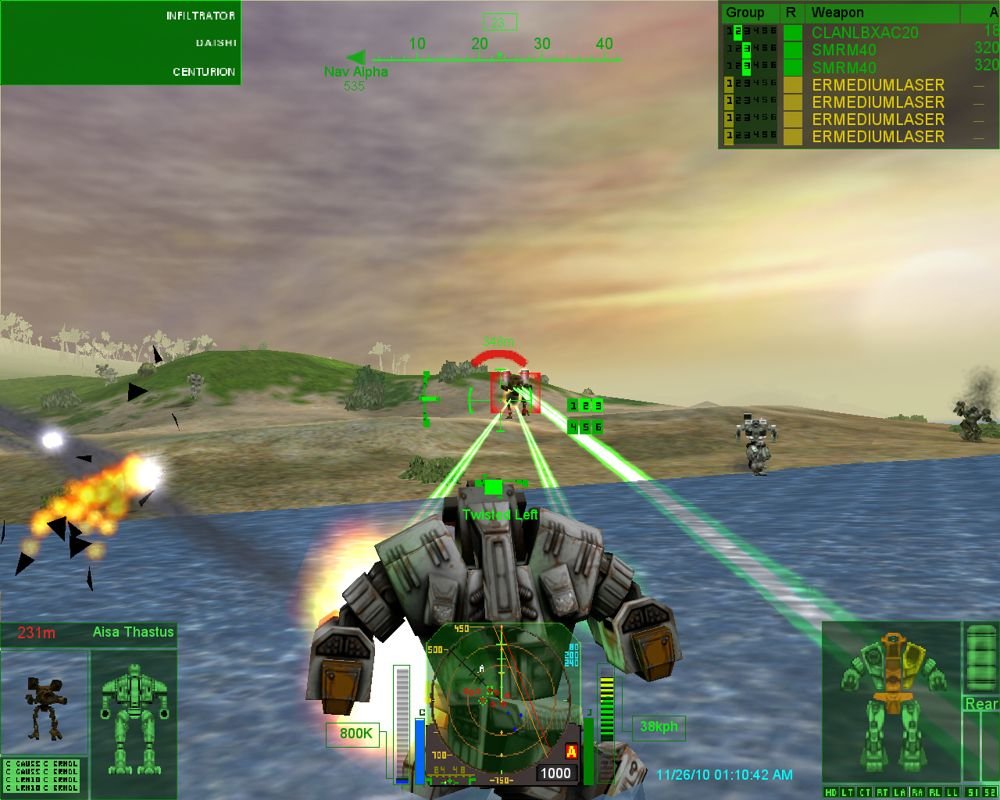
The narrative setup of the single-player campaign is pure, unadulterated sci-fi soap opera, and it works beautifully. You step into the cockpit as Ian Dresari, a nobleman and a military hero returning home to the planet Kentares IV after fighting in the brutal Clan Wars. Instead of a grand parade, you find your home planet under the iron fist of an oppressive occupation. Your power-hungry cousin, William Dresari, has betrayed the family, aligned himself with the ruthless Katherine “Katrina” Steiner of the Lyran Alliance, and orchestrated a surprise attack that left your father and most of your royal family dead.
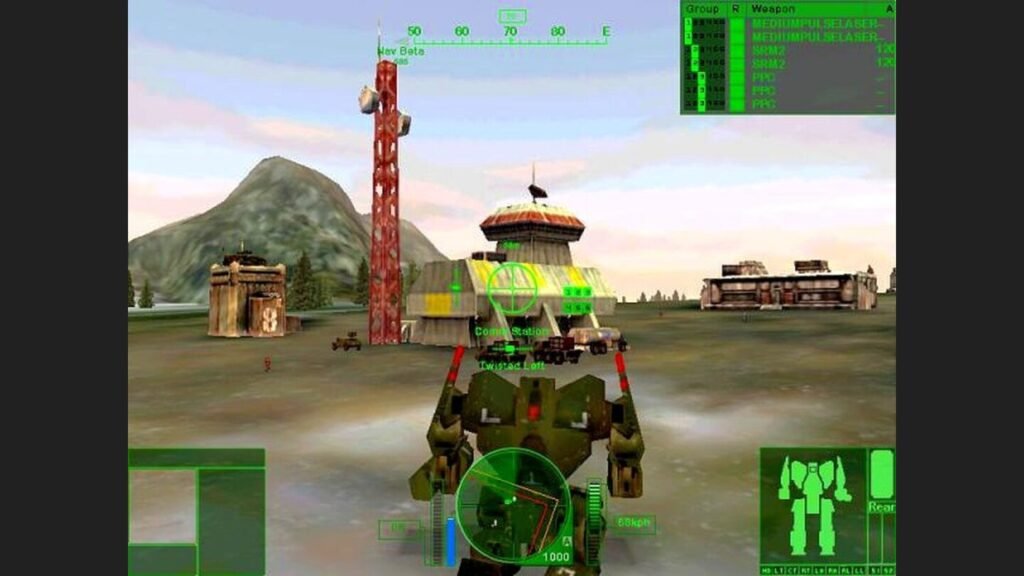
You start out with absolutely nothing but a handful of loyal freedom fighters, a few rusty war machines, and a burning desire to put a particle projection cannon shell right through your cousin’s cockpit window. The campaign spans twenty-six brilliantly designed missions across seven unique environments, stretching from desolate polar tundras and dense alien forests to highly destructible urban cityscapes. The game keeps you hooked by doling out precious salvage from fallen foes after every successful operation, turning the campaign into an addictive loop of conquering enemies and stripping their hulls for better weapons and bigger chassis.
The Beautiful Chaos of the Mech Lab
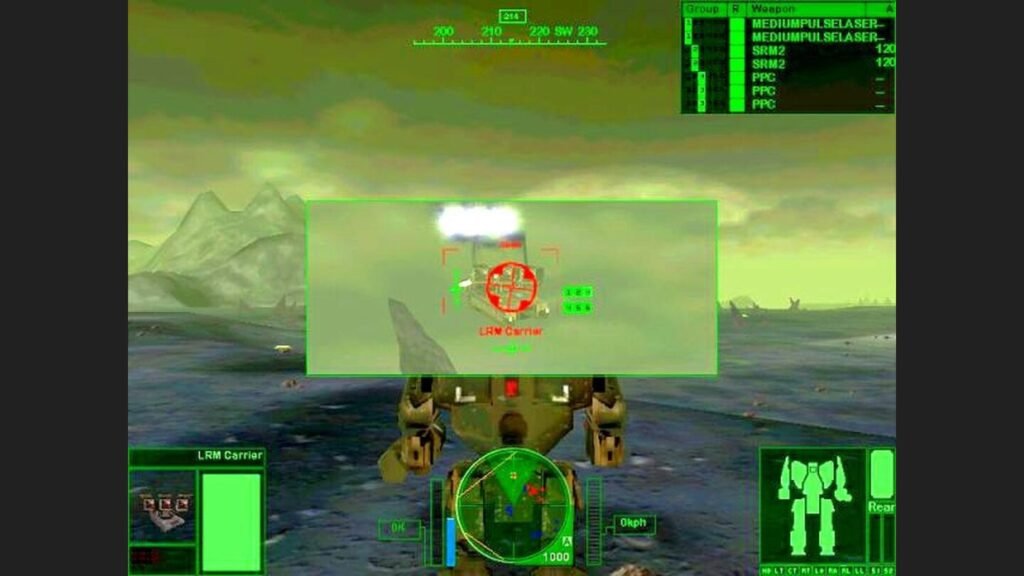
One of the most fiercely debated aspects of MechWarrior 4: Vengeance was its revamped Mech Lab. Purists who grew up on the spreadsheets of MechWarrior 3 were shocked to find a streamlined slot system. Instead of allowing you to stuff any weapon into any available open space on your robot’s chassis, Vengeance introduced dedicated hardpoints restricted by size and type, meaning energy weapons, ballistics, and missiles all had their own specific slots.
While some hardcore fans cried foul over the loss of total customization freedom, this design choice was actually a stroke of genius. It gave every single machine a unique personality and combat role. You couldn’t just turn every robot into an identical, optimized laser boat anymore. If you wanted to pilot a swift Mad Cat, you had to respect its specific hardpoint configuration. Designing your loadout became a fun puzzle of balancing armor thickness, engine speed, heat sinks, and a devastating arsenal of autocannons, long-range missile racks, and heavy lasers. Hearing the computerized voice declare your customized machine fully operational before dropping into a hot zone remains a core memory for an entire generation of PC gamers.
Heavy Tactical Mechanics Wrapped in Action Clothing
Make no mistake, even with the slightly more accessible control scheme, combat in MechWarrior 4: Vengeance was intensely tactical. You couldn’t just run into a field and hold down the fire button. Manage your weapons poorly, and your machine would overheat, leaving you completely stationary and defenseless as your reactor tried to cool down.
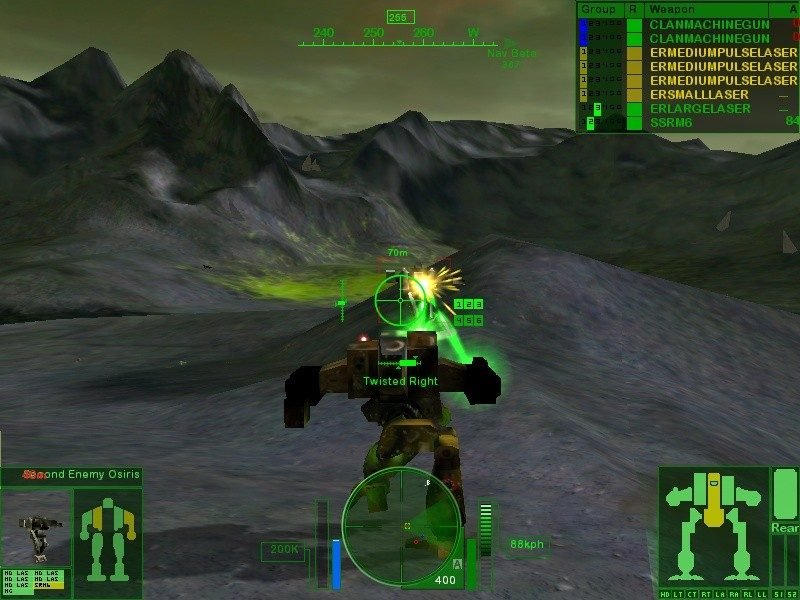
The locational damage model meant you had to actively shield your damaged components. If your right torso was flashing red, you had to physically twist your top half away from incoming fire, using your fresher left side as a makeshift shield. You also had to manage your lancemates, a crew of unique AI pilots you could command via basic tactical orders to cover your flanks or focus fire on high-priority targets. The sense of scale was magnificent; stepping on a civilian tank and watching it pop beneath your massive mechanical feet, or trading salvos with an enemy Atlas while skyscraper windows shattered around you, delivered a visceral thrill that few games since have managed to capture. It remains a timeless high-water mark for the mecha genre.