
It is hard to explain to modern gamers what it felt like to step into the world of Vana’diel for the first time back in 2002. There were no flashing yellow exclamation points hovering over NPCs. There was no mini-map guiding you smoothly to your next objective. There was only a massive, beautifully scored, and aggressively hostile fantasy world that didn’t care if you lived or died. Final Fantasy XI was a monumental gamble for Square Enix. Bringing a historically single-player, story-driven franchise into the fledgling world of massive multiplayer online role-playing games seemed like madness, especially given the technical hurdles of the PlayStation 2 online adapter. Yet, against all odds, it became an absolute masterpiece of community-driven design, leaving a lasting scar of nostalgia on anyone brave enough to set foot in San d’Oria, Bastok, or Windurst.
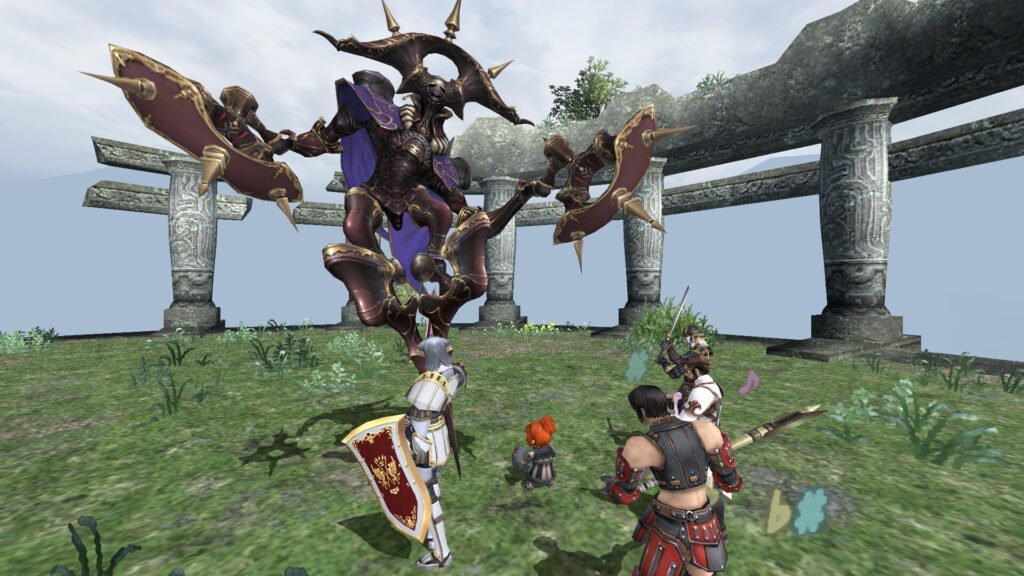
To understand the magic of this era, you have to understand the philosophy of early MMO design. Game developers back then didn’t design games to respect your time; they designed games to absorb your life. Final Fantasy XI took this concept to a beautiful extreme. From the moment you created your character—whether you chose a stout Galka, a nimble Mithra, a balanced Hume, an intellectual Tarutaru, or an elegant Elvaan—you were immediately aware of your own insignificance. The starter zones were filled with innocent-looking creatures like Crawlers and Wild Rabbits that could, and frequently would, murder an unprepared adventurer. If you died, you didn’t just walk back to your corpse with a slight armor degradation penalty. You lost hard-earned experience points. Lose enough points, and you would actually de-level, watching hours of progress evaporate into the digital ether. It was brutal, it was unforgiving, and it was utterly brilliant because it made every single victory feel like a monumental triumph.
The Tyranny and Triumph of the Valkurm Dunes
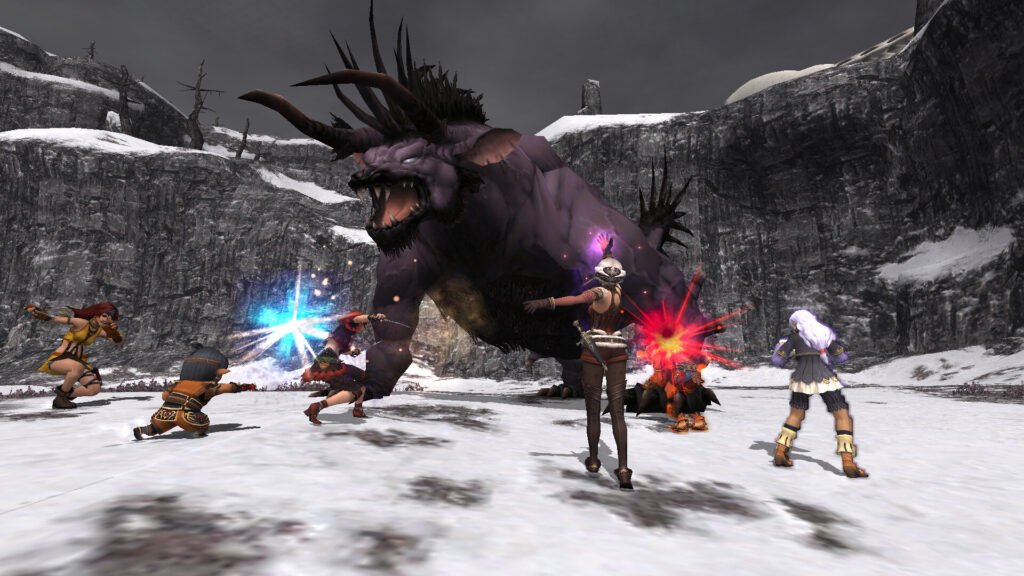
If you ask any veteran player about their most vivid memory of the game, they will almost certainly shudder and mention the Valkurm Dunes. Because solo play became virtually impossible past level ten, players were forced to congregate in this sun-bleached desert to form six-person parties. The Dunes became a cultural rite of passage, a chaotic crucible where players learned the intricate mechanics that governed Vana’diel. This was where you learned the absolute necessity of the Skillchain and Magic Burst systems, mechanics that required immaculate, split-second coordination between physical fighters and mages to maximize damage.
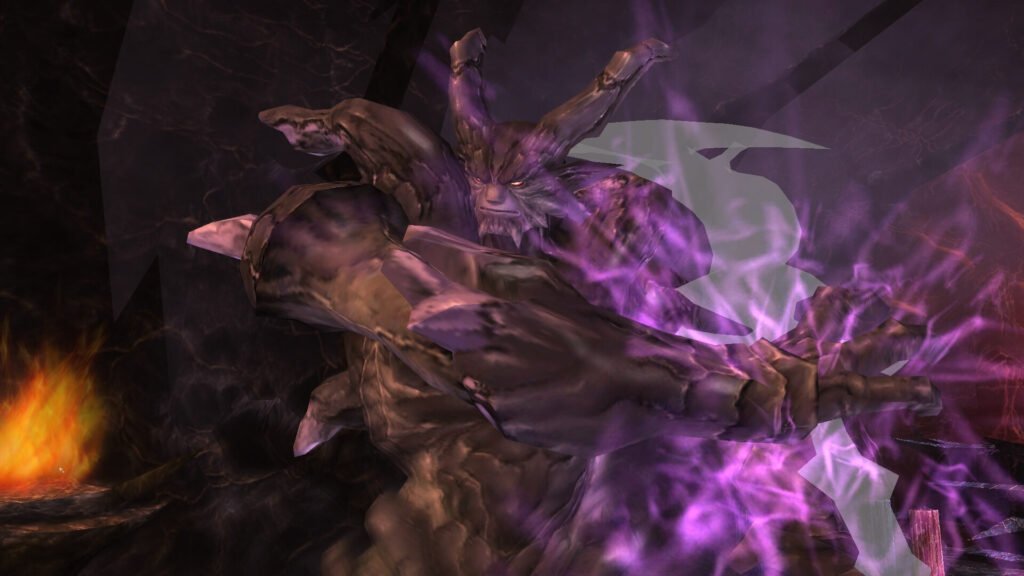
Waiting for a party in the Dunes could take hours. You would sit on the beach, flag active, praying for an invite while chatting with fellow stranded players. This forced downtime, which modern game design would view as a catastrophic flaw, was actually the secret ingredient to the game’s unparalleled community. You talked. You made friends. You shared rumors about hidden quests or mysterious notorious monsters. And when you finally did get a group, the tension was palpable. A single pulled monster could link with another, leading to a “party wipe.” Watching a train of aggressive Goblins sprint toward the zone line while players screamed warnings in the chat font was a daily occurrence. The shared trauma of surviving the Dunes bonded the player base in a way that modern matchmaking queues simply cannot replicate.
A World Shaped by True Interdependence
What truly set this game apart from its contemporaries, and certainly from the MMOs that followed it, was its uncompromising dedication to interdependence. You could not survive alone, and the game’s economy and progression systems reflected that at every turn. Crafting wasn’t a side hobby; it was a grueling, expensive career path that provided vital equipment and food consumables, like the legendary Mithkabobs, which were practically mandatory for party efficiency. The auction houses were localized, meaning prices fluctuated wildly between cities, turning the long, dangerous runs between nations into emergent merchant trading routes.
This reliance on others extended deep into the game’s revolutionary Job System. Borrowing heavily from classic Final Fantasy lore, players could swap between jobs at will in their Mog Houses. Want to play a White Mage today and a Thief tomorrow? You could do that on a single character. But the real game-changer was the Support Job system, unlocked through a grueling quest that usually involved begging high-level players for help. This allowed you to sub-class another job at half your main level, creating iconic combinations like the Ninja/Warrior tank who blinked through damage, or the Red Mage/Black Mage engine of endless utility. The depth of theory-crafting was staggering, and because certain jobs were essential for specific endgame content, your reputation on your server mattered immensely. If you were a toxic player or an unreliable tank, word spread quickly through the localized server communities, and you would find yourself completely ostracized. Accountability bred a culture of helpfulness and respect.
The Endless Horizon of Grand Adventures
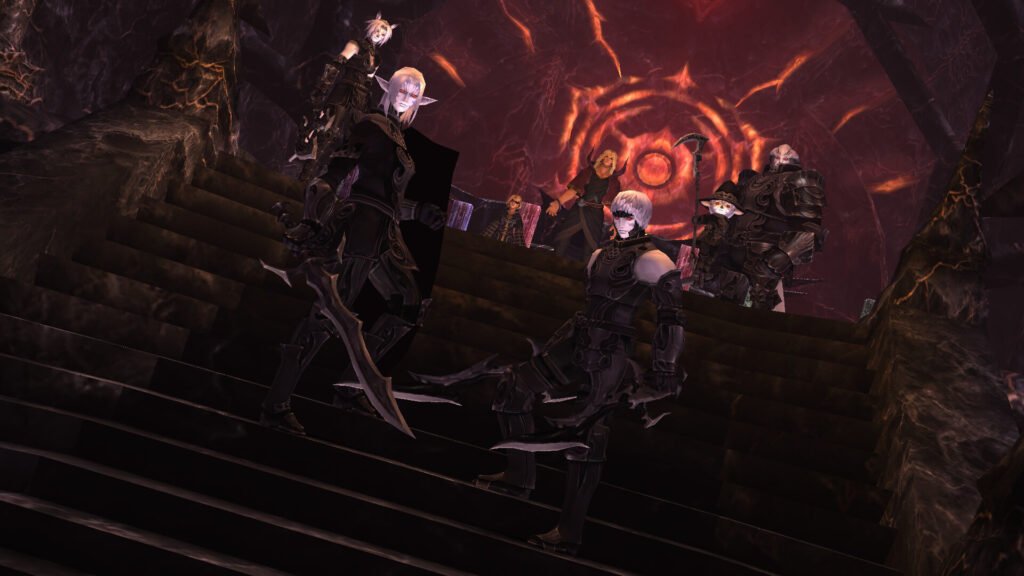
The narrative structure of Vana’diel was another marvel. Unlike modern titles where the story is spoon-fed to you through linear campaign chapters, narrative progression in this world was an achievement earned through blood, sweat, and tears. Advancing your Rank in your home nation required conquering treacherous dungeons and defeating massive bosses that required full alliances of eighteen players. When expansions like Rise of the Zilart and the legendary Chains of Promathia dropped, they introduced storylines that are still considered by many purists to be the finest narratives in the entire Final Fantasy franchise.
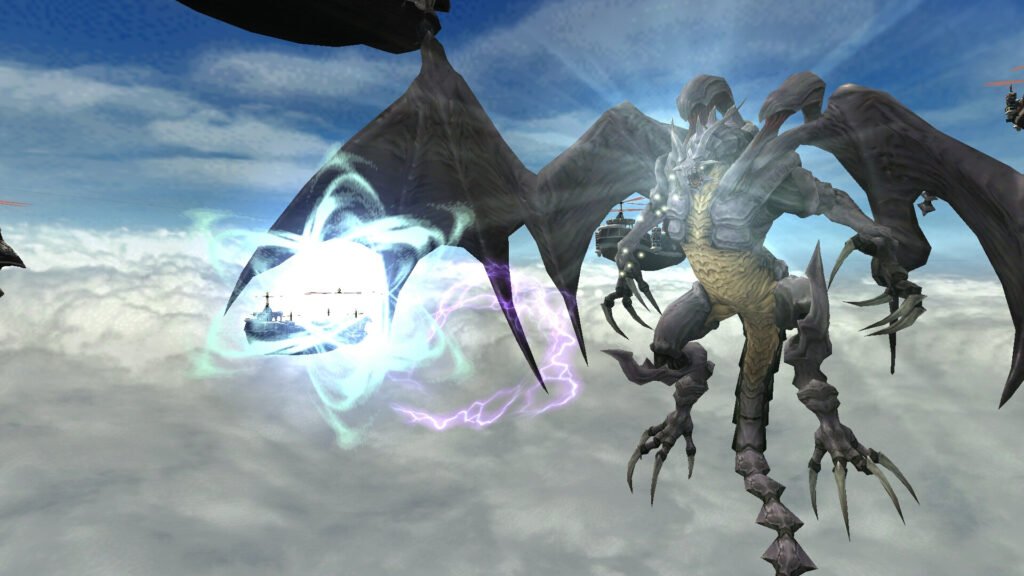
But accessing that story was a monumental task. Chains of Promathia, in particular, capped player levels for specific zones, forcing veterans to reassess their gear and strategy to overcome notoriously difficult fights like the Promyvion spires or the infamous Airship battle. Completing these missions wasn’t just about watching a cutscene; it was a badge of honor. Standing in the endgame hub of Jeuno sporting a piece of gear that proved you had conquered Promathia made you a literal celebrity on your server. The game didn’t hand out participation trophies; it demanded your absolute best, and because the mountain was so high to climb, the view from the top was breathtaking.
An Echo in the Mists of Time
As the gaming landscape shifted toward the casual-friendly design popularized by World of Warcraft, the uncompromising, slow-paced nature of Vana’diel began to fade into a niche corner of history. The game eventually evolved, introducing quality-of-life adjustments, the Trust system to allow solo play with AI companions, and accelerated experience gains to accommodate an aging player base that no longer had twelve hours a day to spend waiting for a party.
Yet, for those who lived through its golden age, the current era of hyper-convenience feels a little hollow. We miss the terror of hearing the aggro sound effect while sneaking through the Jungles of Elshimo. We miss the joy of a perfect skillchain timing. We miss the genuine, unbreakable friendships forged while sitting around a digital campfire waiting for the ferry to take us from Mhaura to Selbina. Final Fantasy XI was an era of digital wilderness that we will likely never see again, a beautiful, brutal epoch where the world felt infinitely large, and our companions were the only light keeping the darkness at bay. It wasn’t just a game; it was a home, and its melody still echoes in the hearts of every adventurer who ever called Vana’diel their own.