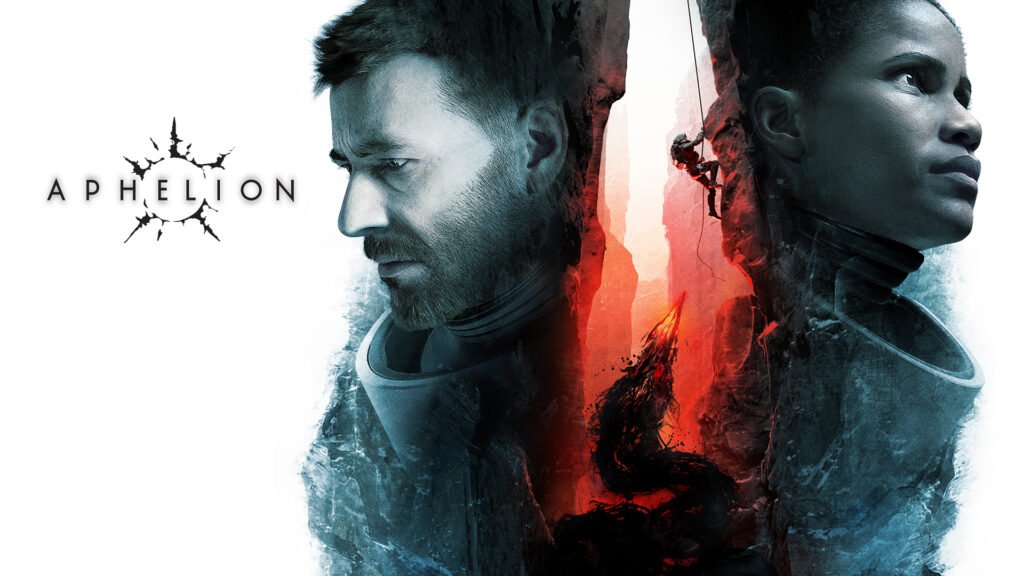

When you think of the development studio Don’t Nod, your mind probably drifts toward the emotional, choice-heavy narrative paths of Life is Strange or the quiet, meditative vertical world of Jusant. They are a studio famous for pulling at your heartstrings and letting you move at your own pace. However, their latest project takes a sharp turn into the freezing, unforgiving void of deep space. Say hello to Aphelion, a cinematic, third-person action-adventure that drops players right onto the edge of the solar system and refuses to hand out any blankets.
The year is 2060, and Earth is rapidly sliding into a state of total environmental collapse. Humanity needs a backup plan, and they need it fast. That is where Persephone comes in. It is a newly discovered, massively icy ninth planet sitting on the outermost fringes of our solar system. The European Space Agency greenlights the Hope-01 mission, sending two top-tier astronauts, Ariane Montclair and Thomas Cross, to scout this frozen rock and figure out if humans can actually build a life there. Naturally, because this is a video game, things go sideways almost immediately. Their ship crash-lands, scattering our two protagonists across a brutal, shifting landscape of ice, snow, and reality-bending anomalies.
Two Heroes, Two Distinct Playstyles
What makes the game immediately intriguing is how it splits your time between its two main characters. Instead of giving both astronauts the same exact skill set, the developers decided to craft a dual-perspective survival experience where the gameplay mirrors the characters’ physical states.
You spend a massive chunk of your time controlling Ariane. She emerged from the crash physically intact, meaning her segments of the game are packed with high-stakes parkour gameplay. Armed with tools like a grappling hook, an oxygen tank, and a high-tech navigational tool called the Pathfinder, Ariane is the muscle and momentum of the duo. Her levels have you sliding down steep glacial inclines, leaping across massive chasms, and scaling treacherous walls of melting ice. The movement feels heavy and grounded, emphasizing the realistic dangers of near-future space exploration.
Thomas, on the other hand, is severely injured during the crash landing. Because he cannot exactly go full Lara Croft across the ice caps, his segments shift the game into a slower, more methodical resourceful investigation style. When you play as Thomas, the focus shifts to environmental observation, solving puzzles, hacking systems, and piecing together data logs left behind by a mysterious previous expedition. It is a smart narrative trick that makes you feel the vulnerability of being stranded on an alien world.
The Terror in the Noise
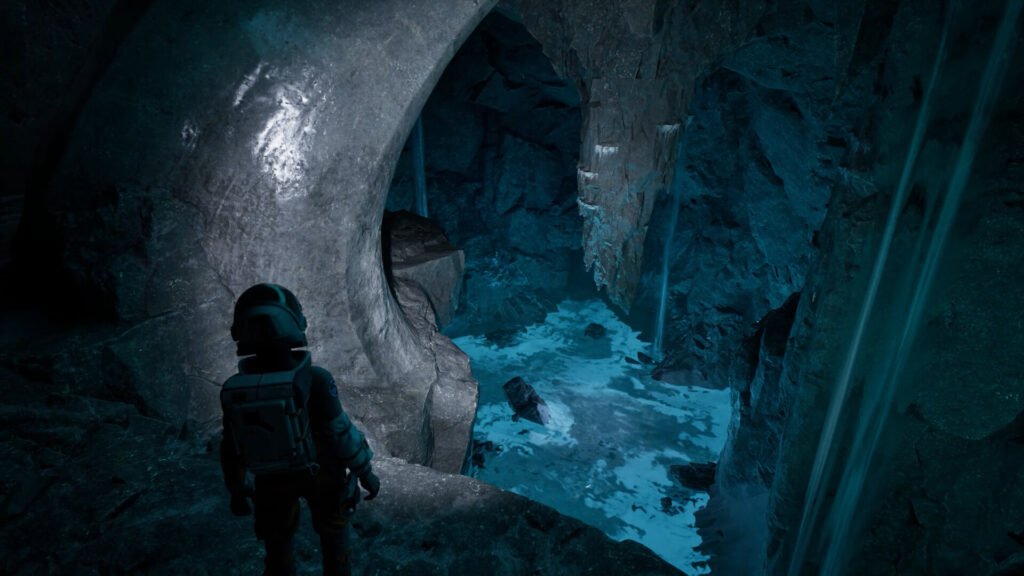
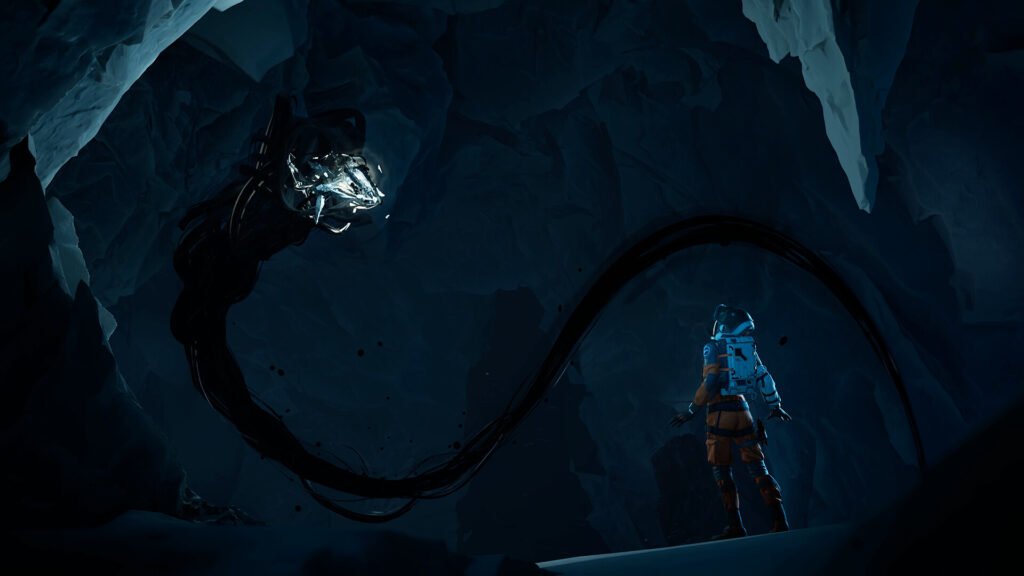
Just surviving the frozen elements and the collapsing terrain would be tough enough, but Aphelion quickly introduces another major problem. You are absolutely not alone on Persephone. Lurking within the blizzards and subterranean ice caves is a hostile, terrifying alien entity known simply as the Nemesis.
The Nemesis behaves like a cross between a living collective of floating shards and a localized electromagnetic storm. It completely messes with your electronic equipment, making your screen flicker and warp whenever it gets close. Taking a clear cue from games like Alien: Isolation, the encounters with this creature shift the game into a tense stealth-based sequence.
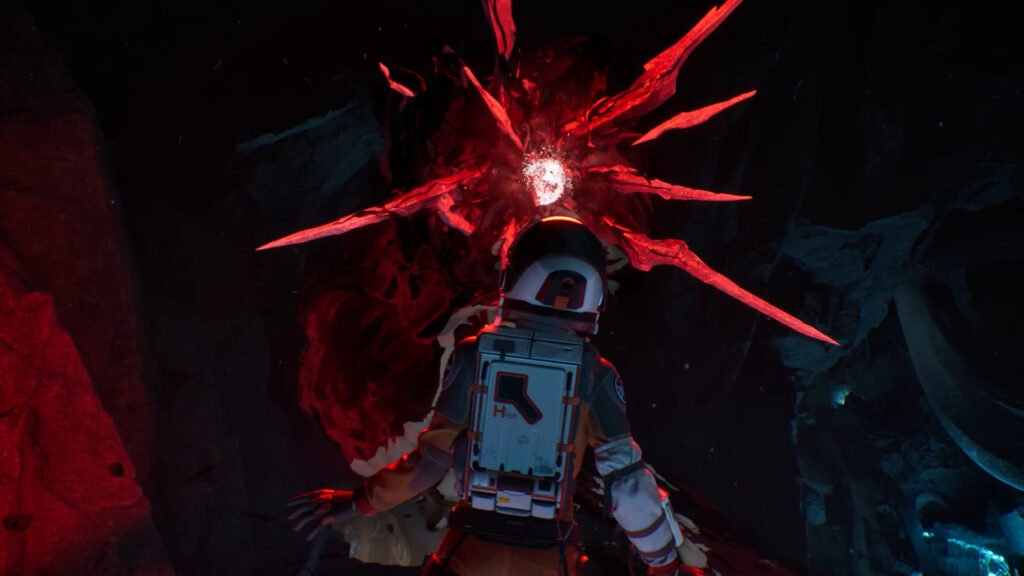
The catch here is that the Nemesis is entirely blind; it hunts exclusively by sound. When the creature enters the area, the pace slows to an absolute crawl. You have to carefully crouch-walk across the environment, avoiding breaking frozen icicles or stepping too heavily on thin, cracking ice. You can throw objects to create audio distractions, tricking the alien into checking out a distant corner while you slip through a doorway. These stealth segments are genuinely stressful, adding a thick layer of dread to an already melancholic atmosphere.
A Beautiful but Bumpy Landing
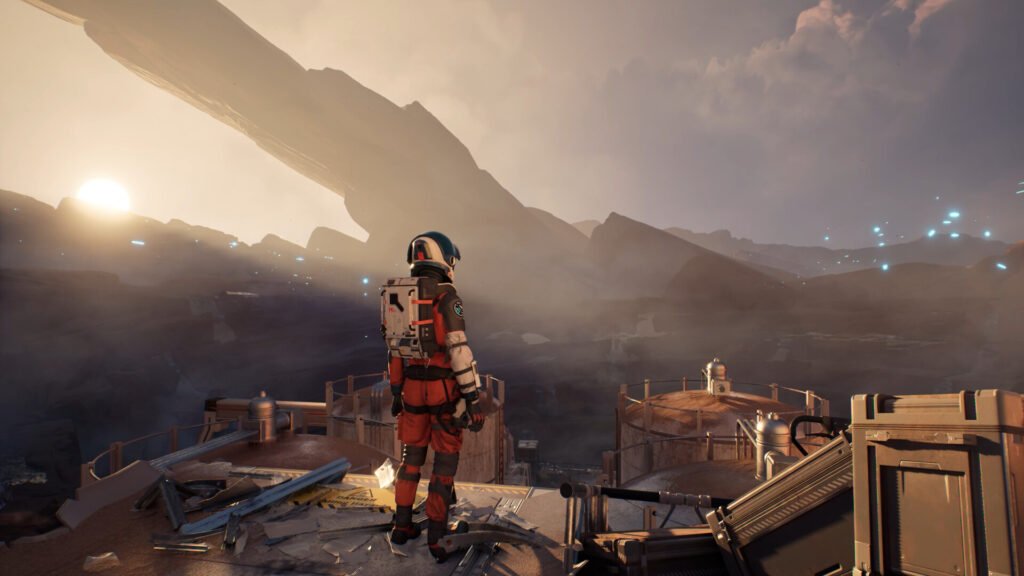
Visually, the game is a stunning showcase for Unreal Engine 5. The team worked directly with the European Space Agency to design realistic spacesuits and equipment, and that attention to detail shines through. The planet Persephone is a beautiful nightmare. You will gaze out over massive icy plains where alien winds have carved frozen shards into impossible, jagged shapes. At certain points, you can toggle Ariane’s visor to scan for magnetic energy fields, filling the air with gorgeous, flowing currents of ethereal blues and deep reds. Combined with a haunting, melancholic musical score, the game nails its isolated, sci-fi tone.
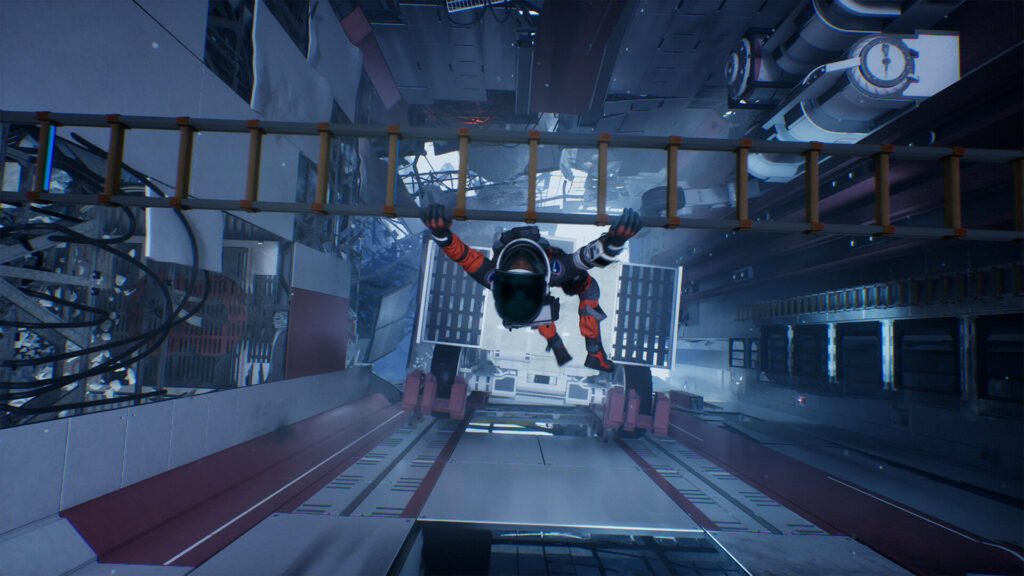
That said, the reception since its launch has been a bit of a mixed bag among fans and critics alike. While everyone seems to love the atmosphere and the emotional bond between Ariane and Thomas, the mechanical execution can sometimes feel a bit unpolished. The jumping and grappling mechanics can occasionally feel heavy and unresponsive, leading to frustrating moments where a missed ledge sends you tumbling into the abyss. Furthermore, the final chapters of the game double down heavily on the stealth sequences, which some players feel bogs down the pacing just as the story is reaching its emotional peak.
Even with those rough edges, Aphelion stands out as a fascinating experiment. It is a mid-budget sci-fi adventure that prioritizes atmosphere, relationship drama, and environmental tension over endless gunfights and explosions. If you love hard sci-fi films like Interstellar or Arrival, and you do not mind fighting a clunky jump button every now and then, this icy trek into the unknown is well worth a look.