
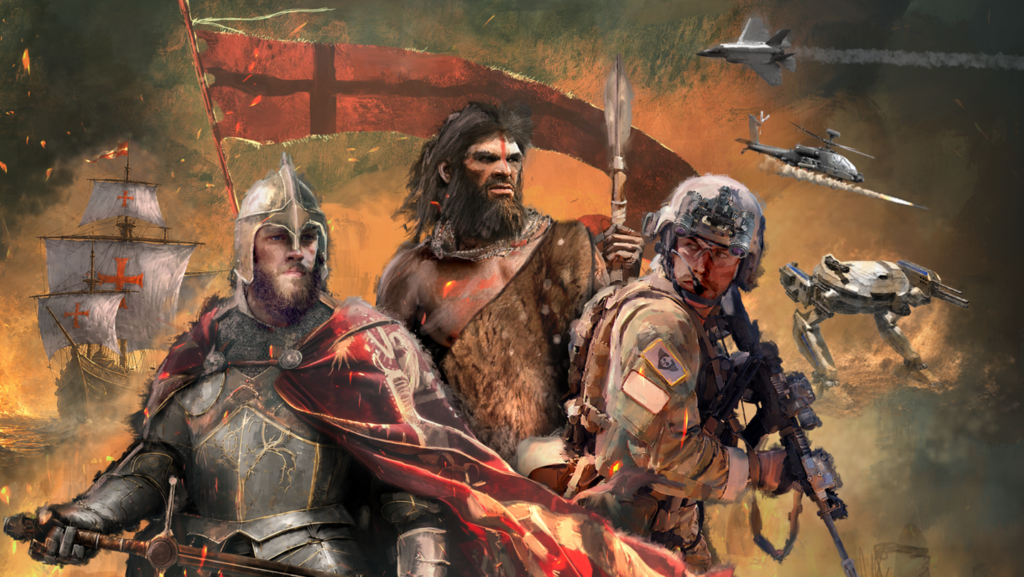

If you have spent the last decade staring longingly at your old discs of Empire Earth or Rise of Nations, wondering why nobody makes massive, epoch-spanning real-time strategy games anymore, you can finally breathe a sigh of relief. The legendary publishers at MicroProse have teamed up with the passionate developers over at EPO Games to bring us a massive love letter to classic strategy gaming. Originally known to internet sleuths as Empire Eternal, the game has undergone a grand rebranding and is now marching toward our PCs under the glorious banner of Imperium Eternal.
This is going to be a sprawling, ambitious monster of a game where all of human history is quite literally at your command. The team is aiming for a scale that feels genuinely refreshing in the modern gaming landscape, combining nostalgic gameplay loops with current-gen technology. Here is a deep dive into what makes this upcoming title a must-watch for anyone who loves commanding armies and building empires.
Walking Through Twenty Eras of Human Evolution
The core hook of Imperium Eternal is beautifully absurd. You do not just pick a faction and stay stuck in a single time period. Instead, you guide your chosen civilization through a staggering 20 distinct eras of human history.
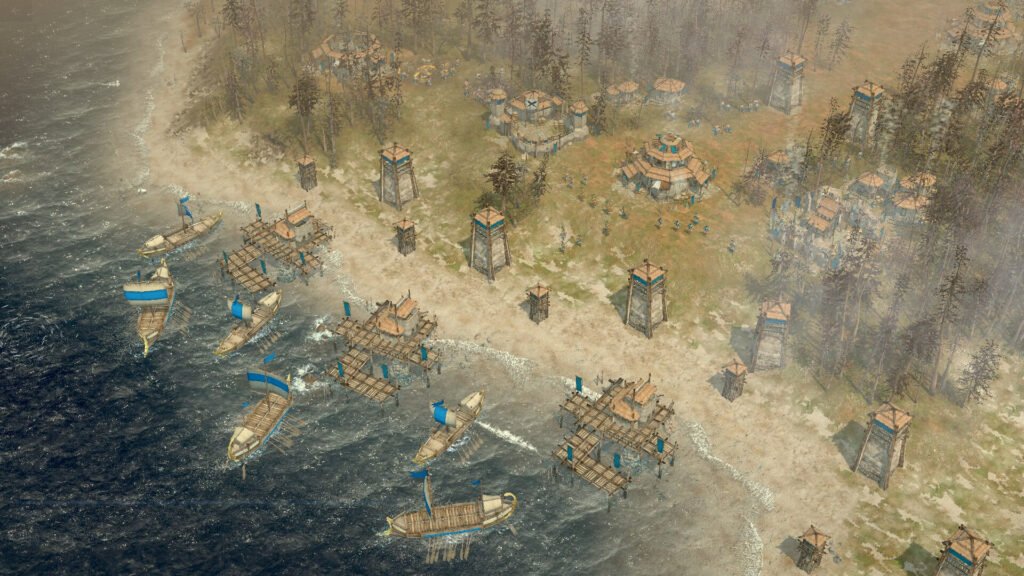
Imagine starting a match in a primitive world where your biggest technological breakthrough is a sharpened rock tied to a stick. You gather resources, establish a safe zone, and eventually advance into the Bronze Age. Suddenly, those stone clubs turn into gleaming swords, and your mud huts transform into fortified towns.
But the progression does not stop there. You will push your society through the medieval period, navigate the introduction of gunpowder, march through modern industrial warfare, and eventually break through into a futuristic era filled with technological marvels that stretch beyond our current imagination. Watching your tiny settlement organically evolve over thousands of fictional years is a massive dopamine hit that classic RTS fans have been starving for.
Tri-Dimensional Warfare Across Land Sea and Air
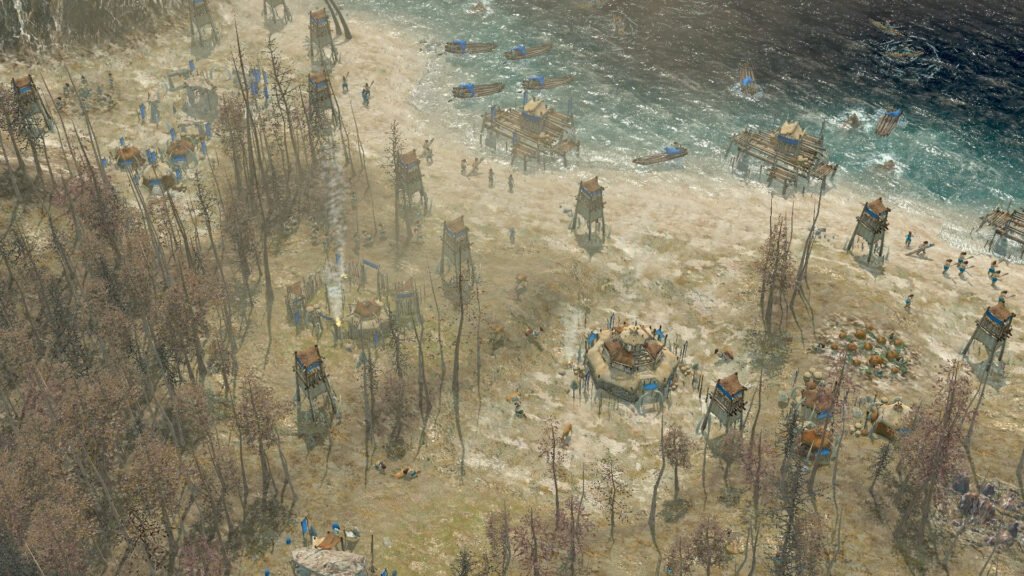
A lot of modern strategy games tend to pick a lane. They either focus entirely on tight ground skirmishes or relegate naval combat to a minor sideshow. EPO Games is tossing that philosophy out the window. In Imperium Eternal, true dominance requires you to master land, sea, and air combat simultaneously.
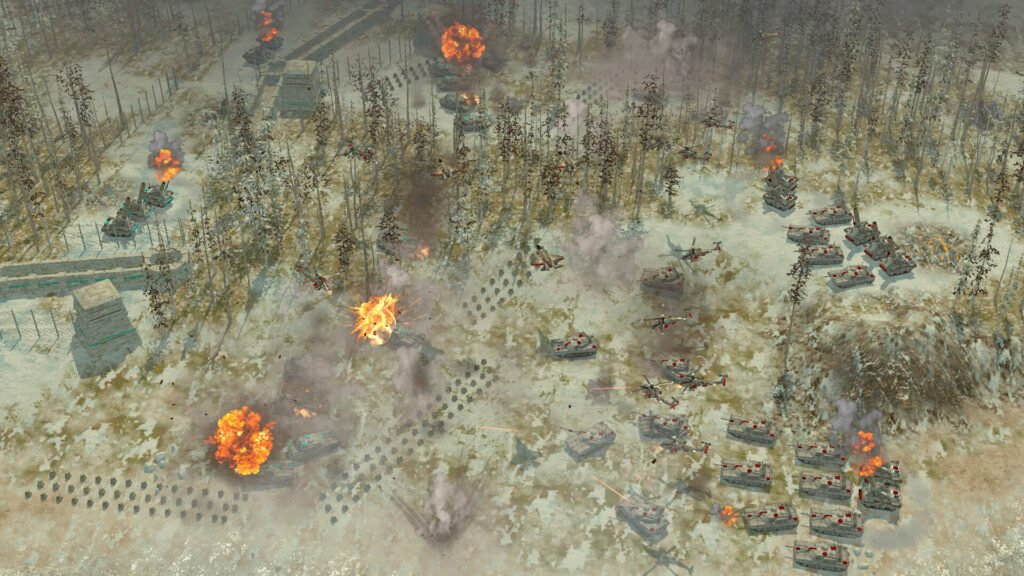
Your armies will need to be perfectly balanced to survive. On the ground, you will be managing classic infantry lines and cavalry charges in the early game, which eventually give way to heavily armored tanks and artillery divisions. On the water, you will construct massive fleets of warships, submarines, and transport vessels to control vital trade routes.
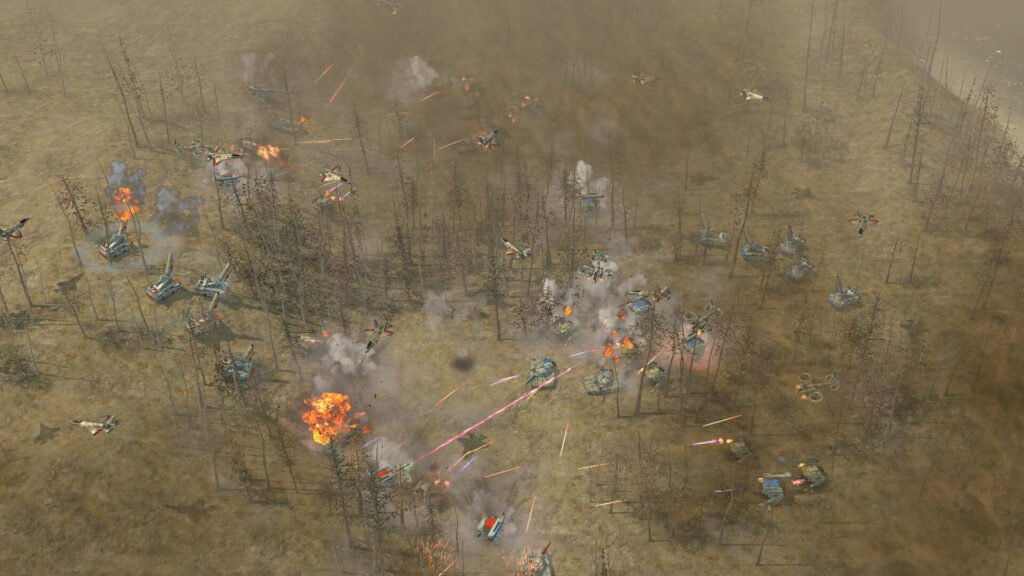
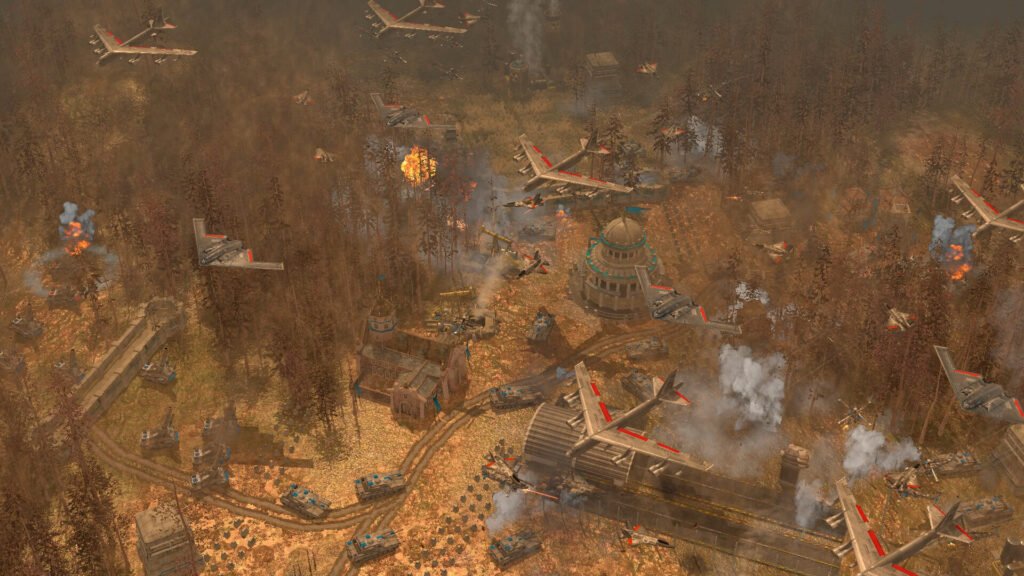
Once your civilization hits the mid-to-late eras, the sky becomes an entirely new theater of war. You will build dedicated airports to deploy fighter jets, heavy bombers, and transport planes to strike deep behind enemy lines. If you leave your airspace unprotected while focusing entirely on your front-line tanks, you will quickly find your beautifully optimized economy reduced to smoldering rubble.
True Tactical Control and Non-Automated Combat
One of the biggest complaints leveled against modern strategy titles is that the units often feel like they are playing the game for you. You attack-move a giant blob of soldiers into another giant blob of soldiers and watch the colorful numbers fly. The developers at EPO Games are taking a stand against the “blob meta” with their freshly redesigned massive combat system.
According to recent development updates, the combat engine is designed to function identically whether you are managing a three-man scouting party or a chaotic clash featuring hundreds of units on screen. The goal here is battlefield readability and total player control.
Instead of letting units mindlessly scramble into a mosh pit, you act as a genuine commander. You can actively drag and reshape troop formations on the fly, deciding whether your soldiers should hold a tight defensive square or spread out into a wide line. You have to actively think about which units belong on the front line, how to protect your squishy long-range riflemen, and how to maneuver cavalry around the flanks without getting them tangled up in your own advancing infantry lines. It is a system that rewards careful tactical placement over raw clicking speed.
Intimate Melee Mechanics and Dynamic Sieges
While the grand scale of the game is impressive, the up-close details are where Imperium Eternal gets incredibly fun. The game features an active, highly physical melee combat system that brings a unique flavor to early-era sieges.
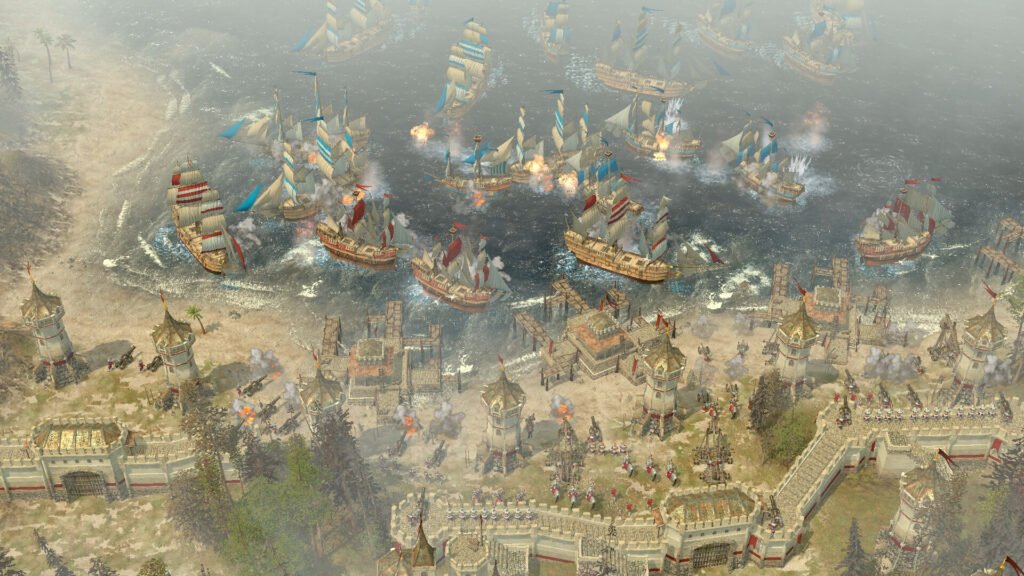
When you assault an enemy fortress, your infantry units do not just stand at the base of a wall and hack at the stone with swords until a health bar empties. Instead, troops can actively climb castle walls to engage defenders directly on the battlements.
This dynamic physics-based interaction extends to naval warfare as well. If your fleet manages to pull alongside an enemy vessel, your sailors can literally jump on board enemy ships to initiate a vicious, deck-to-deck boarding action. It adds an intense layer of cinematic drama to the classic RTS formula, making every base assault feel like an epic historical movie sequence.
The Pillars of Strategy: Base Building and Economy
At its heart, Imperium Eternal remains fiercely loyal to the golden trifecta of old-school PC gaming: base building, resource management, and defensive architecture. Your journey always begins at the Town Center, which acts as the beating heart of your empire, producing the citizens needed to jumpstart your economy.
You will need to carefully place storage buildings near patches of forests, fertile farmlands, and mineral mines to ensure your workers are harvesting food, wood, and stone efficiently. Protecting these economic hubs is paramount, as an enemy raid on your supply lines can instantly cripple your war effort.
The game also puts a heavy emphasis on structural defense. You can weave complex layouts of walls and fences to completely block off choke points and channel enemy forces into deadly kill zones. Pairing these walls with strategically placed defensive towers allows you to secure your borders and expand your territory safely.
Furthermore, the game handles structural removal in a fascinating way. Buildings cannot simply be deleted into thin air by the player; they can only be destroyed by enemy action. If you want to redesign your city layout, you have to actively dismantle your structures, which returns a portion of the resources but leaves behind physical rubble that must be cleared out before you can build on that plot of land again.
A True Sandbox Built to Endure
MicroProse and EPO Games are clearly building an RTS meant to be played for years to come. Alongside a massive, story-driven single-player campaign and intensely competitive multiplayer modes, the game is launching with robust modding support. Players will have access to powerful tools to create custom maps, design unique units, and write their own historical scenarios.
The game has already built a incredibly passionate community under its previous name, and this new era of development under MicroProse is making it look sharper, cleaner, and more strategic than ever. It is an uncompromised, complex PC strategy experience that refuses to water itself down for a casual audience. Be sure to head over to Steam and add Imperium Eternal to your wishlist right now so you do not miss a single devlog on its road to release.