
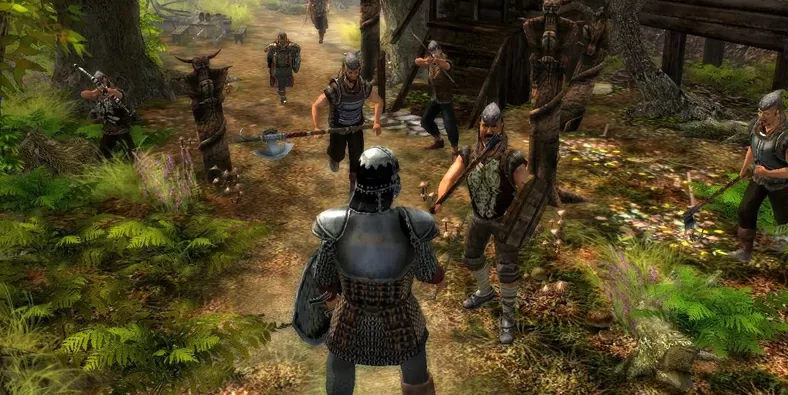

Release Date: 19 October 2007 Developer: Burut CT
Long before The Witcher popularized gritty, choice-heavy European role-playing games globally, a wave of highly ambitious titles was quietly pushing boundaries from the East. One of the most fascinating artifacts of this era is Hard to be a God, a 2007 action RPG developed by Russian studio Burut CT and published by Akella. Based on the seminal 1964 science fiction novel by Arkady and Boris Strugatsky—the same minds behind the book that inspired the S.T.A.L.K.E.R. series—this game delivers a premise that feels entirely distinct from your run-of-the-mill fantasy adventure.
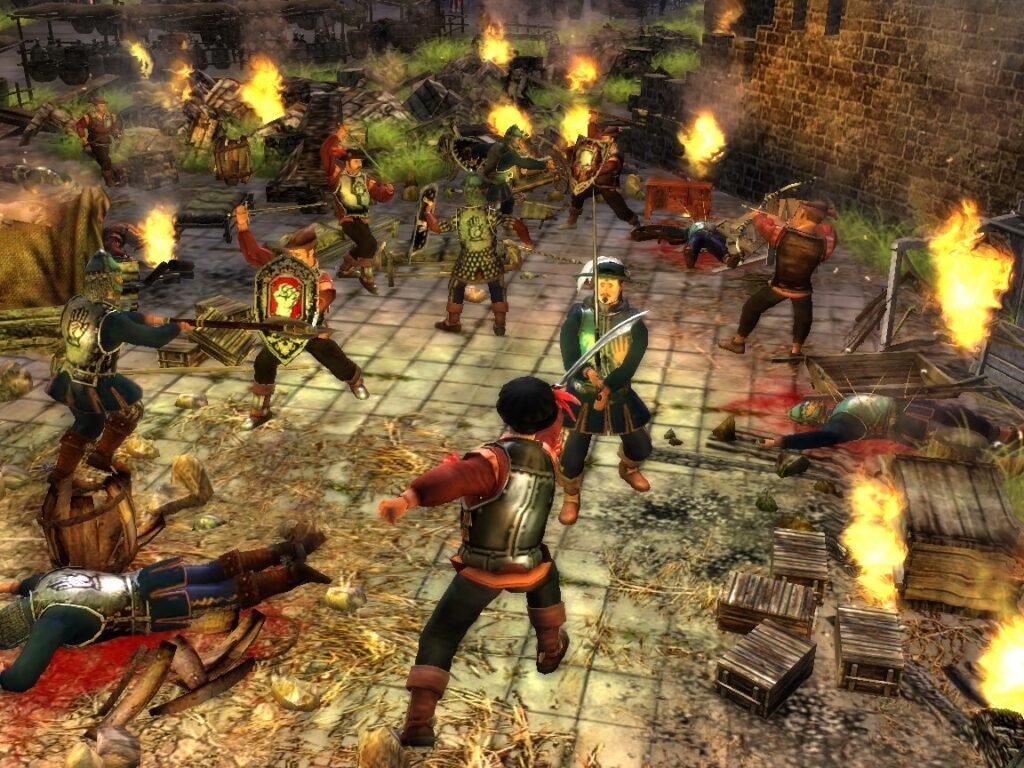
The core hook of Hard to be a God lies in its massive clash of civilizations. You do not play as a chosen warrior born into a magical realm. Instead, you are a freshly graduated secret agent from Earth’s Institute of Experimental History. Earth has achieved a utopian, highly advanced state of peace and technology, and its agents are sent out to observe alien worlds. You are dropped onto the planet Arkanar, a world physically identical to Earth but culturally trapped in a brutal, stagnant Medieval era. Your prime directive is simple yet agonizing: observe, gather intelligence, and protect Earth’s interests, but never openly interfere with the natural timeline or reveal your true origin.
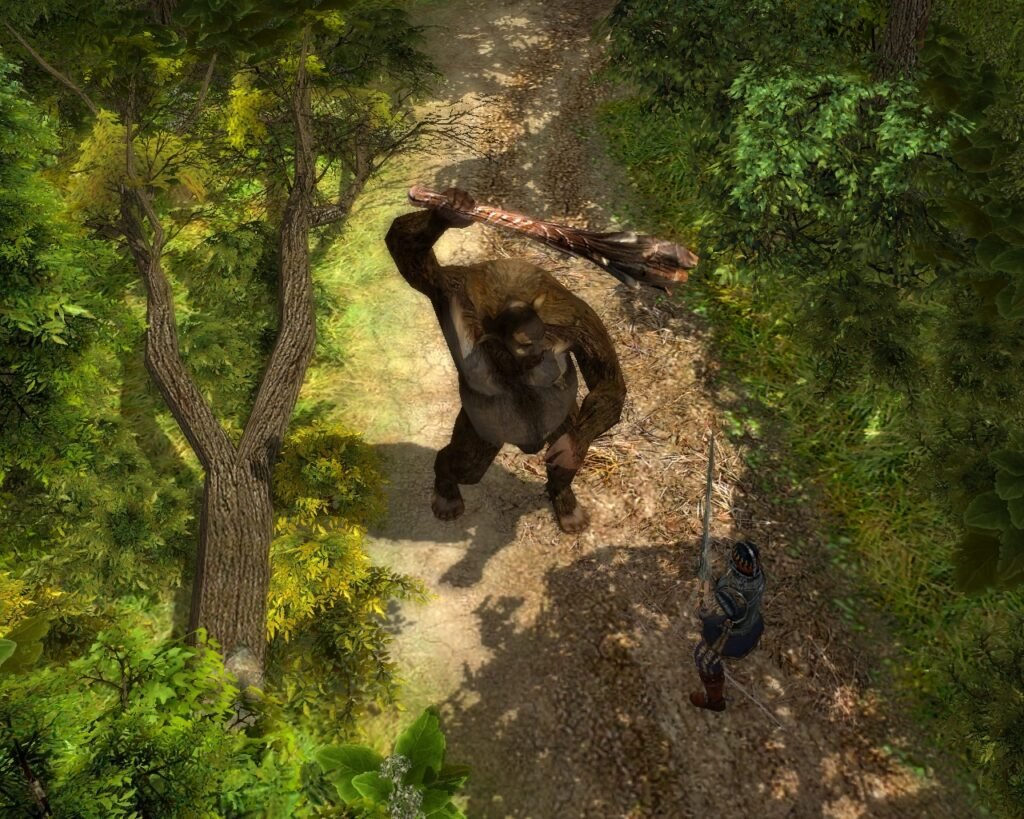
This setup creates a brilliant gameplay dynamic centered around stealth and espionage. Arkanar is highly factionalized, populated by paranoid nobles, radical religious zealots, oppressed peasants, and shadowy bandits. To navigate this hostile environment safely, you have to master the art of the disguise. Putting on a specific set of armor completely changes how the world interacts with you. Walk into a royal palace dressed as a mercenary, and the guards will immediately draw their swords. Slip into the heavy plate armor of a Don, however, and those same guards will bow, unlocking entirely new dialogue paths and narrative directions.
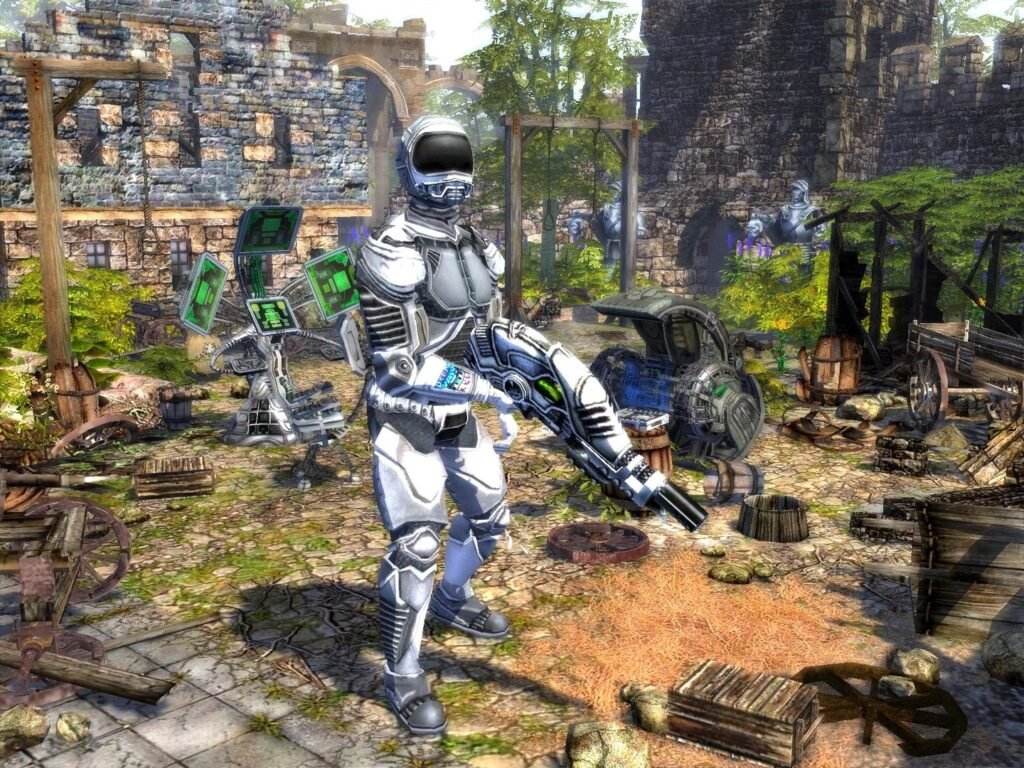
When your cover inevitably blows, the combat is heavy, active, and distinctly tactical. While the game uses an isometric camera perspective, it relies on real-time stamina management and combo strings rather than simple point-and-click hacking. You can seamlessly switch between primitive crossbows, shields, and massive two-handed swords. But the real fun begins when you start blending your medieval persona with forbidden future tech. As an operative of Earth, you eventually gain access to advanced equipment like energy-shielded armor and automatic plasma firearms. Unleashing automatic gunfire on a medieval cavalry charge feels hilariously overpowered, but doing so carries massive narrative weight—if you are caught using these “magical” weapons, you risk blowing your cover and changing Arkanar’s history forever.
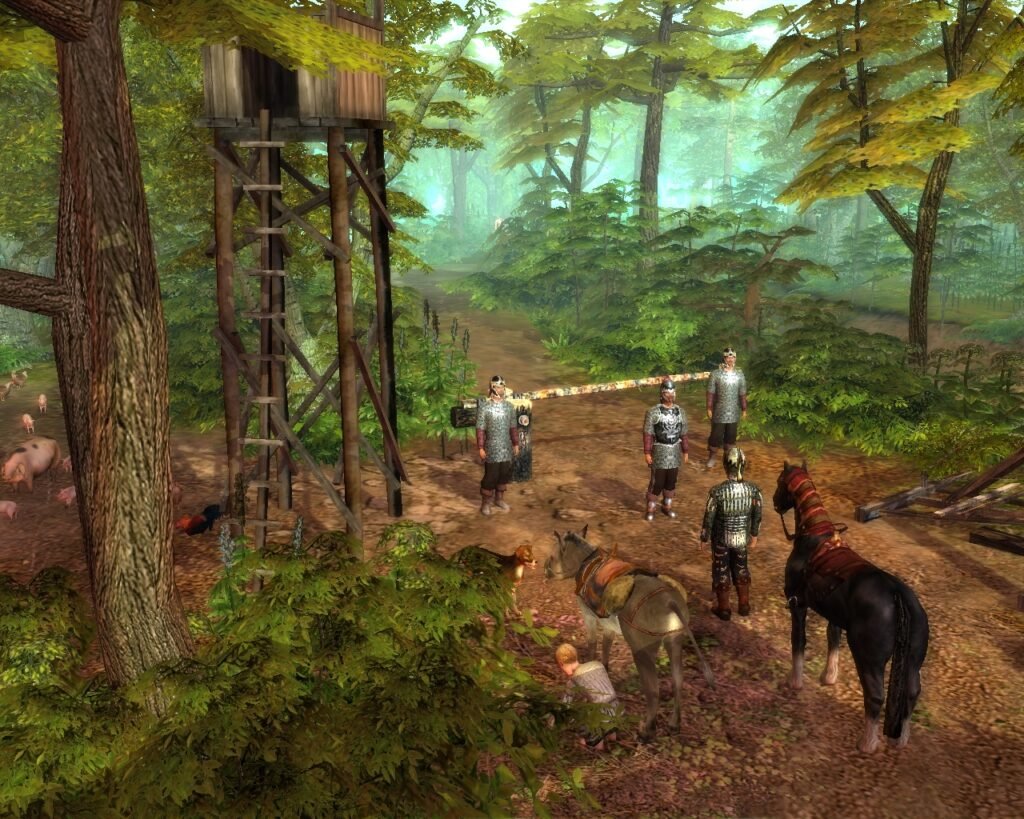
Visually, the game was quite a looker for 2007, powered by Burut’s proprietary X-Tend engine. It featured beautiful dynamic weather, day-and-night cycles, and extensive destructible environments that added a lot of immersion to the muddy, war-torn villages and grand stone keeps. It also pioneered mechanics that were ahead of its time, such as a fully mounted combat system where you could engage in high-speed sword fights from horseback. While it suffered from a clunky English translation and some of the technical rough edges typical of mid-2000s PC games, its incredibly unique sci-fi-meets-feudalism setting makes it a memorable cult classic well worth remembering.