
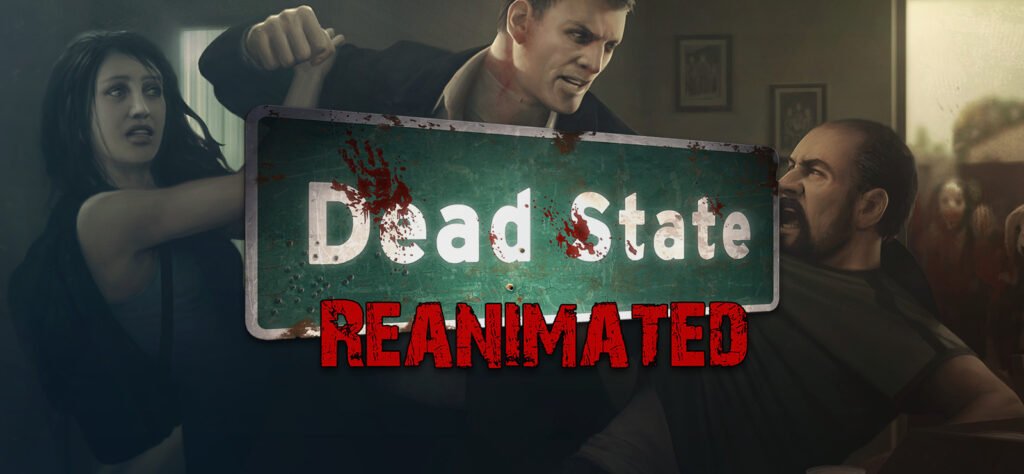

Release Date: December 4, 2014 Developer: DoubleBear Productions
Get It On: GOG
If you have ever wondered what would happen if you mashed the brutal turn-based combat of classic Fallout with a high school management simulator during a zombie outbreak, Dead State: Reanimated is your answer. Originally released in 2014 by DoubleBear Productions—led by veteran RPG writer Brian Mitsoda, the narrative brain behind Vampire: The Masquerade – Bloodlines—this isometric survival RPG remains an underappreciated gem. It understands a fundamental truth that many zombie games miss: the walking dead are a manageable environmental hazard, but a room full of hungry, panicked human beings is an absolute powder keg.
You play as a survivor who miraculously lives through a plane crash over central Texas right at the dawn of the undead apocalypse. Saved by a small band of locals, you are brought back to a public school in the fictional town of Splendid. Before you even have time to clean the mud off your boots, the group elects you as their leader. Your goal is simple on paper but agonizing in practice: fortify the school, keep everyone fed, and prevent the survivors from murdering each other before the fence gives way.
The Daily Grind: Doom Economics and Shelter Life
The gameplay loop of Dead State: Reanimated is cleanly split into two distinct halves: daylight scavenging and nocturnal base management. Every morning begins with an “apocalyptic Excel sheet” tracking your resources. You see exactly how many provisions your shelter consumed, how much fuel is left in the generator, and where your group’s overall morale stands. If you run out of food or antibiotics, the mood plummets, and a low-morale shelter will quickly dissolve into infighting, depression, or outright mutiny.
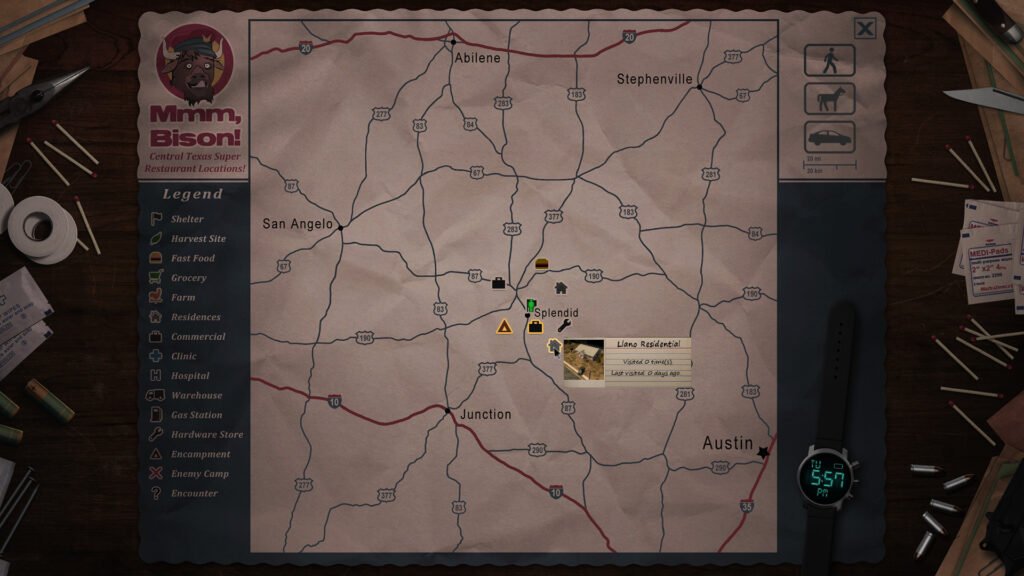
Managing the high school feels like a dark twist on a tycoon game. You assign your allies to various daily tasks based on their specific skill sets. The pragmatic mechanic can be put to work upgrading the perimeter fence or repairing a broken sedan for faster world-map travel. The student vet can run a makeshift medical bay, while others are assigned to tend the rooftop gardens or build a science lab. Every major upgrade requires a specific number of scavenged parts, turning every excursion into a desperate hunt for hardware rather than just cool guns.
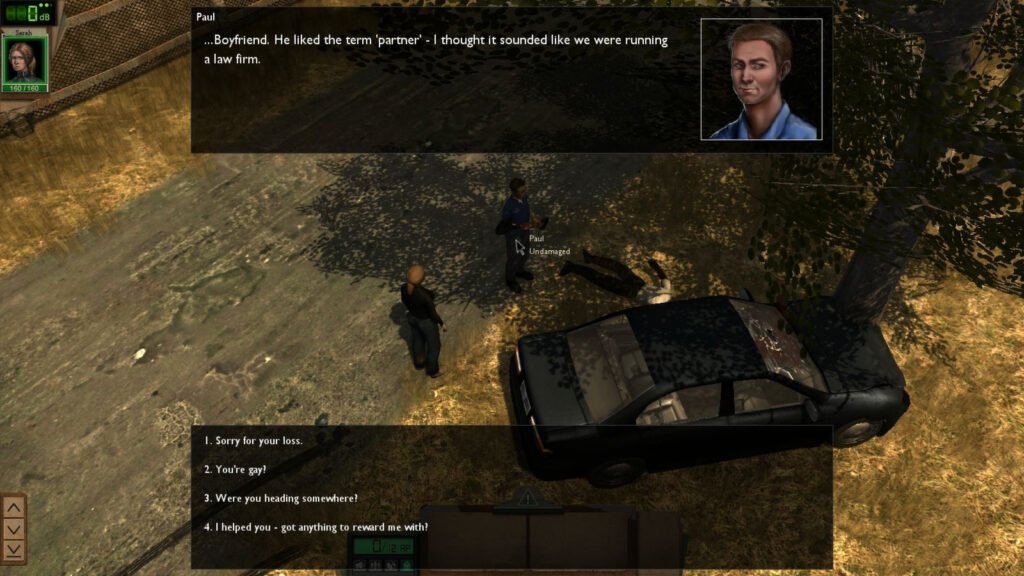
What makes the shelter phase truly shine is the writing. The characters are not just blank stat-blocks; they are deeply opinionated, flawed individuals with unique backgrounds, biases, and breaking points. You have a television preacher who cares more about saving souls than saving rations, a rogue cop with a hair-trigger temper, and everyday citizens just trying not to lose their minds. They will routinely confront you with crisis events—pivotal dialogue sequences where you must mediate disputes. Siding with one survivor might secure their loyalty but completely alienate another, shifting the social balance of power in your fragile community. You can bribe them with luxury items like coffee beans, deodorant, or old batteries to temporarily boost their mood, but you cannot fix their fundamental ideological clashes.
Tactical Combat: The Deadly Calculus of Noise
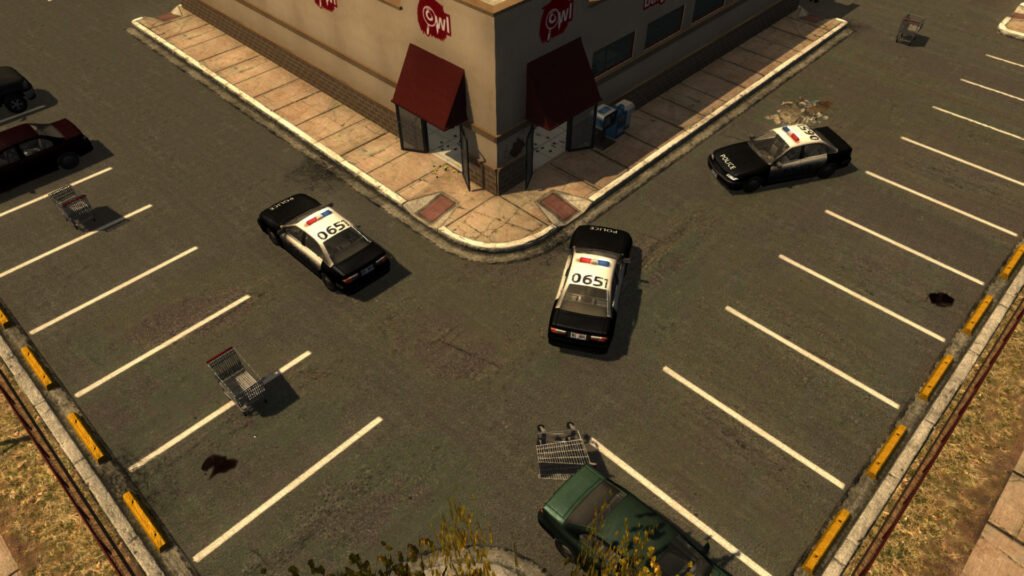
When you leave the safety of the school gates, the game transitions into real-time exploration on expansive, isometric maps. You can bring up to three allies with you into the wasteland to scavenge supermarkets, abandoned suburbs, and military outposts. The moment an enemy spots you, the action seamlessly shifts into classic strategic turn-based gameplay powered by an action point (AP) system.
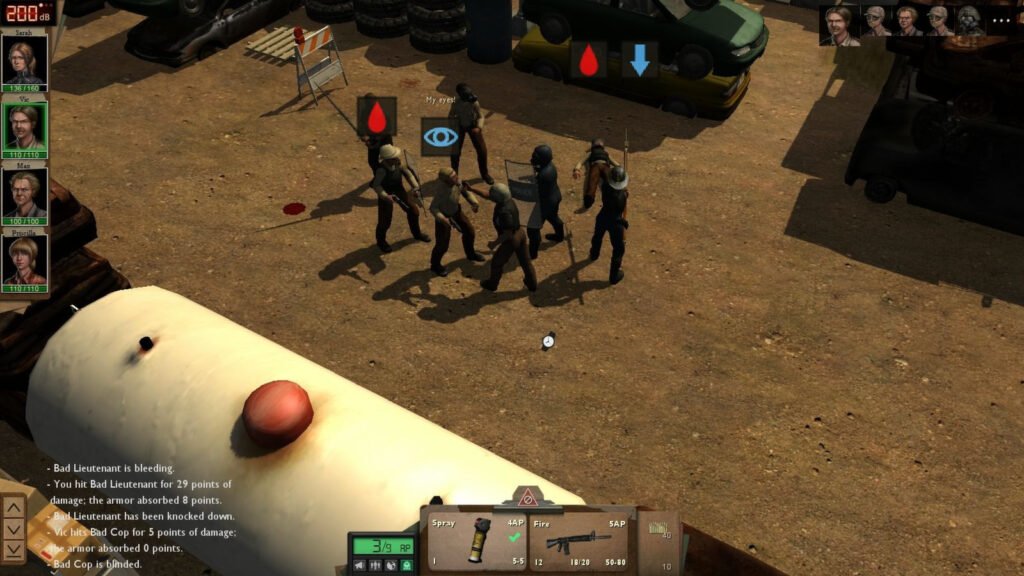
Combat is a grueling war of attrition where every swing of a machete or pull of a trigger has a cost. Melee weapons are your bread and butter, offering distinct tactical utility attacks. For instance, a simple shovel has a high-AP cost knockdown attack to keep an enemy grounded, while small knives grant a chance to automatically counterattack. The Reanimated edition heavily overhauled these mechanics, tweaking how armor class and damage reduction calculate to make combat feel significantly more consistent and fair than the vanilla 2014 release.
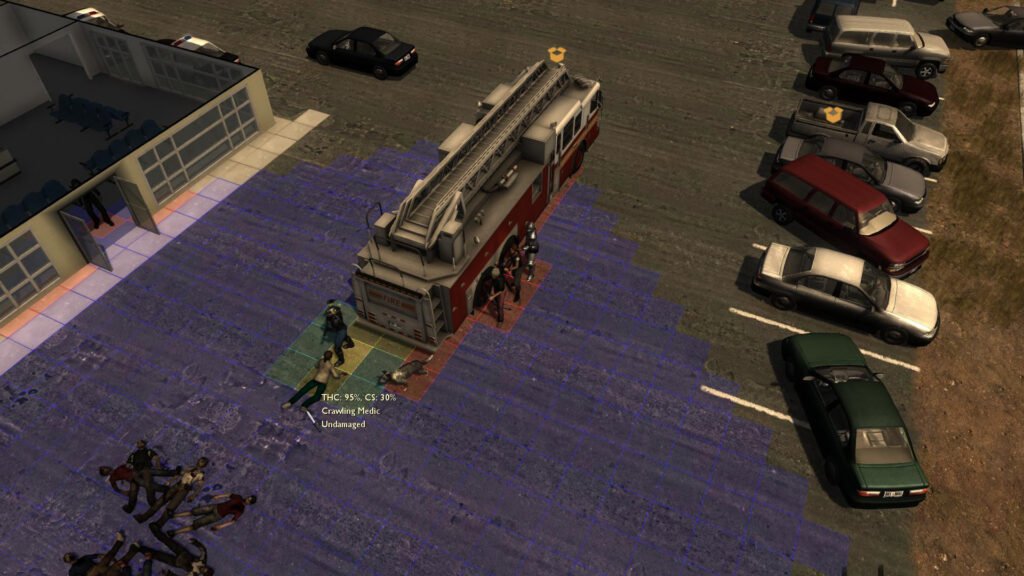
However, the defining mechanic of exploration is the noise system, which completely dictates how you approach encounters. Every action you take fills a noise meter. Splitting open a locked door with an axe makes a racket, but firing a shotgun is a literal dinner bell. The local undead follow a terrifying mobbing behavior; they are blind but hyper-sensitive to sound. If you get into a loud gunfight with a rival group of human looters, you will quickly find yourselves surrounded by a sea of zombies drawn in by the noise. A brilliant, emergent strategy is to use this mechanic against your enemies. Tossing a firecracker into a building occupied by hostile bikers will lure the entire zombie horde right to their doorstep, allowing you to quietly slip through the back door and loot the pharmacy without firing a single shot.
The Harsh Reality of the Reanimated Edition
While the game is incredibly immersive, it is impossible to talk about Dead State without acknowledging its rough edges. Built on the Torque 3D engine, the visuals felt somewhat dated even back in 2014, and the character animations can be stiff. When you are back at the school, characters stand completely static in their designated rooms like dialogue vending machines rather than dynamically interacting with the environment, which can occasionally break the illusion of a living, breathing community.
The Reanimated update did a massive amount of heavy lifting to rescue the game from its launch bugs, optimizing the pathfinding for massive zombie groups and adding critical features like a PC Infection option—allowing your main character to turn into a zombie just like your allies—and a brutal Hardcore Mode. Yet, the endgame can still devolve into a bit of a repetitive grind. Once you have fully upgraded the school and optimized your team’s gear, the tension of the early-game starvation gives way to a predictable routine of clearing massive maps just to watch the resource numbers tick up.
Despite these budget constraints, the game succeeds wildly because it refuses to judge you on a standard, black-and-white morality scale. It forces you to make genuinely difficult, stomach-churning tactical decisions just to survive the week. If you appreciate deep, narrative-driven strategy games that respect your intelligence and reward patience, Dead State: Reanimated remains a masterful look at the logistical nightmare of the end of the world.