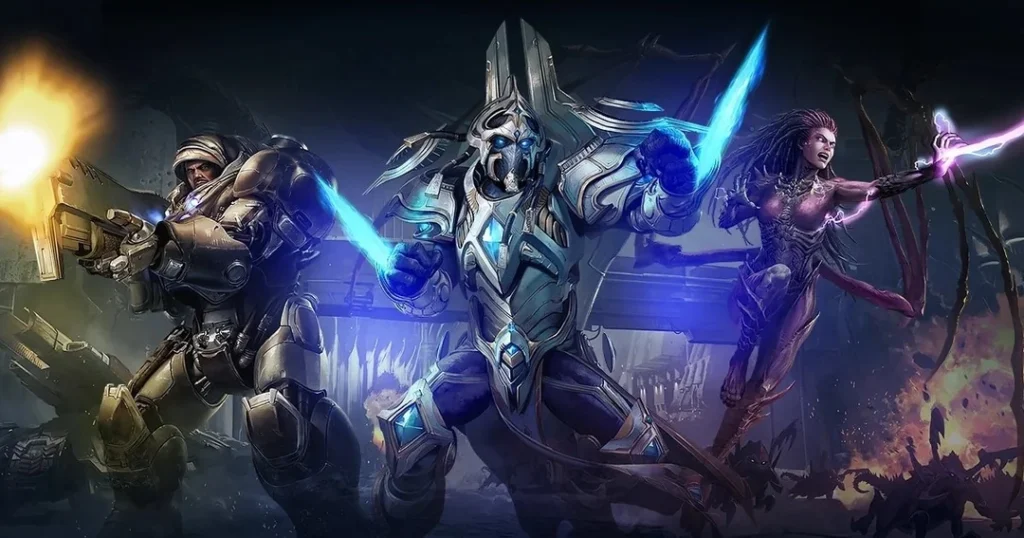

StarCraft II tells one of the most ambitious space operas ever packed into a video game, and the best part is that it actually sticks the landing. Across three full campaigns and the later Nova Covert Ops mission pack, Blizzard built a story full of rebellion, revenge, redemption, ancient cosmic horror, and a whole lot of personal grudges that somehow still feel human even when the characters are shooting lasers or commanding swarms of alien monsters. If you only ever played the multiplayer, you missed half the reason this game still gets talked about more than a decade and a half later.
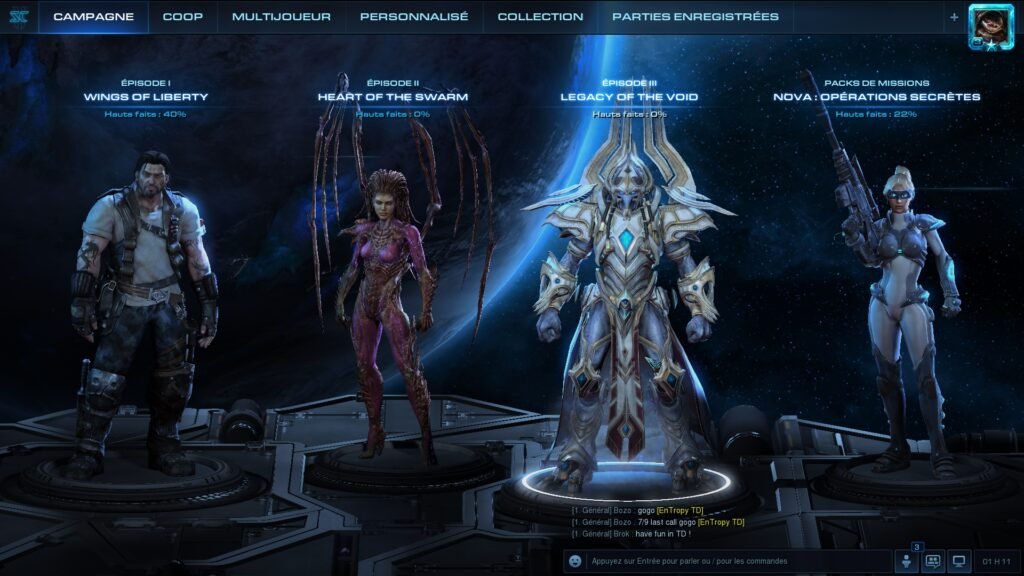
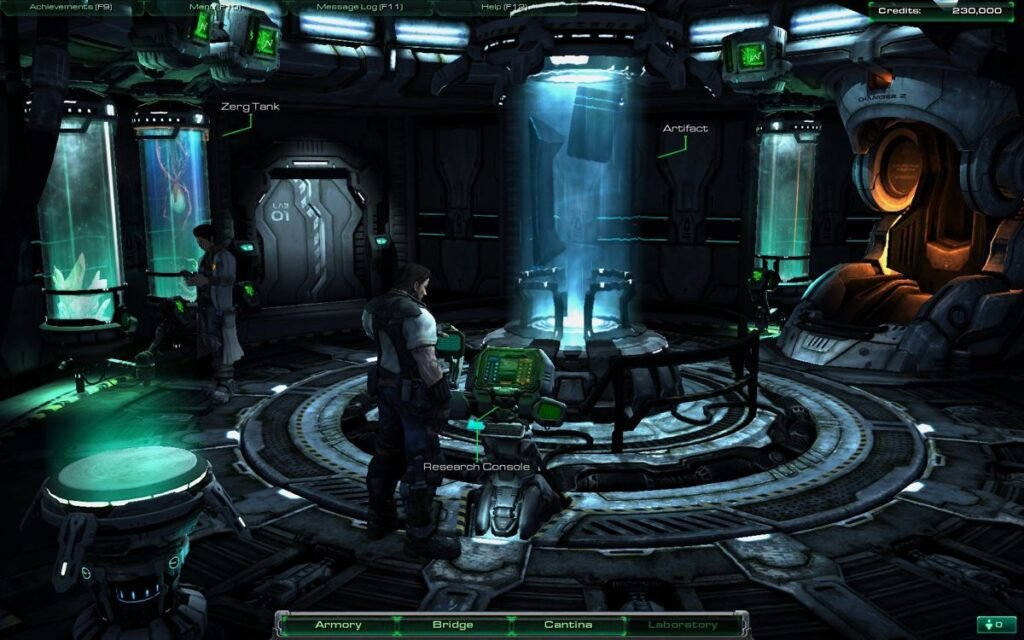
It all starts with Wings of Liberty. Four years after the chaos of the original StarCraft and Brood War, we catch up with Jim Raynor. The once-idealistic marshal has become a burnt-out revolutionary leading a ragtag group of rebels called Raynor’s Raiders. The Terran Dominion under Emperor Arcturus Mengsk still rules with an iron fist, and Raynor wants nothing more than to bring the man down. The campaign throws you into a series of missions that feel like classic westerns mixed with space opera. You liberate planets, pull off heists, fight off Zerg invasions, and slowly piece together bigger threats. Along the way Raynor reunites with old friends like Matt Horner and Tychus Findlay, the latter a convict in a powered suit who is clearly hiding something. The emotional core of Wings of Liberty is Raynor’s complicated history with Sarah Kerrigan. He still carries the guilt of leaving her behind years earlier when Mengsk abandoned her to the Zerg. That guilt drives a lot of his decisions, and the story does a solid job of making you feel the weight of it. By the end of the campaign Raynor has struck serious blows against the Dominion, recovered an ancient artifact, and set the stage for Kerrigan’s return in ways that feel earned rather than forced.
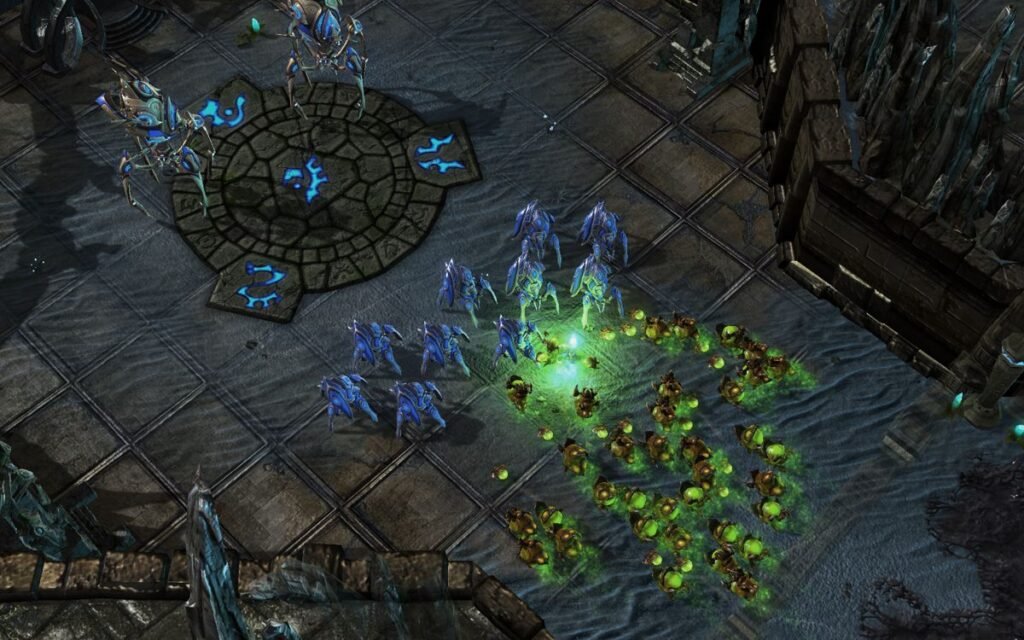
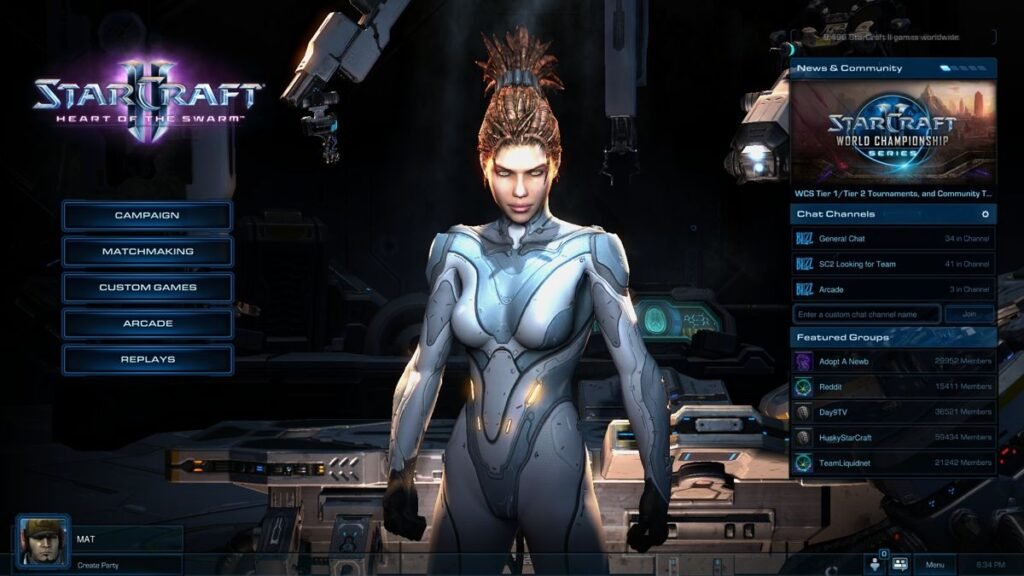
Then Heart of the Swarm flips the entire perspective. Suddenly you are playing as Sarah Kerrigan, the Queen of Blades herself. After the events of the first campaign she is captured, de-infested, and left mostly human again, only for the Dominion to come after her. Kerrigan’s story is pure revenge and identity crisis. She rebuilds the Zerg swarm from the ground up, evolving new strains, reclaiming lost broodmothers, and carving a bloody path back toward Mengsk. What makes this campaign special is how it refuses to paint her as a simple villain or pure hero. She is angry, calculating, and still capable of moments of genuine care, especially when Raynor is involved. The missions let you feel the power fantasy of commanding an unstoppable biological army while the cutscenes dig into her trauma and the question of whether she can ever truly leave the monster behind. Key supporting characters like the ancient Protoss warrior Zeratul show up with cryptic warnings about a far greater threat, and by the time Kerrigan finally confronts Mengsk the payoff is pure catharsis. The campaign ends with her embracing her role as the Queen of Blades once more, but on her own terms this time.
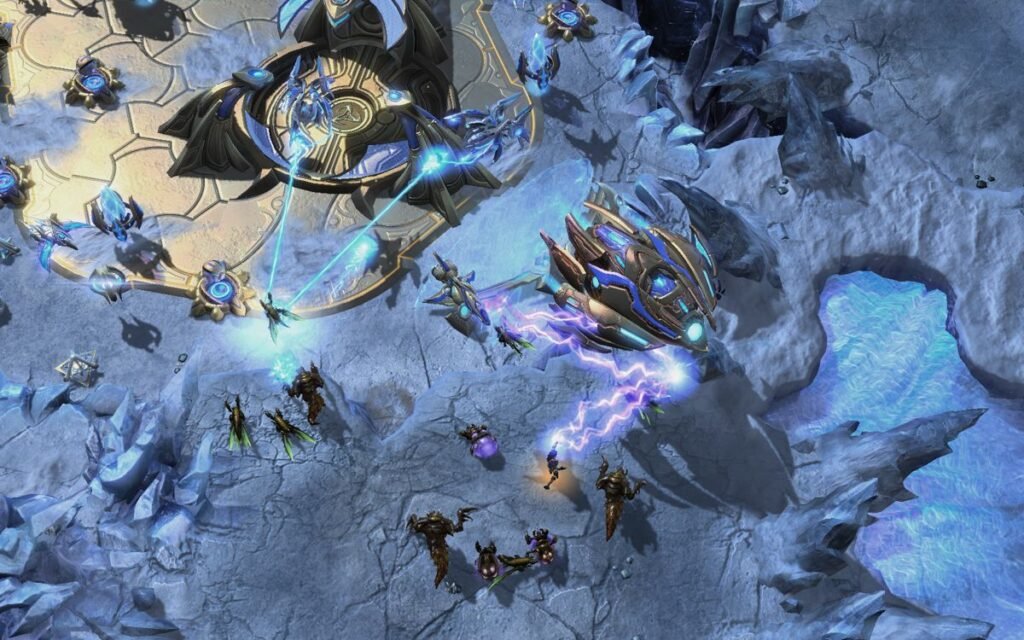
Legacy of the Void shifts the focus to the Protoss and raises the stakes to galactic levels. You take control of Hierarch Artanis, the leader of the newly unified Protoss people. Their homeworld of Aiur is still overrun by the Zerg, but a much older and more terrifying enemy has returned. Amon, a fallen Xel’naga, has been pulling strings from the shadows for a long time, and now he is ready to end all life in the sector and remake it in his own image. The campaign is full of high-drama Protoss politics, ancient prophecies, and desperate alliances. Artanis has to unite the different Protoss factions, including the dark templar and the more traditionalists who still distrust one another. You get memorable allies like the sarcastic dark templar Vorazun, the scholarly Karax, and the always-intense Alarak of the Tal’darim. The story does a great job of making the Protoss feel like an ancient warrior culture that is both proud and deeply flawed. Missions take you across the sector as you fight Amon’s hybrid forces, reclaim sacred sites, and eventually confront the void itself. The final act brings Raynor and Kerrigan back into the picture for a full-circle team-up that feels genuinely epic. Without spoiling every twist, the ending delivers on years of buildup and gives the main trilogy a sense of closure that a lot of game stories never manage.
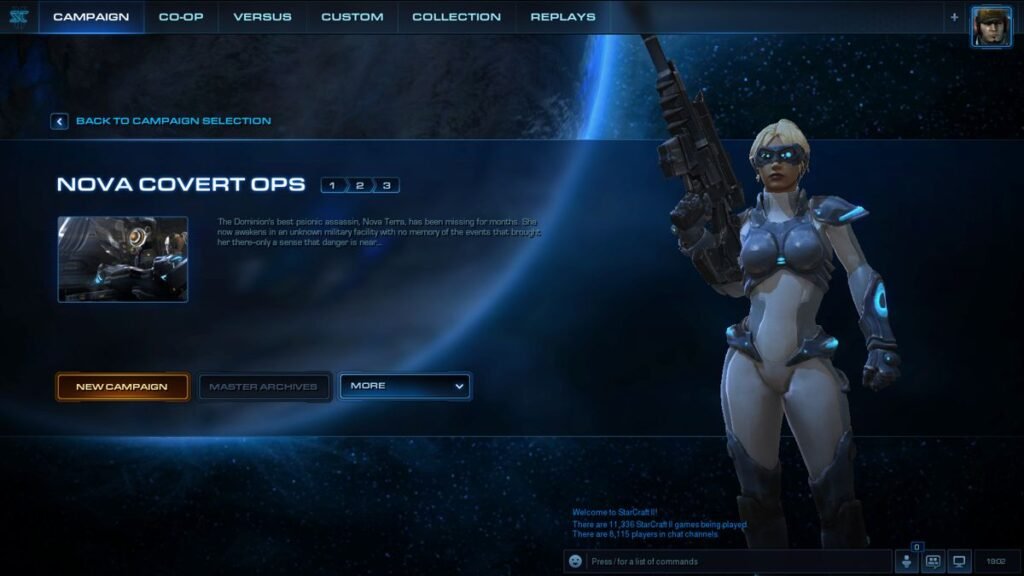
After the main saga wrapped, Blizzard released Nova Covert Ops as a three-part mission pack that serves as a more intimate epilogue. The focus is Nova Terra, the elite Terran ghost operative who had been floating around the edges of the previous stories. When the pack begins, Nova wakes up with missing memories and quickly realizes she has been set up. A shadowy group called the Defenders of Man is stirring up anti-Zerg panic and trying to seize power in the fragile post-war Dominion. Nova has to go rogue, gather a small team, and uncover a conspiracy that reaches into the highest levels of government. The tone is different from the big cosmic stakes of Legacy of the Void. It feels more like a spy thriller mixed with military sci-fi. You get to customize Nova’s gear and abilities between missions, which gives the gameplay a personal edge that matches her character. The story explores themes of memory, loyalty, and what it means to be a weapon that starts asking questions about who is really holding the trigger. Supporting characters like the engineer Reigel and various Dominion officers add texture, and the pack does a nice job of showing what the sector looks like after Amon’s defeat. It is not trying to top the main trilogy’s scope, and that is exactly why it works. It feels like a grounded side story that still matters.
What ties all of this together is how consistently the writing treats its characters as people first and plot devices second. Raynor is a classic flawed hero who drinks too much and carries too many regrets. Kerrigan is a woman who has been used, transformed, and forced to decide whether she will keep being a monster or try to become something else. Artanis is a leader who has to balance idealism with the brutal realities of war. Nova is a highly trained killer who is slowly reclaiming her own agency. Even the villains get moments that make them more than cartoon bad guys. Mengsk is a charismatic tyrant who genuinely believes his own propaganda. Amon is an ancient force of nihilism who sees organic life as a failed experiment. The dialogue can be cheesy in that classic Blizzard way, full of one-liners and dramatic declarations, but it lands because the emotional stakes feel real.
The story also does something rare in big-budget games. It lets the different races keep their identities instead of forcing everyone into the same moral gray. The Terran are messy, political, and human. The Zerg are driven by hunger and evolution but still capable of loyalty and even strange forms of love under Kerrigan. The Protoss are bound by honor, tradition, and the weight of millennia of history. When those cultures collide, the conflicts feel earned. The campaigns never stop being about war and strategy, but they always circle back to questions of choice, identity, and whether anyone can escape the cycles of violence that shape the sector.
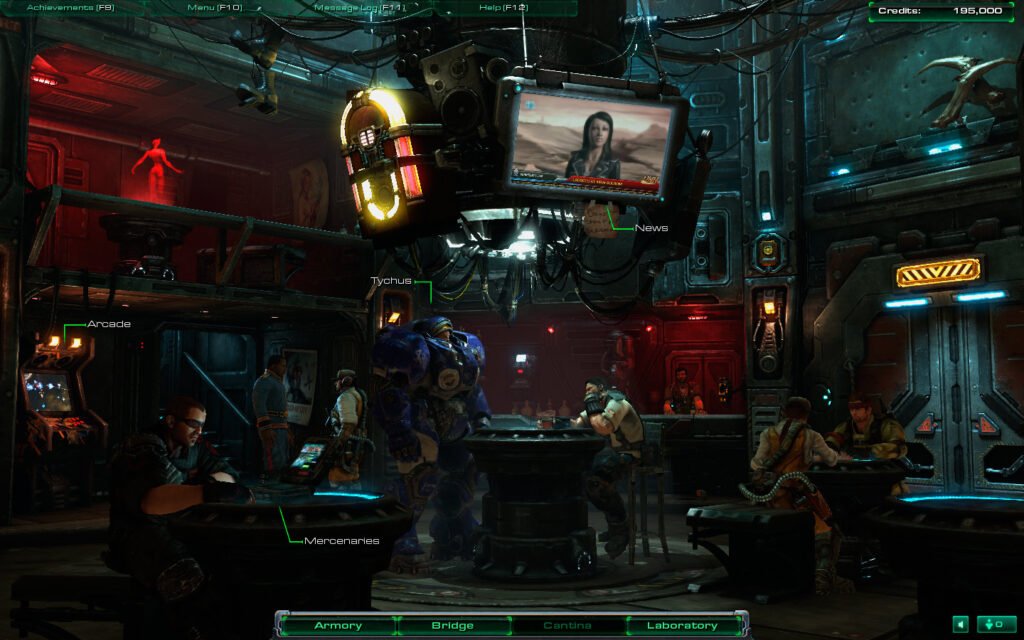
Even years later the story holds up because it respects the player’s intelligence. It trusts you to care about the characters and to follow the larger mythology without constant hand-holding. The cinematics are still some of the best in the business, full of sweeping camera work, detailed character animation, and music that knows exactly when to swell. Moments like Raynor’s quiet conversations on the Hyperion, Kerrigan’s brutal evolution sequences, Artanis standing before the combined Protoss fleet, or Nova slipping through the shadows all stick in your memory.
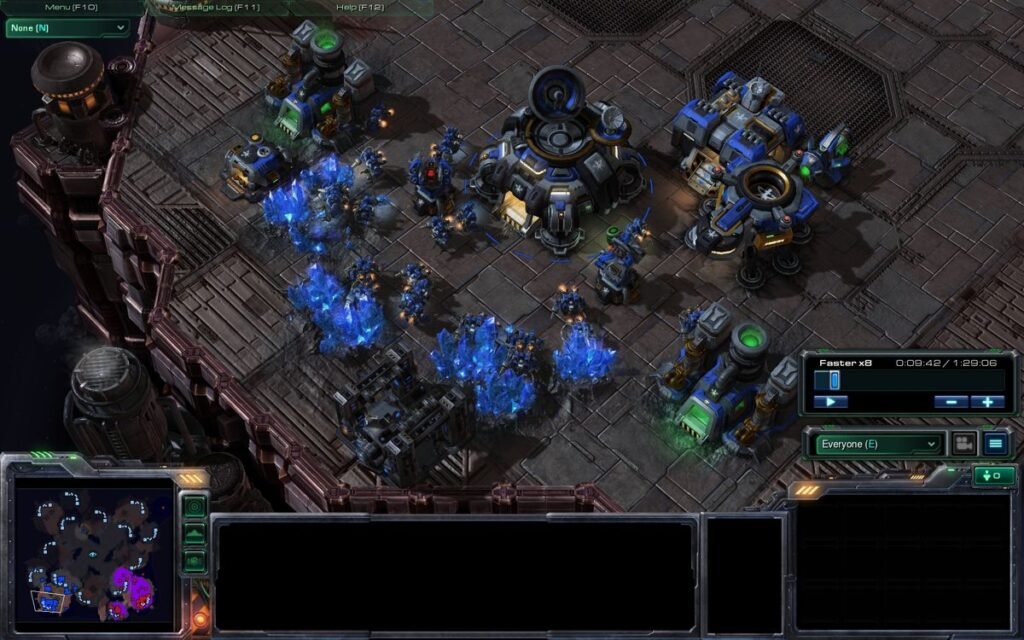
If you have never experienced the campaigns, or if it has been a long time, they are still worth diving into. The main trilogy gives you a complete arc that starts with a personal vendetta and ends with the fate of all life in the galaxy. Nova Covert Ops then lets you see the quieter, messier aftermath through the eyes of someone who was never meant to be a hero. Together they form a story that is bigger, messier, and more human than most science-fiction games ever attempt. In a medium that often treats narrative as an afterthought, StarCraft II still stands as proof that strategy games can deliver genuine drama, lasting characters, and a universe that feels alive long after the final mission ends.