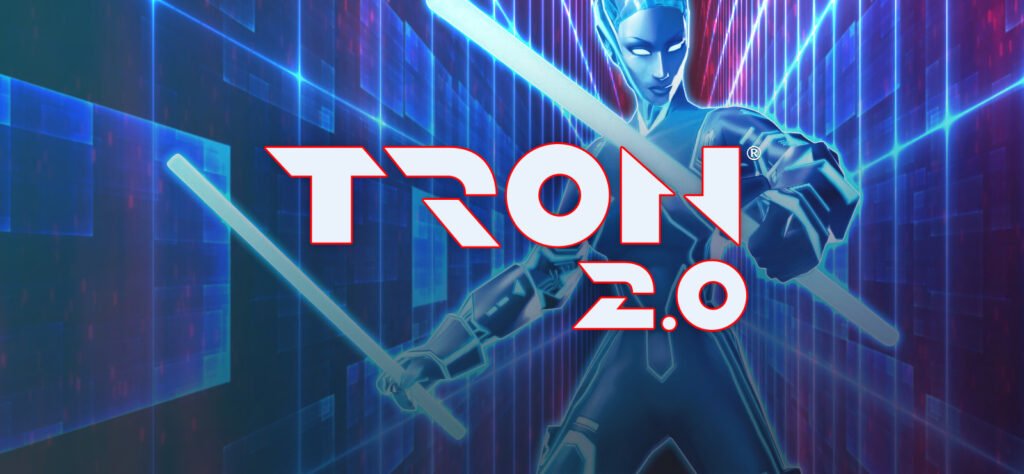

Release Date: August 26, 2003 Developer: Monolith Productions
Get It On: GOG
Tron 2.0 by Monolith Productions is a neon-soaked, disc-throwing blast from the past that perfectly captures the wild, glowing essence of the original 1982 Tron movie while turning it into a full-fledged first-person shooter with smart RPG twists. Released in 2003, this game stands as one of the most underrated gems in Monolith’s library—long before they hit it big with stuff like Shadow of Mordor. If you’re craving that retro cyber vibe mixed with inventive gameplay, tight level design, and a story that respects its source material, Tron 2.0 delivers in a big way.
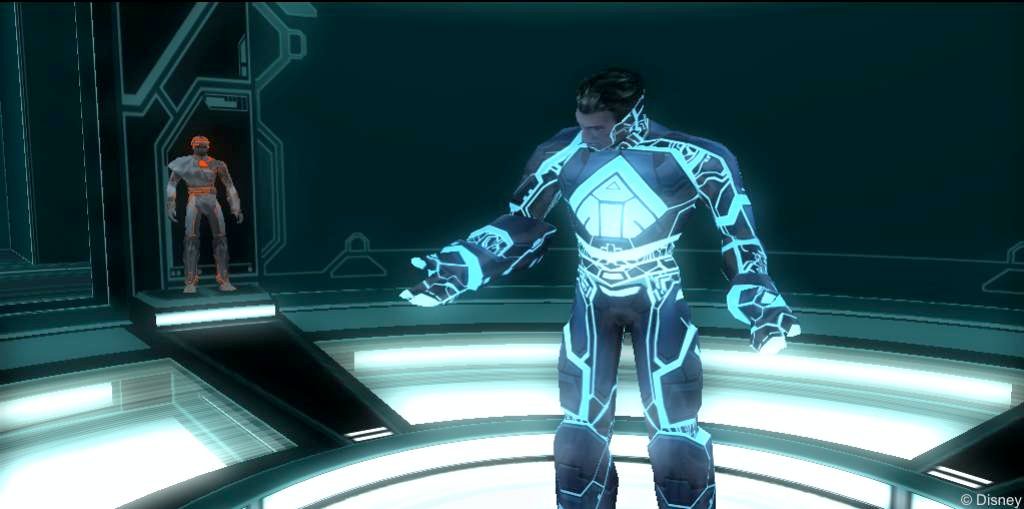
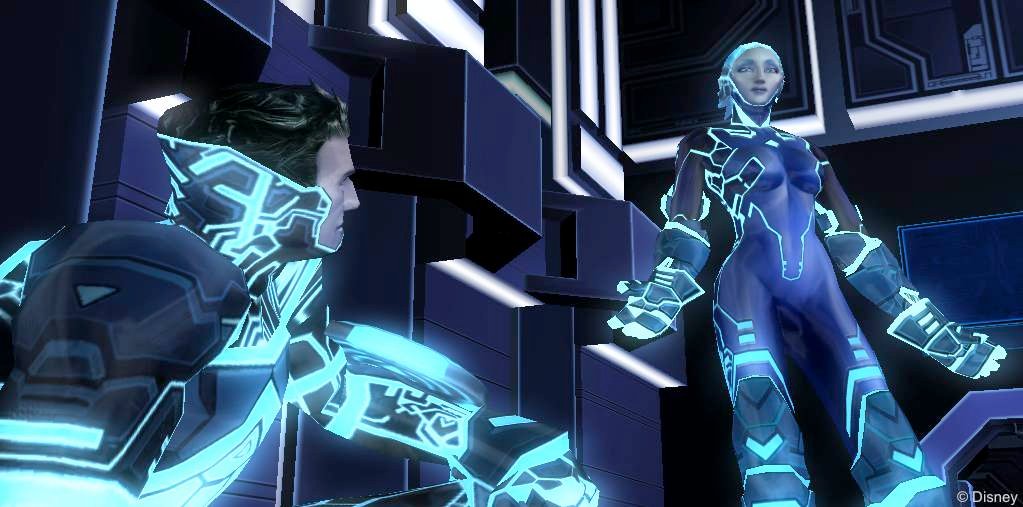
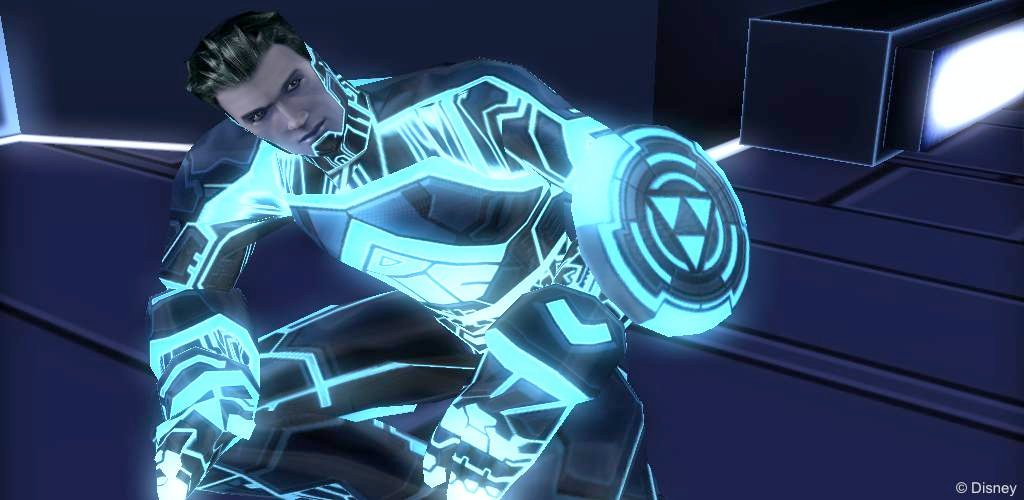
Set about 20 years after the events of the classic film, Tron 2.0 follows Jet Bradley, the son of Alan Bradley (yep, the guy who created the original Tron program, voiced again by Bruce Boxleitner). Jet is a bit of a slacker programmer working at ENCOM, which has fallen on hard times and is facing a hostile takeover by the shady fCon (Future Control Industries). When his dad mysteriously disappears amid corporate intrigue, things get digitized fast. Jet gets pulled into the digital world by Ma3a, an advanced AI (voiced by Cindy Morgan, who played Lora/Yori in the movie), to battle a spreading corruption caused by a rogue fCon exec named J.D. Thorne. Thorne tried digitizing himself but glitched out into a powerful virus, turning programs into hostile Z-Lots and messing up the entire system.
The story feels like a true sequel—full of corporate espionage, digital gladiatorial combat, and that signature Tron philosophy about users, programs, and the boundaries between real and virtual. You’ll chat with friendly programs, uncover lore through emails and archives, and team up with characters like the badass light cycle racer Mercury (voiced by Rebecca Romijn). It expands the universe thoughtfully without feeling like a cheap cash-in, even if some dialogue leans a tad cheesy at times. The narrative drives the action forward nicely, blending cutscenes with in-game discoveries that make exploring rewarding.
Gameplay That Mixes Shooter, RPG, and Tron Magic
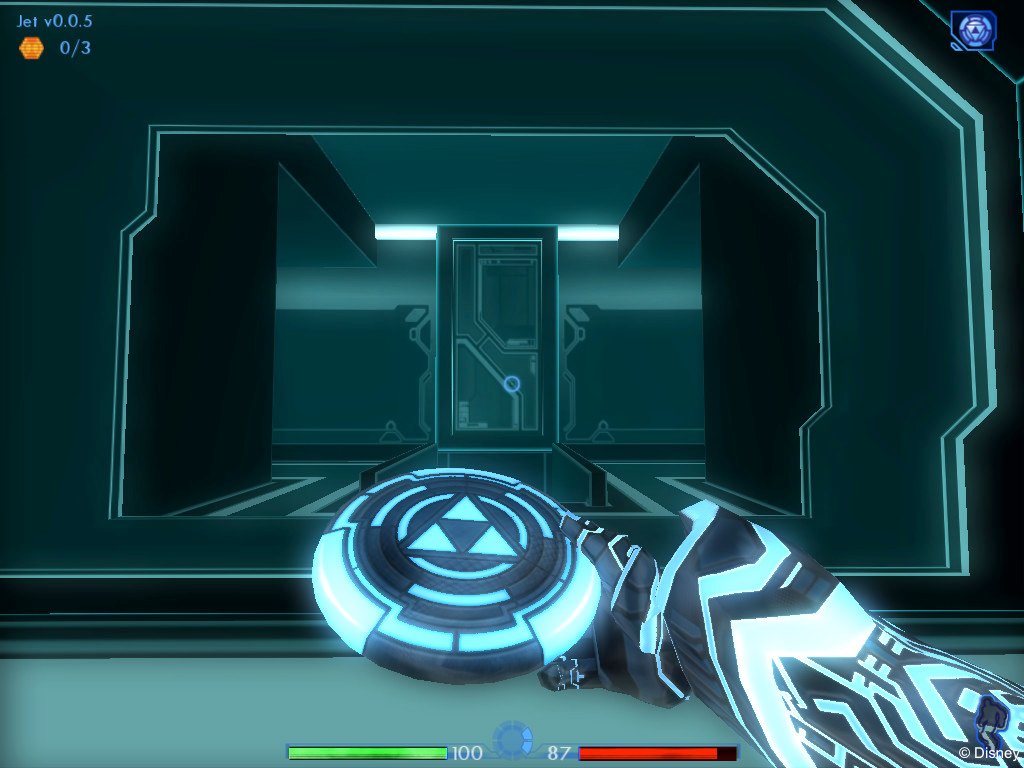
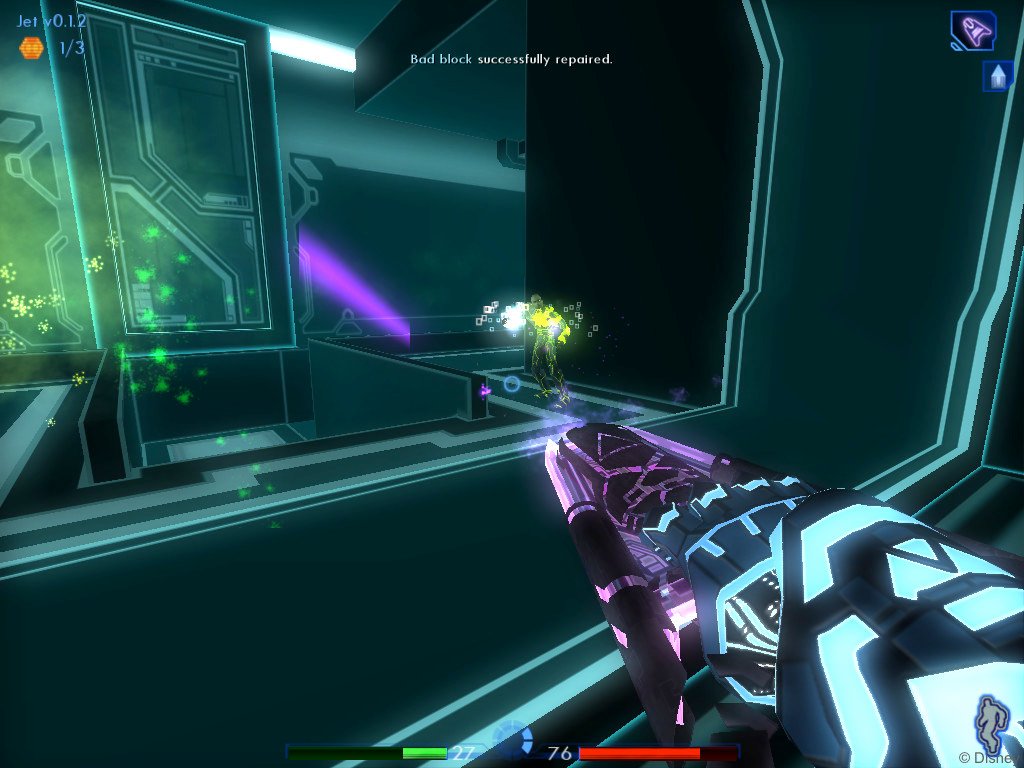
At its core, Tron 2.0 is a first-person shooter, but it never feels generic thanks to the brilliant Tron theming. Your main weapon is the iconic identity disc, which you can throw for ranged attacks, use in melee, or even deflect incoming shots with perfect timing. It’s satisfying as heck and remains viable throughout the game. Other weapons get creative too: energy balls that explode, rod-like light cycle tools for stealth drains, hacker gloves that fire rapid shots, and more. Most cost energy to use, so managing your resources adds tension—run dry and you’re back to disc basics.
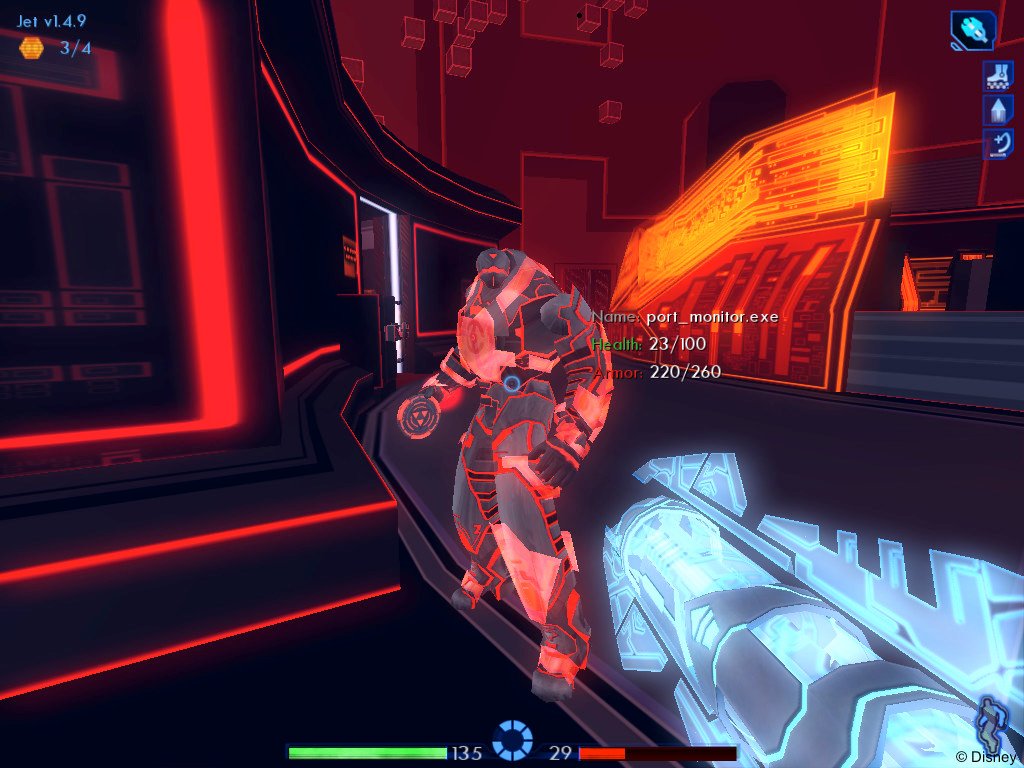
What sets it apart is the subroutine system, basically augmentations or perks you slot into Jet’s “memory.” These include upgrades for better jumping, virus protection, stealth (fuzzy signature to quiet footsteps), health boosts, and new abilities. You find them in archive bins scattered across levels, and better versions (alpha, beta, gold) take up less memory space, forcing smart loadout choices before missions. Combine that with build points earned from objectives that let you upgrade Jet’s core stats—like health, energy efficiency, and transfer rate—and you’ve got light RPG depth that encourages replay and experimentation.
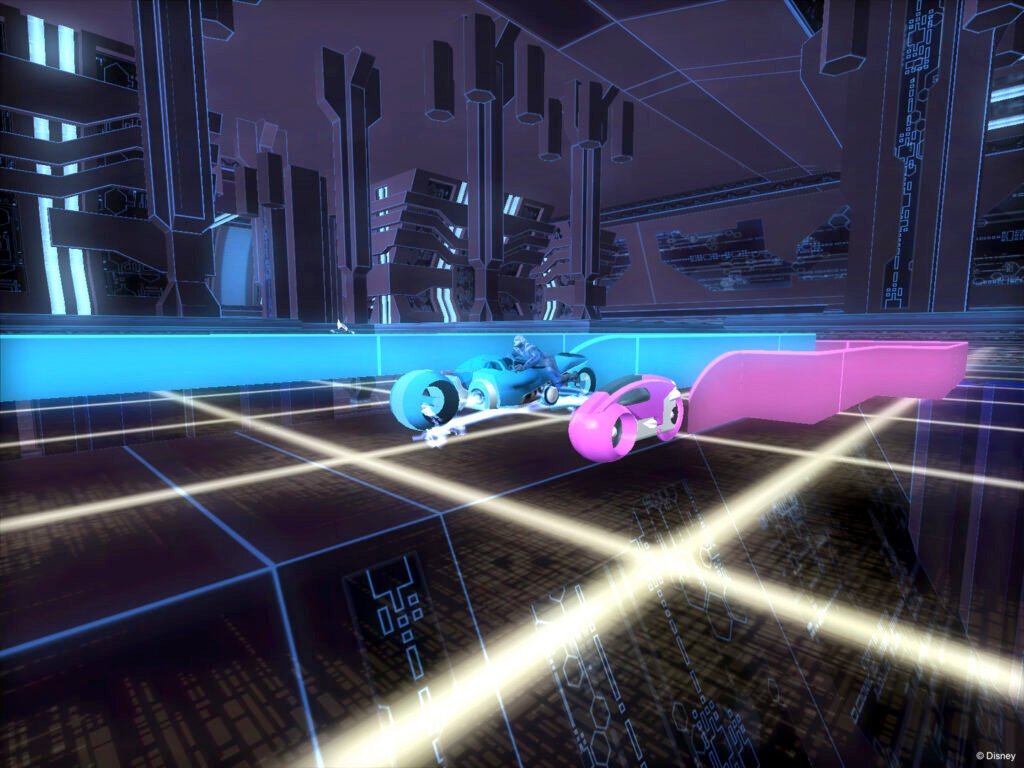
Levels take you through wildly varied digital environments: sleek corporate mainframes, gritty internet backbones, an old-school PDA with limited space, and even nostalgic nods to the original grid. They’re linear but packed with verticality, multiple paths, secrets, and that gorgeous glowing geometry. Combat mixes shooting, disc duels, platforming, and occasional stealth. Enemy variety keeps it fresh, from patrolling ICPs (Intrusion Countermeasure Programs) to corrupted data wraiths and massive bosses. Light cycle sequences pop up too, delivering that classic arena racing where you leave deadly trails and try to trap opponents—pure adrenaline.
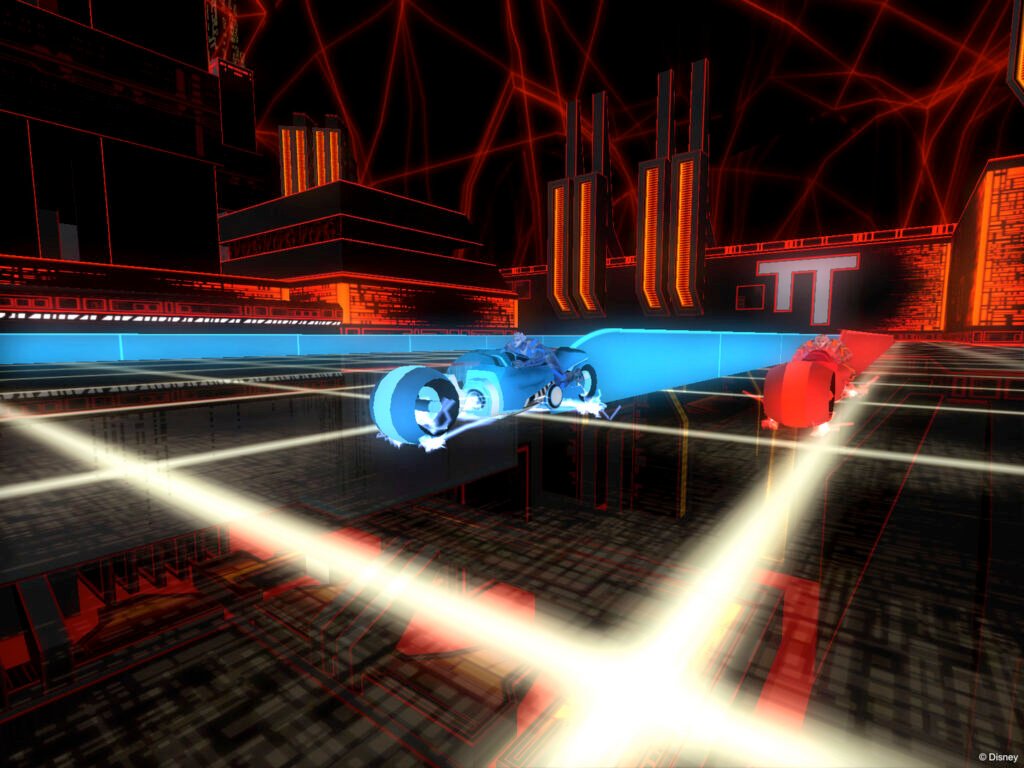
Multiplayer adds even more fun, with modes blending shooting and light cycles, up to 16 players on PC or Xbox. It’s chaotic, strategic, and a blast in LAN parties. The game also includes standalone light cycle games for pure racing thrills.
Visually, Tron 2.0 still looks fantastic today thanks to its stylized, abstract design. Neon lines, translucent structures, and dynamic lighting create that unmistakable Tron glow. The LithTech engine holds up remarkably well, especially with modern patches or source ports that fix frame rate issues and add widescreen support. Sound design is immersive too—electronic hums, disc whooshes, and a badass soundtrack that echoes the movie’s synth vibes. Voice acting from original cast members adds authenticity and charm.
Reception, Legacy, and Why It Deserves More Love
Critics and fans generally loved it back in 2003, praising the faithful yet fresh take on the license, inventive mechanics, and stunning presentation. It scored solidly (around 80-84 on Metacritic for PC), with many calling it one of the best FPS experiences of the year and a standout tie-in. Ports to Xbox and Game Boy Advance followed, though the handheld version focused more on mini-games.
Monolith nailed the balance of respecting the source while building something substantial. It’s often cited as an immersive sim precursor in the quiet years between Deus Ex entries—large maps, multiple approaches, and meaningful upgrades. Sadly, it got somewhat overshadowed by bigger releases, and the 2010 Tron: Legacy movie created a separate canon, making Tron 2.0 an alternate timeline delight for purists.
System requirements were modest even for its time: Pentium III or Athlon 500MHz, 256MB RAM, 32MB video card with Hardware T&L, and about 2.5GB storage. It runs great on modern machines, and community fixes help with compatibility on newer Windows versions. No major DLC, but the core campaign (around 10-15 hours) plus multiplayer and light cycle modes offer solid replay value.
If you’re a Tron fan, retro shooter enthusiast, or just love games with personality, Tron 2.0 is an absolute must-play. It captures the wonder and danger of being digitized into a living computer world better than almost anything else. Monolith proved that movie tie-ins could be ambitious, creative, and deeply satisfying. In an era of endless sequels and remakes, this underrated classic reminds us why the Grid is still as fascinating as ever. Fire up that disc—it’s time to fight for the users once more.