
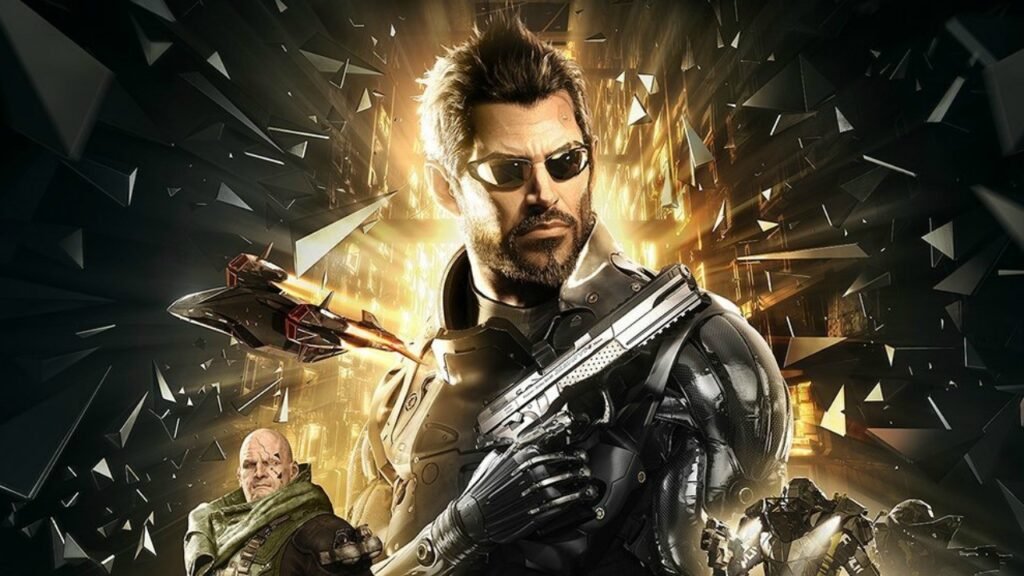

Release Date: August 23, 2016 Developer: Eidos-Montréal
Get It On: GOG
Deus Ex: Mankind Divided is one of those games that just oozes with cyberpunk vibe, while making you feel like a total badass cyborg navigating a world that’s gone completely off the rails. Released in 2016 by Eidos Montreal and published by Square Enix, it’s the direct sequel to Deus Ex: Human Revolution and picks up two years after the chaotic Aug Incident. If you’re into immersive sims packed with meaningful choices, stealthy takedowns, explosive action, and deep lore about humanity’s future, this one delivers in spades.
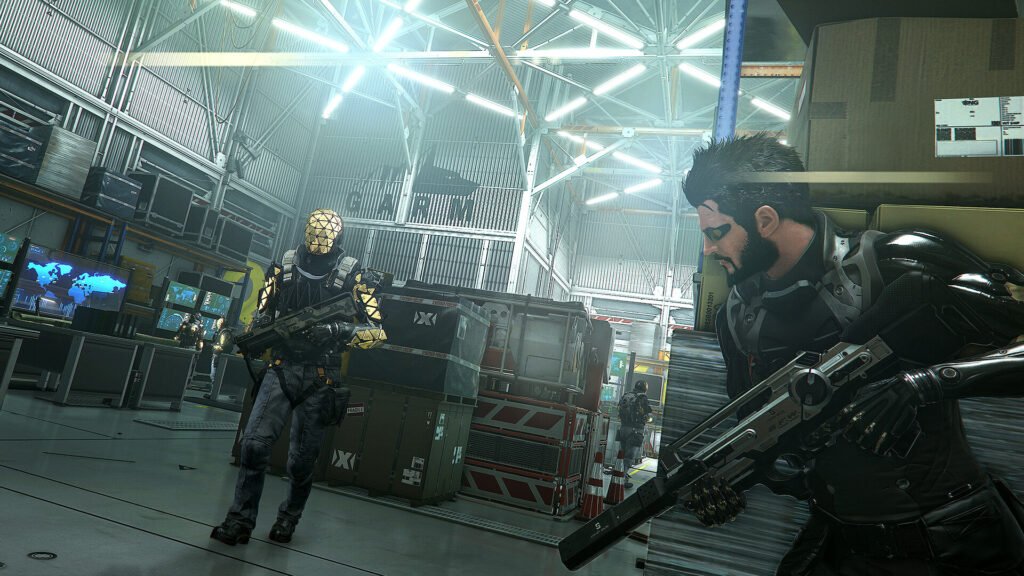
Let’s set the scene. It’s 2029, and the world is straight-up divided. After the Aug Incident—where a hacked signal caused millions of mechanically augmented people (“augs”) to go on a violent rampage—society has turned against them. Augmented humans are now second-class citizens, facing discrimination, segregation into ghettos like Golem City, and constant suspicion. Adam Jensen, our gravelly-voiced, trench coat-wearing protagonist, is back and more augmented than ever. He’s working as a double agent: officially with Task Force 29 (an Interpol anti-terrorism unit), but secretly aligned with the Juggernaut Collective hackers to expose the shadowy Illuminati pulling strings behind the scenes.
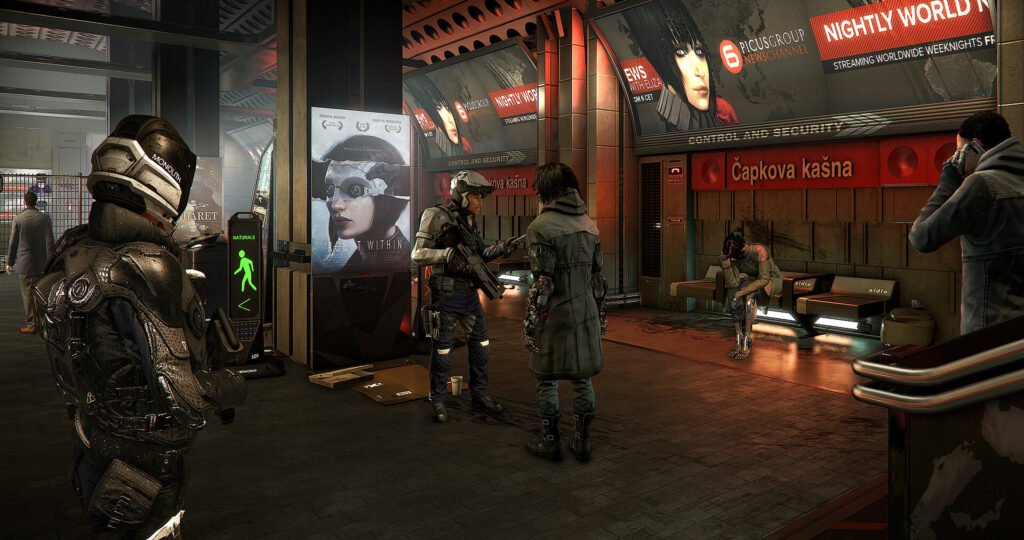
The story kicks off with a high-stakes mission in Dubai, where Jensen and his team try to intercept a black-market arms deal. Things go sideways fast with a terrorist ambush, setting the tone for the rest of the game. Most of the action then shifts to the beautifully realized hub of Prague, a dense, lived-in city full of secrets, side quests, and moral dilemmas. Jensen investigates bombings, conspiracies, and the rising tensions between augs and “naturals.” The narrative dives into themes of prejudice, transhumanism, corporate greed, and control—classic Deus Ex stuff that feels eerily relevant even today.
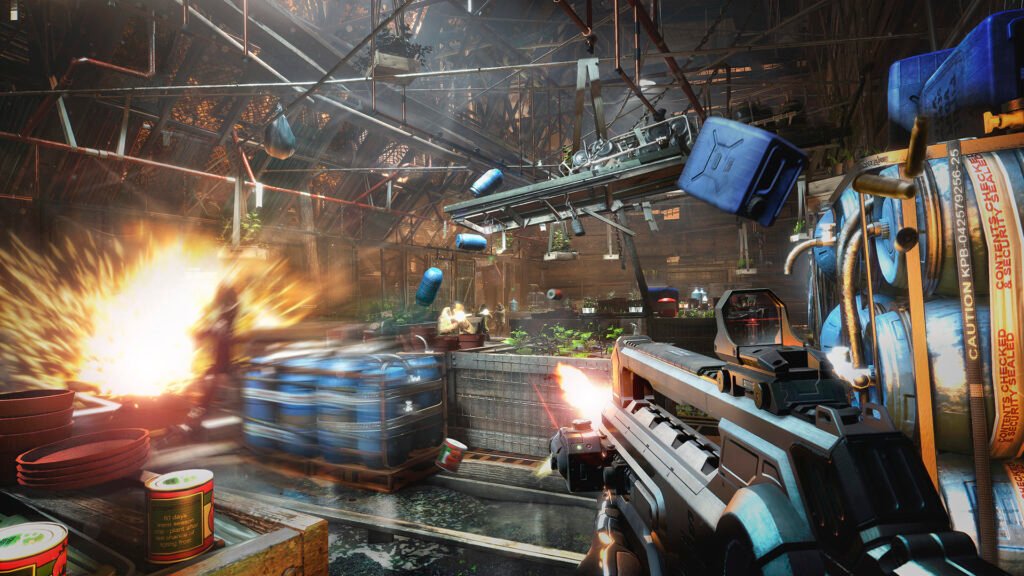
What makes Mankind Divided shine is the insane amount of player agency. You can approach almost every situation in multiple ways: go full stealth by sneaking through vents, hacking security systems, and using non-lethal takedowns; blast your way through with upgraded weapons and combat augs; or talk your way out using social enhancers and dialogue trees. Side quests are meaty and branching, often rewarding exploration and different playstyles. Want to read every hacked email and piece together the lore? Go for it. Prefer to ignore the story and just punch robots? The game supports that too.
Gameplay That Feels Empowering
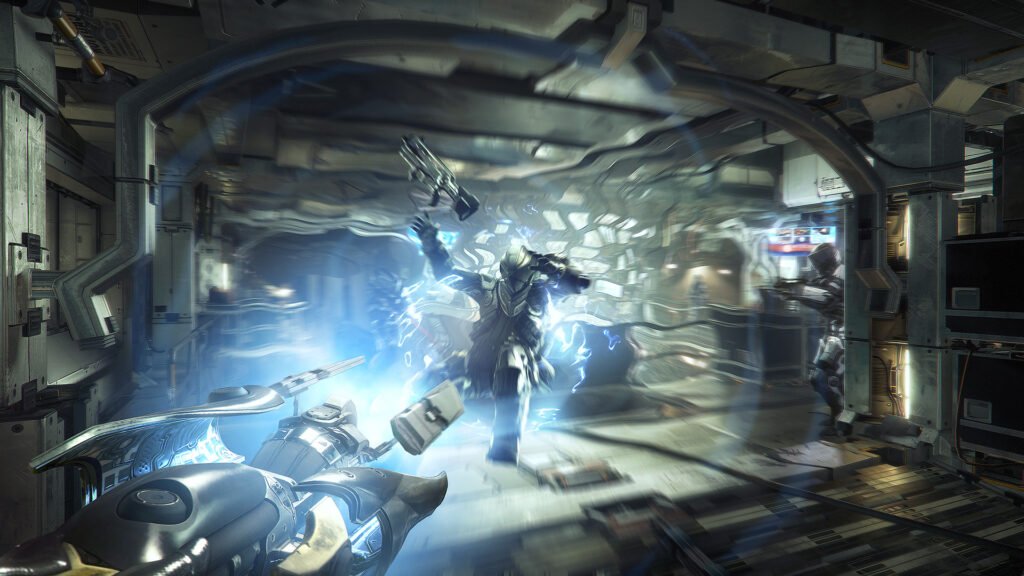
The augmentation system is a highlight. Jensen has a ton of cool abilities, some returning from the previous game and many new experimental ones. Highlights include the Icarus Dash for zipping across gaps or slamming into enemies, Tesla Arm for zapping multiple foes, Titan Armor for shrugging off damage, Remote Hacking to disable turrets and cameras from afar, and the brutal Nanoblade launcher. You earn Praxis Points to upgrade them, but there’s a twist with Overclock modes that let you temporarily supercharge abilities at the cost of locking others out—adding real decision-making to your build.
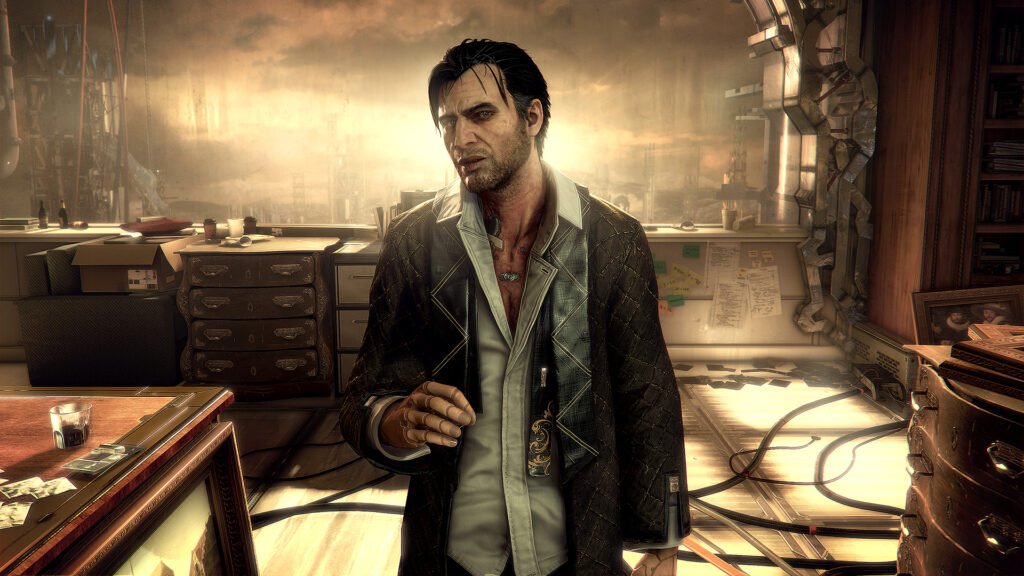
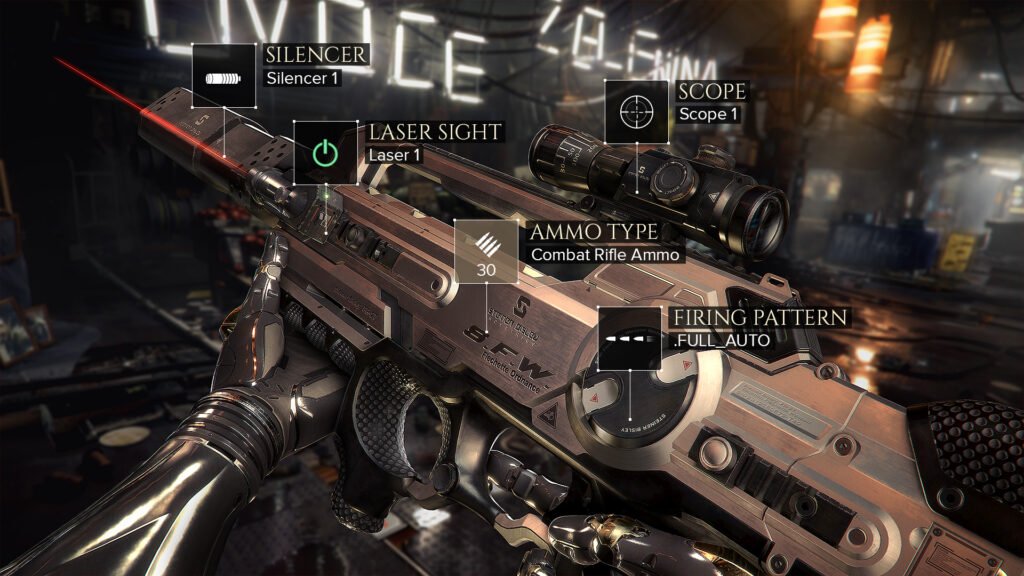
Combat feels smoother than in Human Revolution, with better cover mechanics, weapon customization (using scrap parts for mods), and satisfying gunplay. But stealth remains king for many players—crawling through air ducts, timing patrols, and using environmental takedowns never gets old. The AI is generally smart, reacting realistically to noise or bodies, though occasional glitches can pop up. Exploration in Prague is a joy; the city hubs are packed with apartments to break into, collectibles, and hidden paths. No two playthroughs feel the same, which is exactly what you want from a Deus Ex title.

There’s also Breach Mode, a fun side diversion where you play abstract hacking challenges in a Tron-like cyberspace. It’s score-based, with leaderboards, and lets you experiment with limited augs in bite-sized missions. Not essential, but a nice extra for replayability.
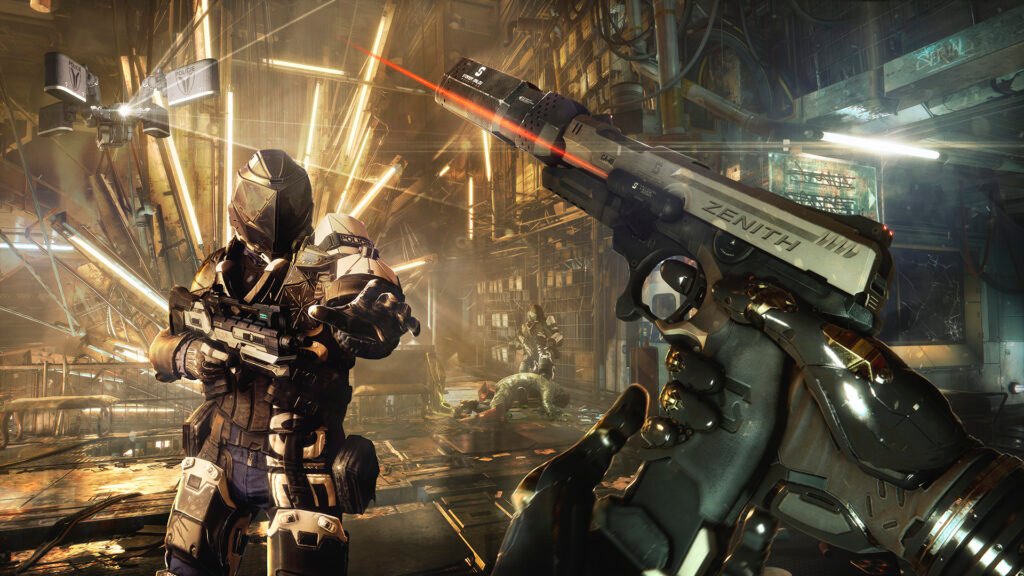
Visually, the game looks stunning, especially on PC with its detailed environments, moody lighting, and cyberpunk flair. Prague at night, with its neon signs, augmented citizens, and oppressive atmosphere, is a character in itself. Sound design is top-notch too—ambient chatter, tense music, and Jensen’s iconic one-liners (“I never asked for this”) add immersion. Performance can be demanding, so tweak settings if needed, but it runs well on solid hardware.
Story Strengths
The plot is gripping in its investigation of conspiracies and personal vendettas. It sets up bigger conflicts without fully resolving them, though, leaving room for sequels that sadly never fully materialized. Characters like Jim Miller, Alex Vega, and antagonists such as Viktor Marchenko are solid. The writing shines in emails, conversations, and world-building, making the divided society feel lived-in and tragic.
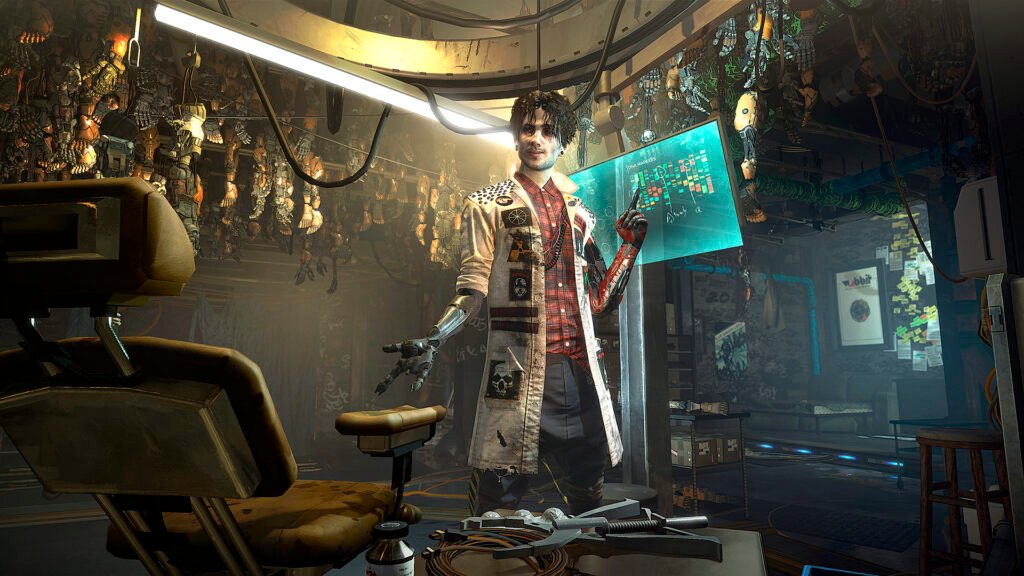
DLC adds more value. Jensen’s Stories includes System Rift (teaming up with Frank Pritchard for a heist), Desperate Measures, and A Criminal Past (a prequel prison mission). They expand the lore and gameplay without feeling tacked on.
If you’re new to the series, Mankind Divided stands well on its own, but playing Human Revolution first (especially the Director’s Cut) gives better context. It’s a thoughtful, replayable experience that rewards curiosity and experimentation. In a genre full of linear shooters, this one lets you carve your own path through a dystopian nightmare—and that’s pure gold for fans of immersive, choice-driven games.
Whether you’re hacking terminals in the shadows or charging into battle with arms blazing, Deus Ex: Mankind Divided captures that thrilling sense of being a superhuman operative in a world on the brink. It might not have revolutionized the formula, but it refined it beautifully, delivering one of the strongest entries in the franchise. If you haven’t dived in yet, grab it—your inner cyberpunk detective will thank you.