
Release Date: October 1, 2004 Developer: 3D People
Get It On: GOG
There is a particular flavor of mid-2000s PC RPG that only exists because some European studio decided the world did not need another cheerful elf simulator. Heretic Kingdoms: The Inquisition, released in Europe as Kult: Heretic Kingdoms in 2004 and in North America the following spring, is one of those games. Slovak developer 3D People built the engine and the look. International Hobo, with writer Chris Bateman on the script, shoved the whole thing into a setting that still feels meaner than most of its contemporaries. You play Alita, an inquisitor-in-training in a realm where the God of the Land is already dead and the surviving churches are treated like crime scenes.
The backstory is the hook and it is a good one. Centuries ago a hero named Arkor killed the local god with a sword called the Godslayer. Later a descendant used that same blade to run a theocracy, got overthrown, and the Inquisition stepped in to make sure nobody ever worshiped anything again. Faith is not a moral debate here. It is contraband. Alita is both a junior enforcer of that ban and a blood relative of Arkor, which is the kind of family history that tends to complicate a Tuesday. When zealots steal the Godslayer and start talking about resurrection, she is sent to recover it. What she does with it after that is on you.
That premise would have been enough for a forgettable Diablo clone with extra sermonizing. What keeps Heretic Kingdoms: The Inquisition interesting is that the writing actually follows through. The Inquisition is not a cartoon villain factory and the cultists are not automatically correct just because they have incense. Side quests wander into refugees, caste systems, undead labor left over from when necromancy was legal, and the quiet realization that militant atheism can ossify into its own priesthood. You can stay loyal, defect, keep the sword, hand it off, or try to become the next problem.
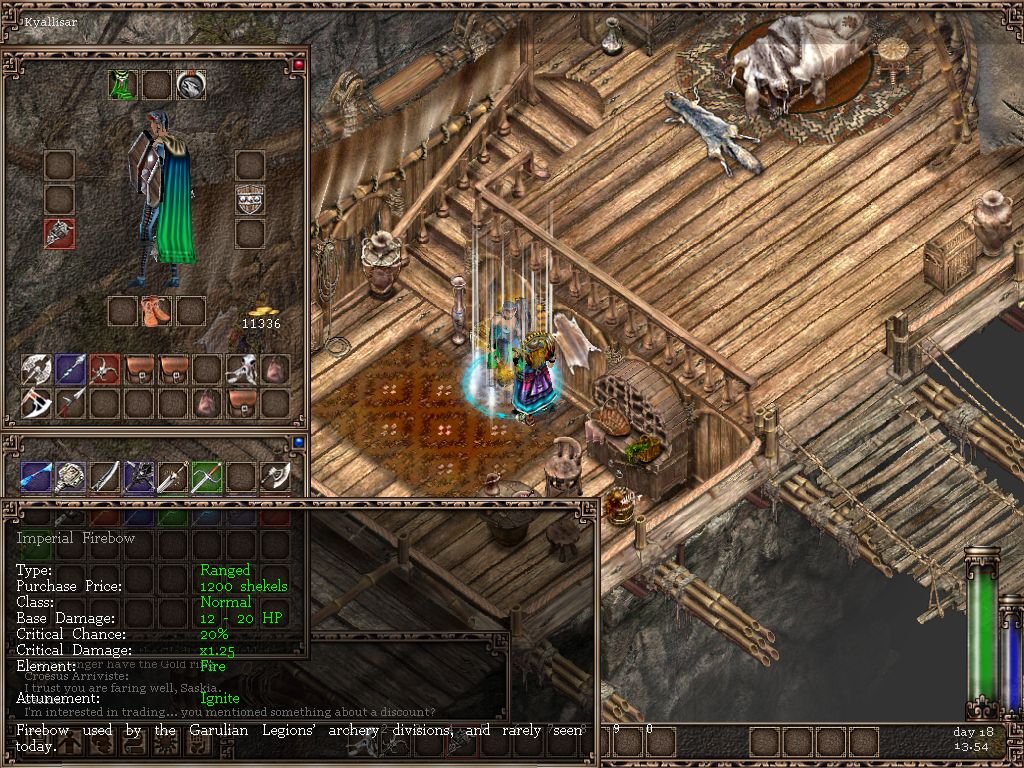
Then there is the attunement system, which is the game’s real personality. There are no tidy character classes. Alita has four core stats — melee, ranged, magic, and speed — that you pump as you level. The flashy stuff lives in the gear. Almost every weapon, ring, focus, and scrap of armor hides an attunement. You equip the item, fight while meeting its conditions, and eventually the power unlocks permanently. After that you do not need the original junk anymore. You just rest, meditate, and slot the attunements you want from a growing list of around a hundred. Conditions matter. Some want fire weapons. Some want no armor. Some only work in the spirit plane. The result is a loot loop that is less “bigger numbers on the same sword” and more “I am carrying this ugly mace because I want the thing living inside it.” It is fiddly at first and then it clicks, which is exactly how a mid-budget RPG experiment should feel.
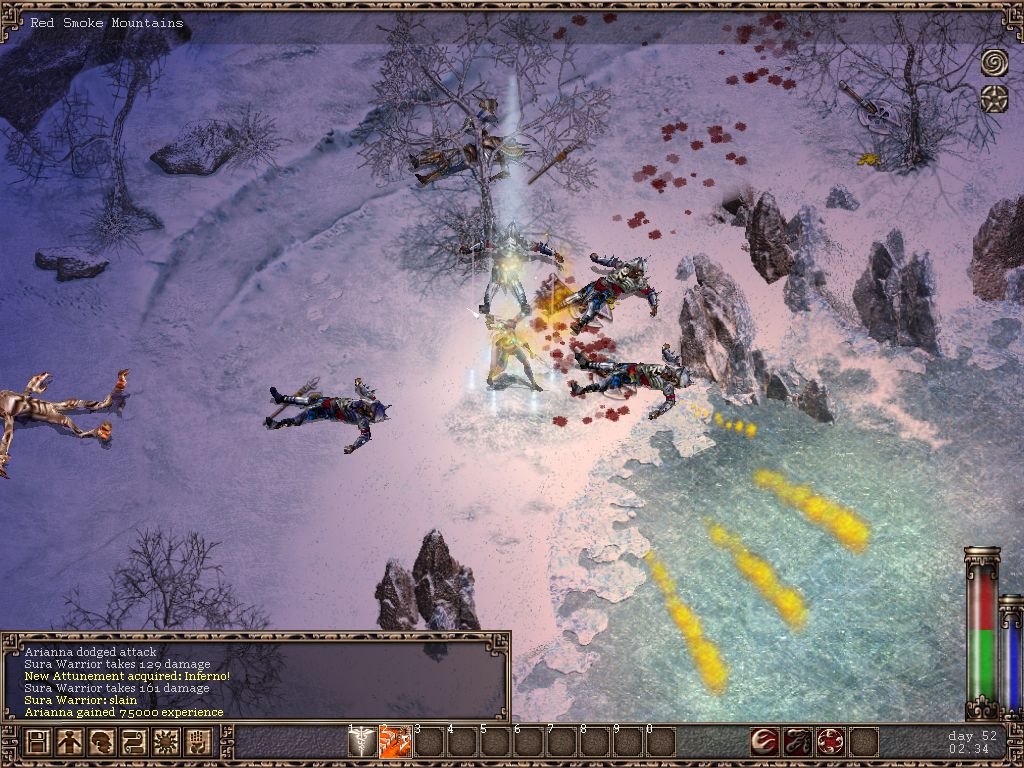
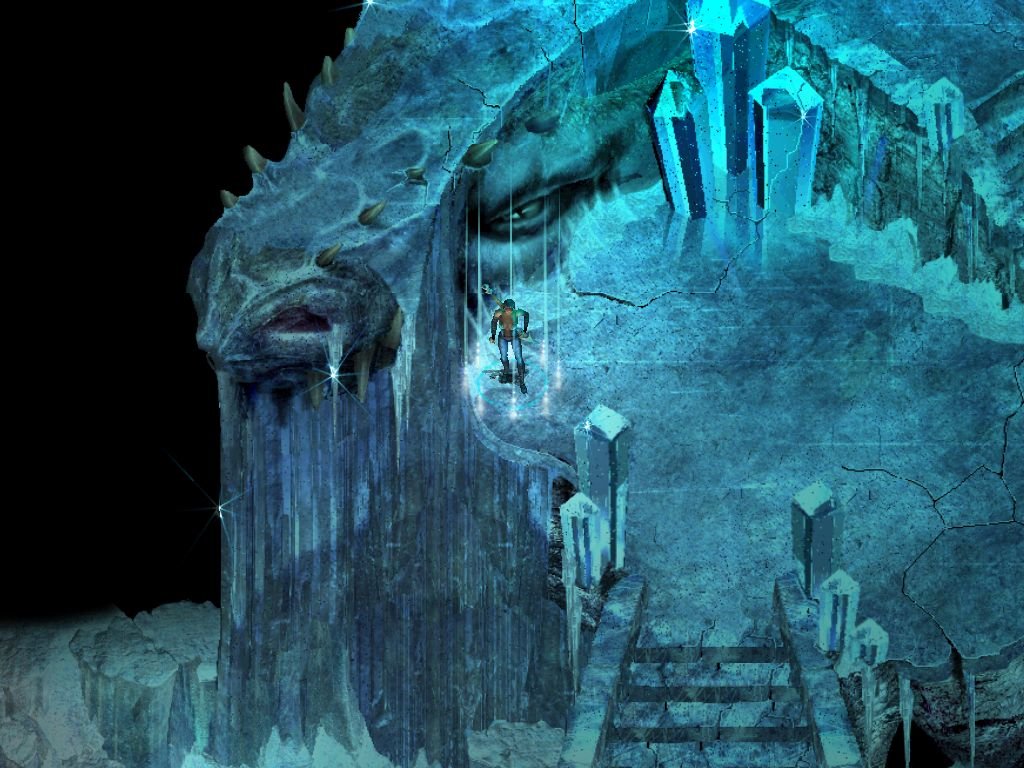
The other headline mechanic is the Dreamworld, a parallel spirit layer sitting on top of the same maps. Press a key and the color drains out, mundane soldiers vanish, and ghosts, wraiths, and the leftover essence of a dead god take their place. You can duck into it to skip a pack of archers, pick a fight with the one demon that exists on both planes, vacuum up essence to speed attunement unlocks, or just wander a prettier, emptier version of the same swamp. Time in there is limited until you level up, and the realm has its own ways of killing you, so it never quite becomes a free “I win” button. Used well, it is the closest the combat gets to feeling clever instead of sticky.
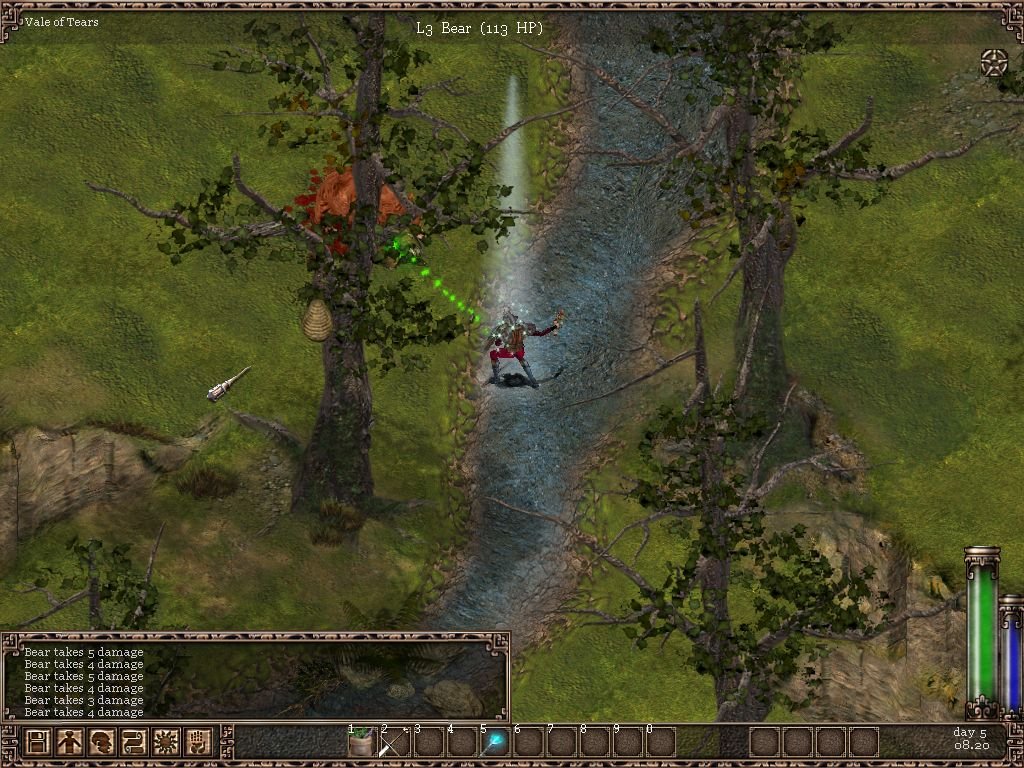
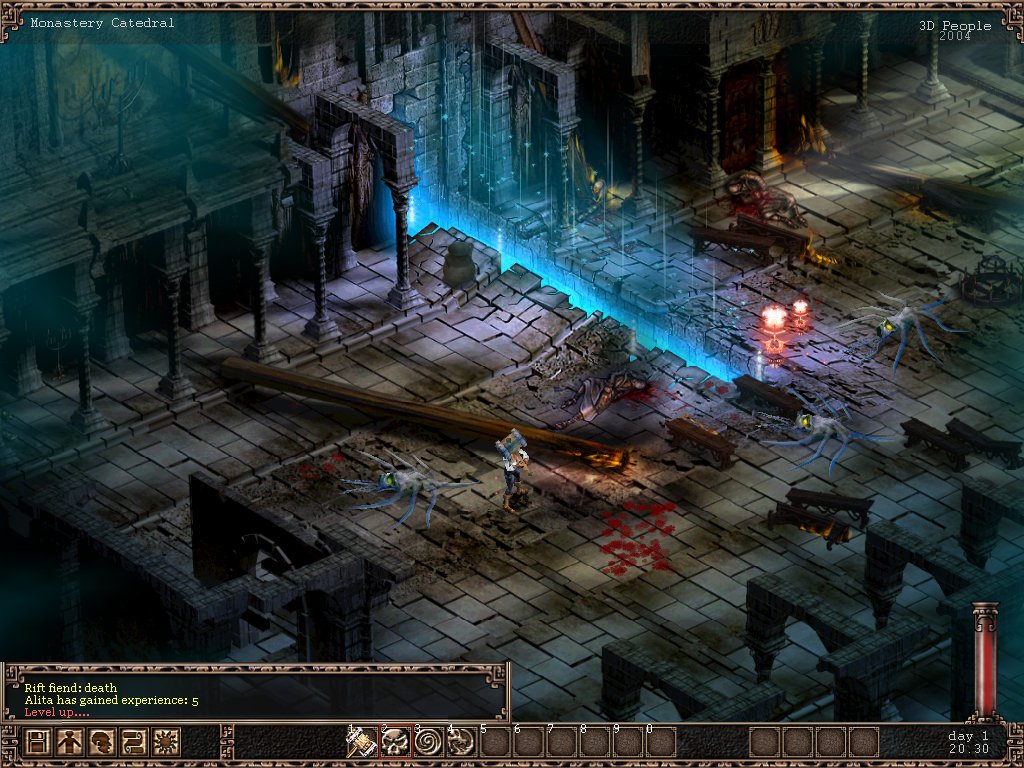
Combat itself is real-time isometric hack-and-slash in the Diablo family, with click-to-move, a modest spell list, and the usual pile of rats-to-bandits-to-bosses. It works. It does not sing. Attacks can feel a little floaty, magic often outpaces melee, and late enemies sometimes turn into health sponges. The health system is the one combat idea that still feels sharp: healing items never run out, but every gulp knocks down your maximum hit points until you sleep at a campfire, an inn, or the house you can actually buy. You can panic-heal forever. You just get smaller while you do it. That single rule does more for tension than another stack of potions ever would.
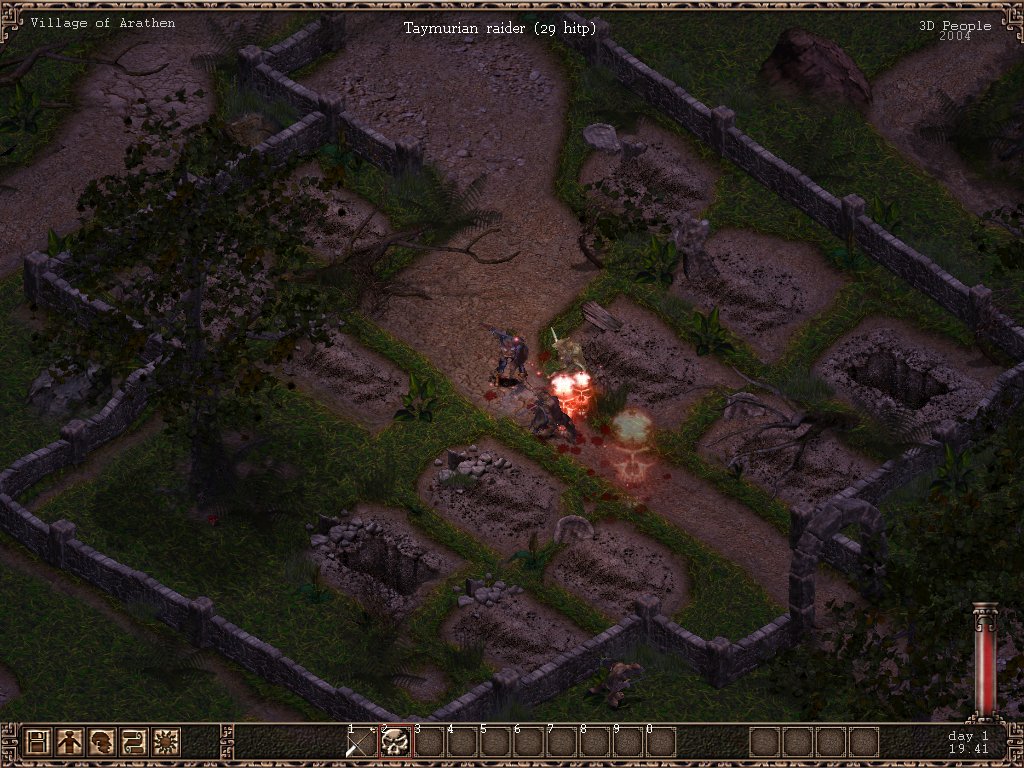
Presentation is where the game punches above its budget and then trips on the way out of the ring. The isometric maps — especially the fortress city of Kyallisar, all rock, rope bridges, and leftover ships — still have atmosphere. Pre-rendered backdrops plus 3D characters was a common trick then, and here it looks gloomy in a way that matches the script. Sean Kolton’s score and the presence of Tom Baker on narration are the kind of “wait, really?” details that make old PC boxes charming. The flip side is the expected 2004 tax: pathfinding tantrums, the occasional creature welded to a wall, but nothing major.
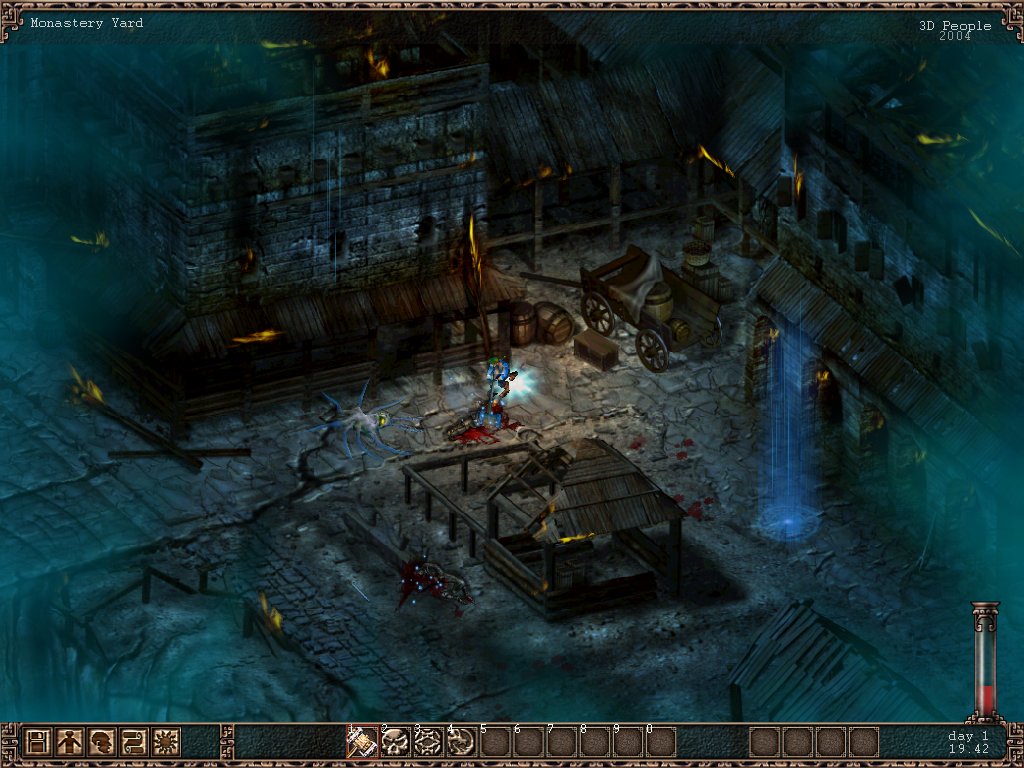
Length is reasonable. A straight run is often in the high teens to low twenties of hours; poking every map and hunting attunements stretches it toward thirty. That shortness is a feature. The combat would wear out a forty-hour campaign. As a concentrated dark-fantasy story with a toybox skill system, it knows when to stop. Later games in the same universe, Shadows: Heretic Kingdoms and Shadows: Awakening, tried to rebuild the setting with party-swapping and dual worlds. They have their own fans. This first one is still the meaner, stranger artifact and is definitely worth a look for CRPG and ARPG fans alike.