
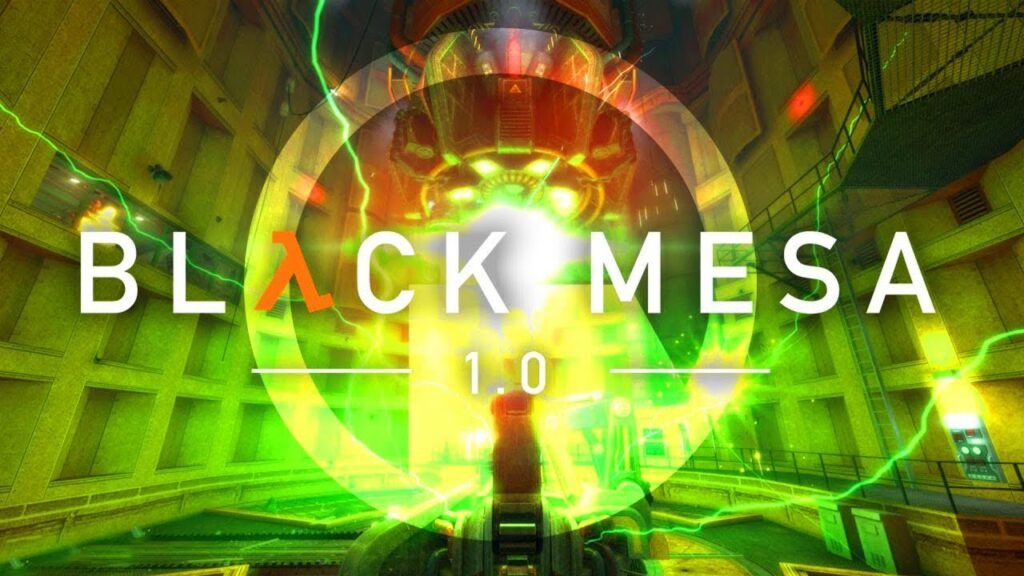

It is almost impossible to talk about Black Mesa without acknowledging the sheer, stubborn audacity of its existence. We aren’t talking about a massive studio like Capcom or Square Enix throwing hundreds of millions of dollars at a legacy title. This started as a bunch of modders in 2004 who looked at Half-Life: Source—Valve’s own official port of the original game to the then-new Source engine—and collectively said, “We can do better.” They weren’t being arrogant; they were right. What followed was a sixteen-year development odyssey that turned a fan project into a retail powerhouse, effectively teaching the entire industry how to properly handle a remake without losing the soul of the source material.
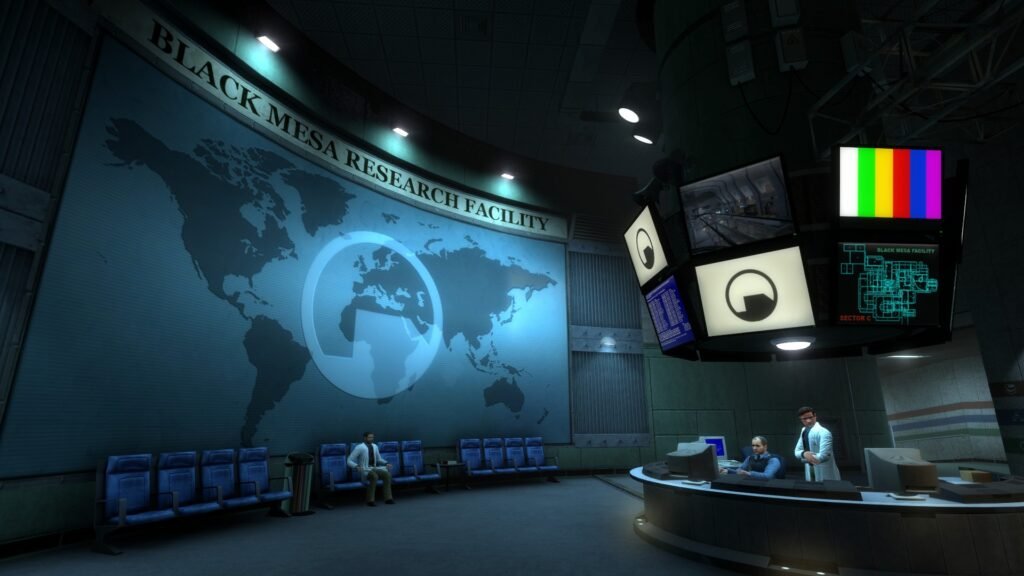
When you first step off that iconic tram in the Black Mesa Research Facility, the atmosphere hits you like a ton of radioactive bricks. The original 1998 classic relied heavily on your imagination to fill in the blanks of its low-poly world. Crowbar Collective, the team behind this remake, didn’t just add higher-resolution textures; they rebuilt the entire facility to feel like a functional, lived-in scientific hub. The labs look cluttered with actual research equipment, the cafeterias feel like places where people actually ate mediocre pizza, and the scale of the machinery feels appropriately massive. It’s a masterclass in environmental storytelling, utilizing the Source engine to its absolute limit to ground Gordon Freeman’s “very bad day” in a tangible reality.
A Modern Polish on a Classic Crowbar
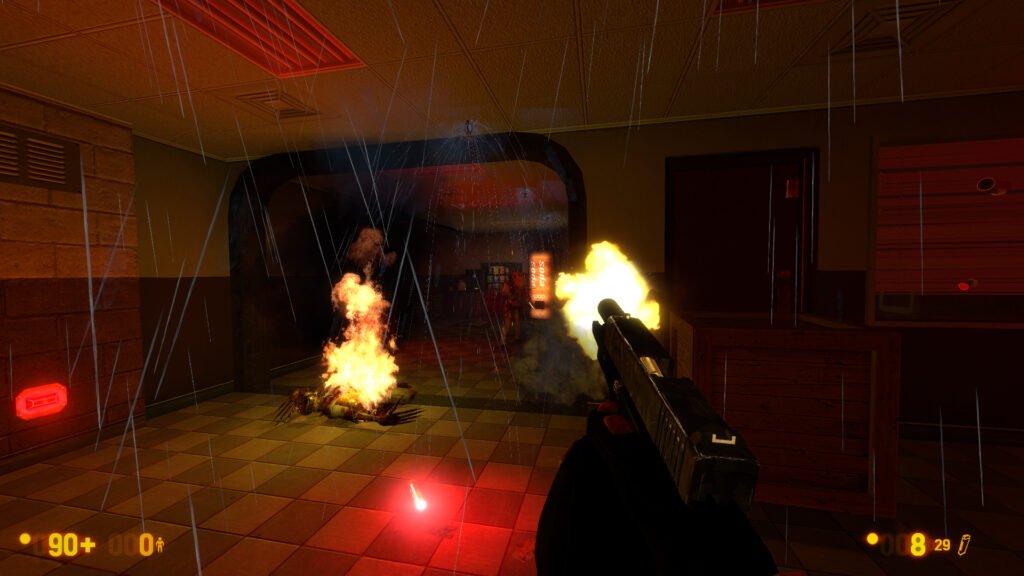
The gameplay loop of Half-Life has always been a weird, beautiful hybrid of high-speed shooting, environmental puzzling, and platforming. Black Mesa treats these mechanics with incredible reverence while smoothing out the jank that comes with 1990s game design. The gunplay feels punchy and dangerous. When you fire the SPAS-12 shotgun, it doesn’t just go “bang”; it feels like it’s punching a hole in the air. The AI for the HECU Marines has been significantly overhauled as well. They no longer just run at you blindly; they flank, suppress, and communicate, making the combat encounters feel like a desperate game of cat-and-mouse rather than a shooting gallery.
One of the biggest triumphs here is the pacing. The original game had sections that, while revolutionary at the time, could feel like a bit of a slog by modern standards. Chapters like On A Rail and Power Up have been trimmed and tightened, removing the frustration of getting lost in repetitive tunnels while keeping the sense of scale intact. It’s the kind of editing that only comes from people who have played the original game a thousand times and know exactly where the friction points are. They didn’t just copy the homework; they corrected the errors.
The Xen Redemption Arc
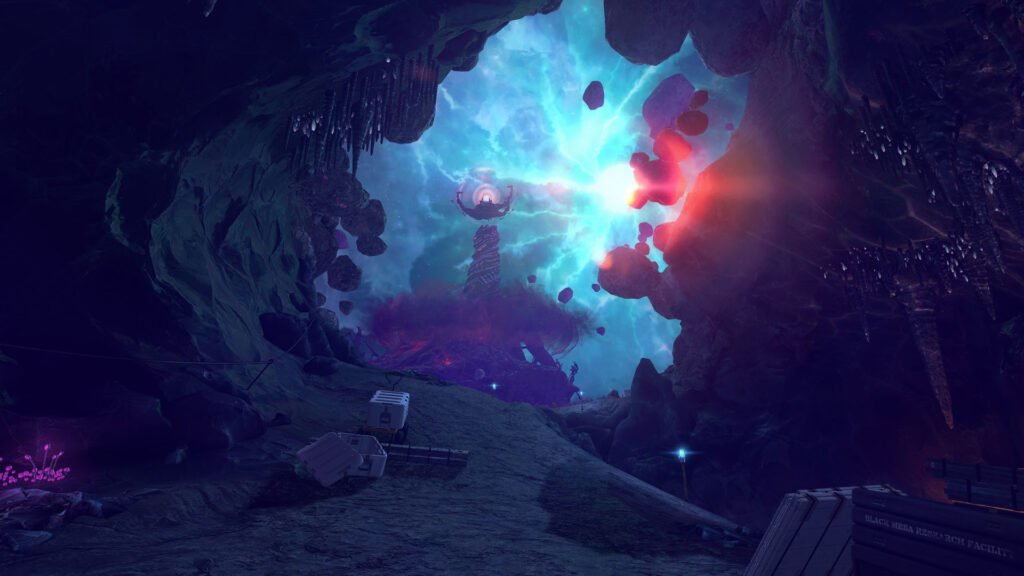
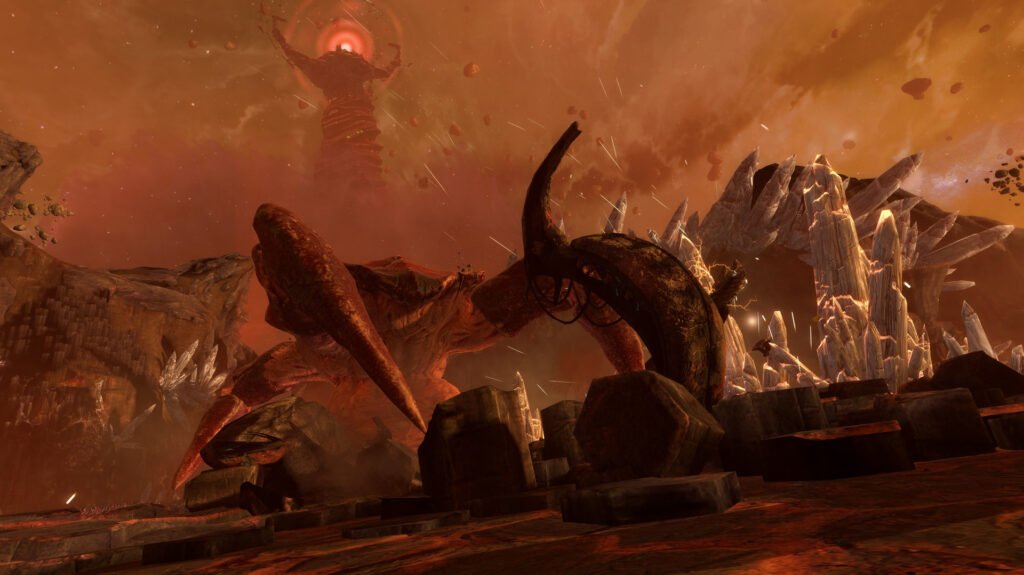
We have to talk about the alien dimension. For twenty years, the Xen chapters of the original Half-Life were the part of the game that everyone tolerated rather than enjoyed. They were floaty, confusing, and felt rushed. Crowbar Collective knew this was their biggest hurdle, and their solution was to basically throw the original levels in the trash and build a completely new game from scratch. The version of Xen in Black Mesa is breathtaking. It’s a vibrant, neon-soaked ecosystem filled with bioluminescent flora and strange, soaring vistas that look like something out of a high-budget sci-fi epic.
But it isn’t just a visual upgrade. They turned the final hours of the game into a sprawling, cinematic experience. The Interloper chapter, which was once a tedious slog through alien factories, is now a massive, multi-stage assault that feels truly epic in scope. The boss fights, particularly the encounter with the Gonarch and the final showdown with the Nihilanth, have been reimagined as complex, multi-phase battles that feel like a proper climax to Gordon’s journey. It’s rare to see a remake take the weakest part of a legendary game and turn it into the absolute highlight, but that’s exactly what happened here.
The Sound of Science and Chaos
The audio design deserves its own standing ovation. Joel Nielsen’s original soundtrack is a departure from the industrial techno-thump of the 1998 version, opting instead for a mix of haunting ambient tracks and high-energy rock that kicks in exactly when the adrenaline needs a boost. There’s a specific track that plays during the Surface Tension chapter—when you’re fighting across the desert cliffs with jets screaming overhead—that makes you feel absolutely invincible. Beyond the music, the voice acting captures the spirit of the original “science team” while giving them just enough personality to make their inevitable demises feel a little more tragic. Hearing a scientist panic as a Headcrab lunges at him still carries that perfect blend of B-movie horror and genuine tension.
Final Thoughts on a Masterpiece
Black Mesa is more than just a trip down memory lane. It’s a testament to what a community can achieve when they have a singular vision and a refusal to quit. It manages to make Half-Life feel like a modern, AAA title released in the 2020s without stripping away the weirdness that made the original so special. Whether you’re a veteran who remembers the first time they saw a Barnacle on the ceiling or a newcomer who wants to see why Gordon Freeman is such a big deal, this is the definitive way to experience the Black Mesa incident. It is, quite simply, one of the best first-person shooters ever made, period.
The success of Black Mesa has clearly lit a fire under the modding community, as we are now seeing the same level of care being applied to the classic expansions. The teams at HECU Collective, Tripmine Collective and PSR Digital are currently hard at work on Peer Review (a remake of Half LIfe: Decay the third expansion to Half-Life) and Operation: Black Mesa (a remake of Opposing Forces) along with Black Mesa: Blue Shift. These projects aren’t just simple ports; they are following the Black Mesa blueprint by reimagining the stories of Barney Calhoun and Adrian Shephard with modern graphics, expanded levels, and entirely new assets. While we’re still waiting on firm release dates, the early footage of Opposing Forces in particular shows off some incredible weapon models and updated enemy types that suggest the “Black Mesa Cinematic Universe” is about to get a whole lot bigger.