
If you’ve ever lost a weekend to the “just one more quest” loop or felt the frantic adrenaline of a Zerg rush, you’ve felt the “Blizzard Polish.” But before they were the juggernaut of Irvine, California, they were just three UCLA grads with a dream and a very different name. Let’s take a deep dive into how a small studio called Silicon & Synapse became the titan known as Blizzard Entertainment.
The Humble Beginnings of Silicon & Synapse
Back in 1991, Mike Morhaime, Frank Pearce, and Allen Adham started a company with $20,000 (mostly from Morhaime’s grandmother—shout out to her for the ultimate investment). At the time, they weren’t building massive online worlds; they were ports-for-hire and makers of quirky console titles. Their early hits like The Lost Vikings and Rock n’ Roll Racing showed a flair for personality and tight mechanics. They weren’t just making games; they were making games that felt good to play.
By 1994, the company briefly rebranded as Chaos Studios, but due to a trademark conflict, they landed on the name we know today: Blizzard Entertainment. Shortly after, they were acquired by Davidson & Associates, which provided the financial runway to pivot toward the PC market—a move that would change the industry forever.
The Golden Era of the “Big Three”
In the mid-90s, Blizzard hit a stride that most developers can only dream of. They established three pillars that would define the company for decades: Warcraft, Diablo, and StarCraft.
Warcraft: Orcs & Humans (1994) took the real-time strategy (RTS) formula and gave it a high-fantasy coat of paint. But it was Warcraft II: Tides of Darkness that truly blew the doors off, introducing naval combat and much deeper strategy. Then came Diablo in 1996, a dark, gothic action RPG that basically invented the modern loot-grind genre. It was also the debut of Battle.net, a free online matchmaking service that was lightyears ahead of its time.
Then, in 1998, they launched StarCraft. It wasn’t just a space-RTS; it became a national sport in South Korea and solidified Blizzard as the king of competitive gaming and esports. This era was defined by the “Blizzard Polish”—the idea that a game isn’t finished until it’s perfect, leading to legendary (and often frustrating) development delays.
The World of Warcraft Phenomenon
If the 90s were about establishing the brands, the 2000s were about total world domination. In 2004, World of Warcraft (WoW) launched. While MMORPGs (Massively Multiplayer Online Role-Playing Games) existed before, WoW made them accessible. It turned a niche hobby into a global cultural phenomenon. At its peak, 12 million people were paying a monthly subscription to live in the land of Azeroth.
This success brought unimaginable wealth, but also corporate complexity. Blizzard’s parent company underwent various mergers, eventually leading to the massive Activision Blizzard merger in 2008. While Blizzard remained a separate entity with its own culture for years, the influence of a publicly-traded mega-publisher began to show in the coming decade.
Highs, Lows, and the Microsoft Era
The 2010s were a mixed bag. On one hand, you had the massive success of Hearthstone (proving Blizzard could dominate mobile gaming and cards) and Overwatch, which briefly took the world by storm as the premier hero shooter. On the other hand, the “Blizzard magic” started to feel a bit strained. Projects like the MMO “Project Titan” were canceled after years of work, and Diablo III had a rocky launch involving the controversial Real Money Auction House.
The 2020s brought even more turbulence, including significant workplace culture controversies and legal battles. However, the biggest shift came in late 2023 when Microsoft officially acquired Activision Blizzard for nearly $69 billion. Now, in early 2026, we are seeing a Blizzard that is attempting to return to its “gameplay first” roots under the Xbox Game Studios umbrella, focusing on long-term sustainability and inclusion in Xbox Game Pass.
The Chronological Library of Blizzard Games
RPM Racing was the very first title, released in 1991 for the SNES. It was a remake of an older title called Racing Destruction Set and featured a custom track creator, which was a high-tech novelty for console players in the early 90s.
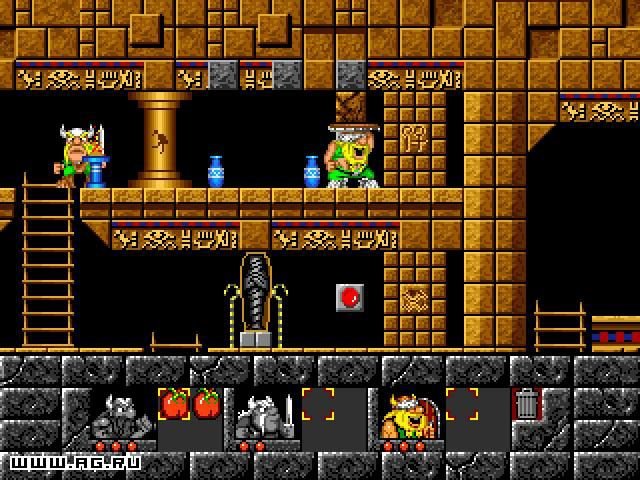
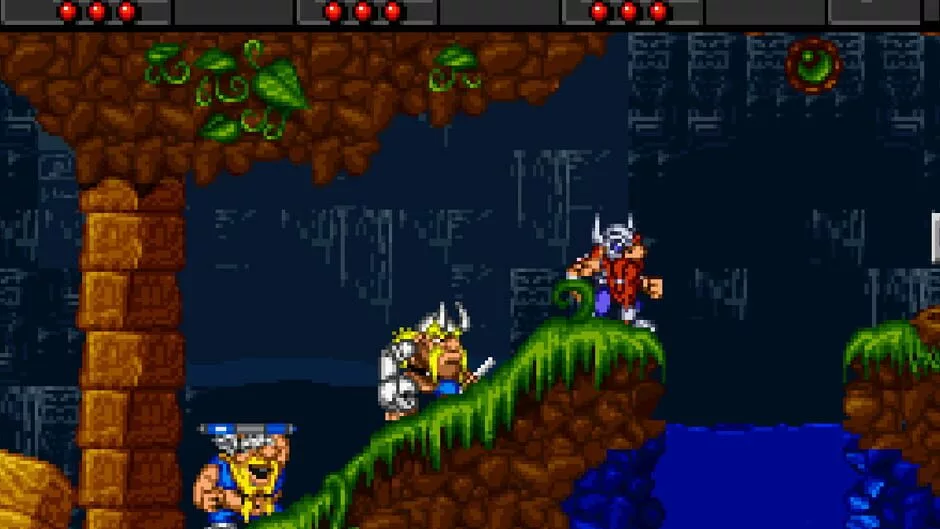
The Lost Vikings followed in 1992, introducing players to Erik the Swift, Olaf the Stout, and Baelog the Fierce. It was a clever puzzle-platformer where you had to use the unique abilities of each Viking to reach the exit, establishing Blizzard’s knack for character-driven mechanics.
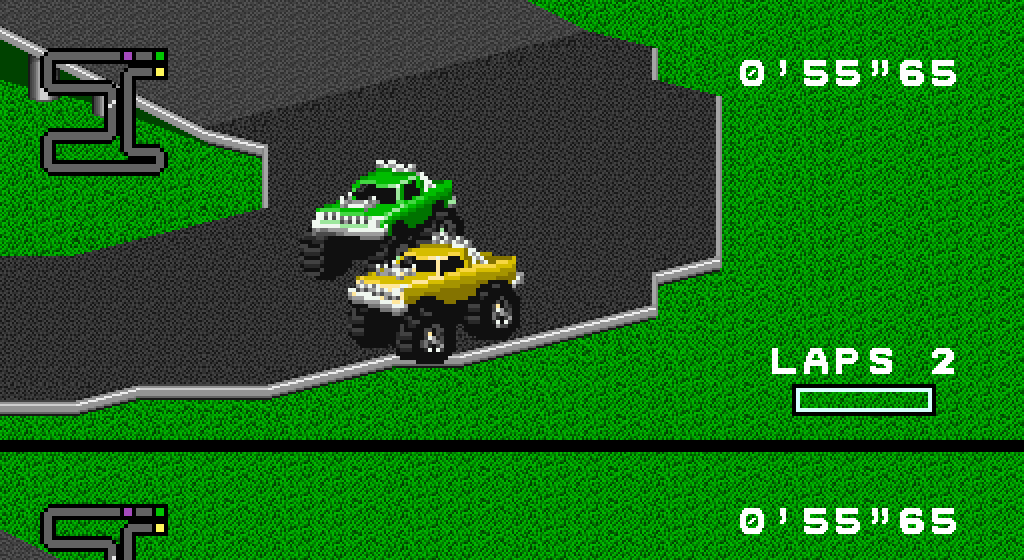
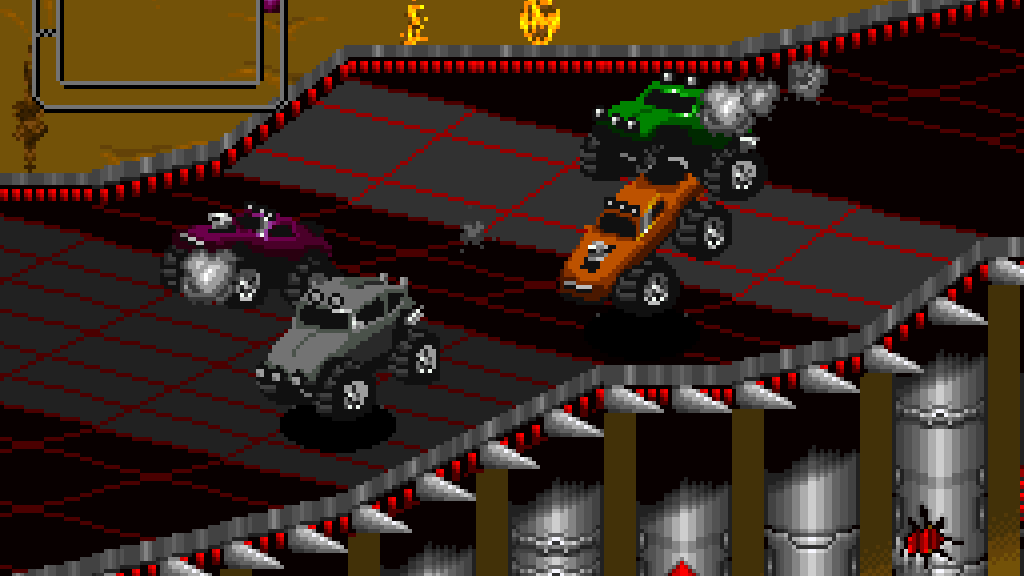
Rock n’ Roll Racing hit the scene in 1993. This wasn’t your average racer; it featured heavy metal MIDI soundtracks and combat-based driving, becoming a cult classic on the SNES and Sega Genesis due to its fast pace and “intergalactic” flair.
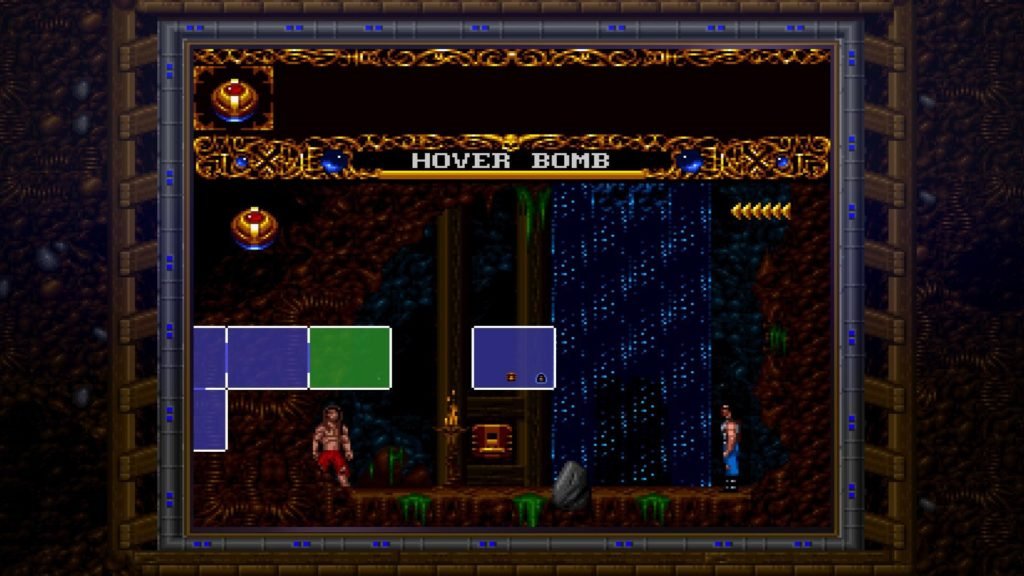
Blackthorne arrived in 1994 as a cinematic platformer. It was grittier and more mature than their previous work, featuring a shotgun-toting hero on an alien planet, and showed that the studio could handle darker themes and rotoscoped animation styles.
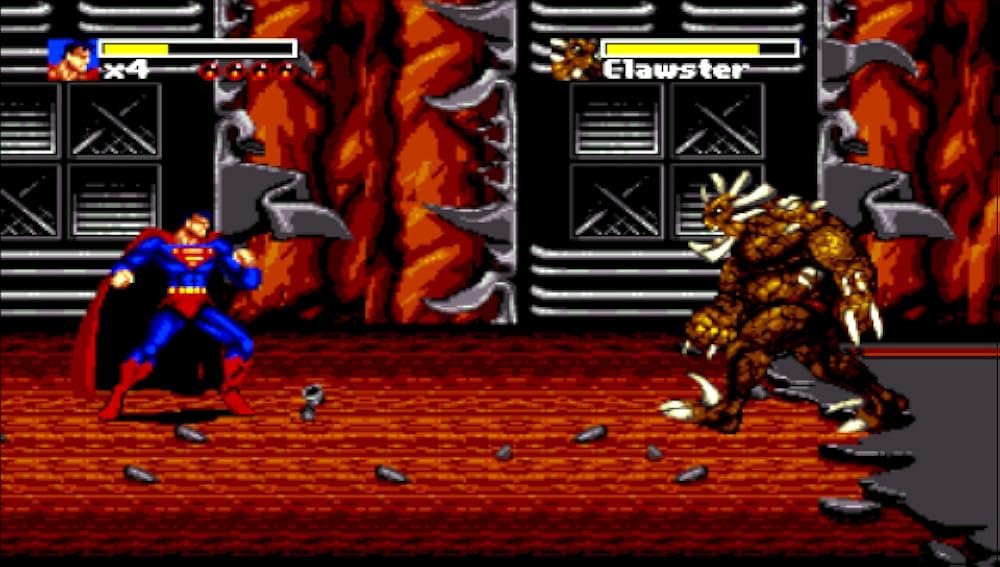
The Death and Return of Superman, also released in 1994, was a side-scrolling beat ’em up based on the famous DC comic book arc. It was one of the last games they developed before fully transitioning into the Blizzard brand we recognize today.
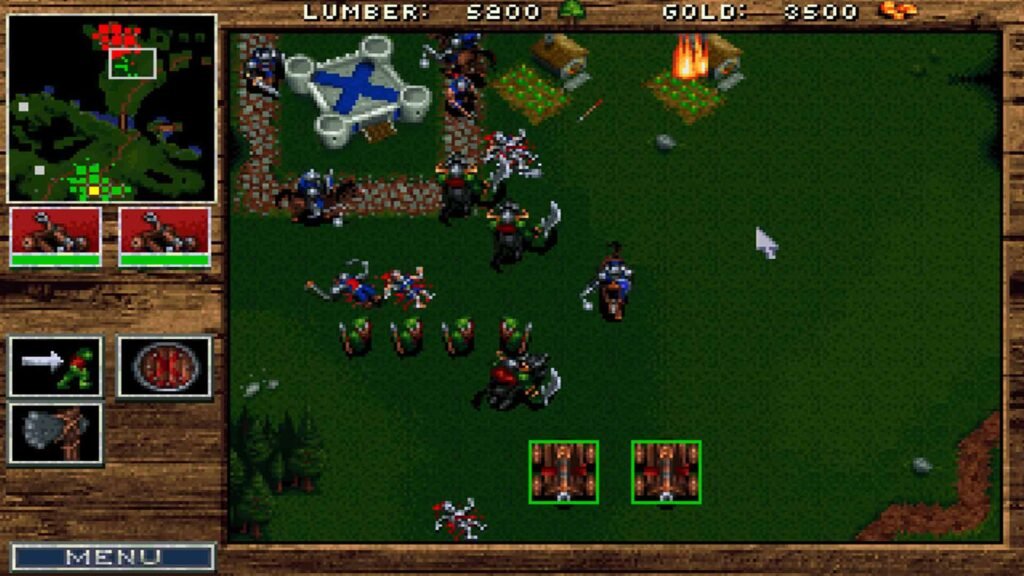
Warcraft: Orcs & Humans launched in late 1994, marking the birth of a legend. It brought the RTS genre to the masses with its intuitive controls and the eternal struggle between the Humans of Stormwind and the Orcish Horde, laying the foundation for all future lore.
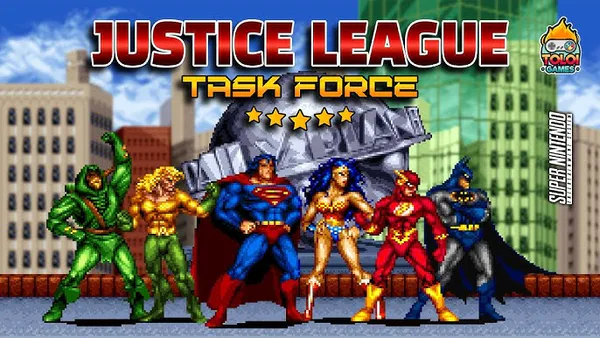
Justice League Task Force was a 1995 fighting game that Blizzard co-developed. While not their most famous work, it allowed players to pit DC heroes against each other long before the Injustice series existed, though it struggled to compete with the giants of the fighting genre.
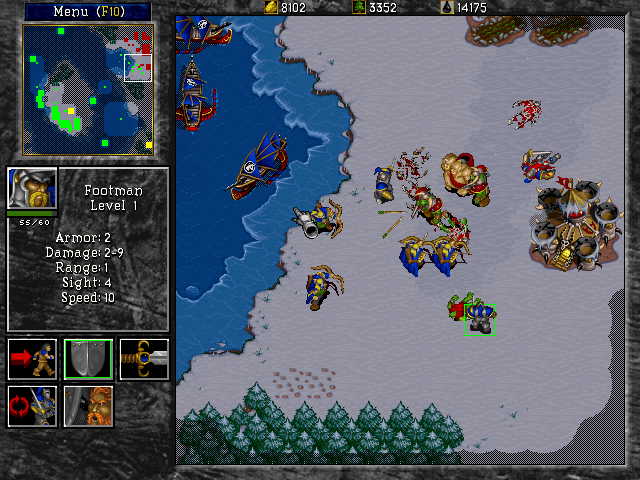
Warcraft II: Tides of Darkness came out in 1995 and was a massive leap forward. With high-resolution graphics and the introduction of naval and air units, it became the gold standard for strategy games and introduced the Fog of War mechanic that became an industry staple.
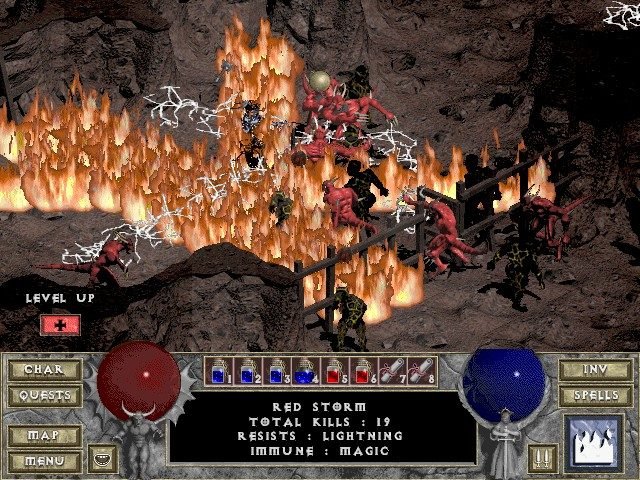
Diablo arrived on the last day of 1996, though most played it in 1997. It introduced the world to the dark cathedral of Tristram and the addictive loop of clicking monsters to get better loot, effectively creating the Action RPG blueprint.
The Lost Vikings 2 was released in 1997, bringing the trio back with new robotic upgrades and more complex puzzles. While a solid sequel, it was somewhat overshadowed by the studio’s burgeoning PC gaming hits that were taking the industry by storm.
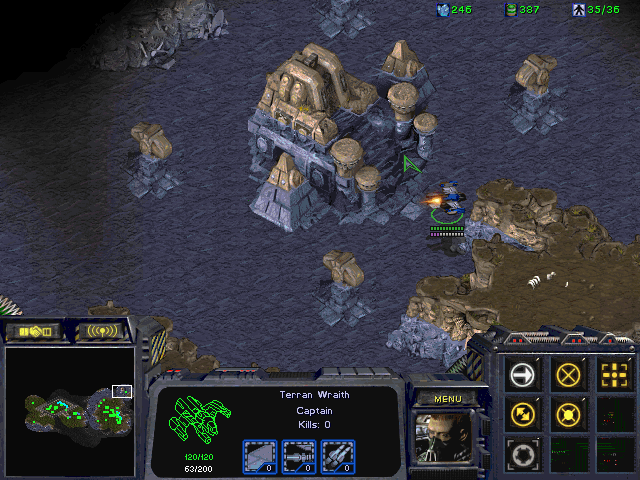
StarCraft launched in 1998 and redefined the RTS genre. With three completely asymmetrical factions—Terran, Zerg, and Protoss—it became the foundation for modern pro-gaming and remains a cultural touchstone in the world of competitive strategy.
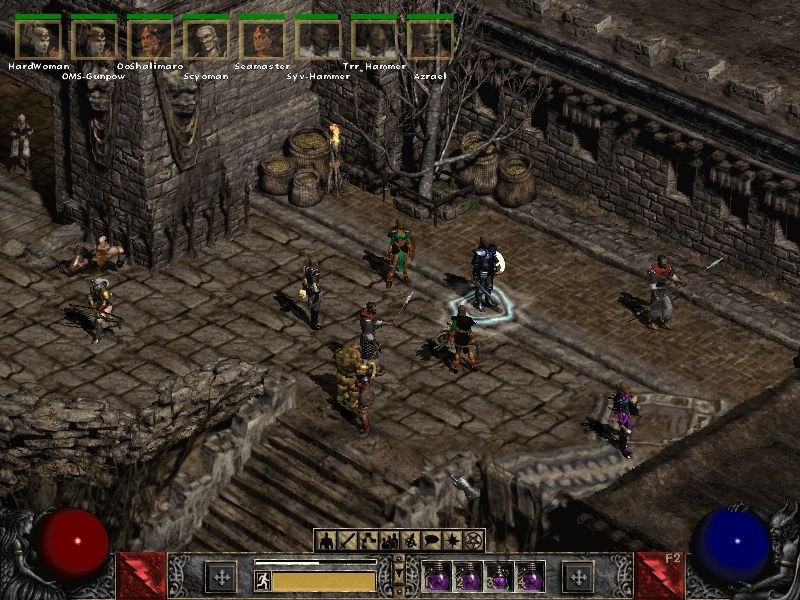
Diablo II arrived in 2000 and is often cited as one of the greatest games of all time. It expanded the world of Sanctuary significantly and perfected the skill tree system and seasonal ladders that many modern RPGs still use as a reference point.
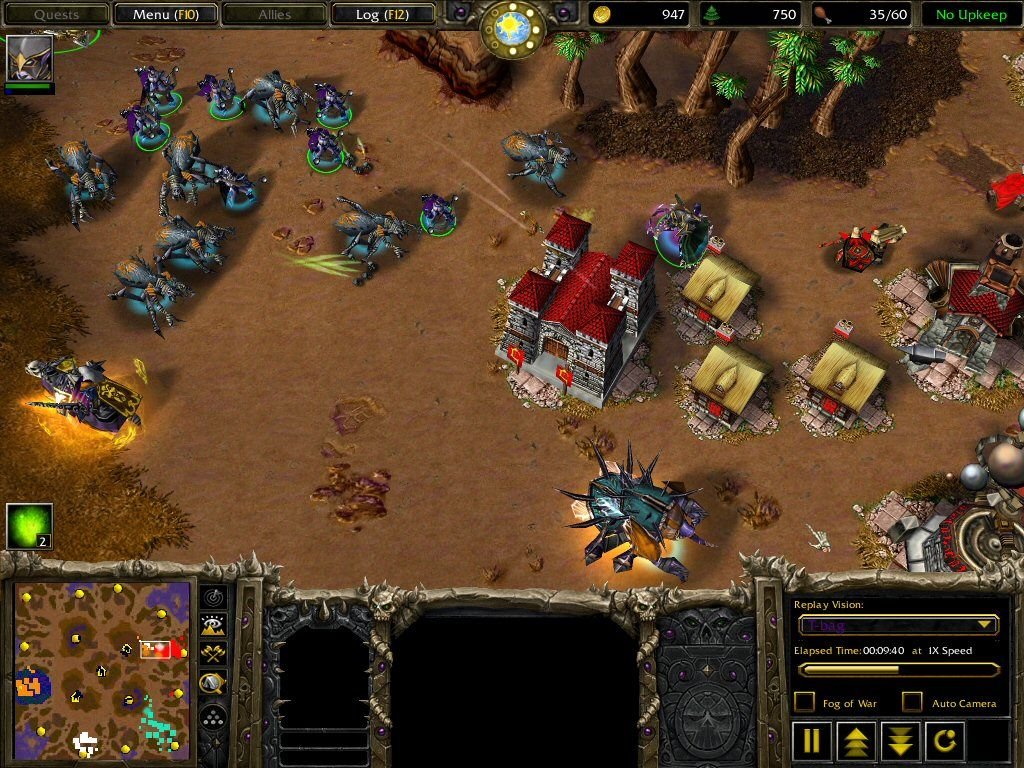
Warcraft III: Reign of Chaos was released in 2002, moving the series into 3D graphics. It introduced Hero units, which added RPG elements to the strategy formula and accidentally birthed the MOBA genre via its powerful World Editor and the fan-made map DotA.
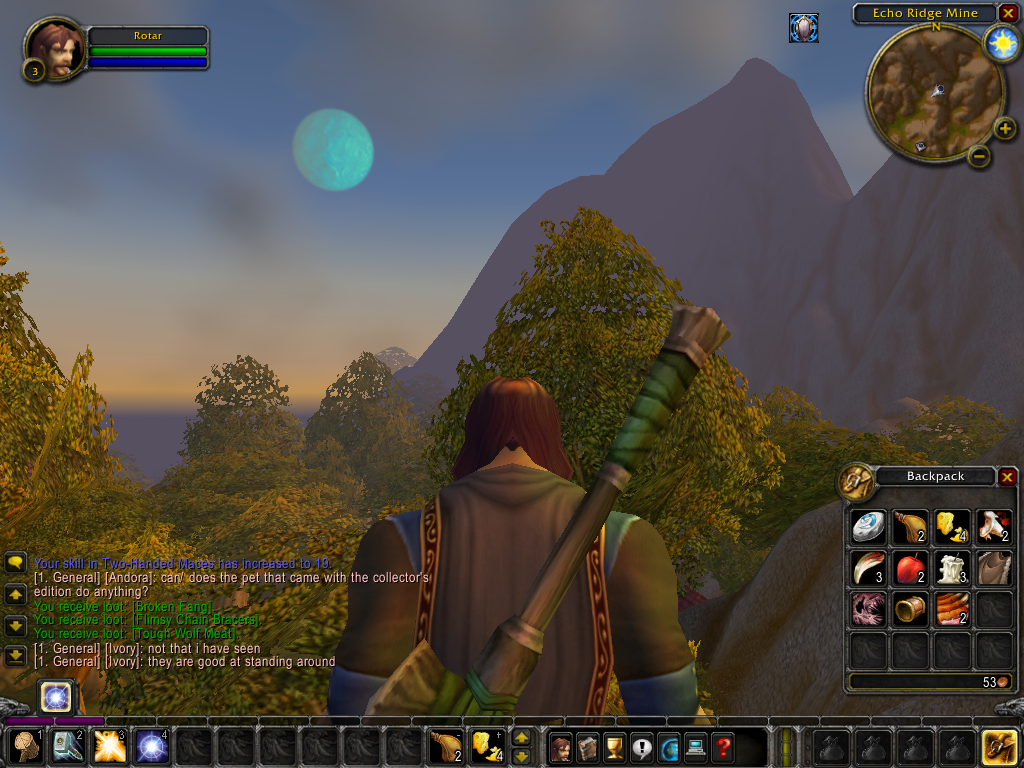
World of Warcraft changed everything in 2004. It took the lore of the RTS games and let millions of players inhabit it simultaneously. It became the most successful subscription-based game in history and spawned a massive lifestyle brand and even a feature film.
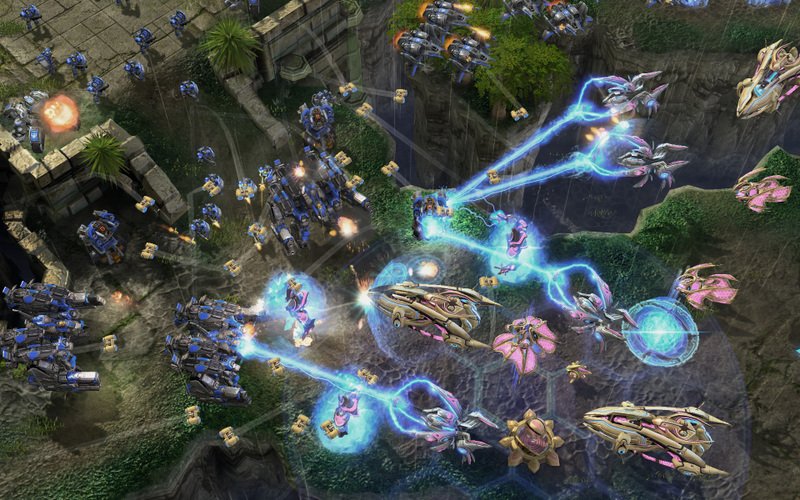
StarCraft II: Wings of Liberty landed in 2010 after a decade of anticipation. It brought the competitive RTS into the modern era with incredible production values and a highly refined matchmaking system, splitting its massive story into three separate expansions.
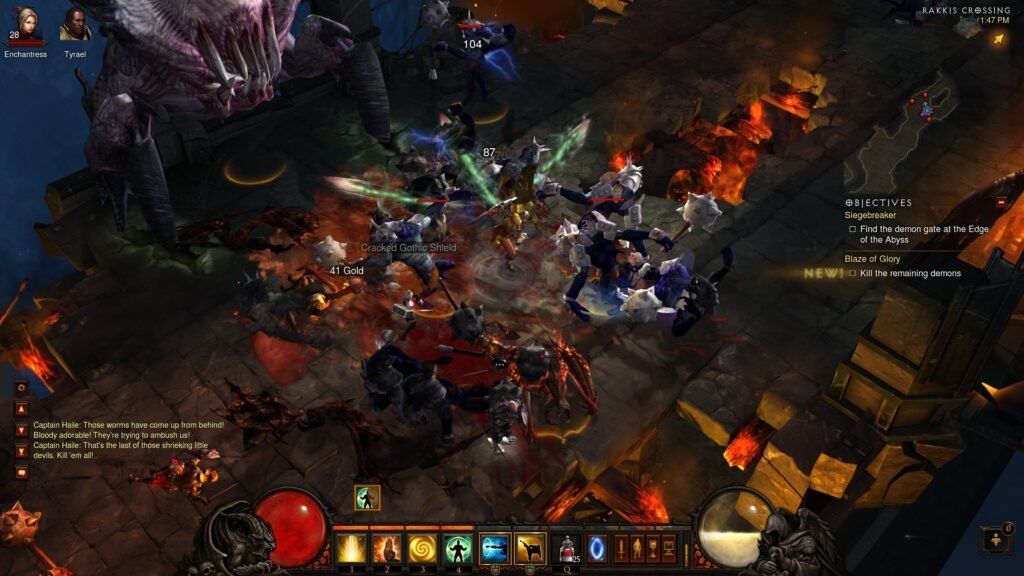
Diablo III followed in 2012. Despite a controversial launch involving “Error 37” and the Auction House, it eventually became a massive success after the Reaper of Souls expansion fixed the loot system and introduced the popular Adventure Mode.
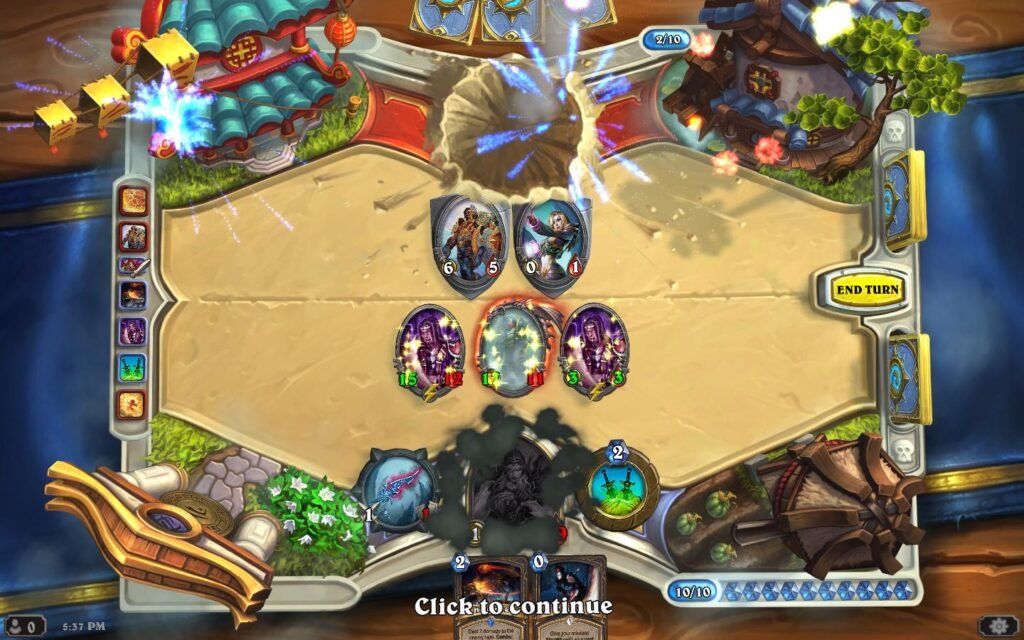
Hearthstone launched in 2014 as a small “side project” that exploded. This digital collectible card game (CCG) used Warcraft lore to create an accessible yet deep competitive experience that dominated Twitch and mobile storefronts for years.
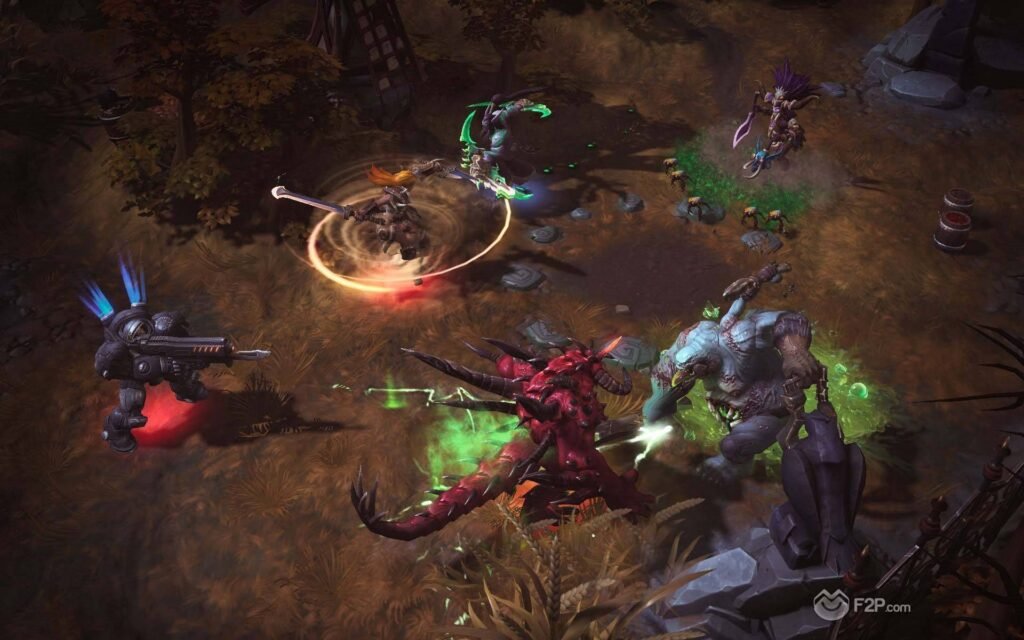
Heroes of the Storm entered the MOBA arena in 2015. It was Blizzard’s “all-star” game, bringing characters from across all their franchises together for a more team-focused and objective-based take on the genre compared to its competitors.
Overwatch arrived in 2016 and became an instant global phenomenon. Its diverse cast of heroes and emphasis on objective-based team play earned it numerous Game of the Year awards and launched a massive professional esports league.
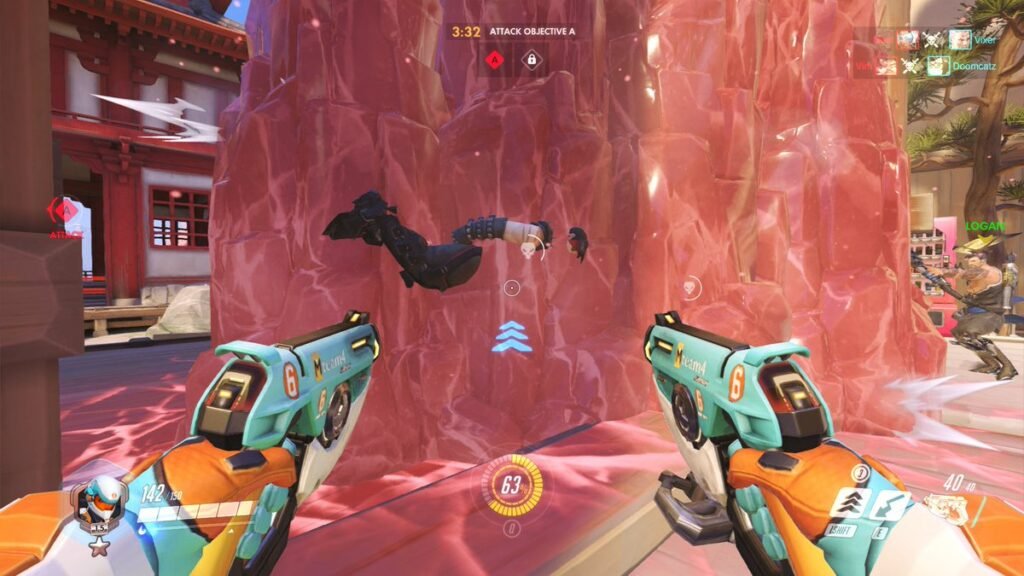
Diablo Immortal was released in 2022 for mobile and PC. While controversial for its aggressive monetization and microtransactions, it brought the core Diablo experience to a massive global mobile audience and maintained a steady player base.
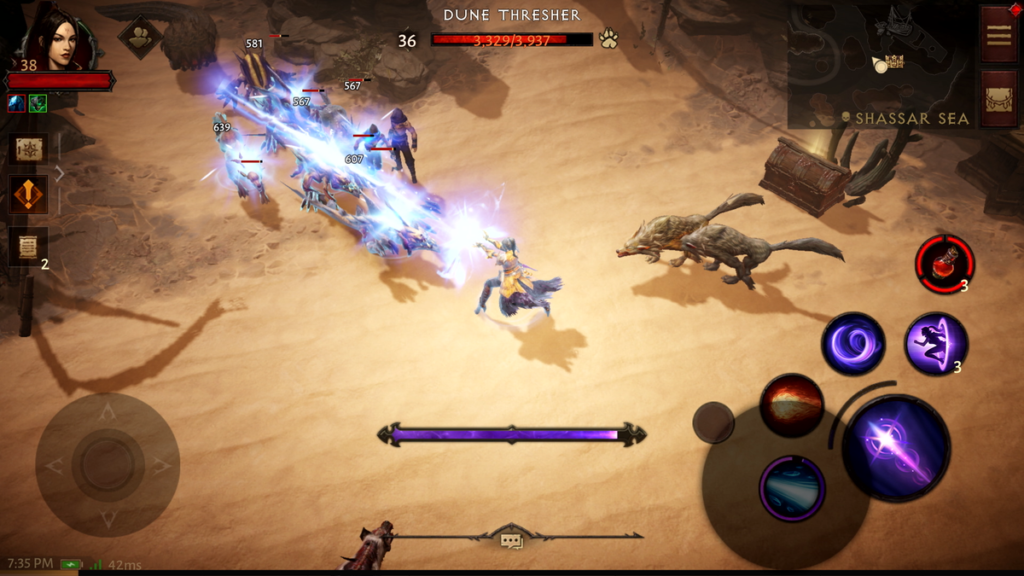
Overwatch 2 also launched in 2022, transitioning the series to a 5v5 format and a free-to-play model. The goal was to provide more frequent content updates and “seasonal passes” to keep the competitive community engaged in a changing market.
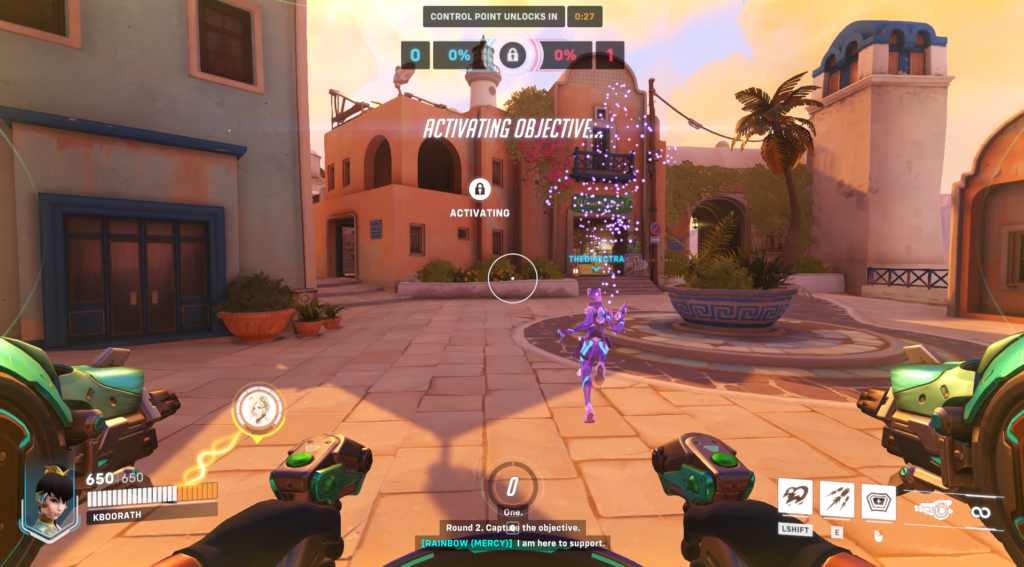
Diablo IV arrived in 2023, returning to the dark, gritty roots of the series. It combined a massive open world with a live-service model, offering players a sprawling playground in Sanctuary to explore through a seasonal structure and major story expansions.
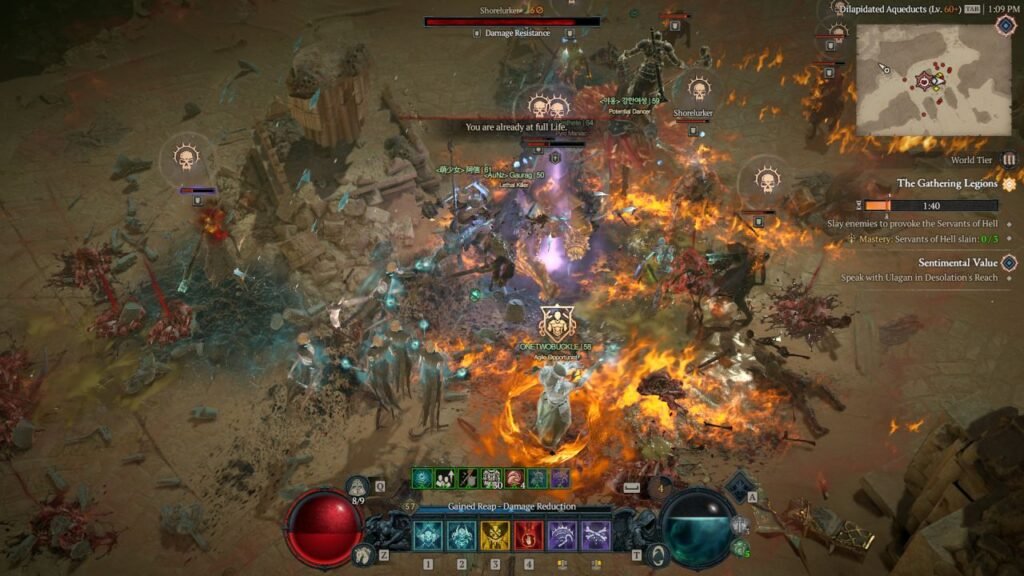
Warcraft Rumble was the studio’s 2023 mobile strategy offering. It took the beloved characters of Azeroth and turned them into Minis for fast-paced, chaotic tactical battles, proving that the Warcraft brand could still thrive in a bite-sized format.
What’s Next: Azeroth and Sanctuary
As we look at the horizon in 2026, Blizzard is doubling down on its heavy hitters under the wing of Microsoft. For World of Warcraft, we are currently deep into the Worldsoul Saga. This ambitious three-expansion arc is attempting to tie up two decades of lore while modernizing the game for a new generation. The focus has shifted toward “evergreen” features like Delves and Warbands, making the game more friendly for “solo” players and those who don’t have forty hours a week to commit to raiding. It’s an attempt to respect the player’s time while keeping the world feeling massive.
Meanwhile, Diablo IV has found its rhythm after a rocky first year. Following the success of the Vessel of Hatred expansion, Blizzard is leaning into a yearly expansion cadence combined with meaningful seasonal overhauls. The goal is to make Sanctuary a “forever home” for ARPG fans, with more experimental classes and expanded social hubs becoming the norm. With the backing of Xbox Game Pass, the barrier to entry has never been lower, allowing the developers to focus on long-term player retention rather than just initial sales. Blizzard is trying to prove that their best days aren’t just in the rearview mirror, but waiting in the next patch.
Check out the awesome 35 Years of Blizzard mini-movie they made, below: