
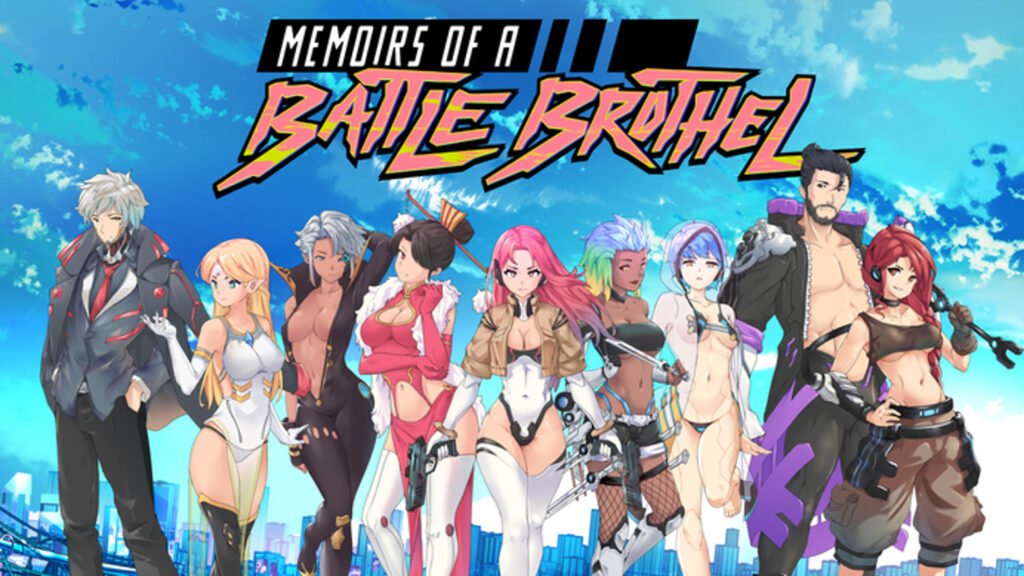

Let’s talk about a game with a name that makes people either smirk or raise an eyebrow so hard it almost leaves the face. Memoirs of a Battle Brothel. Yeah, that’s the full title. It sounds like pure late-night Steam browsing material, the kind of thing you click on when you’re half-joking and fully curious. But here’s the thing: once you actually dig in, this adult game turns out to be one of the more thoughtful, mechanically solid, and surprisingly immersive experiences in the NSFW space.
Developed by the solo-ish team at A Memory of Eternity (the main creative force often going by Tyranicon in older posts), Memoirs of a Battle Brothel is a narrative-driven, tactical turn-based RPG set in the gritty cyberpunk island city-state of MoonFall. You play as a Facilitator, a kind of hybrid administrator, bodyguard, free agent, and professional problem-solver for the Courtesan’s Guild. These aren’t just any sex workers. The women of the Guild are highly trained, socially polished, and fully capable of handling themselves in a gunfight or a knife fight. In MoonFall, luxury and violence live side by side, and the Guild has to protect its interests against crime syndicates, private military companies, internal power struggles, and the occasional serial killer or shadowy conspiracy.
The elevator pitch that gets thrown around a lot is something like “Battle Brothers but with hookers, mixed with a dash of Shadowrun, the companions from Firefly, and the vibe of Sin City’s Old Town.” It’s not wrong. You manage a Guild Hall that functions as your base and brothel, upgrade facilities, take on contracts, build relationships with your companions, and regularly drop into grid-based tactical combat that draws clear inspiration from Final Fantasy Tactics and tabletop systems like D&D 5e. The adult content is front and center when you want it, with animated scenes and romance options, but the game never feels like it’s only existing for the sex. The systems have real weight.
Character creation sets the tone early. You pick a background that actually matters: former courtesan, street thug, spire noble, grifter, mercenary, corp floater, shaper (the local magic-users who pay a price in memories for their power), or even a complete nobody. Your goals and starting situation shift with that choice, and it colors how NPCs react to you. Classes and subclasses give you meaningful builds. You can lean into frontline tanking, ranged artillery, mobility-focused chem-raging, or various flavors of magic that let you warp reality or mess with people’s memories. Gear is customizable with attachments and body modifications, so if you want a gun that yanks enemies closer and then sets them on fire, the systems support that kind of nonsense.
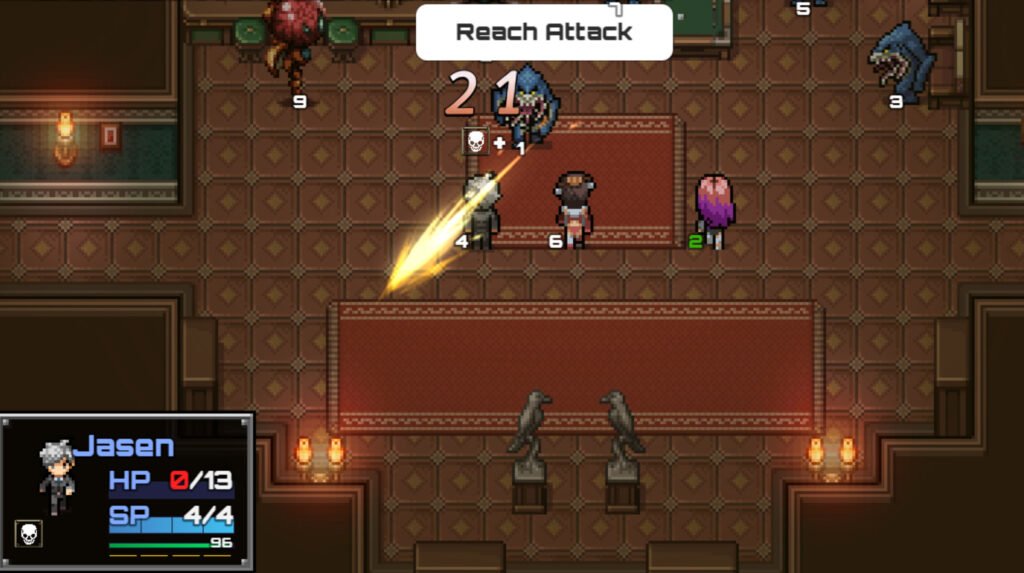
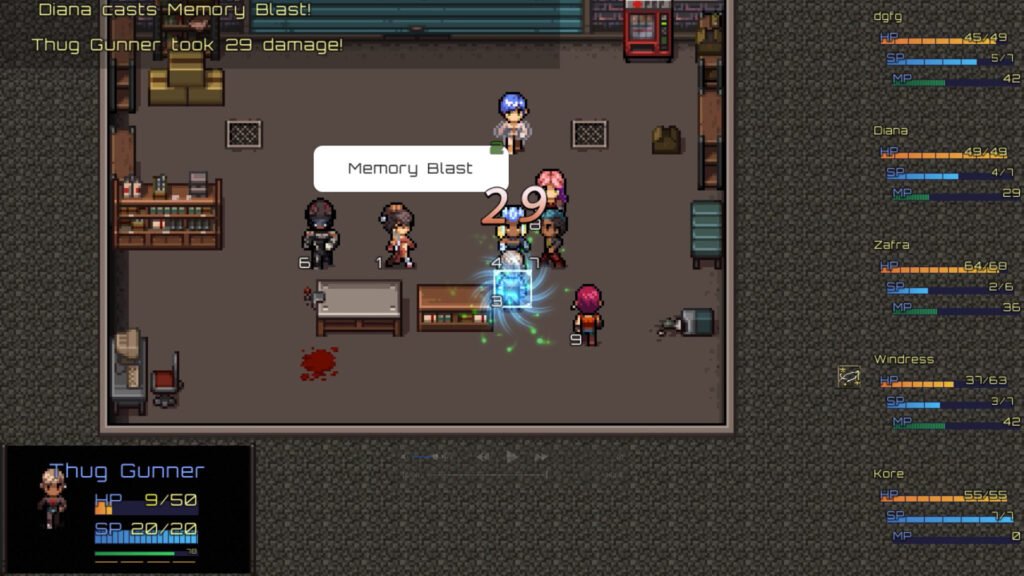
Combat is the real surprise for a lot of players who come in expecting softcore fluff. It’s proper tactical turn-based stuff on a grid. Positioning, abilities, items, and party composition matter. Your companions aren’t just eye candy waiting for the next scene. Characters like the heavily augmented Kore, the muscular and shirt-averse Hatsuo, Thassia, Kaywin, and others bring their own kits and personalities into fights. Some fight with medical lasers, some throw spells, some just hit really hard. There’s an optional trauma system if you want the harder mode where permanent consequences can stick around. The game respects the idea that these women are dangerous first and desirable second, which makes the whole “battle brothel” concept land better than it has any right to.
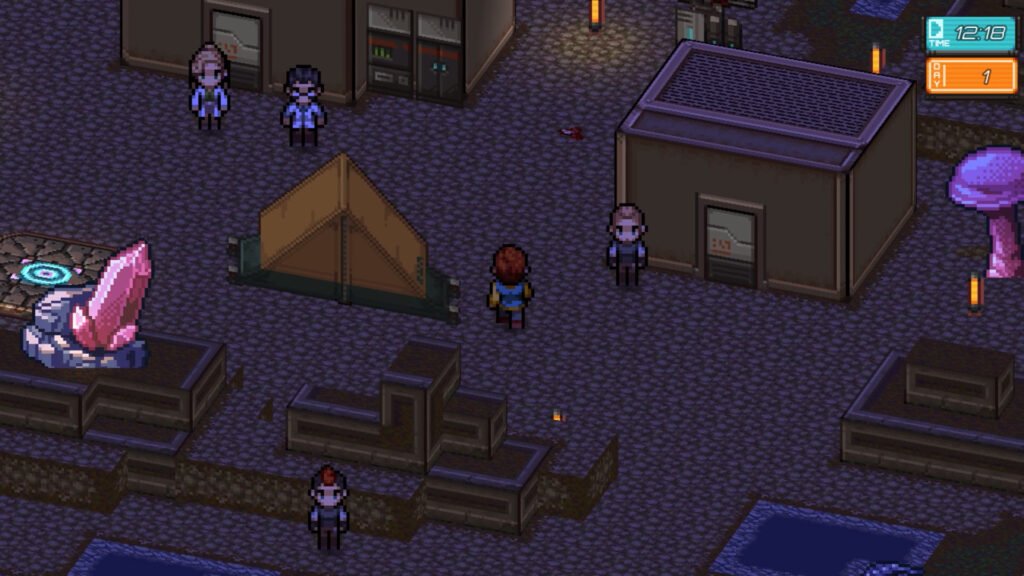
Between fights you run the Guild Hall. This is the management side that gives the game its unique flavor. You build and upgrade facilities—bars, restaurants, spas, theaters, the works—to attract wealthier clientele and keep the courtesans happy. You hire staff, take contracts, and try to keep the books from going into the red while the city around you keeps trying to explode. Diplomacy with the major factions is constant. The Iron Cartel, Stormbreaker Securities, the Old Watch vigilantes, the internal Traditionalist versus Progressive split inside the Guild itself, and stranger groups with names that feel like they wandered out of an SCP file all react to what you do. Your choices ripple. There are multiple campaign paths and endings depending on who you side with and how you resolve the major conflicts.
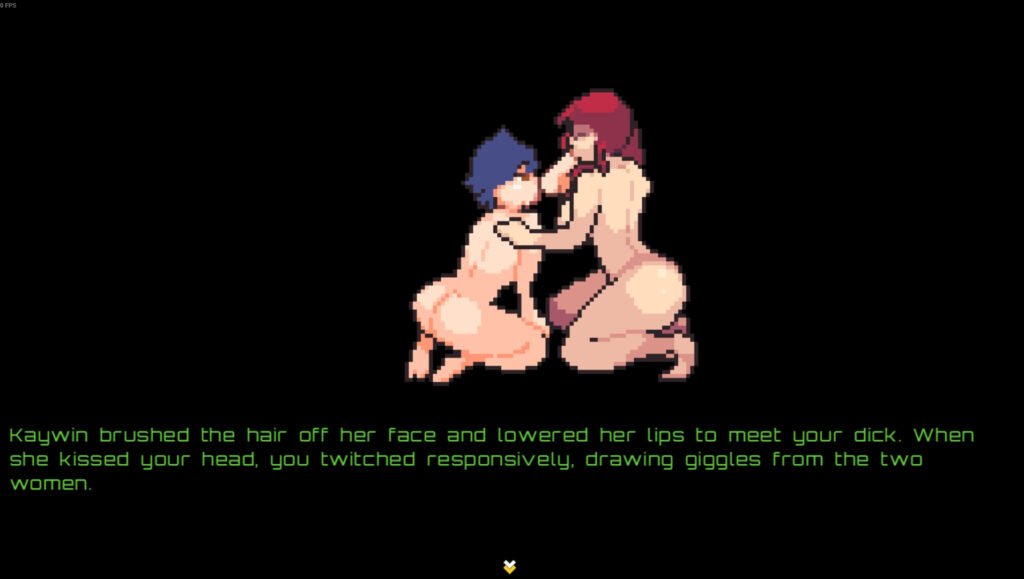
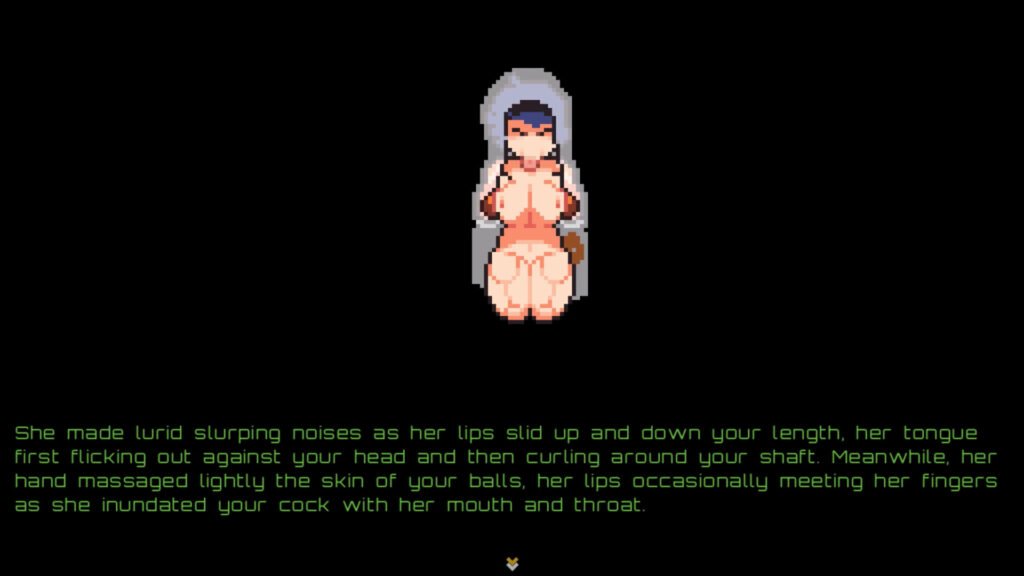
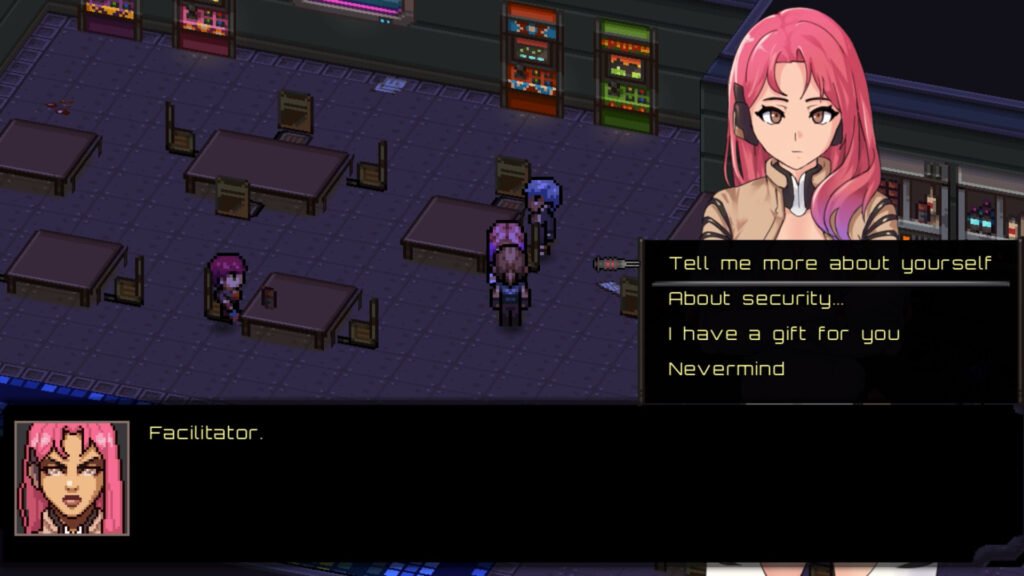
The writing has a sharp, self-aware quality that helps a lot. Quests often have multiple solutions based on your skills and relationships. You can hack a door, talk your way in, or shoot the lock off, and the game notices. Companions have actual personality and history. Romance is possible (and the adult scenes unlock as relationships progress), with a decent amount of variety depending on player character gender and preferences. Some characters are more flexible than others. The game doesn’t shy away from explicit content, but it frames it inside the larger world rather than treating the story as an interruption between scenes.

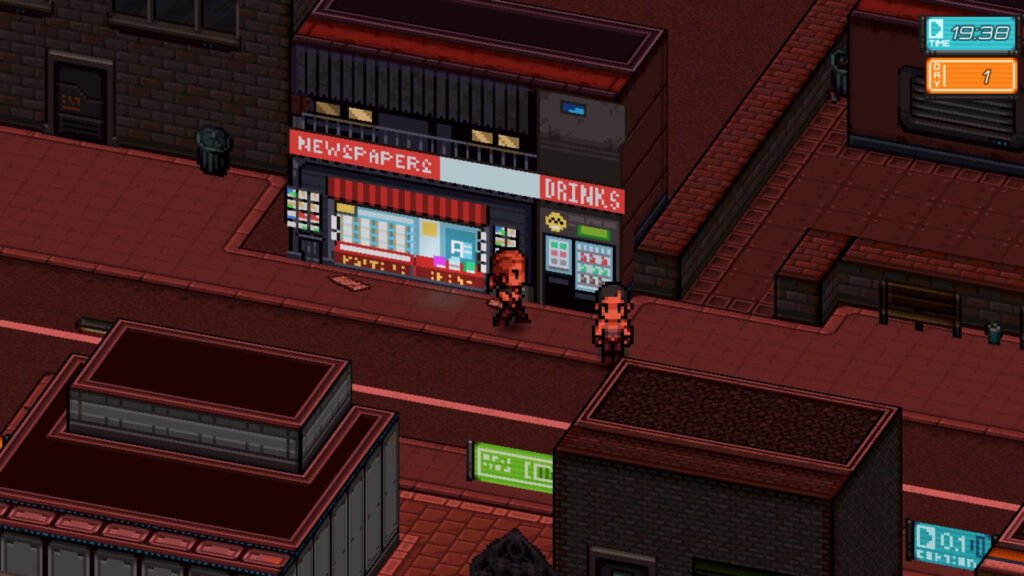
MoonFall itself is a solid setting. Neon lights, rain-slick streets, towering spires for the rich, crumbling quarters for everyone else, magic that feels like a half-forgotten technology, and a constant undercurrent of corporate and criminal power plays. The synthwave soundtrack fits the vibe perfectly. Exploration across the different districts gives you room to poke around, take side jobs, and dig into lore. There are skill checks, free-roam opportunities, and enough side content that a full playthrough with extras can comfortably land in the teens of hours or more, depending on how thorough you are.
The game launched into Early Access, hit 1.0 on Steam in September 2022, and has continued to receive updates. It’s also available on itch.io and GOG. Reception has been solid for what it is—Very Positive on Steam from a few hundred reviews. People who bounce usually do so because of the name, the adult focus, or the fact that it’s still very much an indie production with the limitations that implies. People who stick around tend to praise the combat depth, the companion writing, and the fact that the management and story systems actually feel connected instead of bolted on.
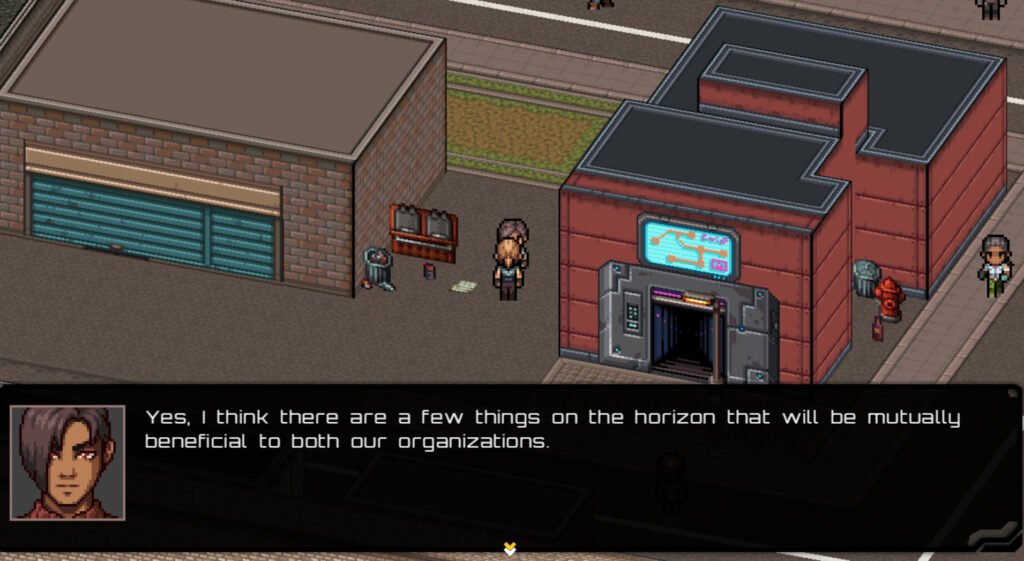
What makes Memoirs of a Battle Brothel interesting in the crowded adult game space is that it treats the player like someone who might actually want to play a role-playing game rather than just click through cutscenes. The sex is there, the animations are there, the relationships matter, but so does positioning your party correctly so the cyborg medic can keep everyone alive while the reality warper melts the opposition. The base-building gives you a sense of ownership over the Guild Hall. The faction work makes the city feel alive and reactive. It’s the rare adult title that doesn’t feel embarrassed about also wanting to be a proper tactical RPG.
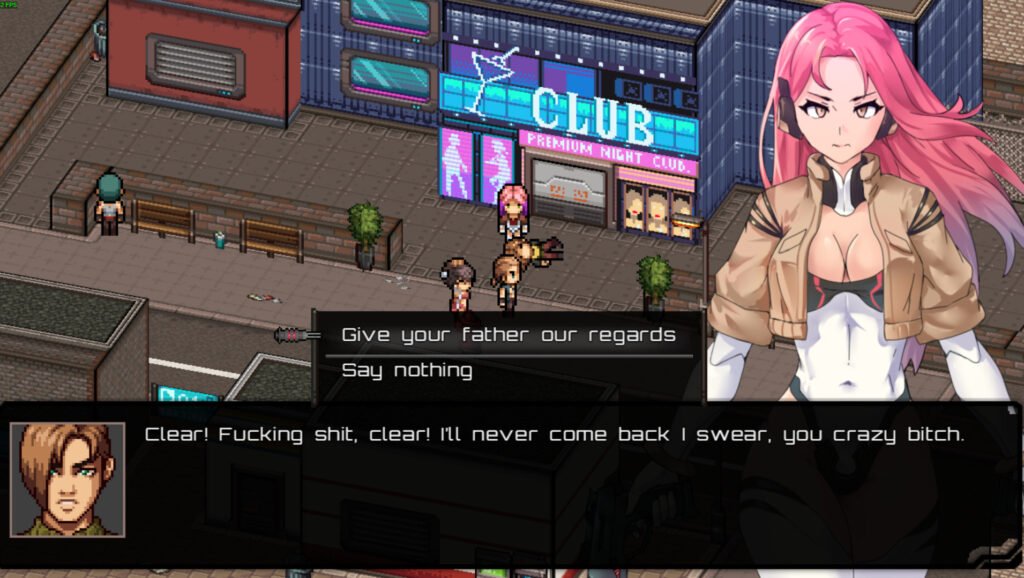
As a mostly solo-developed project, there are rough edges, and the scope means some systems go deeper than others. But the ambition is genuine, the tone is consistent, and the core loop of managing your people, fighting for them, and getting closer to them works. If you can get past the intentionally provocative title, what you find is a cyberpunk story about power, loyalty, survival, and the complicated relationships that form when beautiful, deadly people have to watch each other’s backs in a city that would happily chew them up.
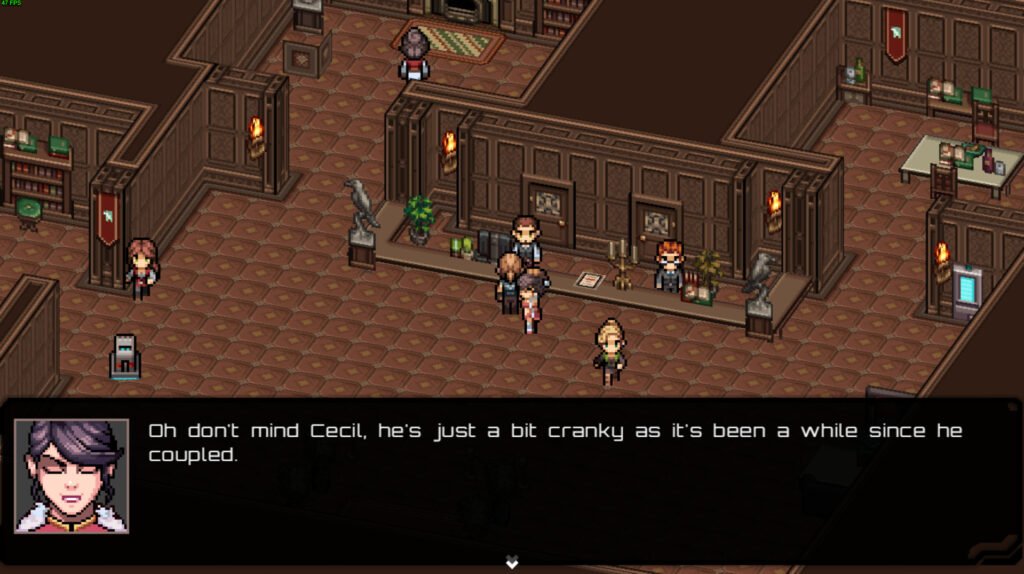
In a genre that often prioritizes quantity of scenes over quality of systems, Memoirs of a Battle Brothel stands out by trying to deliver both. It wants you to care about the fights, the politics, the upgrades, and the people sharing your bed and your firefights. For players who like their adult games with actual tactical depth and a lived-in world, this one is worth the time. Just maybe don’t leave it open on your desktop when the boss walks by. The name alone is enough to start conversations you may not want to have at work.