
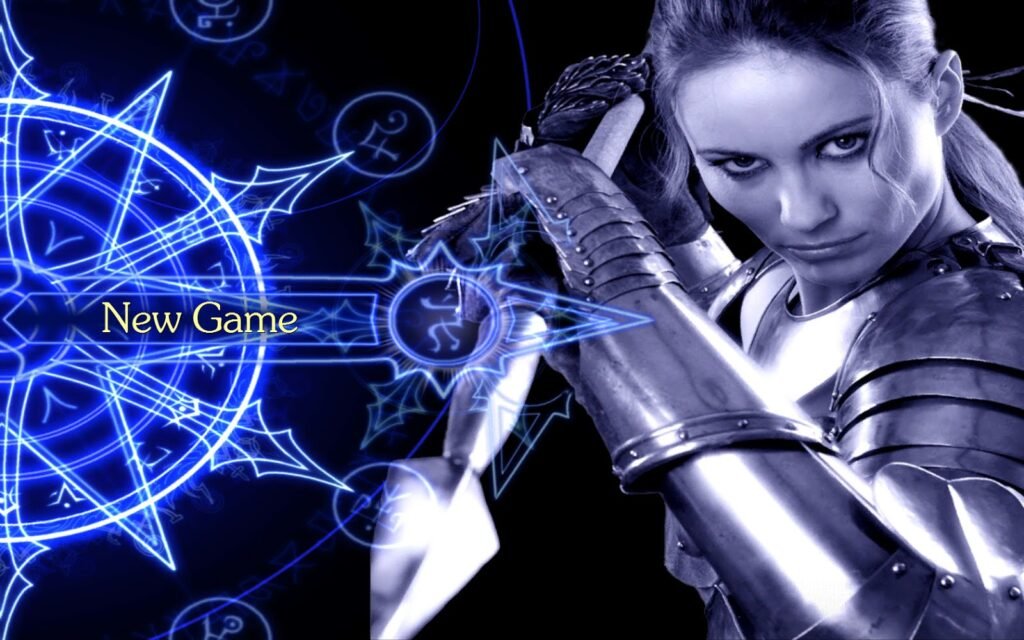

Release Date: March 30, 2006 Developer: Cypron Studios
European developers were experimenting like crazy in the mid-2000s, throwing everything at the wall to see what would stick. One of those fascinating relics is Gods: Lands of Infinity, an ambitious role-playing game released in 2006 by the Slovakian developer Cypron Studios (later known as Cypronia). It is a game that perfectly encapsulates that era—rough around the edges, fiercely independent, and brimming with ideas that were just a little too big for its budget.
The story drops you right into the middle of a massive divine crisis. The ancient world of Bellarion is in total chaos because Xarax, the ruler of the gods, has been murdered. Naturally, every remaining deity wants a piece of the pie, leading to a brutal, thousands-of-years-long civil war. Enter Mortagon, the God of Darkness, who finds a secret weapon that can resist all magical and divine powers. In a desperate bid to save creation, the God of Fire, Arswaargh, creates a divine heroine named Vivien to find a counter-weapon. The catch is that when Vivien travels through a magical portal to start her quest, she loses her divine essence. You start the game as a severely weakened goddess who has to rebuild her strength, recruit a party of colorful companions, and save the universe.
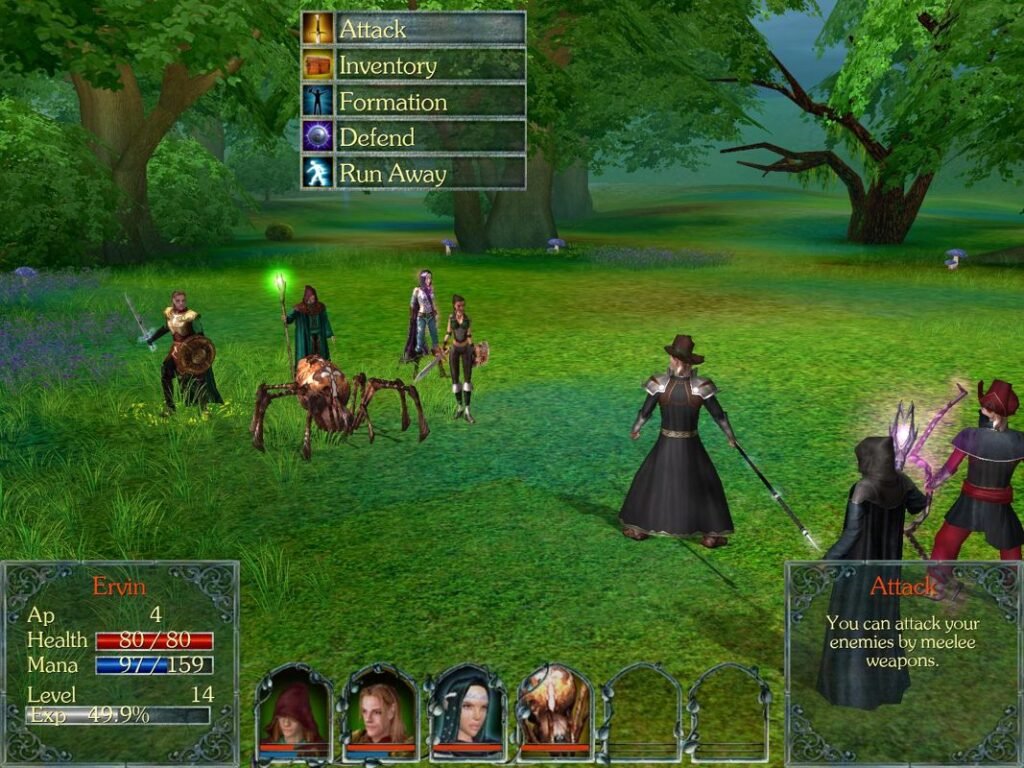
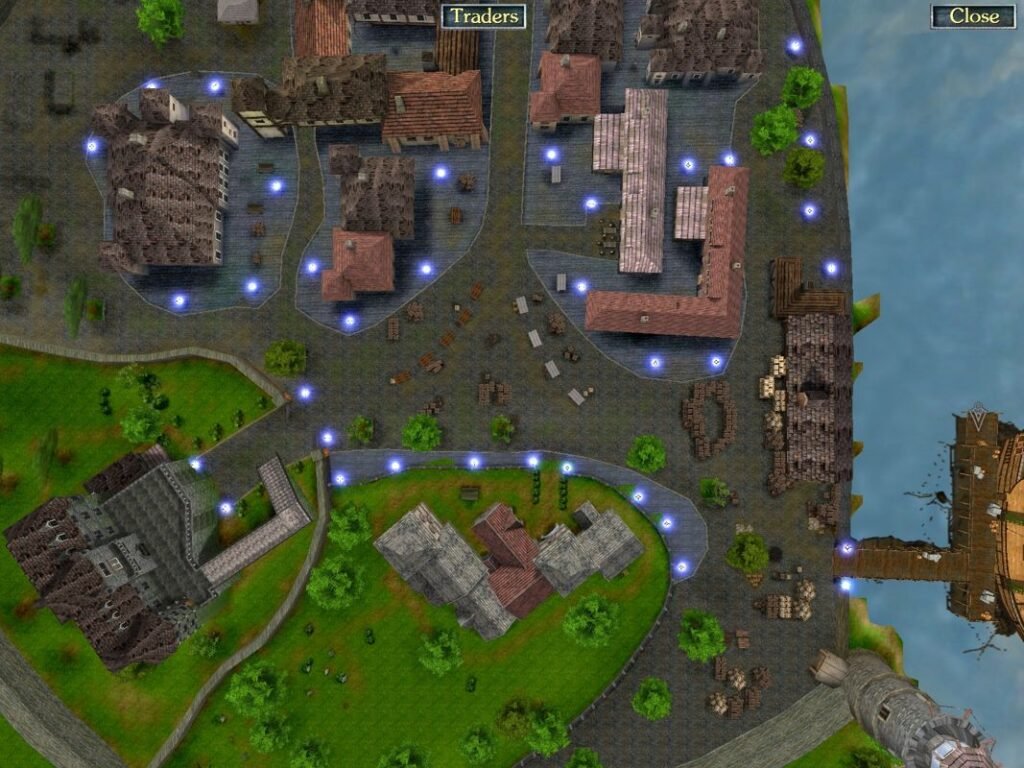
What makes the gameplay so interesting is how it blends two entirely different perspectives. When you are just exploring the wide-open fantasy world of Antasion, trading with merchants, and picking up side quests, you view everything from a traditional first-person perspective. It feels a bit like an old-school dungeon crawler or a budget version of The Elder Scrolls. However, the moment you run into an enemy, the game smoothly shifts gears into a third-person perspective with turn-based combat. Suddenly, you are managing a tactical grid, arranging your party members into optimal formations, and planning out your spells and attacks like a classic console JRPG. This hybrid style was a bold choice, and while it could feel a little jarring at times, it gave the game a flavor completely its own.
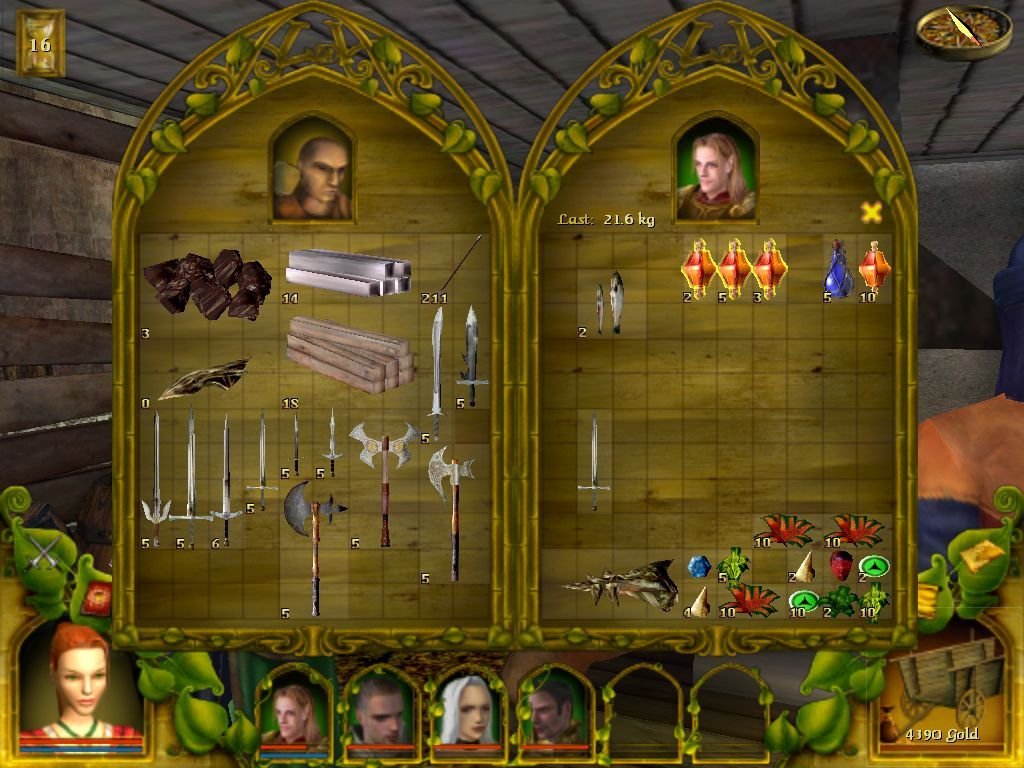
Beyond the combat, Cypron Studios tried to inject a ton of mechanical depth into the world. There is a surprisingly complex alchemy system where you harvest raw plants and ingredients from the environment to brew your own potions and enhancements. The game also features a dynamic trading system, encouraging you to buy low in one kingdom and sell high in another to fund your expensive gear upgrades.
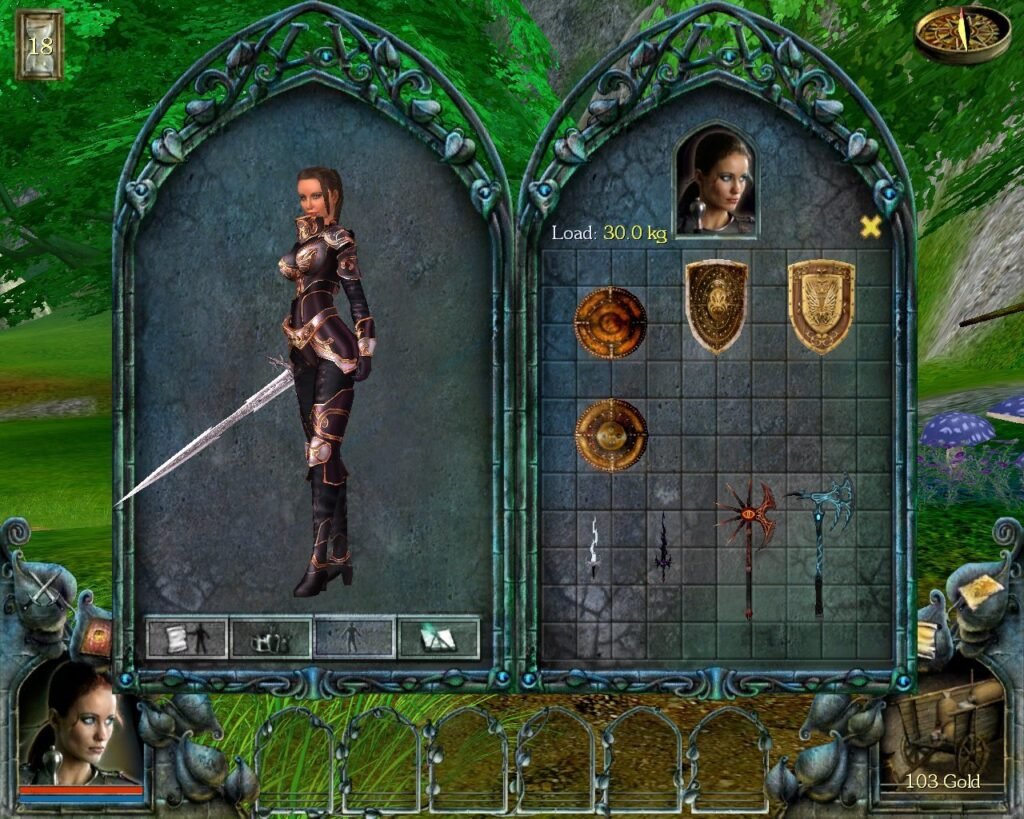
Of course, we cannot talk about this game without mentioning its most famous marketing stunt. In a bid to stand out against giants like The Elder Scrolls IV: Oblivion, Cypron Studios signed a contract with popular Slovakian glamour model and adult actress Kyla Cole to be the official face and voice of the protagonist, Vivien. When the Special Edition of the game dropped in 2007, the developers actually tweaked Vivien’s in-game 3D model to match Kyla Cole’s likeness, changing her hair to brown and giving her striking blue eyes. The physical release of the Special Edition even bundled in a free calendar featuring the model. It was a peak mid-2000s PC gaming marketing strategy, using pure star power and edginess to get eyes on an indie budget title.
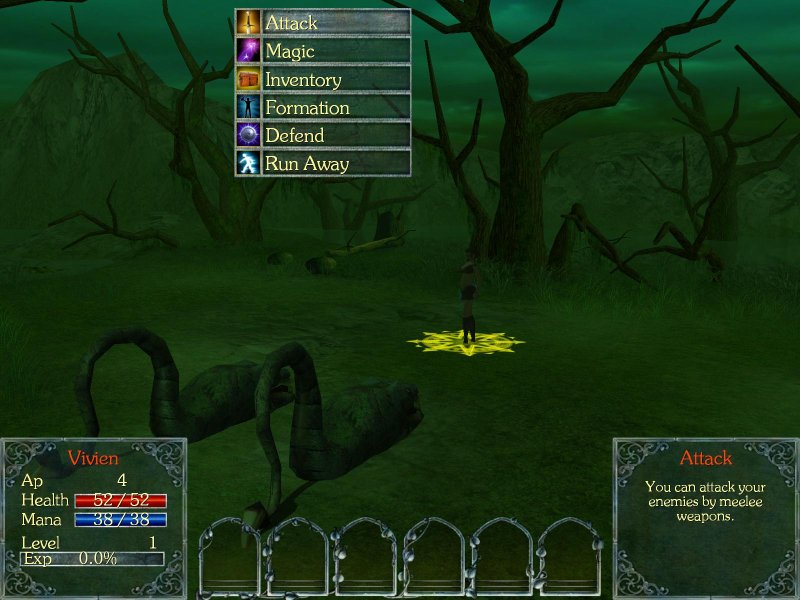
Visually, the game was a bit of a mixed bag. For 2006, it featured an advanced pixel shader system that made natural elements like ice, flowing water, and wind-blown grass look genuinely impressive. On the flip side, the character animations could be incredibly stiff, and the voice acting was exactly the kind of wonderfully campy, heavily accented delivery you would expect from an Eastern European indie game from that timeframe.
While mainstream critics gave it mixed reviews, praising the consistency of the world but knocking the lack of polish, a loyal community still looks back on it with fond nostalgia. It is a time capsule of an era when developers were free to make weird, genre-bending titles without the pressure of modern live-service trends. If you are a fan of retro PC gaming history, Gods: Lands of Infinity remains a genuinely fascinating milestone worth remembering.