
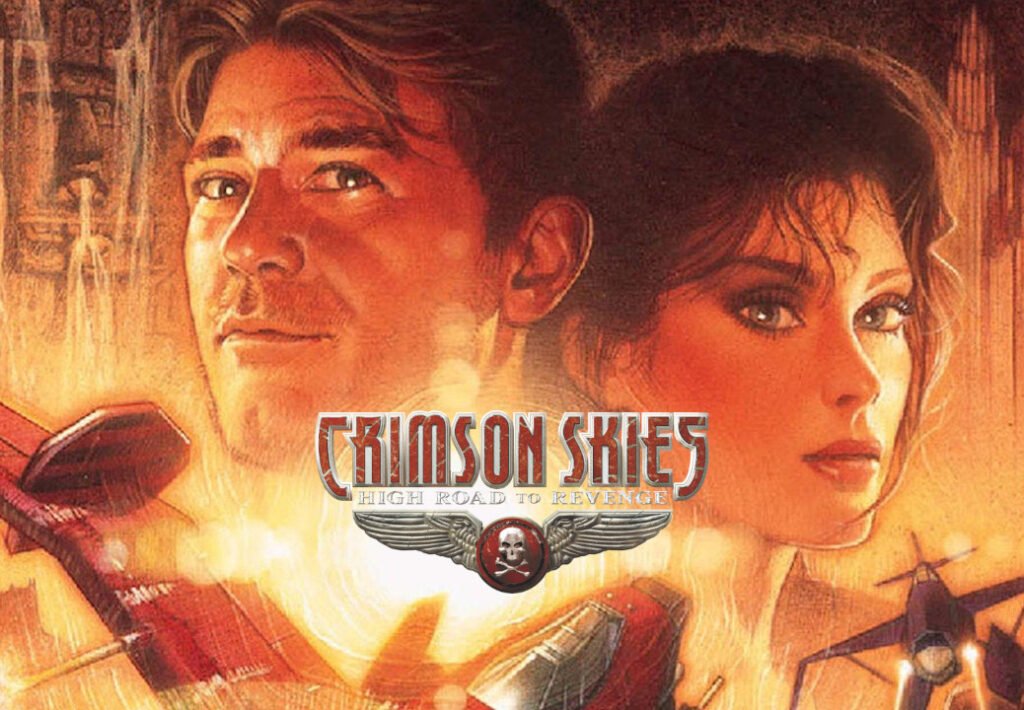

Crimson Skies: Release Date: September 17, 2000 Developer: Zipper Interactive
Crimson Skies: High Road to Revenge: Release Date: October 21, 2003 Developer: FASA Studio
Imagine a world where the Great Depression didn’t just break banks, but completely shattered the geopolitical map of North America. Welcome to the world of Crimson Skies, a brilliant, high-octane alternative history universe cooked up by the creative minds of Jordan Weisman and Dave McCoy. In this timeline, the United States didn’t survive the post-World War I era intact. Instead, a massive wave of isolationism, combined with a devastating pandemic, caused the federal government to collapse, fracturing the country into a chaotic patchwork of independent nation-states.
With the traditional ground infrastructure like railroads and interstate highways completely dismantled, destroyed, or heavily blockaded by rival factions, humanity had to look upward. The sky became the new frontier, the primary highway for commerce, travel, and inevitably, warfare. Giant, majestic zeppelins replaced cargo trains, cruising across the atmosphere as floating aircraft carriers. And where there is valuable cargo moving through unprotected airspace, you can bet your bottom dollar that air pirates are going to show up to take a piece of the pie.
This is the beautifully realized dieselpunk backdrop that sets the stage for one of the most beloved, criminally dormant franchises in gaming history. It is a world filled with roguish heroes, sinister corporate syndicates, secret societies, and some of the coolest, most imaginative aircraft designs to ever grace a screen. At the center of it all is Nathan Zachary, the charming, debonair leader of the Fortune Hunters air pirate gang. Armed with quick wit, an eye for profit, and a legendary reputation, Zachary perfectly embodies the swashbuckling, pulp-adventure spirit of the series.
The Birth of a Legend: Crimson Skies on PC
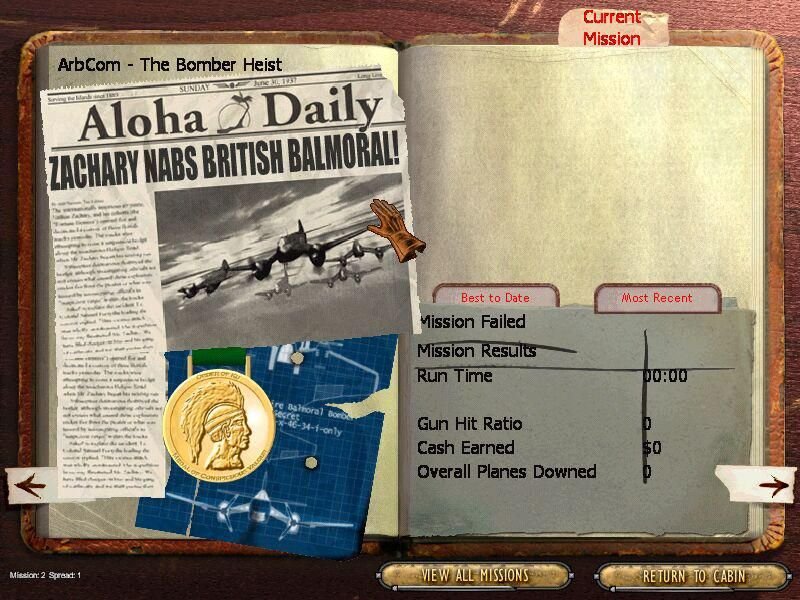
Before the franchise made its legendary landing on home consoles, it started as a tabletop miniature game under the FASA banner before transitioning into the digital realm. In the year 2000, developer Zipper Interactive teamed up with Microsoft Game Studios to unleash the original Crimson Skies on Windows PC. For flight enthusiasts and action fans alike, this game was an absolute revelation.
While many flight games of the era leaned heavily into the hyper-realistic, complicated mechanics of simulation, this title carved out its own unique niche. It blended a deep, respectful appreciation for aviation history with a healthy dose of Hollywood movie magic. The developers wanted you to feel like you were the star of a classic Saturday morning serial or an old-school adventure flick. If an aerial stunt looked cool and felt fun, the physics engine bent the rules just enough to let you pull it off.
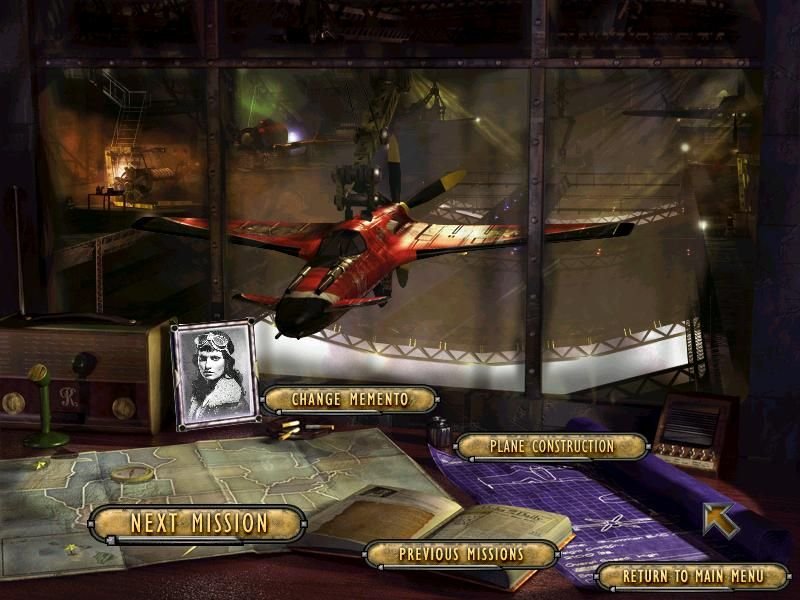
The PC game introduced players to an incredible roster of heavily customized, retro-futuristic fighter planes. These weren’t your standard historical aircraft; they were wild, experimental birds featuring forward-swept wings, twin booms, and heavy pusher props mounted at the rear of the fuselage. Iconic aircraft like the Hughes P21-J Devastator and the lightning-fast Hughes Bloodhawk became instant fan favorites.
What truly made the PC version special was its deep customization system. Players could hop into the hangar and completely overhaul their planes, tweaking the armor plating, upgrading the engine, and swapping out weaponry. You could load up your wings with massive, hard-hitting cannons, or opt for a lighter, faster build to dance circles around corporate air militias. Combined with an engaging story that took Zachary and his crew from the glamorous Nation of Hollywood to the industrial heartlands of the Empire State, the original game established a massive cult following.
Shifting Gears: High Road to Revenge Reinvents the Wheel
Three years after the PC game stole the hearts of flight fans, Microsoft and FASA Studio decided to take the franchise in a bold, new direction. In 2003, they launched Crimson Skies: High Road to Revenge exclusively for the original Xbox. Rather than simply porting the PC experience over to consoles, the development team completely re-engineered the game from the ground up to create the ultimate arcade flight masterpiece.
The transition to consoles meant streamlining the controls and shifting the focus entirely onto fast-paced, kinetic action. The complex menus and minute-to-minute simulation elements of the PC version were stripped away in favor of pure, unadulterated adrenaline. Takeoffs and landings were fully automated, freeing players up to focus on what really mattered: blowing enemy planes out of the sky.
The structural design of the campaign also received a massive, brilliant upgrade. Instead of a linear sequence of isolated missions, the developers introduced large, open-ended sandbox environments that felt reminiscent of a high-flying Grand Theft Auto game. Players could freely fly around gorgeous, expansive hubs like the tropical pirate haven of Sea Haven, the rugged desert expanse of Arixo, and the mysterious, breathtaking canyons of the Navajo Territory.
Scattered throughout these beautiful open maps were various mission icons, side challenges, and hidden secrets. You could fly up to a friendly zeppelin or a coastal repair station, press a button to accept a job, and immediately jump into a localized mission. This open-world structure gave the game a wonderful sense of scale and freedom, encouraging players to explore every nook and cranny of the environment while searching for upgrade tokens and cash.
Inside the Cockpit: Pure Arcade Bliss and Cinematic Stunts
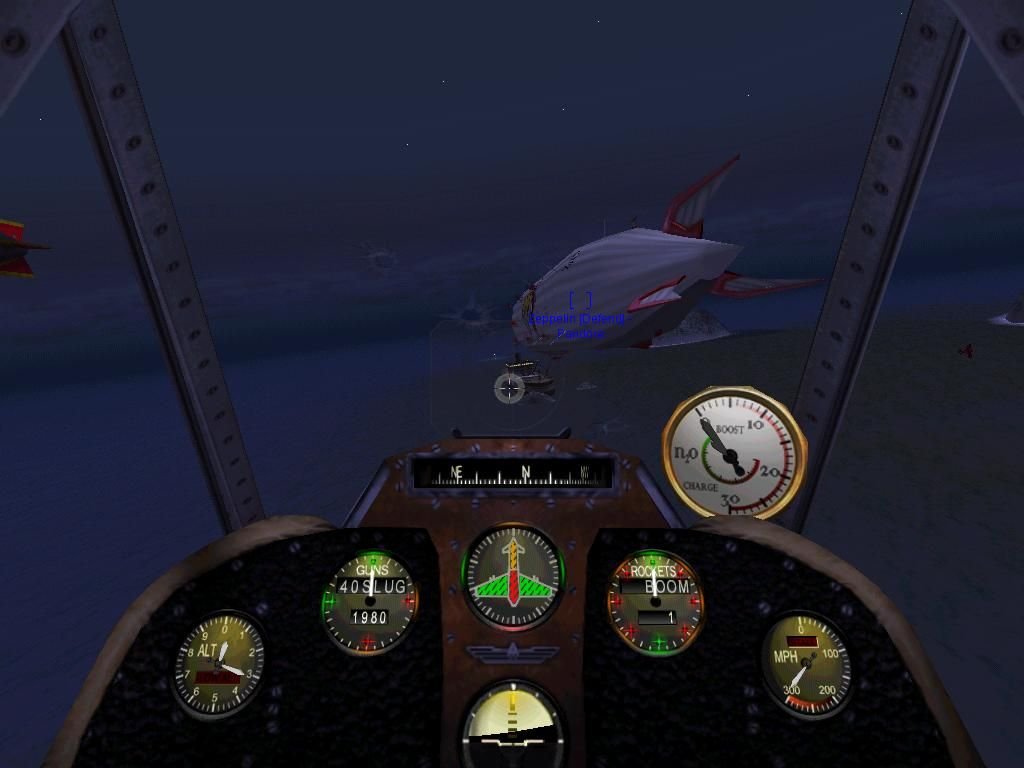
The moment-to-moment gameplay in High Road to Revenge remains an absolute masterclass in arcade game design. The flight mechanics are incredibly responsive, making you feel like a genuine ace pilot within seconds of picking up the controller. One of the best features introduced in the console version was the dedicated special maneuver system mapped to the analog sticks. By clicking in the thumbstick and flicking it in a specific direction, you could effortlessly execute jaw-dropping aerial stunts like perfect barrel rolls, tight Immelmann turns, and quick 180-degree flips.
These weren’t just for show, either. Mastering these cinematic maneuvers was absolutely essential for breaking an enemy’s line of sight, dodging incoming heat-seeking missiles, or instantly reversing roles to get on the tail of a stubborn pursuer. The game also leaned heavily into its arcade roots by scattering health and ammunition crates throughout the sky, dropped by smoking, defeated enemies. Flying through a glowing health crate mid-dogfight to patch up your burning fuselage felt incredibly satisfying and kept the action moving at a breakneck pace.
The weapon variety in the game was equally spectacular. While your primary machine guns and cannons had unlimited ammunition, they were prone to overheating if you held down the trigger for too long. To mix things up, each of the game’s twelve playable aircraft came equipped with a devastating, limited-ammo secondary weapon. These ranged from standard concussion rockets and heavy sniper cannons to wild, sci-fi-infused gadgets like magnetic rockets, drunken rockets that spiraled unpredictably through the air, and even a devastating Tesla coil that could unleash arcs of electricity to short-circuit nearby enemy fighters.
The game also featured brilliant interactive environments that encouraged creative combat. You weren’t just fighting in open blue space; you were weaving through narrow rock arches, skimming the surface of churning oceans, dodging giant moving wind turbines, and blasting defensive gun turrets off the sides of massive corporate skyscrapers. There was even an option to land your plane at specific docking stations and take control of stationary anti-aircraft guns, adding a fun, defensive variety to the chaotic battles.

The Narrative Fuel: Revenge, Piracy, and Ancient Cults
A great arcade game needs a great narrative hook, and High Road to Revenge delivers a spectacular pulp adventure story that keeps you invested from start to finish. The campaign kicks off with Nathan Zachary doing what he does best: gambling away his beloved zeppelin, the Pandora, in a high-stakes poker game. After a thrilling opening act where Zachary and his trusted co-pilot Betty Charles manage to steal back their floating home from a rival gang, the story takes a dark, personal turn.
The Fortune Hunters receive a frantic distress call from their old friend, the brilliant inventor Doctor Wilhelm Fassenbiender. By the time Zachary arrives at the island laboratory, a mysterious military force heavily besieges the facility. Despite a valiant effort to defend the area, the attackers unleash a devastating super-weapon, resulting in the tragic death of the beloved doctor.
Furious and consumed by a desire for justice, Nathan Zachary sets off on a sweeping crusade across North America to uncover the identities of the killers. The investigation leads the crew deep into the hostile desert sands of Arixo and the sacred lands of the Navajo, eventually revealing a massive, continent-spanning conspiracy. The masterminds behind the attack are none other than Die Spinne, a sinister, shadowy criminal syndicate led by the villainous Nicolas Von Essen.
The narrative perfectly balances high-stakes drama with the series’ signature casual, lighthearted charm. The dialogue between Zachary, Betty, and the colorful cast of allies and villains you meet along the way is filled with witty banter, pirate swagger, and classic cinematic charm. It keeps the pacing breezy, ensuring that the heavy story moments never bog down the fun, adventurous tone of the overall experience.
Why Crimson Skies Still Rules (And Needs to Return)
More than two decades after its initial release, Crimson Skies: High Road to Revenge is still widely regarded as one of the finest titles to ever grace the original Xbox. Beyond its phenomenal single-player campaign, the game was a monumental early pioneer for Microsoft’s Xbox Live online service. It offered legendary multiplayer dogfights, intense capture-the-flag modes, and hilarious chicken-hunting mini-games that provided countless hours of competitive joy for early online gamers. For those without an internet connection, the robust split-screen multiplayer mode made it an absolute staple for couch co-op gaming sessions with friends.
The tragedy of the franchise is that despite its incredible critical acclaim and passionate fan base, the skies have remained quiet since the Xbox era. While the game is fortunately playable today on modern consoles via Xbox backward compatibility, the world is absolutely starving for a modern, high-budget revival.
The timeless, stylized aesthetic of dieselpunk means the visuals and concepts have never aged a day. Imagine what a modern studio could accomplish with the power of contemporary gaming hardware. We could have massive, fully destructible open-world skyboxes, thousands of customizable plane parts, seamless transitions between piloting a fighter and walking around a giant player-owned zeppelin, and massive online faction wars where pirate crews battle corporate militias for control of vital trade routes.
Until that glorious day comes, the original duology stands as a towering testament to an era when game developers weren’t afraid to take massive creative risks. Crimson Skies and High Road to Revenge remind us of a time when games were focused first and foremost on delivering pure, imaginative, unadulterated fun. They are bright, bold, and brilliantly loud relics of gaming history that absolutely deserve a spot in the digital library of any self-respecting gamer.