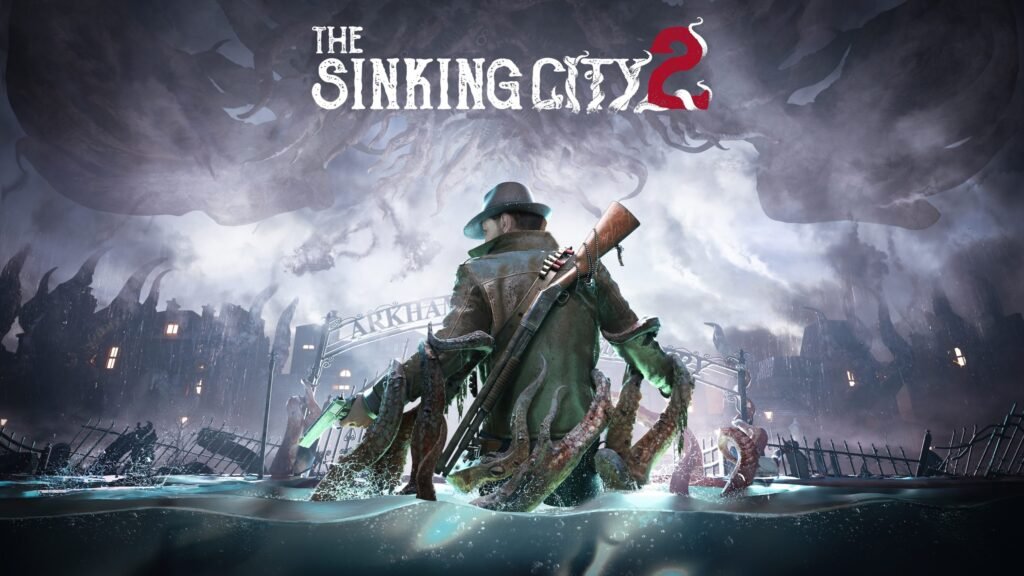

If you spent any time wandering the soggy, depressing, and strangely captivating streets of Oakmont in the first game, you know that Frogwares has a very specific “vibe.” They are the masters of the detective procedural and the kings of the “Mind Palace”. But with The Sinking City 2, the team is taking a massive, slime-covered leap into a brand-new direction. We aren’t just looking for clues anymore; we are fighting for our literal lives in a world that wants to swallow us whole. Honestly, it is about time someone gave the Lovecraftian mythos a proper survival horror makeover that feels modern, mean, and incredibly polished.
A Massive Shift in Genre
For years, Frogwares was synonymous with the Sherlock Holmes series. They nailed the feeling of being the smartest person in the room, even if that room was filled with corpses. When the first Sinking City dropped, it was a hybrid of that detective DNA and an open-world exploration game. It was ambitious, though it definitely had that “Euro-jank” charm—a bit stiff in the joints but brimming with soul. This time around, they are pivoting hard. The Sinking City 2 is being built from the ground up as a full-blown survival horror experience. We are talking limited resources, claustrophobic encounters, and a constant sense of dread that wasn’t always present in the first outing.
This shift is a big deal because it changes how you interact with the world. In the previous game, combat often felt like a secondary necessity that got in the way of the “real” work of investigating. In the sequel, combat and survival are the core pillars. You are going to have to manage your ammunition, decide when to run, and pray that whatever is splashing around in the shadows isn’t faster than you are. By leaning into the horror aspect, Frogwares is finally embracing the true terror of the Cthulhu Mythos, where humans aren’t the hunters, but the tiny, insignificant prey.
The Haunting Beauty of Unreal Engine 5
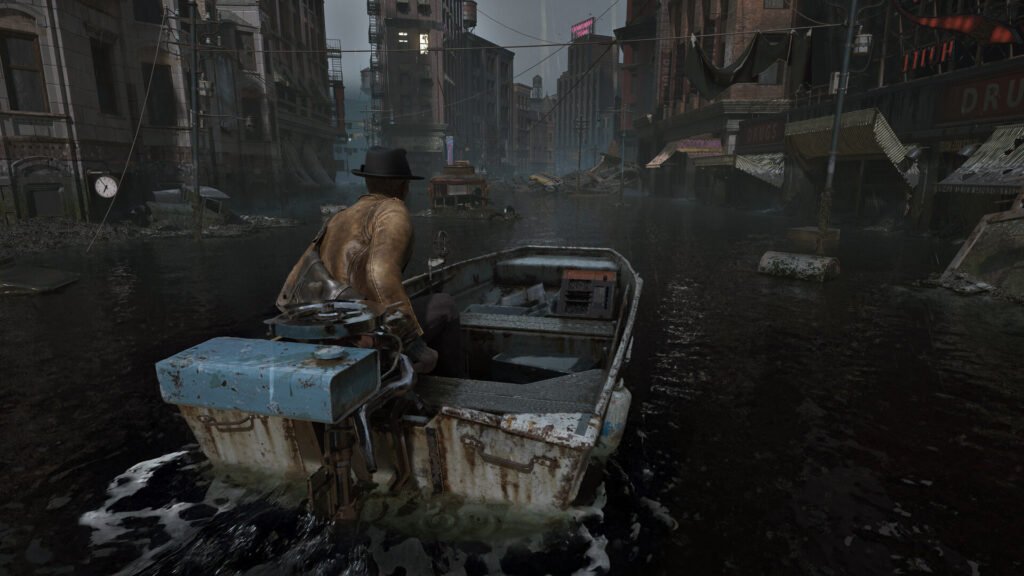
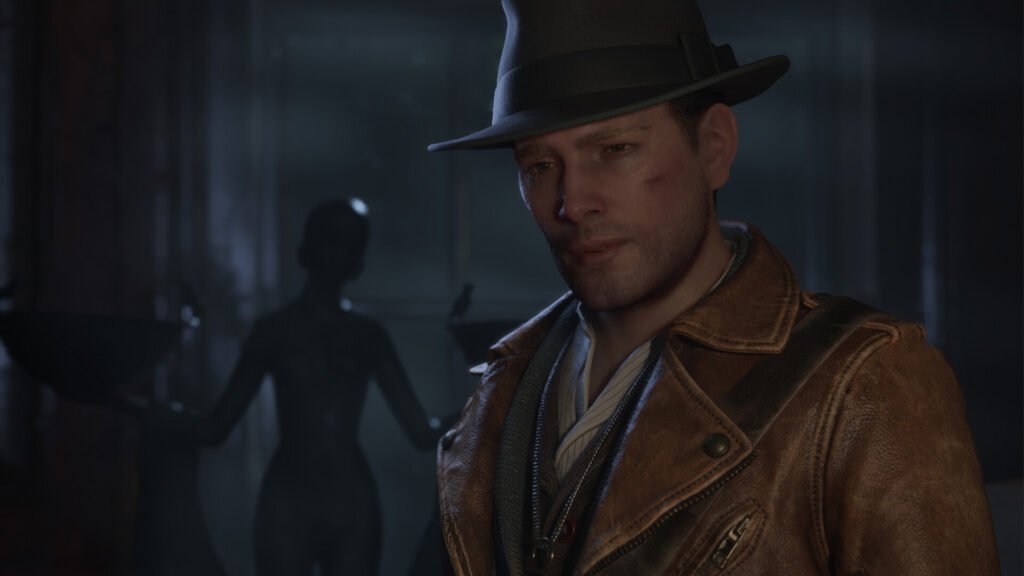
One of the most exciting updates for this sequel is the move to Unreal Engine 5. Let’s be real: the first game looked okay, but it suffered from repetitive assets and some technical hiccups that broke the immersion. From what we have seen of the sequel, those days are long gone. The lighting is oppressive in the best way possible. Water—which is obviously a huge part of a game called The Sinking City—looks absolutely phenomenal. It ripples with a greasy, oily sheen that makes you want to wash your hands just looking at it.
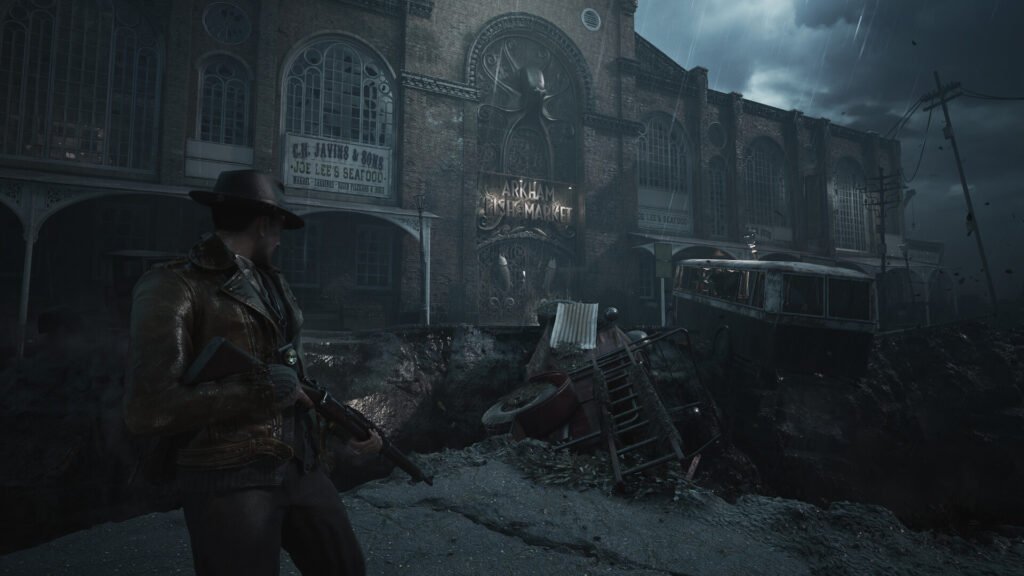
The environment design for the new city of Arkham is much more focused. While the first game gave us a sprawling city that sometimes felt a bit empty, this version of Arkham feels dense and intentional. The visual fidelity allows for environmental storytelling that just wasn’t possible before. You can see the rot in the wood of the houses and the desperate, scratched-out messages on the walls. It creates an atmosphere where the city itself feels like a living, breathing antagonist that is slowly drowning you in its history and its filth.
Investigation is Still in the DNA
Now, if you are a die-hard fan of the detective mechanics, don’t panic. Frogwares hasn’t completely abandoned their roots. While the game is now a survival horror title first, the investigative gameplay is still there; it’s just more integrated and optional. You won’t be forced to solve a puzzle to progress the main story every five minutes, but if you choose to poke around, you will be rewarded. Solving mysteries in this game might lead you to hidden stashes of gear, better weapons, or crucial lore that explains why everything has gone to hell.
This “opt-in” approach to detective work is actually a brilliant move. It respects the player’s time and allows you to dictate the pace of the game. If you want to play it like a pure action-horror title, you can. But if you want to soak in the narrative and play the role of the curious outsider, the game provides the tools to do that. It makes the world feel more reactive. You aren’t just checking boxes on a quest list; you are making choices about how much of the truth you are actually willing to uncover, knowing full well that in a Lovecraft story, the truth usually leads to madness.
Fighting the Eldritch Horrors
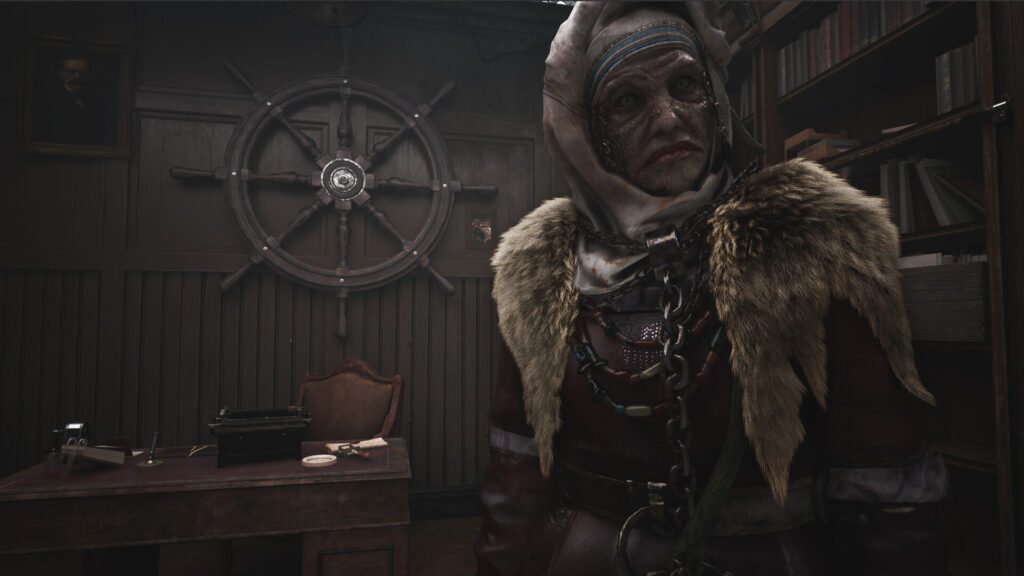
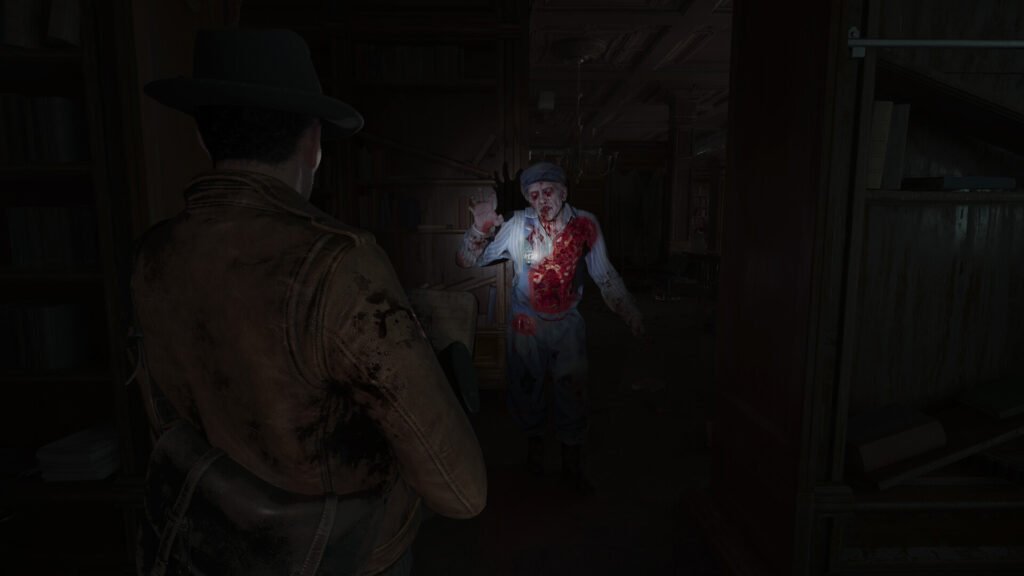
Let’s talk about the monsters. The creature design in the first game was solid, but the encounters often felt a bit clunky. In The Sinking City 2, the enemies look like something pulled straight out of a nightmare you’d have after eating bad calamari. They are grotesque, twitchy, and genuinely unsettling. Because the game is now focused on survival horror, the enemy AI and encounter design have been given a major facelift. You aren’t just shooting at bullet sponges; you are engaging in a desperate dance for survival.
The weapon variety seems to be hitting that sweet spot of 1920s hardware. You’ve got your heavy revolvers, shotguns, and rifles, all of which feel weighty and impactful. But since it’s a survival horror game, the “horror” comes from the fact that you never have enough bullets. This forces you to use the environment to your advantage. Maybe you can lure a creature into a trap, or perhaps it’s better to just burn a flare and run for your life. This tension is exactly what was missing from the first game, and it’s what is going to make the sequel stand out in a crowded market.
A Standalone Tale for Newcomers
One of the smartest decisions Frogwares made was making this a standalone sequel. You don’t need to have finished the first game to understand what’s going on here. It’s a new protagonist, a new city, and a new story. This lowers the barrier to entry for people who might have been intimidated by the lore-heavy nature of the first title. It’s a fresh start in a familiar, decaying world. For returning fans, there will surely be some nods and “aha!” moments, but the focus is clearly on moving the franchise forward rather than looking back.
The setting of Arkham in the 1920s is peak Lovecraft, and the developers are leaning into the “Great Flood” aesthetic with everything they’ve got. This isn’t just a rainy day; it’s a supernatural deluge that is reshaping reality. The sense of isolation is palpable. You are trapped in a city that is being reclaimed by the sea and by things that lived in the sea long before humans walked the earth. It is a classic setup, but with the modern tech and gameplay tweaks, it feels incredibly fresh.