


Unreal II: The Awakening is one of those classic early-2000s shooters that somehow flies under the radar even today. If you’re a fan of sci-fi first-person shooters with gorgeous environments, a solid story, and that unmistakable Unreal vibe, this game deserves a fresh look. Released back in February 2003 by Legend Entertainment and published by Atari (under Infogrames), it was the proper single-player sequel to the groundbreaking 1998 hit Unreal. While it didn’t blow everyone away at launch—thanks to sky-high expectations and some missing features—Unreal II: The Awakening still packs a punch with its stunning visuals, memorable crew dynamics, and varied planetary adventures.
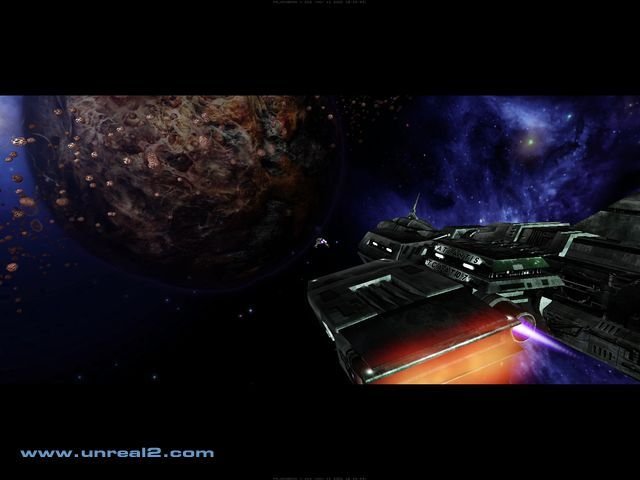
Let’s dive in casually, like we’re chatting over a headset during a long patrol on the Atlantis. You step into the boots of John Dalton, a grizzled ex-Marine turned Terran Colonial Authority Marshal. Dalton’s been kicking around the ass-end of the universe, patrolling remote sectors far from any real action. He’s got a small crew on his ship: the no-nonsense first officer Aida, weapons engineer Isaac, and the hilariously malapropism-spouting alien pilot Ne’Ban. Life is pretty chill until distress calls start pouring in, leading the team into a galaxy-spanning hunt for seven mysterious alien artifacts. These relics could form a devastating weapon, and naturally, everyone from rival corporations to the fearsome Skaarj wants a piece.
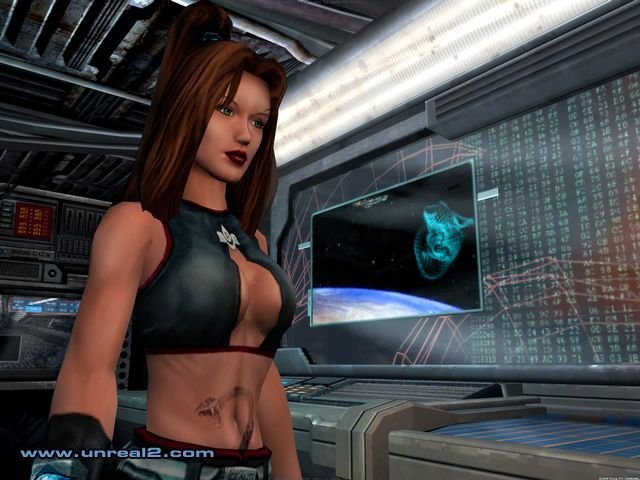
The story unfolds through in-engine cutscenes, radio chatter during missions, and plenty of downtime aboard the Atlantis where you can wander around and chat with your crew. This personal touch is a highlight—Aida brings the skepticism and heart, Isaac drops tech wisdom with a veteran’s edge, and Ne’Ban provides comic relief that never gets old. The plot mixes corporate intrigue, ancient alien tech, betrayals, and high-stakes action. It’s not reinventing the wheel, but it’s engaging B-movie sci-fi done right, with a surprising ending that ties the crew together beautifully. Unlike the original Unreal‘s more mysterious, exploration-heavy vibe on Na Pali, this one feels like a focused interstellar mission with twists that keep you hooked.
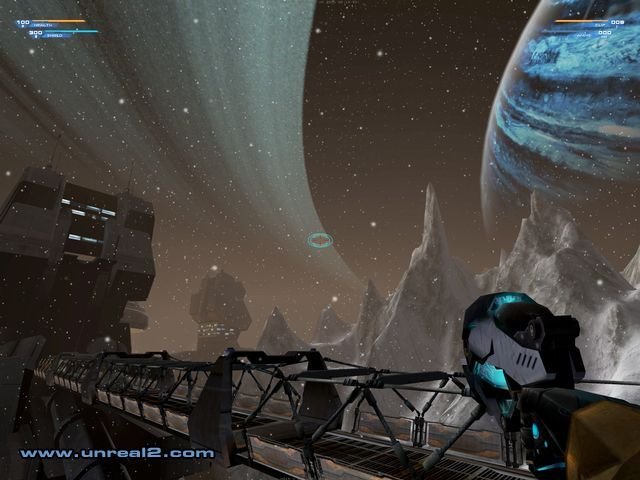
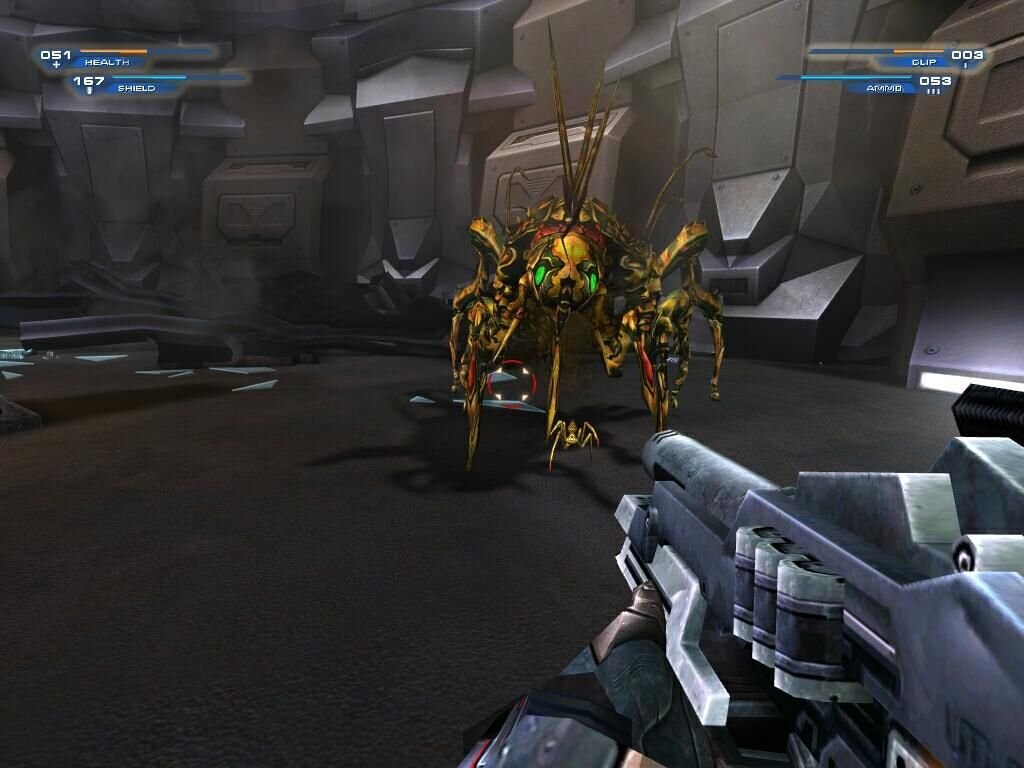
Gameplay-wise, Unreal II: The Awakening delivers classic FPS thrills across 12 well-designed missions. You visit wildly different locations: dense jungles on tropical planets, frozen research facilities on icy moons, the insides of a massive living organism, an insectoid machine world, and even a colossal starship. Levels mix linear progression with defensive stands where you hold positions against waves of enemies—something that feels tense and rewarding. Your arsenal is satisfying, featuring everything from standard assault rifles and shotguns to wilder tools like a spider-throwing rifle, singularity cannon (hello, mini black holes), and deployable turrets or force walls. Weapons have solid alternate fires, and the feedback when shooting feels punchy for the era.
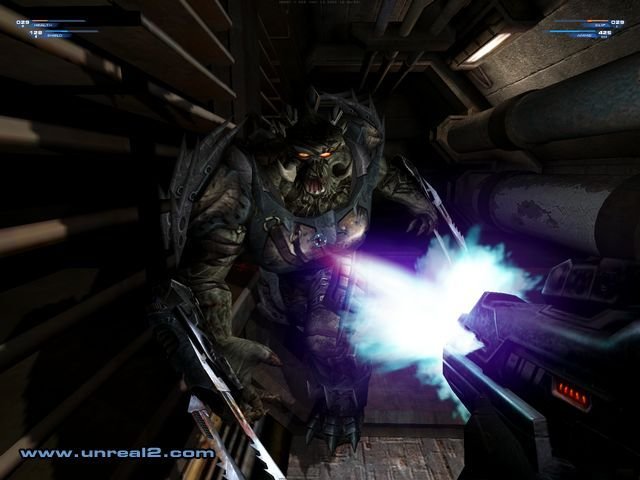
Combat shines against the Skaarj—those tough, iconic lizard-like warriors return with a vengeance—and other foes like corporate mercenaries or bizarre alien critters. The AI is competent, flanking and pressuring you, though it can occasionally feel scripted. Exploration rewards you with beautiful vistas, and the scale of some environments is impressive. It’s not as open-ended as the first game, but the variety prevents it from feeling repetitive. Missions often shift objectives on the fly thanks to story developments, keeping things dynamic. On normal difficulty, the campaign clocks in around 8-12 hours, which was a common knock at release, but it stays focused and eventful without the padding that plagued the original.
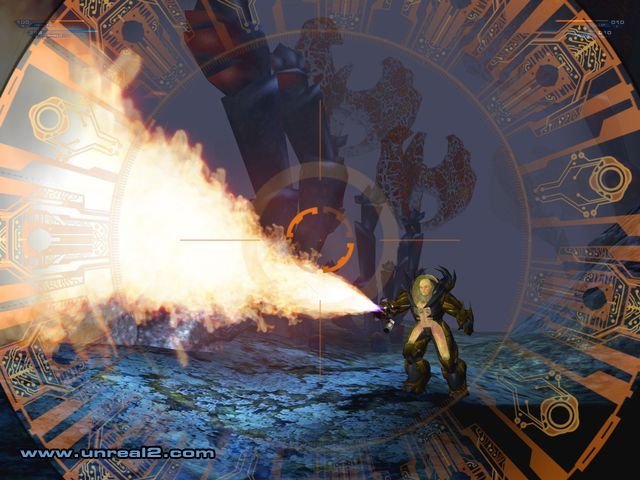
Visually, Unreal II was a beast on the Unreal Engine 2. High-resolution textures, stunning skies, realistic particle effects (explosions and flames look fantastic), and detailed environments made it a graphical showcase in 2003. Even today, many levels hold up remarkably well, especially the outdoor areas with dramatic lighting and atmospheric effects. The soundtrack by composers like Jack Wall and Jeremy Soule complements the action perfectly—tense during fights, atmospheric in quieter moments. Voice acting is solid, with the crew’s banter adding personality.
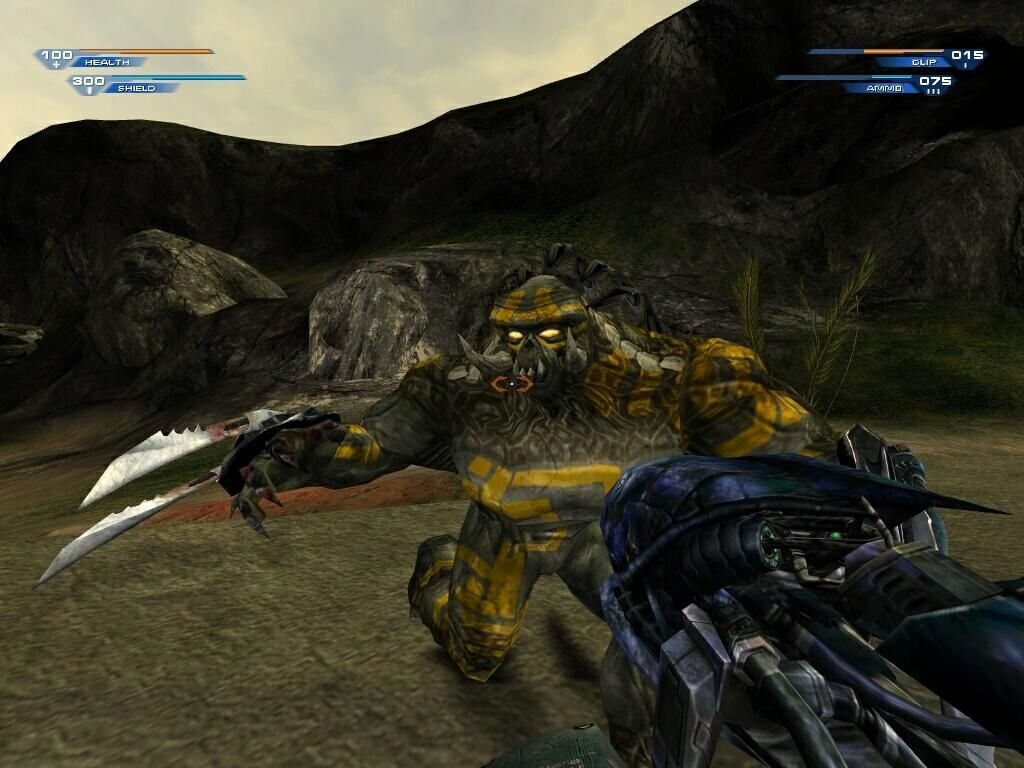
Of course, it’s not all perfect. Critics and fans noted the linear structure, lack of multiplayer at launch (later addressed with the free Unreal II: XMP expansion, a team-based artifact-capture mode that was actually pretty cool), and pricing that felt premium for what some saw as a “merely good” shooter. It didn’t fully live up to the hype as the next big evolution after Unreal, feeling more like a polished, conventional sci-fi adventure than a revolutionary one. The Xbox port in 2004 was decent but understandably scaled back. Sales were okay but not spectacular, and sadly, Legend Entertainment closed shop not long after.
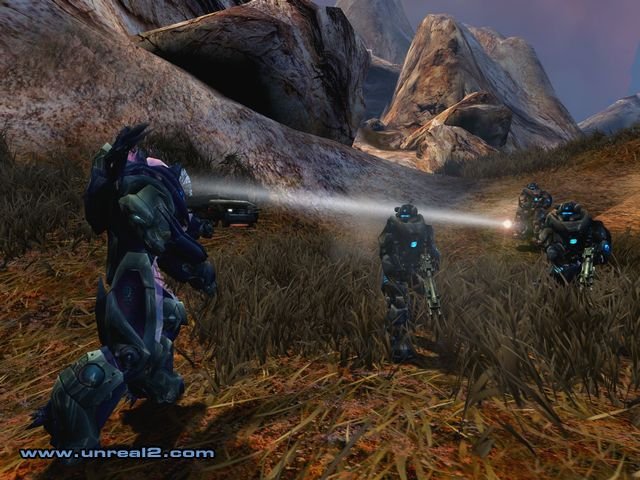
Despite the mixed reception, Unreal II: The Awakening has aged into an underrated gem. If you approach it without expecting it to dethrone Half-Life 2 (which came later) or match the arena chaos of Unreal Tournament, you’ll find a fun, story-driven shooter with heart. The crew feels like a real team by the end, the artifact hunt delivers set pieces that stick with you, and those planetary hops showcase what the engine could do. In a world of endless modern remakes and live-service shooters, revisiting this feels refreshing—like dusting off an old favorite sci-fi flick.
The game also ties into the broader Unreal universe without being a direct sequel in plot. It stands on its own while nodding to the Skaarj wars and corporations like Liandri. For modders and preservationists, it’s a title worth hunting down physically or through archives, especially since digital versions faced delistings in later years due to server shutdowns.
Overall, Unreal II: The Awakening proves that sometimes “good” is plenty enjoyable. It may not have the endless exploration of the original or the multiplayer longevity of its Tournament siblings, but its blend of narrative, varied action, and eye-candy worlds makes it a worthwhile trip through the stars. If you’re craving a straightforward yet atmospheric FPS with characters you actually care about, fire it up, marshal!