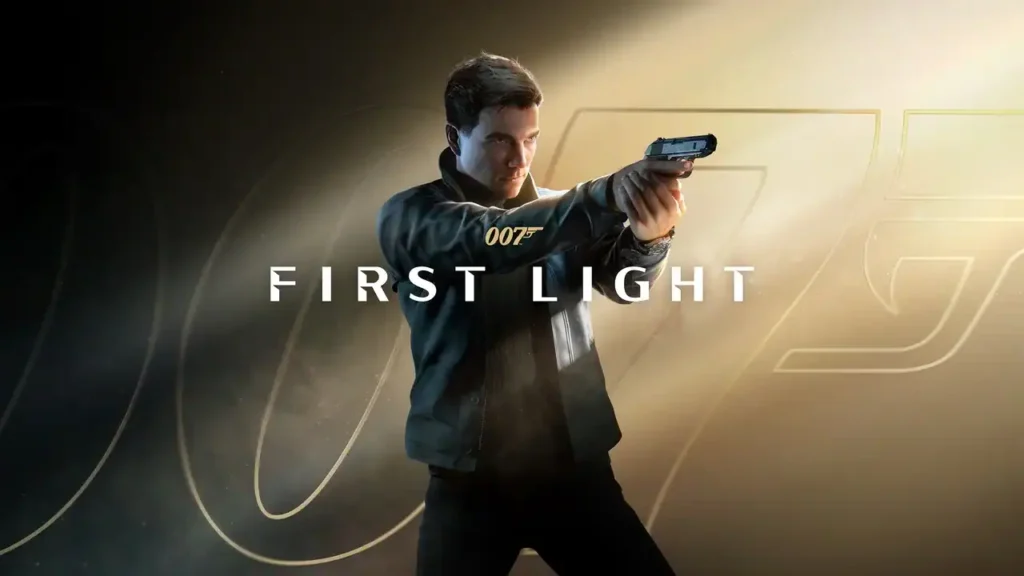

The gaming world has been starved for a proper James Bond experience for well over a decade. When it was announced that IO Interactive, the mastermind studio behind the modern Hitman trilogy, was taking the reins for a brand-new origin story, expectations naturally went through the stratosphere. The promise of a young, rough-around-the-edges agent earning his chops using Glacier engine technology seemed like a match made in stealth heaven. Now that 007 First Light has finally dropped on PC and consoles, the final package is a bizarrely mixed bag. It is a visually breathtaking, technically polished espionage adventure that unfortunately forgets to establish its own mechanical identity. Instead of a groundbreaking spy masterpiece, we got a game that spends way too much time mimicking other popular franchises while diluting the very sandbox strengths that put its developer on the map.
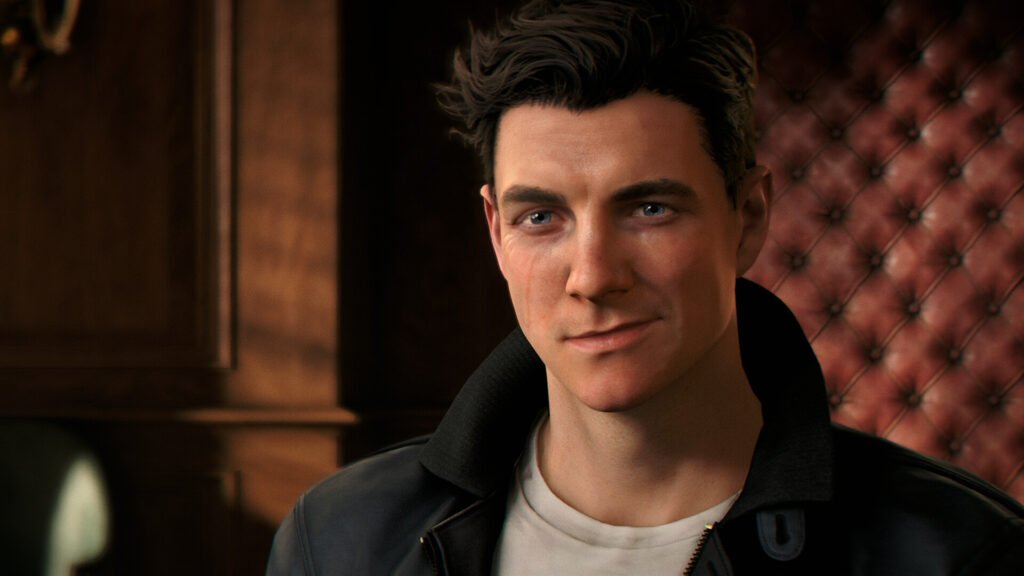
Let’s start with the narrative, because it is easily the strongest aspect of the experience. The game introduces us to a 26-year-old British naval aircrewman named James Bond, voiced with a perfect balance of swagger and vulnerability by Patrick Gibson. This isn’t the invincible, super-polished agent who always has a witty line ready before tossing a villain into a rock crusher. This version of Bond is callow, reckless, and deeply resistant to authority. The plot kicks off with a massive prologue that leads directly into his induction into MI6’s newly revived double-0 training programme. The writers clearly did their homework, drawing massive inspiration from the original Ian Fleming short stories while blending the gritty tone of Daniel Craig’s era with the gadget-heavy fun of the Pierce Brosnan films. Seeing his relationship build with a reluctant mentor like John Greenway or watching him mess around with Alastair Mackenzie’s fresh iteration of Q in the underground lab is pure fan service done right.
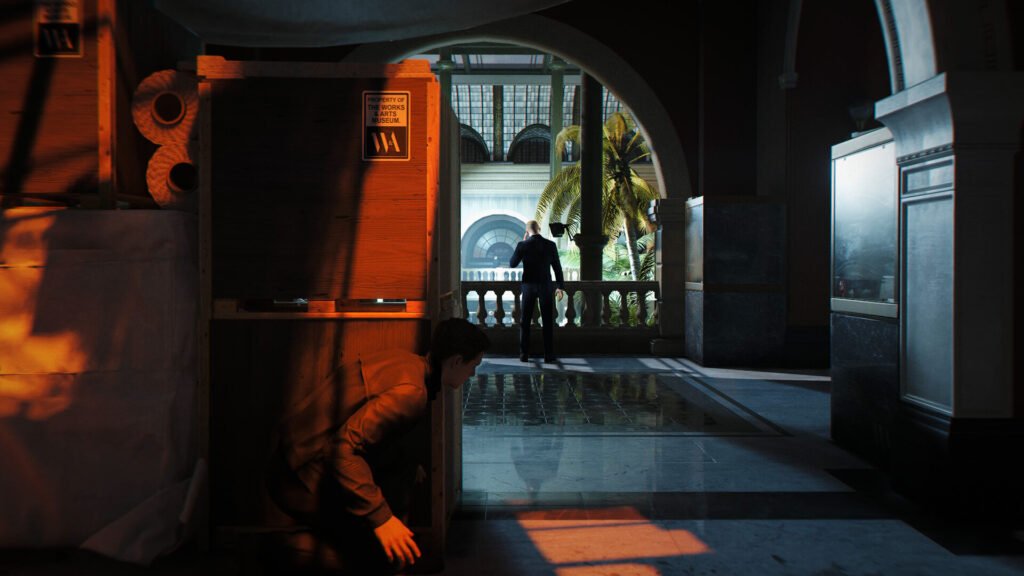
The problems start popping up once you actually take control of the character and realize the pacing is all over the place. IO Interactive tried to marry their signature open-ended stealth sandboxes with the heavily scripted, linear cinematic pacing of a Naughty Dog title. Sadly, these two styles actively fight each other throughout the entire campaign. When the game lets you loose in a massive, sprawling location like a luxurious Montenegro hotel or a crowded street market, the brilliance of the developer shines. You can use an Instinct meter to plot out paths, manipulate electronics using your Q-Watch, or utilize the new Bluff and Lure mechanics to literally talk your way out of restricted areas. Tricking a guard into thinking you belong in a secure room by burning some social instinct feels uniquely Bond.
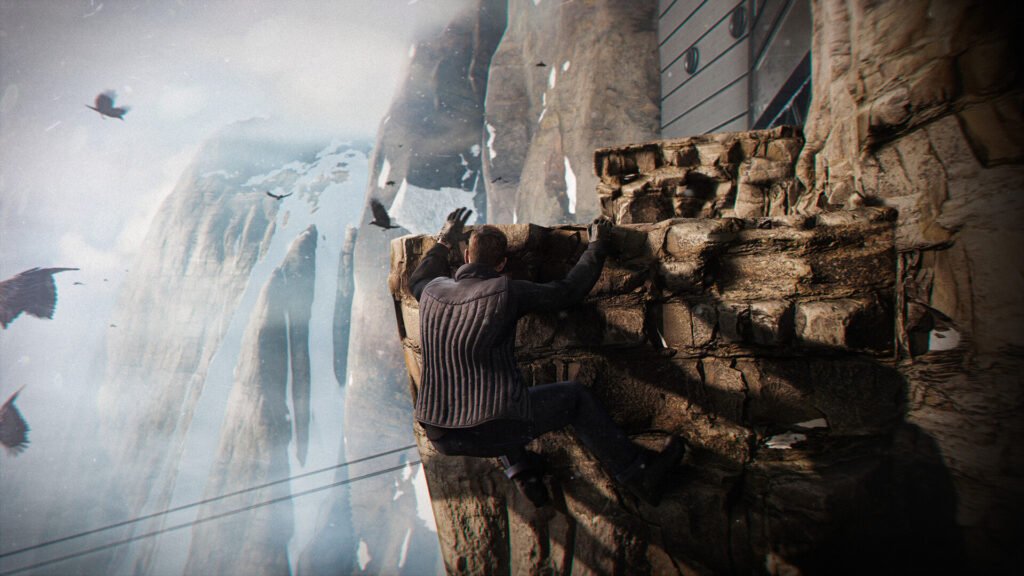
Unfortunately, the game keeps ripping away that freedom to force you down narrow, scripted paths. For every brilliant open sandbox area, there are hours of highly restrictive corridor shooting and basic platforming that feels like a pale imitation of Uncharted. You will spend an exhausting amount of time jumping across cliff faces, engaging in highly scripted quick-time events, and sitting through drawn-out cutscenes that destroy any mechanical momentum. The narrative itself suffers from serious pacing bloat, stretching a plot that would make a fantastic two-hour film into a grueling twenty-hour campaign. The fact that the game begins with an incredibly tedious, three-hour tutorial that forces you to repeat training exercises just to prove James has physical stamina tells you everything you need to know about the pacing issues.
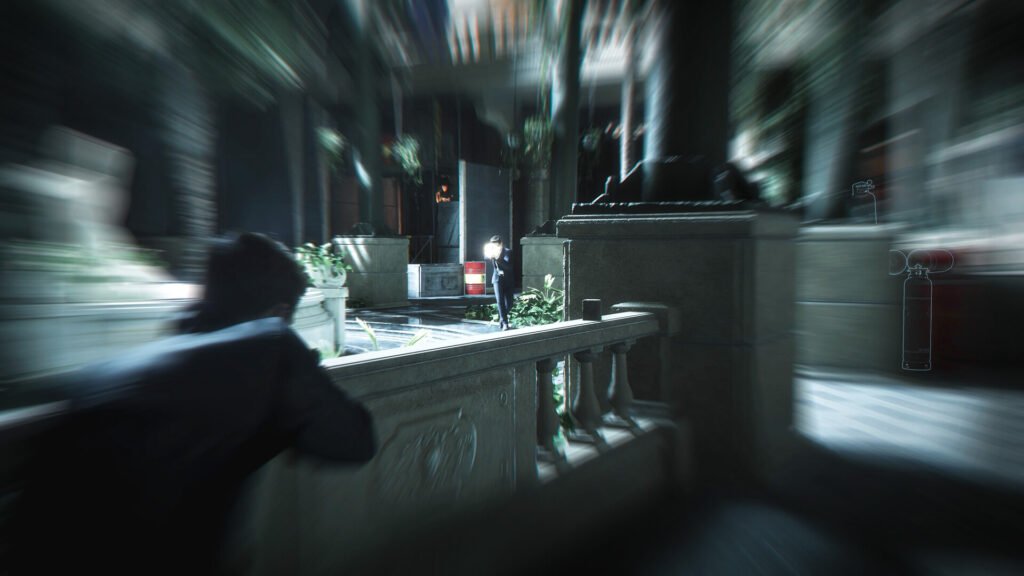
When stealth inevitably fails, the hand-to-hand combat takes over, and it abandons the traditional Hitman mechanics entirely. The melee system is heavily inspired by the Batman Arkham games, relying on rhythmic counters, dodges, and environmental takedowns. Throwing a heavy thermos into a mercenary’s face or slamming a guard’s head against a marble bar top looks incredibly cool and cinematic. However, the gunplay feels remarkably loose and weightless by comparison. Furthermore, the game implements a restrictive licence to kill mechanic where you are mostly forced to use non-lethal takedowns unless the enemies display direct lethal intent first. While thematic for an origin story, it creates an awkward mechanical barrier during chaotic firefights where the rules of engagement feel incredibly artificial.
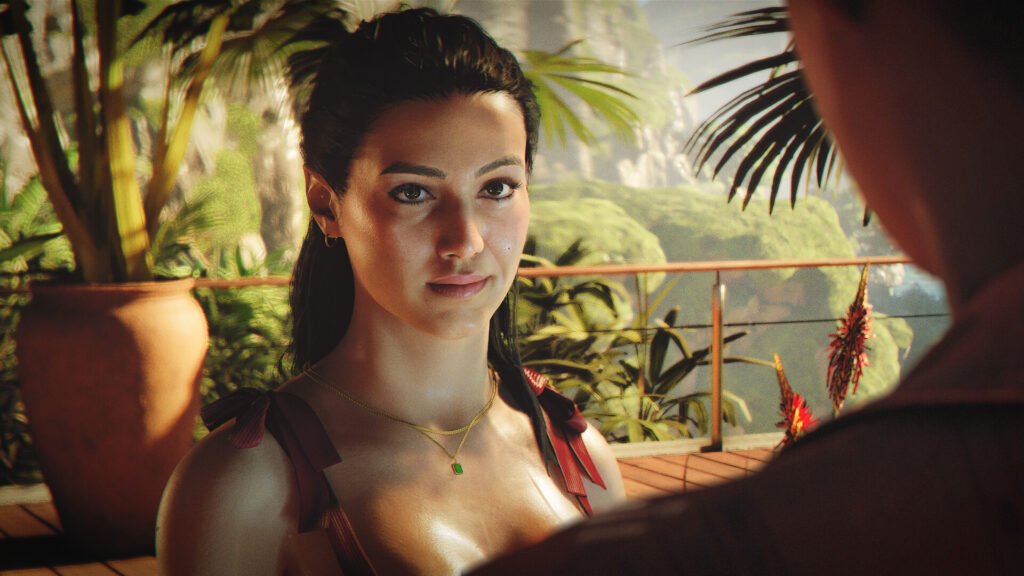
From a purely technical standpoint, the presentation is flawless. The lighting, architectural reflections, and environmental details look staggeringly realistic, making this easily the most visually impressive title the studio has ever produced. The voice cast delivers stellar, deeply layered performances across the board, and the cinematic atmosphere is undeniable. Yet, no amount of graphical power or sweeping orchestral scores can hide the fact that the game is fundamentally fractured. It plays it incredibly safe, refusing to take any genuine risks while trying to please every type of modern action fan at once. By trying to be both a hardcore stealth simulator and a linear cinematic blockbuster, it ends up being a slightly diluted version of both. It is a highly competent, occasionally thrilling action game that ultimate feels entirely too safe to leave a lasting impression.