
Release Date: 2004 Developer: Silver Style Entertainment
There is a specific kind of magic that only exists in mid-2000s PC gaming. It is that glorious, unapologetic era of games that were fiercely ambitious, mechanically dense, and completely indifferent to whether or not you found them too difficult. Long before the industry got sanitized by corporate focus groups and streamlined for maximum accessibility, developers were throwing everything they had at the wall just to see what stuck. If you want to see the absolute pinnacle of this design philosophy, you need to look back at 2004 and a forgotten gem called The Fall: Last Days of Gaia.
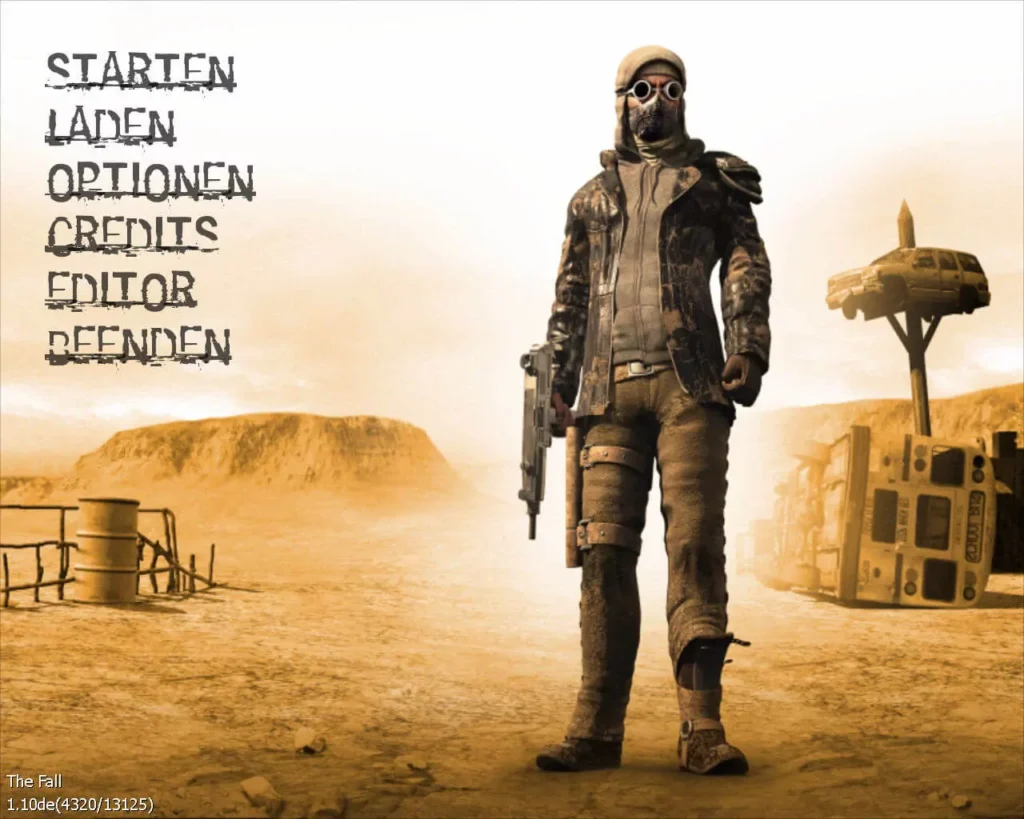
Developed by the German studio Silver Style Entertainment, this game was a defiant love letter to tactical RPG purists. It arrived at a very dark timeline for post-apocalyptic gaming. Black Isle Studios had just been dissolved, the original Fallout 3 (codenamed Van Buren) was dead in the water, and fans of isometric, squad-based survival were left out in the cold. Silver Style saw the void and decided to fill it with pure, unfiltered grit. They did not just copy the homework of the greats; they actually hired ex-Black Isle developers like Damien Folletto and Jeff Husges to help inject that authentic, cynical wasteland DNA straight into the project. The result was a game that felt like the true spiritual successor to Fallout and Jagged Alliance, even if the mainstream world never quite got to experience it.
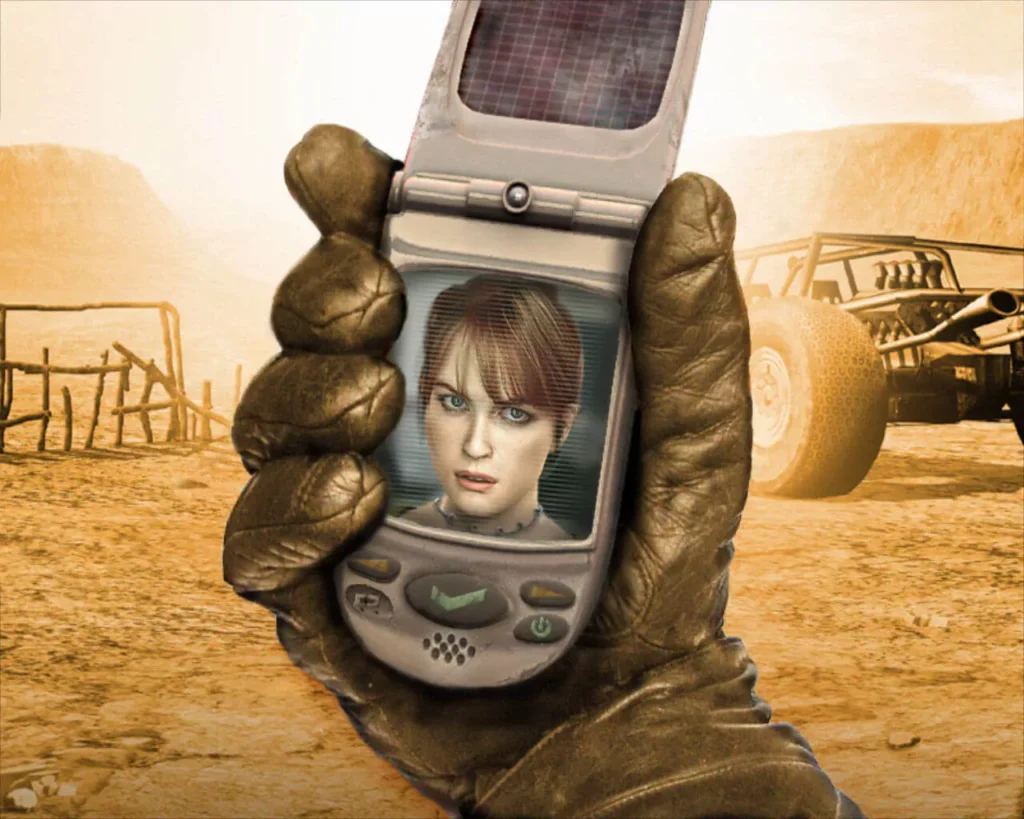
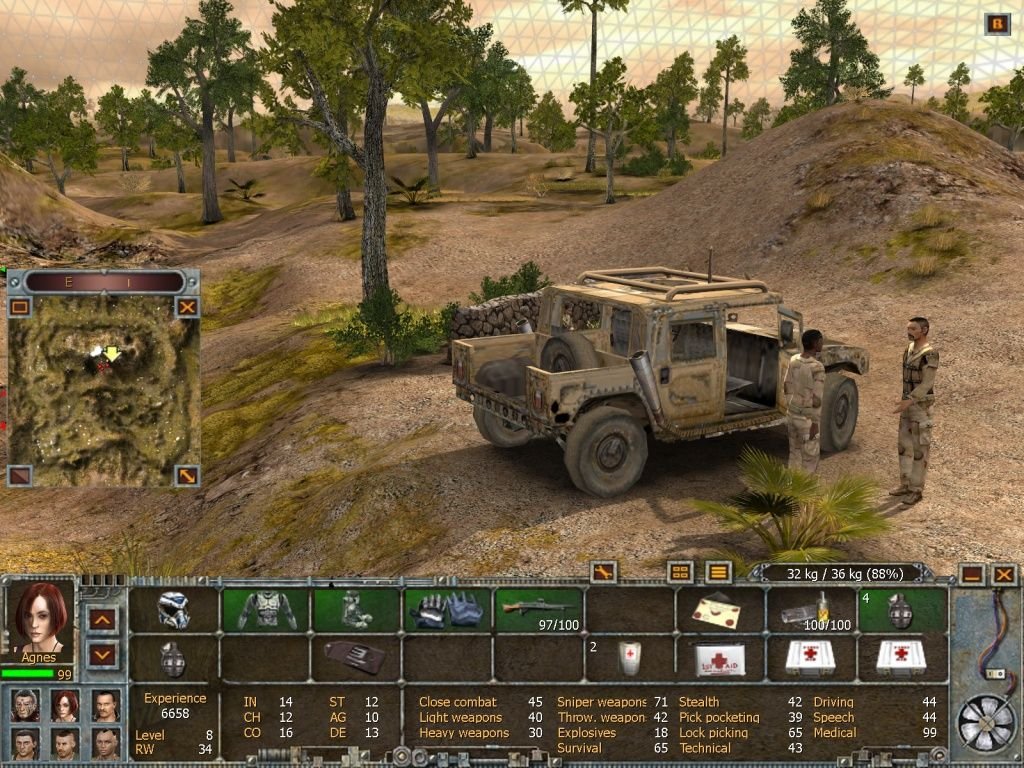
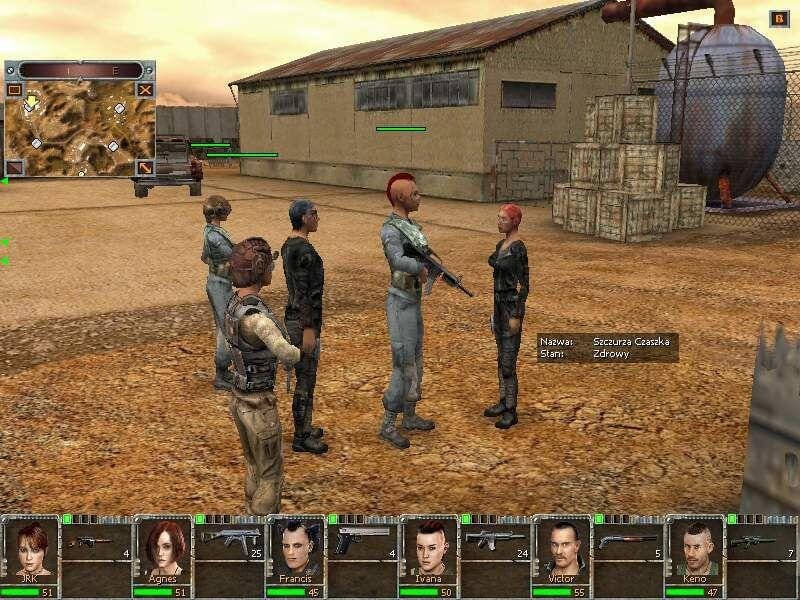
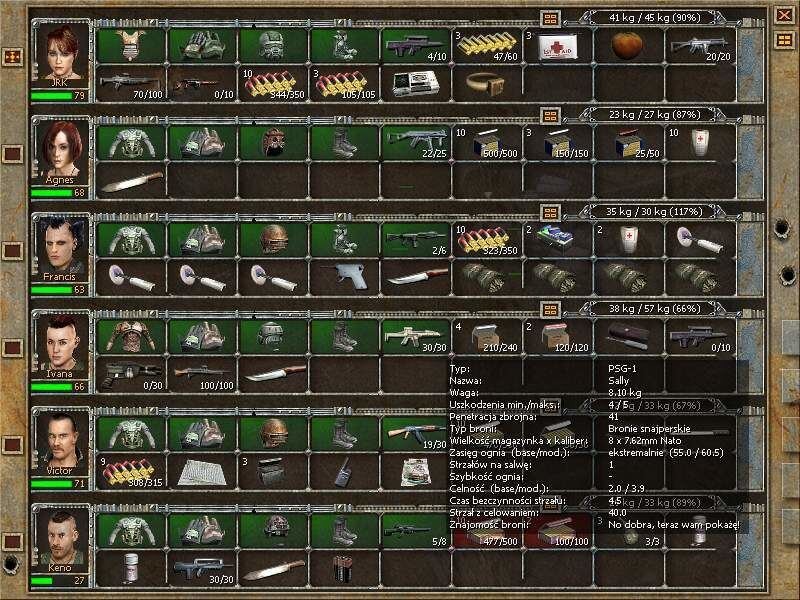
Set in a scorched earth future where global catastrophe has reduced humanity to warring factions and desperate survivors, you take control of a mercenary squad leader working for the “Government of New Order.” The setup sounds standard, but the execution is beautifully unhinged. Instead of standard turn-based grids, The Fall opted for a real-time with pause combat system. It demanded absolute tactical precision. If you ran into a group of raiders without setting up proper firing lines, managing your squad’s stance, or factoring in the exact weapon ranges, your team would be turned into desert paint in seconds. The game treated ammo like liquid gold and modern military hardware like sacred relics. You had to scavenge every single bullet, strip broken vehicles for parts, and carefully manage your fuel just to keep your squad moving across the dust.
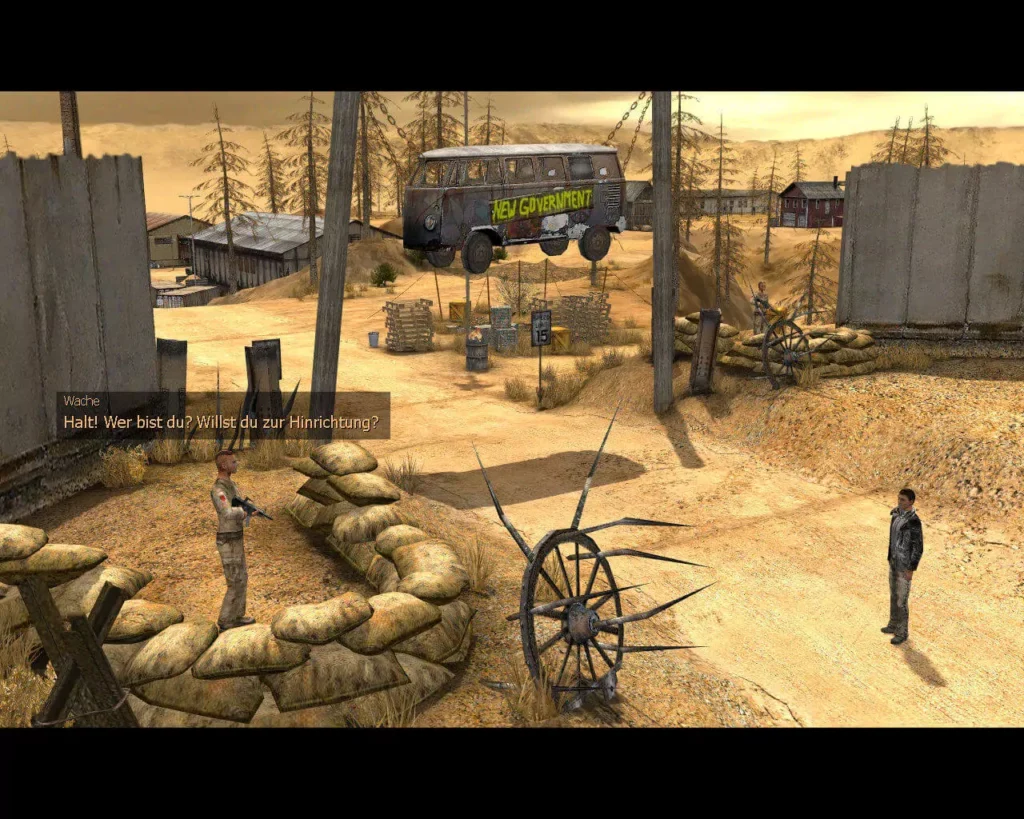
What truly sets The Fall apart from modern, over-designed RPGs is its sheer commitment to simulation and details. Your companions were not just silent stat-blocks; they were unhinged, quirky, and constantly bickering. Silver Style wrote an immense amount of dialogue tracking how squadmates reacted to each other, to your leadership decisions, and to the horrific moral compromises of the wasteland. Pair that deep writing with a blistering, heavy-metal-infused Gothic Metal soundtrack—anchored by the band Darkseed—and the game established an atmosphere that was incredibly dark, dusty, and distinct. It felt like playing a playable version of a classic heavy metal album cover.
Of course, you cannot talk about a classic masterpiece without talking about the launch disaster. When the game dropped in Germany in late 2004, it was an absolute mechanical catastrophe. Bugs would delete your saves, quests would break if you breathed wrong, and the performance could chug on even the most monstrous rigs of the era. It was a beautiful disaster. But Silver Style did not pull a modern corporate vanish act; they dug in. They released the Extended Version in 2005 and the definitive Reloaded Edition in 2006. The Reloaded version is where the game finally became the legend it was meant to be, fixing the engine, overhauling textures, and stabilizing the complex simulation underneath.
The ultimate tragedy, and the reason you might not have played it, is the English Paradox. Despite plans for a global release, an official English version was abruptly canceled as the publisher shifted focus. The game became a mythological relic, trapped behind a German language barrier. But this is where the beauty of PC gaming preservation shines. A dedicated group of community archivists and hardcore modders refused to let The Fall die. They spent countless hours building an extensive, highly competent unofficial English translation patch. Because of their preservation work, international players can finally experience this lost chapter of RPG history on modern systems. Today, with Silver Style long gone, the game exists as pure abandonware, a hidden monument to an era when RPGs were made for the hardcore, by the hardcore. It is clunky, it is unforgiving, and it is brilliant.