
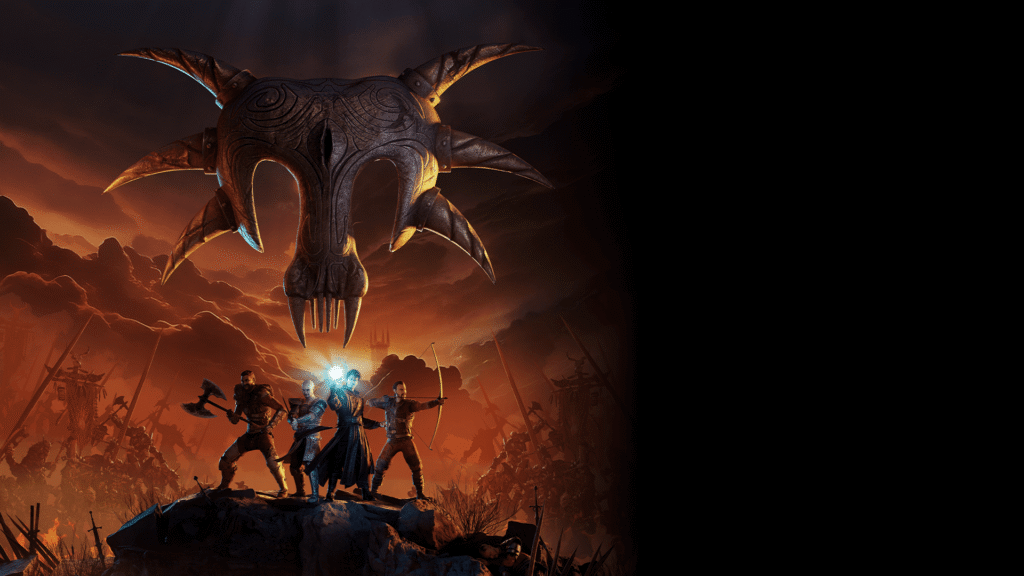

If you grew up in the early 2000s and had a penchant for PC gaming, you didn’t just play RPGs; you survived them. While the rest of the world was getting lost in the polished, high-fantasy meadows of other franchises, a small German studio called Piranha Bytes dropped a bomb called Gothic. It was ugly, it was mean, and it would punch you in the face for looking at a scavenger the wrong way. But for those of us who stuck around, it became the gold standard for immersion and world-building. Looking back at the series now in 2026, especially with the remake on the horizon and the community still modding like their lives depend on it, it’s clear that the DNA of the Nameless Hero is woven into the very fabric of what makes a great open-world game.
The Masterpiece of the Mines: The Original Gothic
The first Gothic was a revelation in 19-inch CRT monitors everywhere. You start the game by being kicked into a magical dome—the Barrier—and immediately punched in the face. That moment defined the entire series. You weren’t a chosen one; you were a convict in a rag tunic. The colony was a living, breathing social experiment where three factions—the Old Camp, the New Camp, and the Sect Camp—vied for power. What made it so special was the AI routines. Long before it was a marketing buzzword, NPCs in the colony had jobs, they ate, they slept, and they huddled around campfires to play lutes. If you walked into someone’s hut, they didn’t just stand there; they drew their sword and told you to get lost.
The vertical progression in this game is still some of the best ever designed. You start as a weakling who can barely swing a rusty sword, but by the time you’ve earned the respect of the mercenaries or the shadows, you feel like a god. Learning to fight wasn’t just about putting points into a stat; your actual combat animations changed. Your character would go from holding a sword with two shaky hands to a disciplined, one-handed stance. That sense of tangible growth is something modern games still struggle to replicate. The atmosphere of the colony, with its jagged cliffs and the constant, looming presence of the blue shimmering dome, created a sense of claustrophobia and mystery that kept us hooked until the final showdown with the Sleeper.
Perfection in Khorinis: Gothic II and Night of the Raven
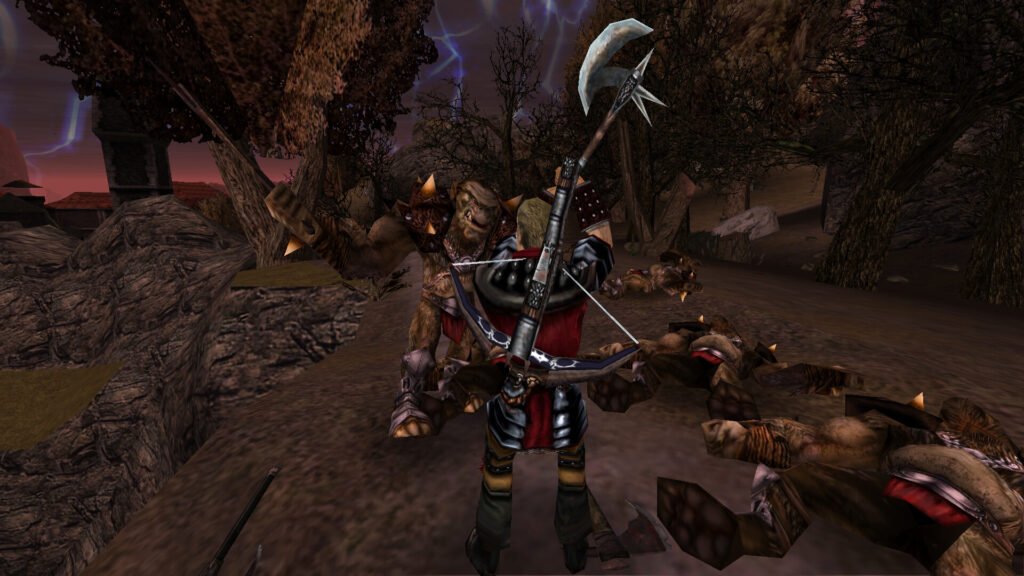
If the first game was the spark, Gothic II was the roaring forest fire. Expanding the world to the island of Khorinis, Piranha Bytes delivered what many consider the greatest RPG of all time. Moving from the prison colony to a bustling medieval port city felt like a massive step up in scale. The stakes were higher—dragons, ancient cults, and the literal end of the world—but the game never lost its gritty charm. You still had to work for every scrap of gold, and the guards were still jerks.
Then came the expansion, Night of the Raven, which integrated into the main story and turned the difficulty up to eleven. It introduced the Jharkendar region, a pirate-infested jungle and desert that felt totally distinct from the main island. The expansion didn’t just add content; it rebalanced the entire game to reward specialization and exploration. Whether you were joining the Militia, the Mercenaries, or the Fire Mages, the choices felt heavy and the rewards felt earned. The way the world changed as you progressed—monsters being replaced by tougher versions and NPCs reacting to your new status—made Khorinis feel like a real place. It was the peak of the manual exploration era, where finding a hidden cave actually meant finding a unique, hand-placed item rather than a procedurally generated loot box.
The Beautiful Chaos of Myrtana: Gothic 3
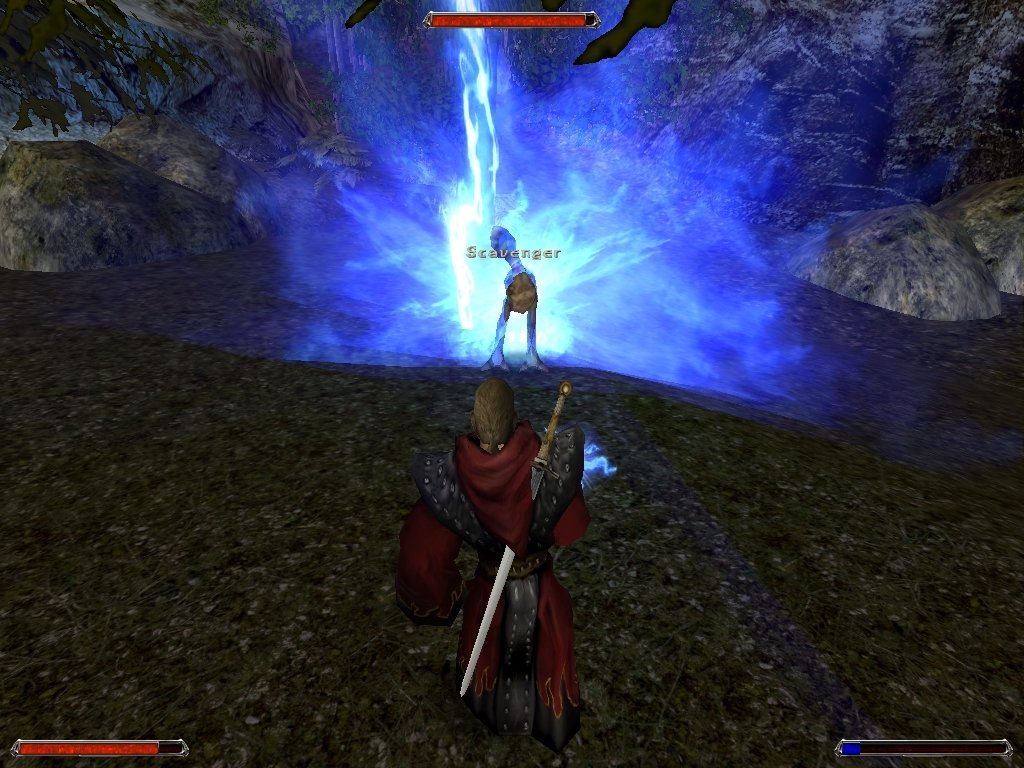
We have to talk about the elephant in the room. When Gothic 3 launched, it was a technical disaster, but man, was it an ambitious one. It broke away from the loading screens and small hubs to give us the entire continent of Myrtana, Varant, and Nordmar. It was one of the first truly seamless open worlds, and it was breathtaking. From the lush green forests of the midlands to the biting frost of the north, the Genome Engine pushed hardware to its absolute limit.
But beyond the bugs, there was a masterpiece hiding in the tall grass. The soundtrack by Kai Rosenkranz remains, in my humble opinion, the best musical score in gaming history. Every region had a theme that perfectly captured its soul. The liberation mechanic, where you could walk into any town occupied by orcs and start a revolution, gave players a level of agency that was unheard of. Thanks to years of work by the Community Patch Team, Gothic 3 is now the game it was always meant to be: a massive, beautiful, and deeply rewarding adventure. It’s a testament to the passion of the fanbase that a game once written off as “broken” is now a staple of the “must-play” RPG list.
A Different Perspective: Arcania and the Gothic Legacy
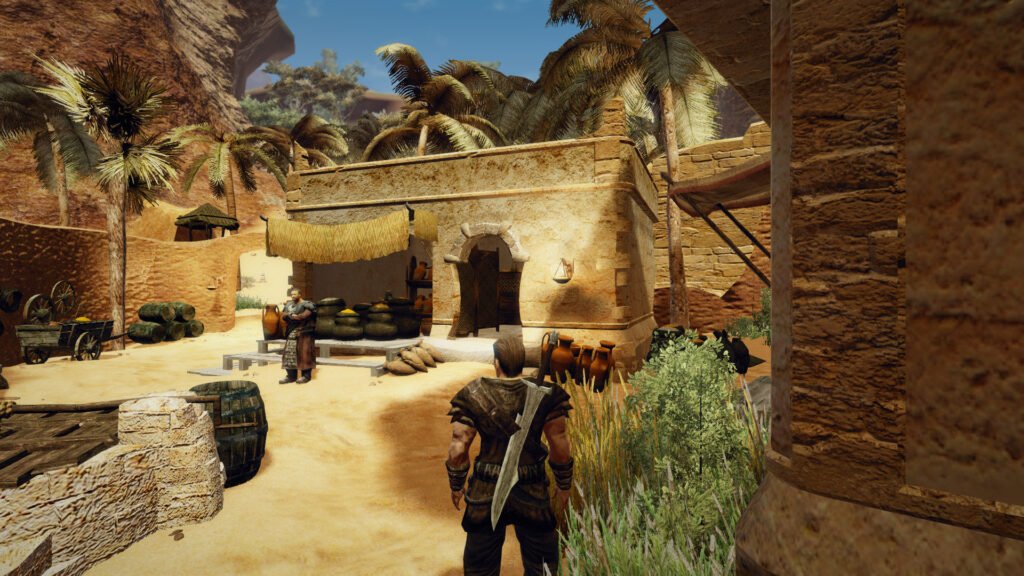
Then we have Arcania, often called Gothic 4. To be fair to the developers at Spellbound, they had big shoes to fill. While hardcore fans initially recoiled because it simplified the complex systems we loved—no more needing a trainer for every single skill, and a more linear world—looking back, Arcania has its own unique charm. It was a visually stunning game for its time, with some of the best weather effects and lighting the series had ever seen.
As a standalone action-RPG, it’s actually a very fun, cozy experience. It brought the Gothic aesthetic to a wider audience and offered a more cinematic take on the lore. While it lacked the “roughness” and the deep faction-based choice system of its predecessors, it maintained the series’ knack for great environmental storytelling. It serves as an interesting “what if” in the series’ history, showing a path toward a more streamlined, accessible fantasy world. It’s the “chill” entry in a franchise known for being stressful, and there’s definitely a place for that on a rainy Sunday afternoon.
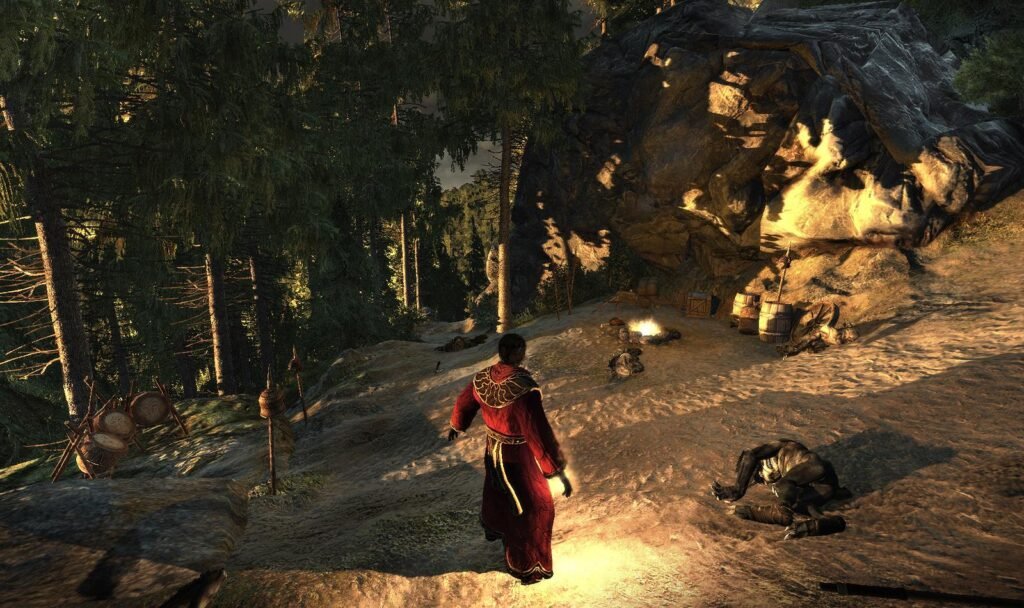
The Immortal Spirit of the Nameless Hero
What makes the Gothic series so enduring after all these decades? It’s the honesty of the world. These games don’t scale the enemies to your level; if you wander into the wrong forest, you will die. They don’t fill your screen with icons and waypoints; you have to look at the landmarks and listen to the directions the NPCs give you. This creates a sense of discovery that is incredibly rare. You aren’t just a player moving a character; you are a person learning to survive in a hostile land.
The community is the real hero here. From the Chronicles of Myrtana: Archolos mod—which is essentially a full-blown professional game made by fans—to the high-definition texture packs and engine fixes, the love for Gothic is stronger than ever. As we look toward the future and the Gothic 1 Remake, there’s a feeling of coming full circle. The world is finally ready for a game that doesn’t hold your hand. We want the mud, we want the rude guards, and we want the thrill of finally becoming the most powerful man in the colony. The Gothic saga is more than just a collection of games; it’s a masterclass in atmosphere and a reminder that sometimes, the best way to make a player feel like a hero is to start them off as a nobody in the dirt.
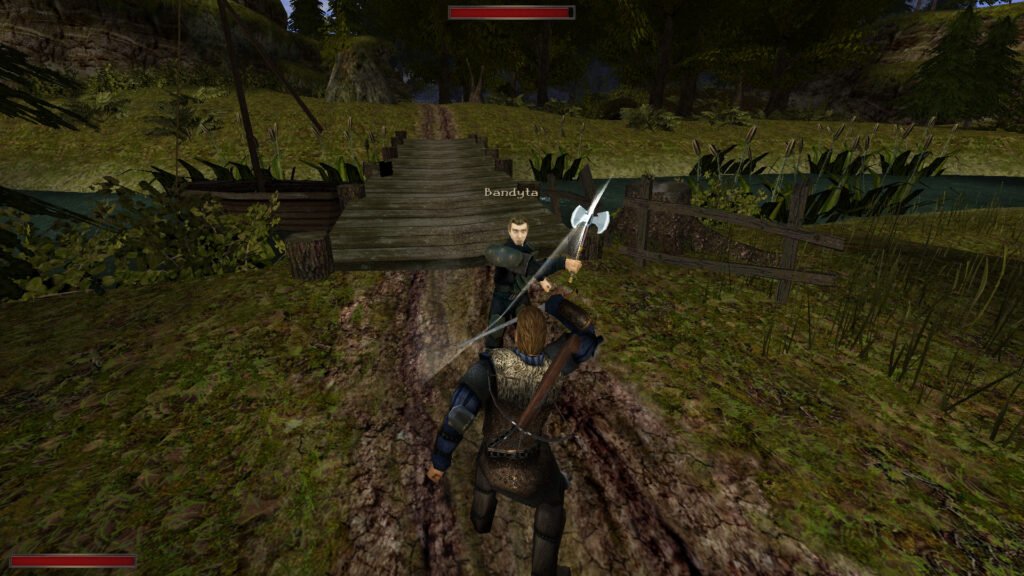
The Modern Heir: Of Ash and Steel
As we celebrate the past, it’s impossible not to look at how this DNA is evolving in the modern era, specifically with the recent emergence of Of Ash and Steel. Developed by those who clearly spent their youth getting beaten up in the Old Camp, this game feels like a spiritual successor that understands the Gothic philosophy better than almost anything else on the market. It captures that essential “start from zero” feeling, where the world is dangerous and your progression is measured by the sweat of your brow rather than just an XP bar. Seeing Of Ash and Steel embrace the lack of hand-holding and the focus on immersive exploration proves that the “Gothic style” isn’t a relic of the past—it’s a timeless design principle. For fans who have played the original trilogy to death, this modern take provides that same addictive loop of struggle and triumph, reminding us all why we fell in love with being a nameless nobody in the first place.