
The gaming landscape is surprisingly thin on the front of “serious” pirate games. Sure, we had the lighthearted fun of Monkey Island or the strategy-lite vibes of Sid Meier’s Pirates!, but if you wanted something that felt like a salty, gritty, and occasionally broken simulation of life under the Jolly Roger, there was only one name that truly mattered. That name belonged to a Russian developer called Akella, and the series they birthed—known to most as Sea Dogs—is perhaps the most chaotic, ambitious, and enduring legacy in the history of naval gaming. To understand why people are still playing these games decades later, you have to embrace a very specific kind of gaming philosophy: the idea that a game can be absolutely riddled with bugs and still be a masterpiece of immersion.
The Birth of a Legend in the Year 2000
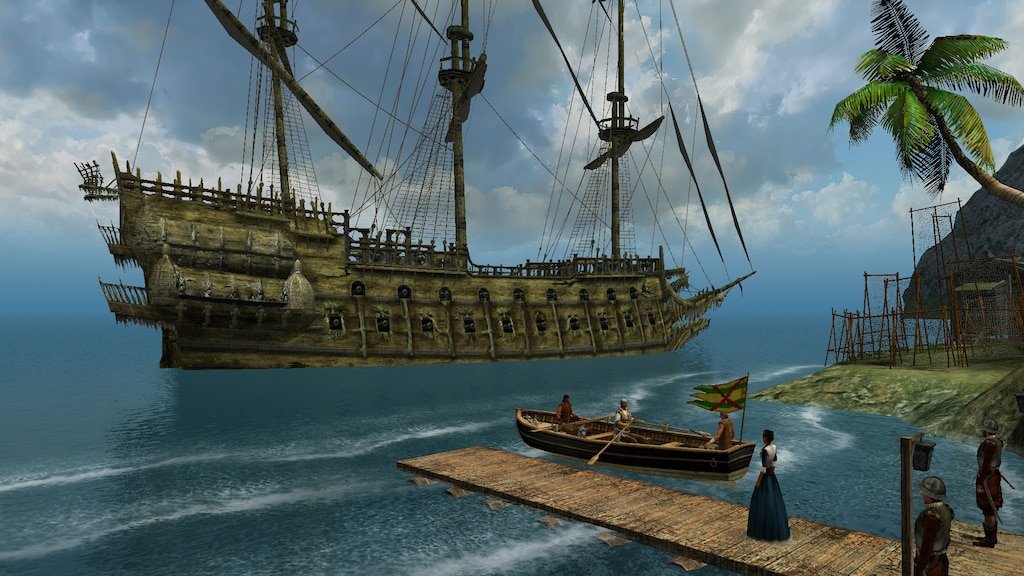
Back at the turn of the millennium, the gaming world was still figuring out what 3D open worlds should look like. In stepped Akella with the original Sea Dogs. Published in the West by Bethesda (yes, that Bethesda), this game was an absolute revelation. It didn’t just let you sail a ship; it forced you to live the life of a captain. You started with a tiny boat and a handful of disgruntled sailors, and the Caribbean was your oyster. What made it special was the RPG mechanics. This wasn’t an arcade shooter. You had to worry about your reputation, your navigation skills, and whether or not the French navy was going to blow you out of the water the second you left port. It was the first time a game really captured the scale of the ocean, using a proprietary piece of tech called the Storm Engine that would go on to define the series for better and for worse.
The Mouse and the Mast: The Disney Connection
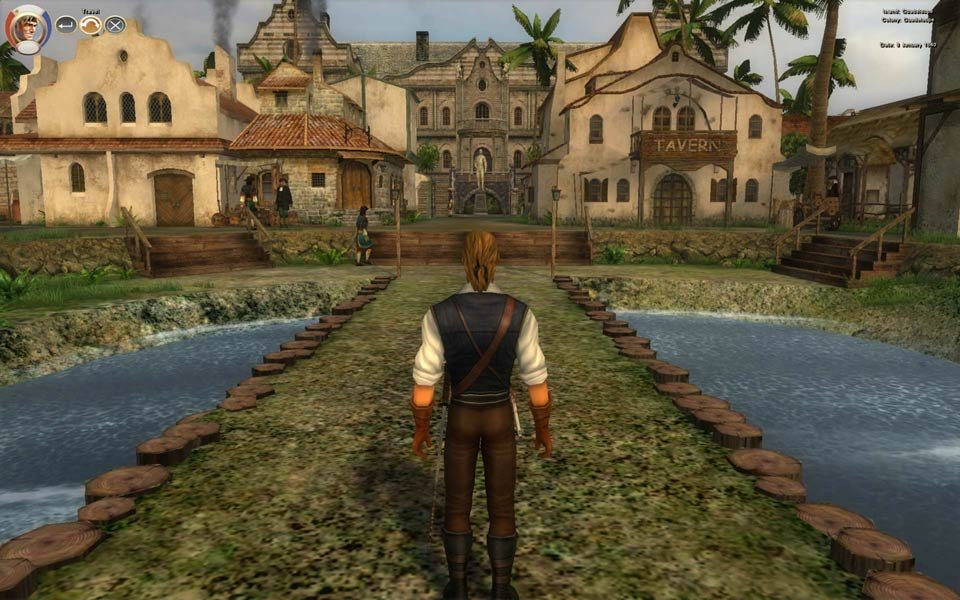
The history of the sequel is where things get truly weird. Most people who grew up in the early 2000s remember a game called Pirates of the Caribbean, which came out right alongside the first Johnny Depp movie. If you played it, you probably noticed it had almost nothing to do with Jack Sparrow. That’s because the game was actually Sea Dogs 2. Midway through development, Disney took a look at what Akella was building and decided they wanted that engine for their movie tie-in. The result was a bizarre hybrid. It had the Disney branding, but underneath the hood, it was a hardcore Russian naval sim. This game became a cult classic because, despite the branding, it featured some of the most beautiful water physics ever seen at the time. The sunsets were gorgeous, the storms were terrifying, and the modding community immediately recognized that they had been handed a diamond in the rough. To this day, the New Horizons mod for this specific game is still being updated, turning a twenty-year-old movie tie-in into one of the deepest pirate experiences ever made.
The Age of Pirates and the Peak of the Series
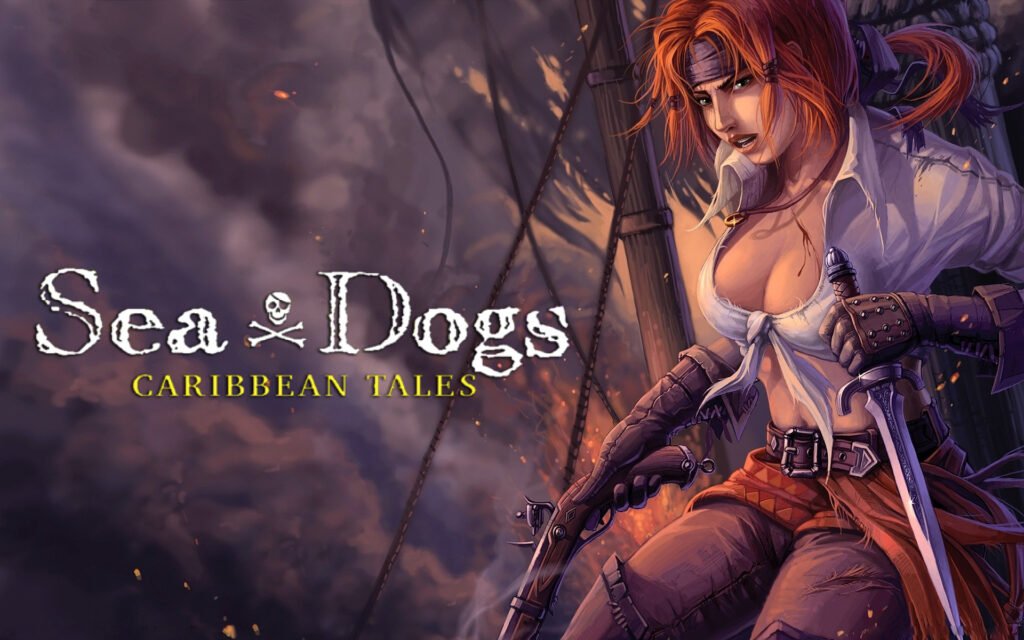
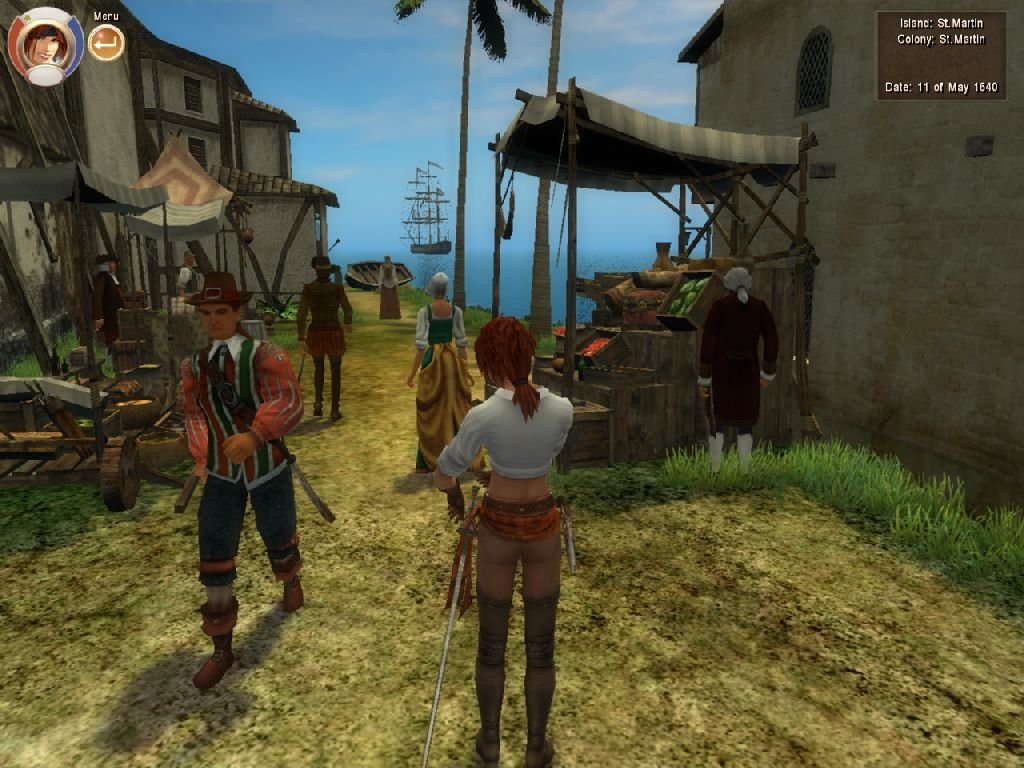
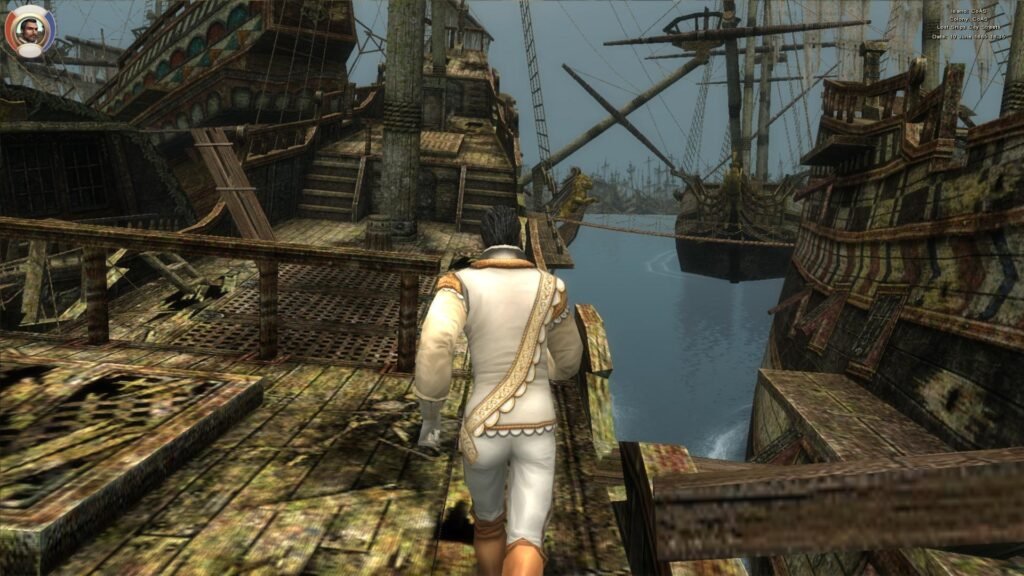
After the Disney detour, the series returned to its roots but hit a bit of a branding identity crisis. In Russia, the games were always called Korsary, but in the West, they started popping up under the title Age of Pirates. This era gave us Caribbean Tales and the legendary City of Abandoned Ships. If you ask a die-hard fan which game is the best, they will almost certainly point to City of Abandoned Ships. This was the moment the series reached its zenith. It introduced a massive map, dozens of unique ships, and a character progression system that felt like a true RPG. You could be a merchant, a bounty hunter, or a total villain. The game didn’t hold your hand. If you sailed into a hurricane with a damaged hull, you died. If you didn’t pay your crew, they mutinied and threw you overboard. It was a game that was technically held together by digital duct tape and prayer, yet offered a level of freedom that AAA developers wouldn’t dare touch.
The Modders Who Became the Masters
Eventually, the financial reality of the mid-2000s hit Akella hard. They couldn’t keep up with the ballooning costs of modern game development, and for a while, it looked like the series was dead in the water. But the fans refused to let it sink. A group of modders known as Seaward.ru had been making massive overhauls for years, and Akella eventually did something brilliant: they gave the modders the source code and told them to make the next official game. This led to Sea Dogs: To Each His Own. This game is the dark souls of pirate sims. It is brutally difficult, often unfair, and expects you to understand the nuances of wind direction and cannonball types within the first hour. It was developed by people who loved the series so much they forgot that “normal” players might find it frustrating. It solidified the series as a hardcore niche, moving away from the mainstream and leaning into its status as a simulator for people who actually wanted to feel the salt on their skin.
The Mechanics of a Caribbean Sandbox
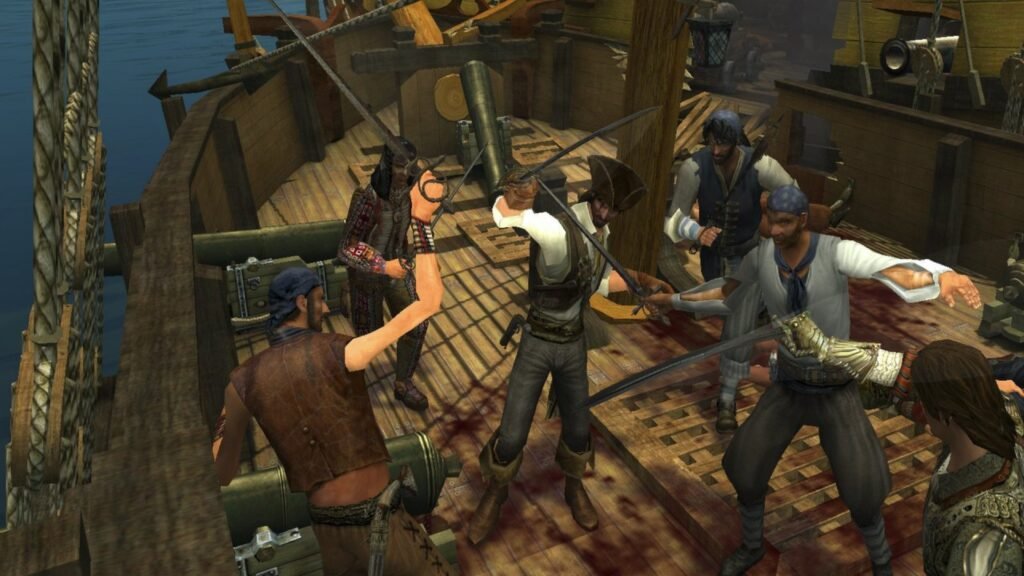
So, what actually happens when you play a Sea Dogs game? It’s a loop of high-stakes gambling. You spend your time in the world map view, navigating between islands, and then drop down into a real-time sailing mode for combat. The naval combat is the soul of the experience. It’s slow, methodical, and tense. You have to account for the reload times of your cannons, the type of shot you’re using—chainshot to rip the sails, grapeshot to kill the crew, or roundsholt to sink the hull—and the ever-shifting wind. Once you’ve battered a ship into submission, you can move in for a boarding action. This shifts the game into a third-person sword fighter. It’s clunky, sure, but the adrenaline of fighting your way across a blood-stained deck to capture a massive Man-o’-War is a feeling few other games can replicate. You aren’t just a pilot; you’re a manager. You have to keep track of rations, rum, and the loyalty of your officers, each of whom has their own stats and perks.
The Storm Engine Legacy and Modern Day
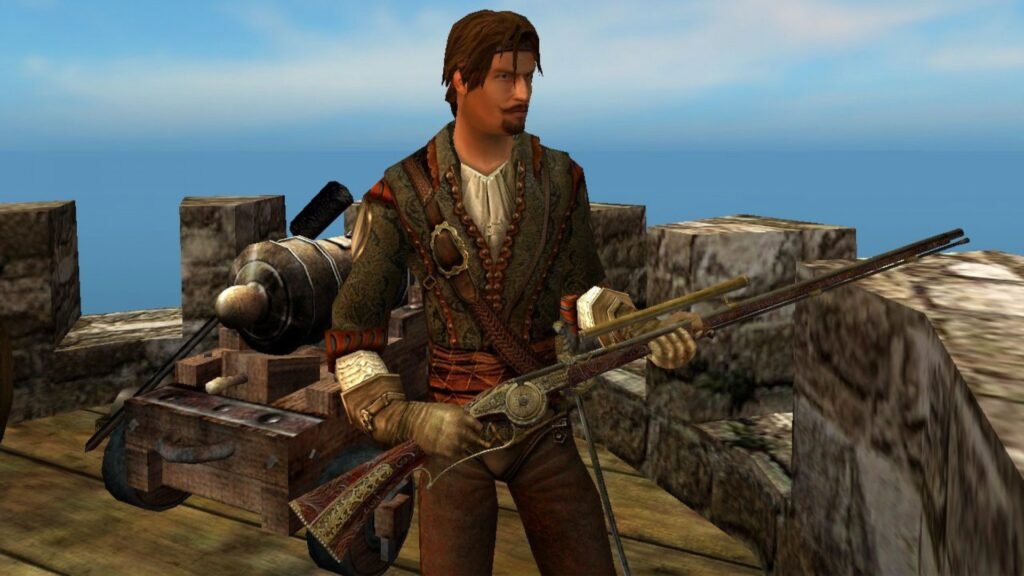
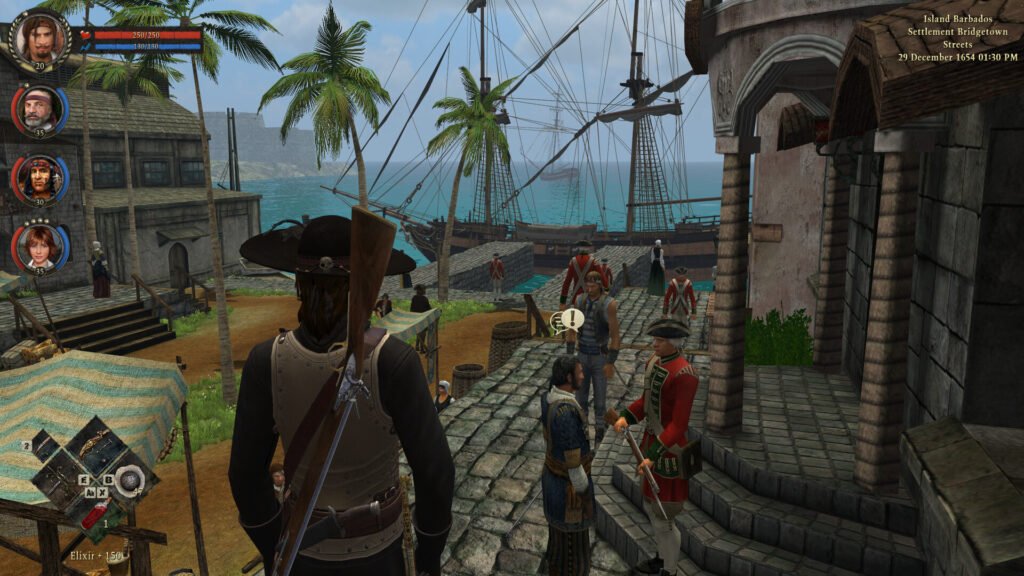
It is impossible to talk about this series without mentioning the Storm Engine. For over two decades, this engine has been pushed, pulled, and stitched back together. It is the reason the games look surprisingly decent even today—the water technology was decades ahead of its time—but it’s also the reason for the “jank.” The engine was never meant to do half the things the developers forced it to do. However, that’s part of the charm. There is a sense of authenticity in these games that comes from their rough edges. In 2024, we saw the release of Caribbean Legend and more recently, this March, the release of Caribbean Legend: Age of Pirates, which is essentially the ultimate evolution of the City of Abandoned Ships formula. It’s a massive, sprawling love letter to the fans, proving that there is still a huge appetite for this specific brand of maritime adventure. It takes everything the modders learned over twenty years and bundles it into a modern package that, while still technically “old school,” is the most stable version of the pirate dream we’ve ever had.
Why We Still Set Sail
You might wonder why anyone would bother with a series that is notorious for being difficult to run and even harder to play. The answer lies in the atmosphere. The Sea Dogs games don’t treat piracy like a theme park ride. They treat it like a dangerous, profitable, and thrilling career. There is a specific kind of magic in leaving a port at sunset, watching the waves roll past your bow, and knowing that you are the master of your own fate. Whether you are trading chocolate and tobacco to make a fortune or hunting down legendary ghost ships in the middle of a storm, the series offers a sense of scale and agency that remains unmatched. It’s a series built by people who clearly loved the history and the lore of the Caribbean, and that passion shines through every glitchy animation and mistranslated line of dialogue. The Sea Dogs series isn’t just a collection of games; it’s a testament to the power of community and the enduring appeal of the golden age of piracy. If you have the patience to learn its quirks, it will give you a voyage you’ll never forget.