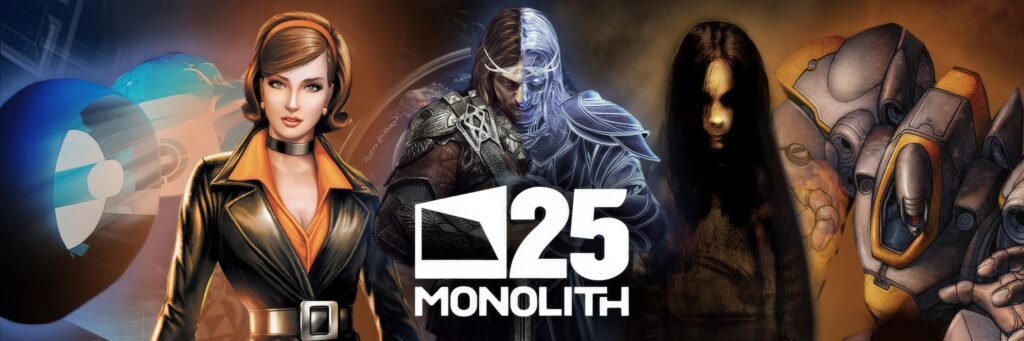

If you’ve ever felt the sheer visceral satisfaction of nailing a cultist to a wall with a harpoon or felt your heart skip a beat when a creepy little girl appeared in a flickering hallway, you probably have Monolith Productions to thank. Founded in 1994 and based in Kirkland, Washington, this studio wasn’t just another name on a box; they were the architects of some of the most atmospheric, technically impressive, and downright weird experiences in gaming history. For over three decades, Monolith carved out a niche as the “cool kid” of the PC development world, specializing in first-person shooters that refused to play by the rules. Their secret weapon was the LithTech engine, a proprietary piece of tech that allowed them to push graphical boundaries and create some of the most intelligent AI seen in the industry. Whether they were doing 60s spy spoofs or gritty urban horror, a Monolith game always felt distinct—heavy, responsive, and just a little bit smarter than the competition.
Spilling First Blood
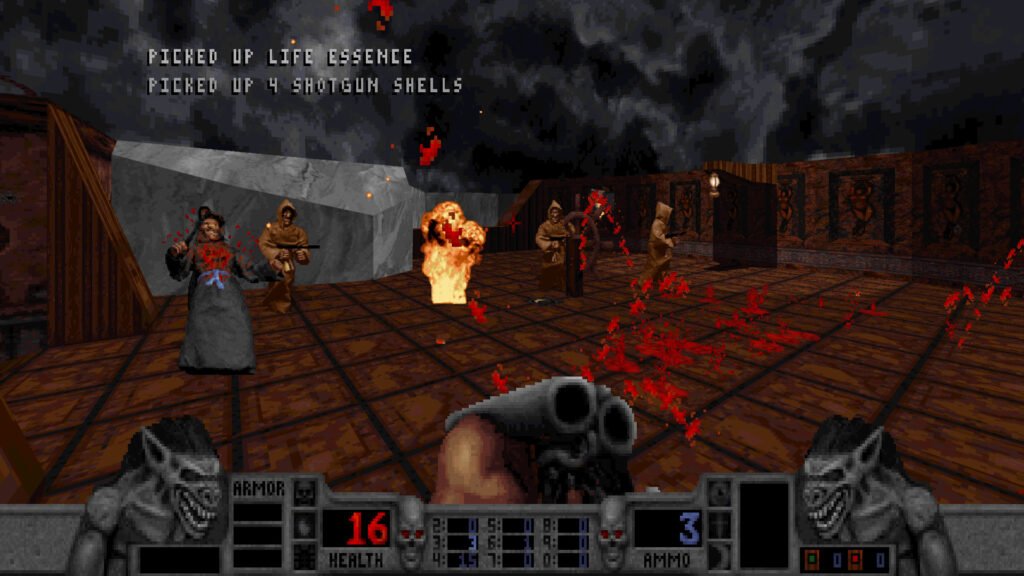
The studio’s first real claim to fame was Blood, released in 1997. While everyone else was busy cloning Doom or Quake, Monolith used the Build engine to create something far more macabre. You played as Caleb, an undead gunslinger seeking revenge against a dark god. It was legendary for its voodoo dolls, flare guns, and sheer amount of pixelated gore. It established Monolith as a developer that wasn’t afraid of a “mature” rating and had a wicked sense of humor. Caleb’s dry one-liners and the game’s oppressive, gothic atmosphere made it an instant cult classic, even if it was hard as nails.
A Change of Pace with Claw
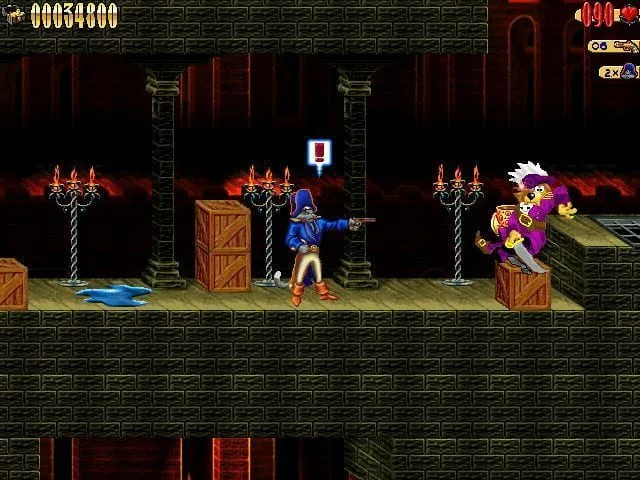
That same year, Monolith proved they weren’t just a one-trick pony with Claw. This was a side-scrolling platformer featuring a pirate cat named Captain Nathaniel Joseph Claw. It was vibrant, beautifully animated, and deceptively difficult. While it felt like a departure from their darker roots, it showed off the studio’s versatility. Captain Claw remains a nostalgic touchstone for many late-90s PC gamers, mostly remembered for its tight controls and the fact that a pirate cat is just objectively a great idea for a protagonist.
Anime Influence in Shogo: Mobile Armor Division
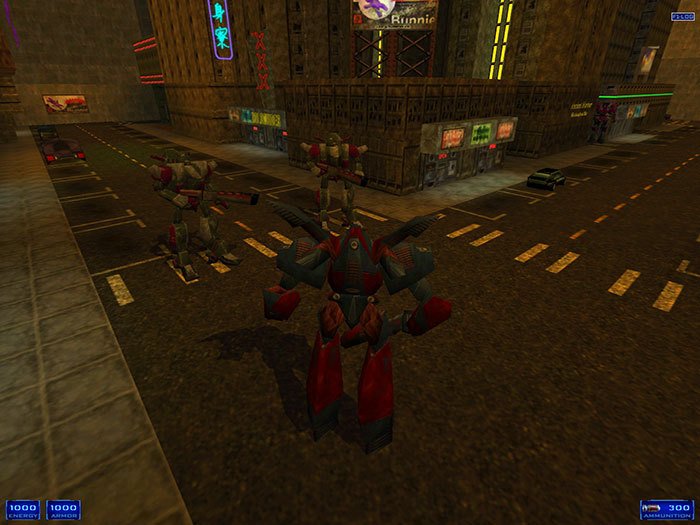
In 1998, the studio shifted gears again with Shogo: Mobile Armor Division. This was their love letter to 80s and 90s anime, specifically the “mecha” genre. It was one of the first games to use their internal LithTech engine, and it was revolutionary for its time. You could switch between pilot-on-foot combat and giant robot brawls. The game featured bright colors, wide-eyed character portraits, and giant missiles that left trailing smoke clouds—all the hallmarks of a classic OVA. It was a bold experiment that successfully blended Western shooter mechanics with Eastern aesthetics.
The Cyberpunk Struggles of Blood II: The Chosen
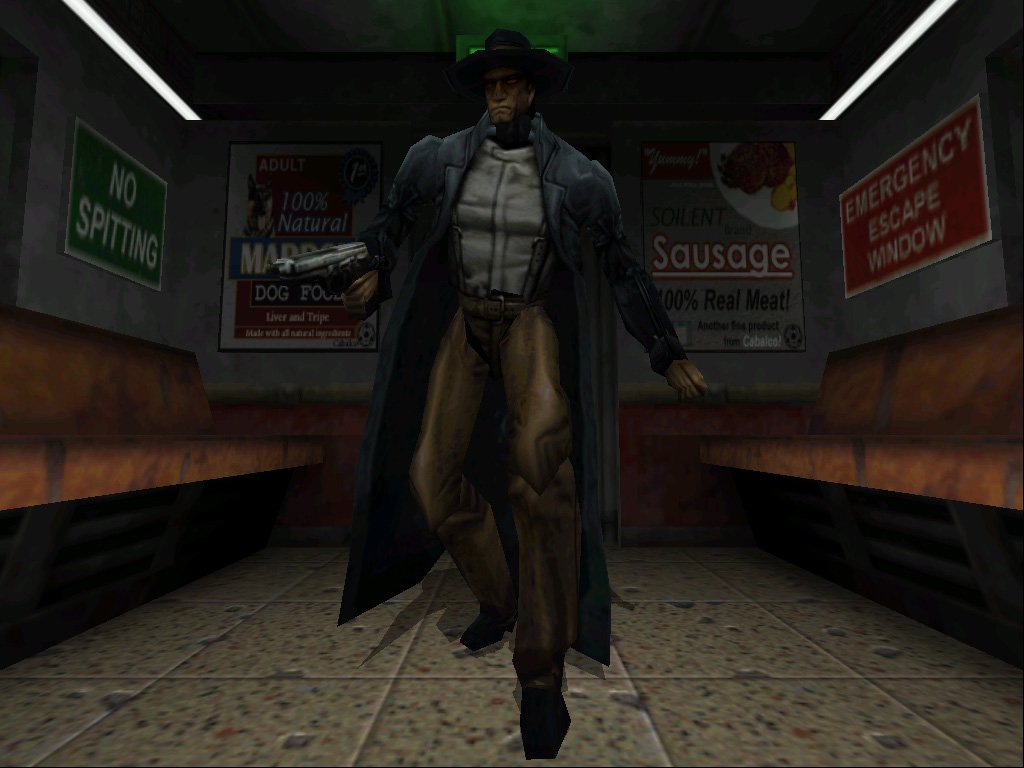
Later in 1998, they returned to their roots with Blood II: The Chosen. Moving the franchise into a futuristic, cyberpunk setting was a controversial move, and the game suffered from a rushed development cycle. While it lacked the cohesive gothic charm of the original, it was still a showcase for early 3D acceleration. It featured a four-character roster and some truly bizarre weaponry, but it was bogged down by bugs. Despite its flaws, it kept the “Monolith vibe” alive—dark, cynical, and relentlessly violent.
Puzzle Chaos in Gruntz
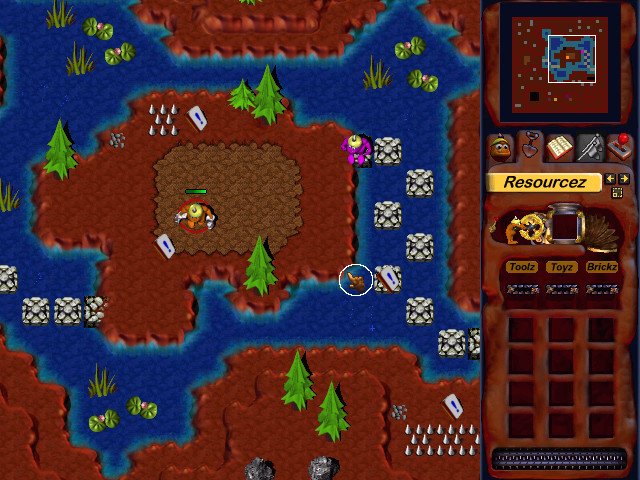
Before the turn of the millennium, Monolith dropped Gruntz in 1999. This was a quirky puzzle-strategy game featuring small, orange creatures that looked a bit like Play-Doh people. It was a massive departure from their shooter pedigree, focusing on lateral thinking and environmental navigation. It’s often overlooked in their catalog, but it demonstrated the studio’s willingness to experiment with genres that didn’t involve holding a shotgun. It was charming, colorful, and proved that the team had a serious knack for level design.
The Style of No One Lives Forever
Then came the year 2000, and with it, The Operative: No One Lives Forever. This is arguably where Monolith became a household name. Starring the iconic Cate Archer, the game was a brilliant parody and homage to 1960s spy cinema. It wasn’t just a great shooter; it was a masterpiece of writing and world-building. The AI was revolutionary, with guards having actual conversations about their dental plans or the ethics of being a henchman. It featured gadgets like exploding lipstick and a briefcase rocket launcher, blending stealth and action with a level of polish that few could match.

Terror in Space with Aliens Versus Predator 2
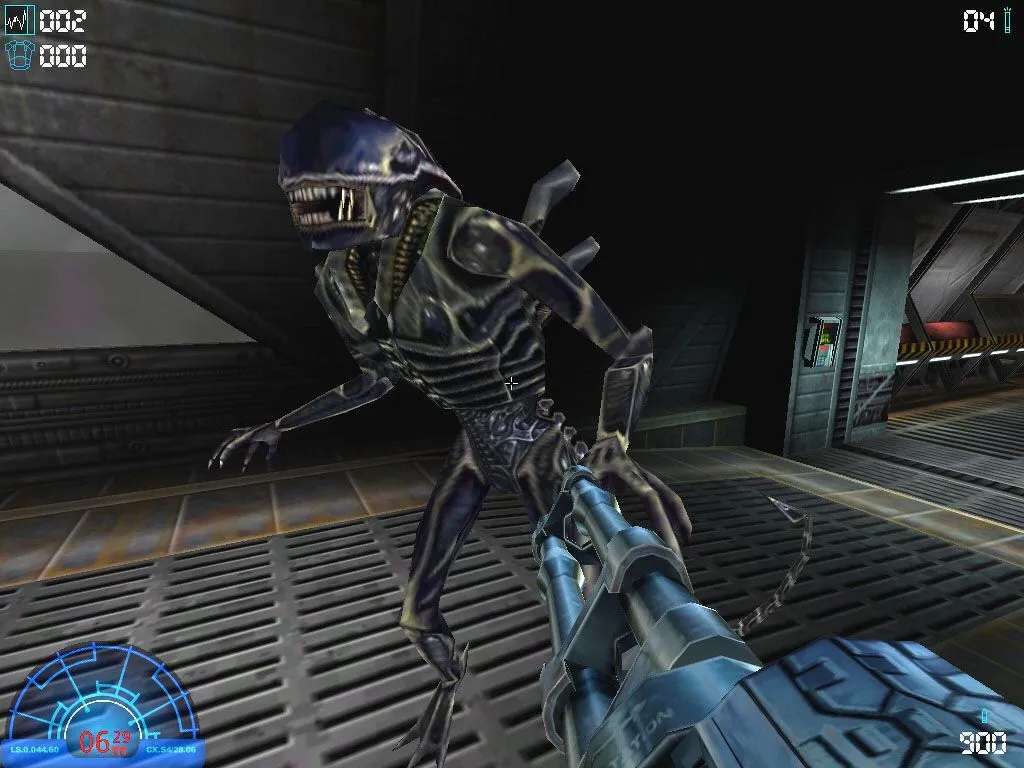
In 2001, Monolith took over the reins of the Aliens Versus Predator franchise for its second installment. They absolutely nailed the atmosphere, creating three distinct campaigns for the Marine, the Alien, and the Predator. The Marine campaign, in particular, is still cited as one of the scariest experiences in gaming. The beep of the motion tracker became a trigger for pure anxiety. Monolith’s ability to handle licensed properties with such reverence for the source material set them apart from the “cash-in” developers of the era.
Refining the Formula in NOLF 2
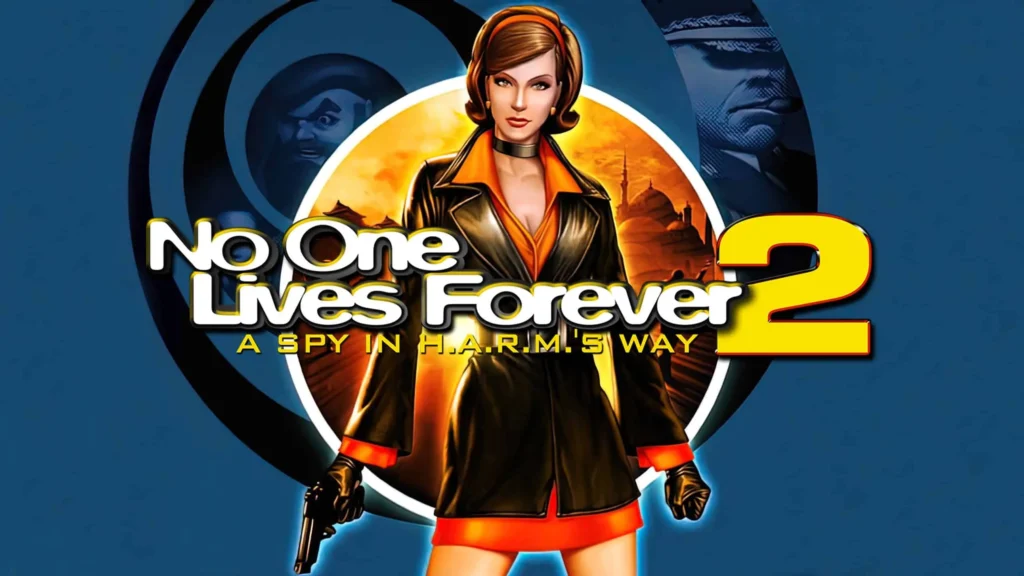
A sequel followed in 2002 with No One Lives Forever 2: A Spy in H.A.R.M.’s Way. It took everything great about the first game—the humor, the gadgets, the “swinging sixties” vibe—and dialed it up to eleven. The visuals were stunning for the time, featuring some of the best facial animation in the industry. It also introduced light RPG elements, allowing players to upgrade Cate’s skills. Sadly, because of complex rights issues between Warner Bros., Activision, and Disney, this masterpiece is virtually impossible to buy digitally today, existing only in the “abandonware” shadows.
Entering the Digital Grid with TRON 2.0
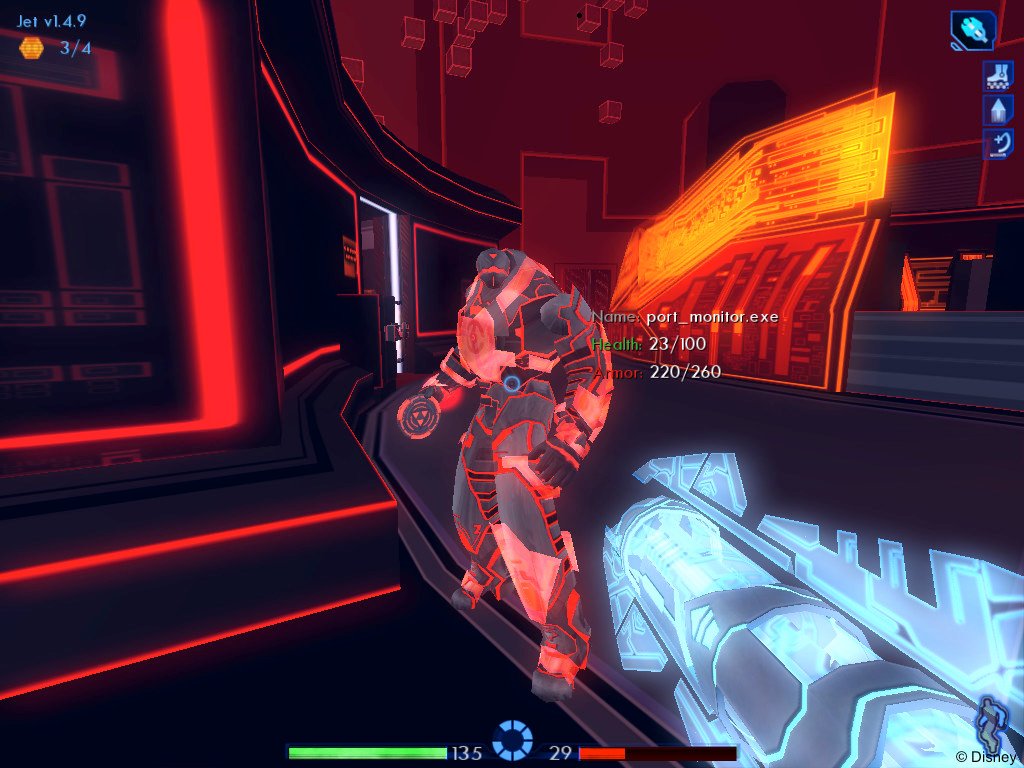
In 2003, Monolith tackled another massive license with TRON 2.0. Acting as a spiritual successor to the original film, it featured a striking “neon-minimalist” art style that hasn’t aged a day. They managed to turn the world of TRON into a functional FPS-RPG hybrid where you could upgrade your “subroutines.” It included the legendary light cycle races and disc combat, proving once again that Monolith understood how to make a licensed game feel like an authentic expansion of a beloved universe.
The Short-Lived Matrix Online
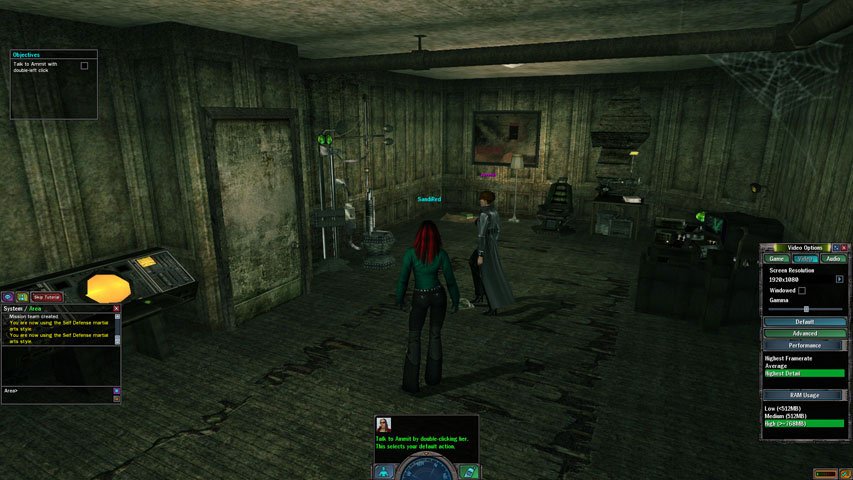
Monolith’s foray into the world of massively multiplayer online games came in 2005 with The Matrix Online. It was an ambitious project that aimed to continue the story after the film trilogy. It featured a unique combat system that tried to replicate the “wire-fu” of the movies and a complex faction system. While it never quite hit the subscriber numbers of its contemporaries, it was a fascinating experiment in persistent storytelling, with live events that supposedly impacted the lore of the franchise.
Redefining the Shooter with F.E.A.R.
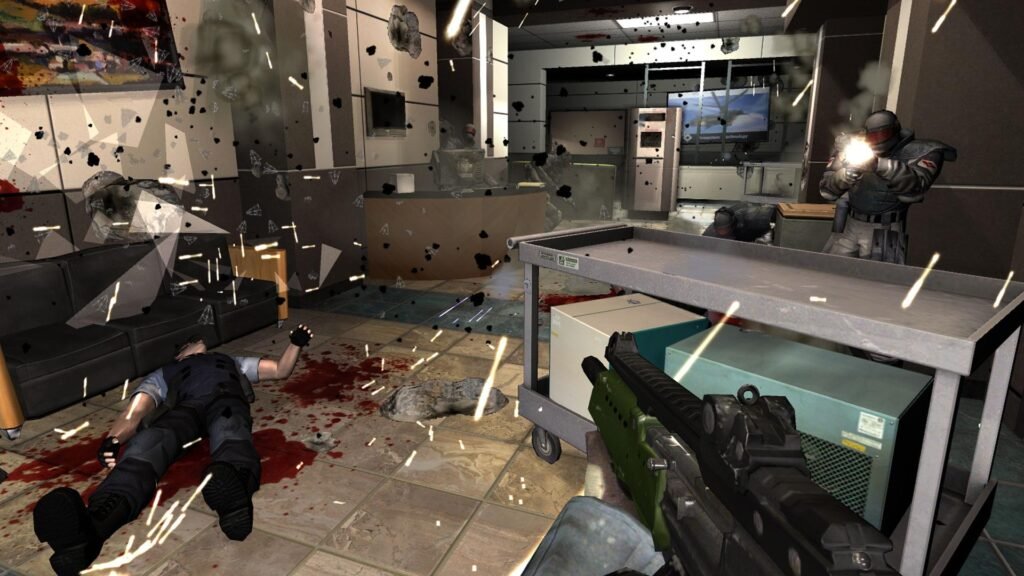
2005 was a massive year for the studio, headlined by the release of F.E.A.R. (First Encounter Assault Recon). This game changed everything. It featured the most advanced enemy AI ever seen in a shooter—enemies would flank, suppress, and communicate with each other in ways that felt frighteningly real. Combine that with John Woo-style slow-motion gunfights, incredible particle effects, and a creeping Japanese-inspired horror story featuring the psychic girl Alma, and you had a certified hit. It remains the gold standard for tactical shooter combat.
Brutal Investigations in Condemned: Criminal Origins
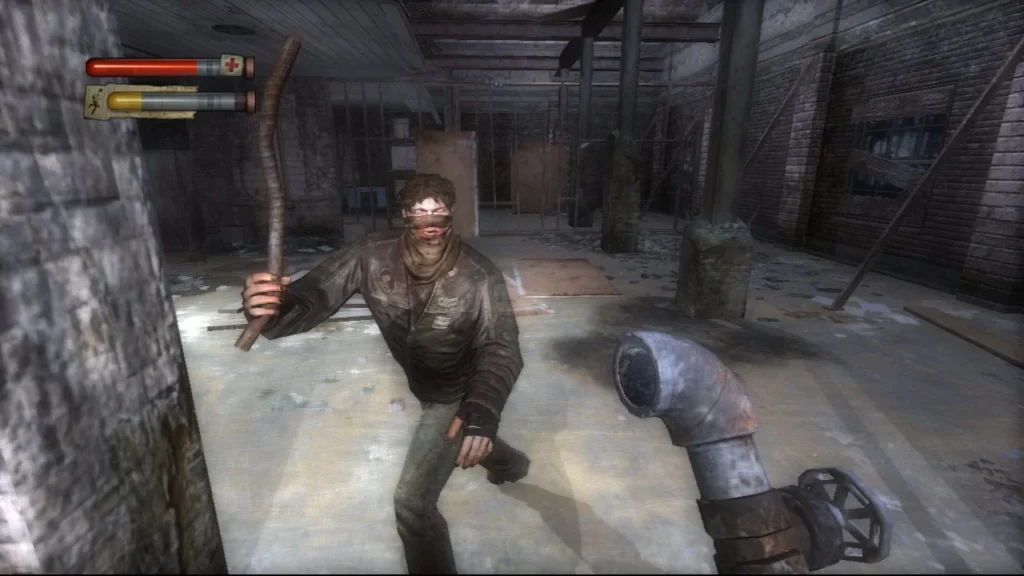
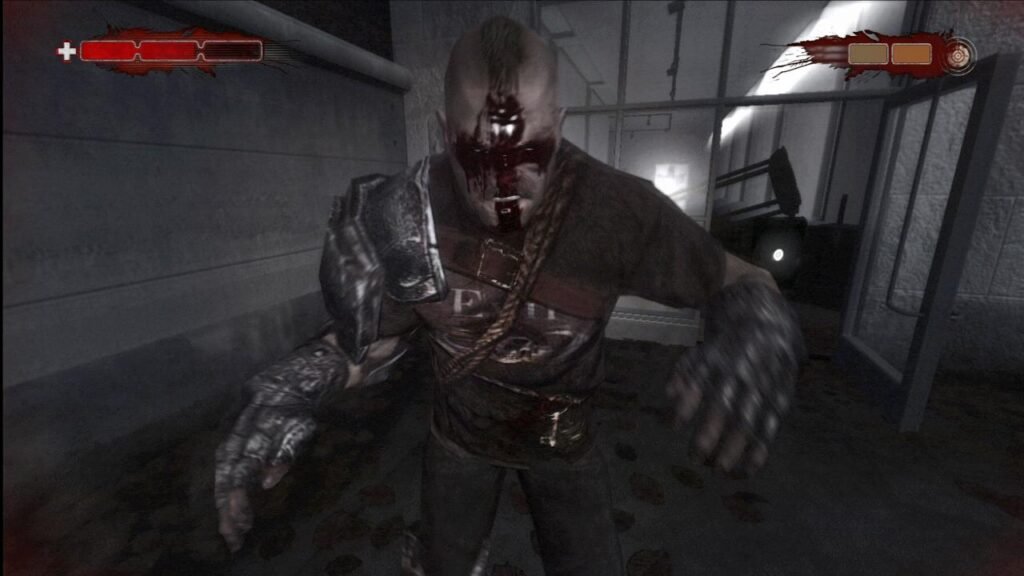
Simultaneously, Monolith launched Condemned: Criminal Origins as a launch title for the Xbox 360. It was a gritty, first-person brawler that focused on melee combat and forensic investigation. You played as Ethan Thomas, a detective framed for murder, hunting a serial killer through the most disgusting, derelict environments imaginable. The combat felt heavy and desperate, with players ripping pipes off walls to defend themselves. It was a masterclass in tension and remains one of the best “urban horror” games ever made.
Continuing the Nightmare with F.E.A.R. 2
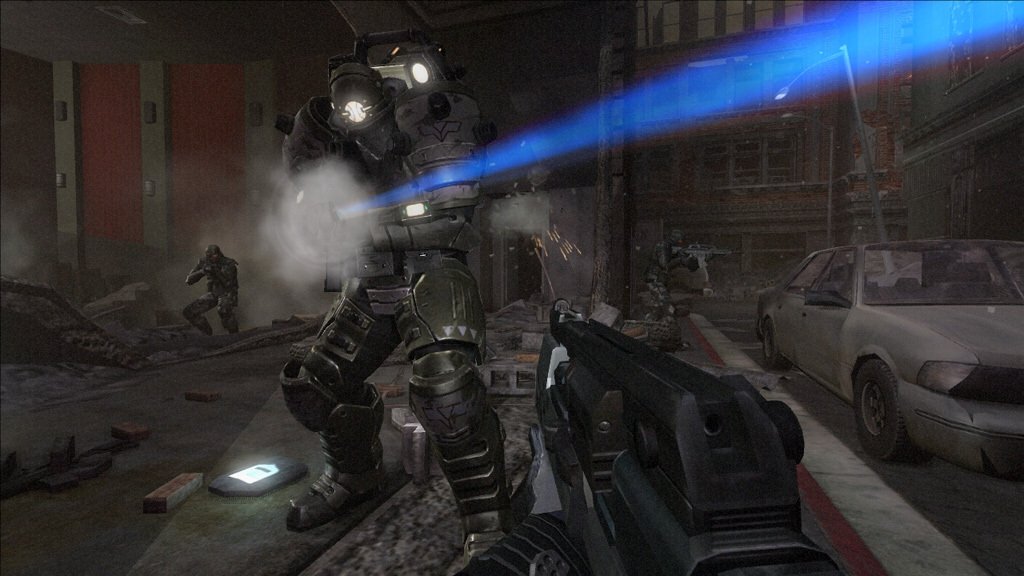
After a brief period of corporate shuffling, Monolith released F.E.A.R. 2: Project Origin in 2009. While it was a solid shooter with great set-pieces, some fans felt it traded the tactical depth of the original for a more cinematic, console-friendly experience. However, it successfully expanded the lore of Alma and featured some truly disturbing sequences, particularly the school level. It was a polished, high-octane ride that proved Monolith could still deliver top-tier visual effects and atmospheric dread.
The Psychological Decline of Condemned 2
In 2008, they released Condemned 2: Bloodshot. This sequel leaned harder into the supernatural and psychological aspects of the story. While the melee combat was refined with a deep combo system, the narrative went in some truly bizarre directions, involving ancient sonic-based cults. Despite its weirdness, it featured one of the most terrifying sequences in gaming history—a chase through a cabin involving a very angry, very large grizzly bear. It was the last time we saw Ethan Thomas, leaving the series on a strange, unfinished note.
Quirky Combat in Gotham City Impostors
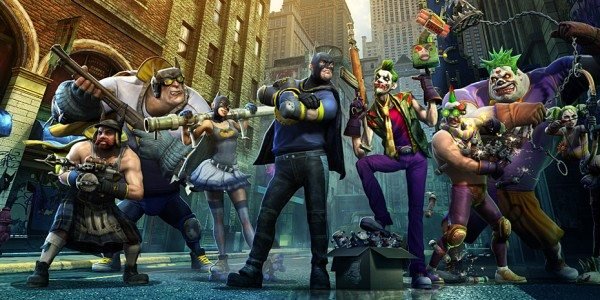
By 2012, Monolith was firmly under the Warner Bros. wing, leading to Gotham City Impostors. This was a colorful, class-based multiplayer shooter where fans of Batman and Joker fought in the streets using DIY gadgets and costumes. It was fast, funny, and entirely unexpected from the studio that made Condemned. Though the servers eventually went quiet, it was a testament to the studio’s ability to take a massive IP like DC Comics and do something completely original and irreverent with it.
The MOBA Experiment: Guardians of Middle-earth
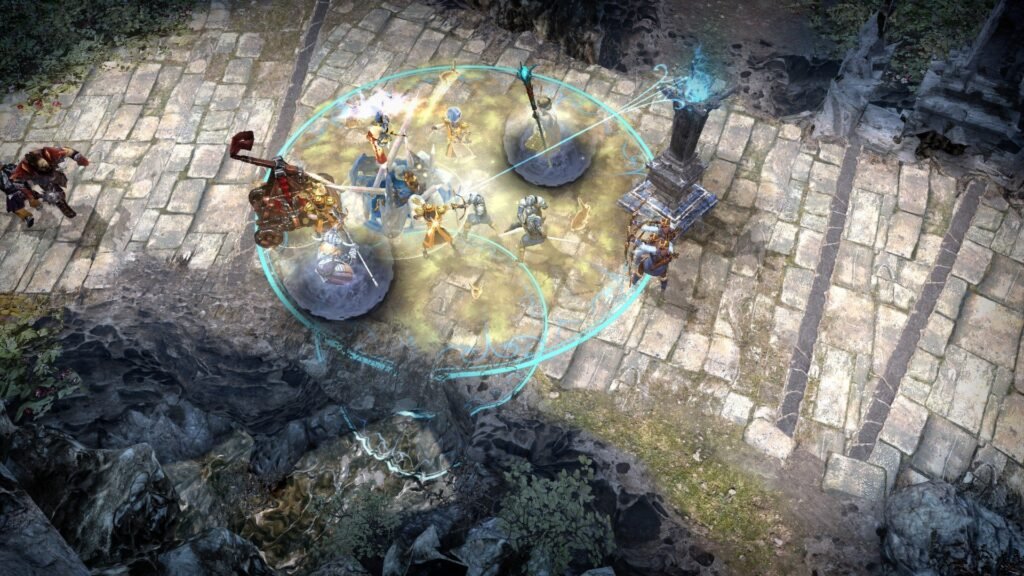
That same year, they dipped their toes into the rising MOBA trend with Guardians of Middle-earth. Designed specifically for consoles, it featured a simplified control scheme and a roster of iconic Lord of the Rings characters. While it was a competent take on the genre, it struggled to find a long-term audience in a market dominated by PC titans. However, it was a crucial step in their relationship with the Middle-earth license, setting the stage for their biggest success yet.
The Revolution of Shadow of Mordor
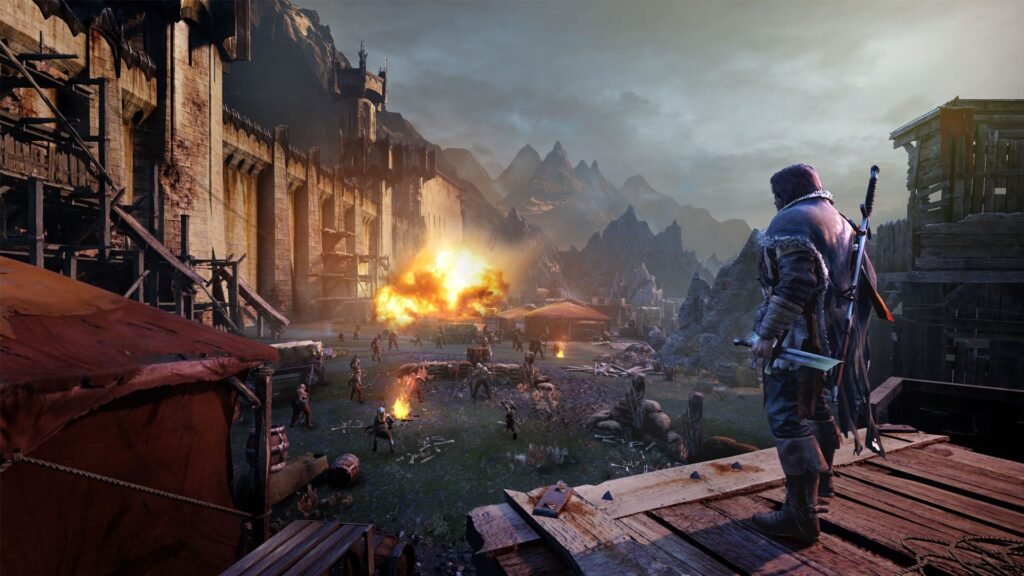
In 2014, Monolith released Middle-earth: Shadow of Mordor, and the industry stood still. The game introduced the Nemesis System, a procedural storytelling engine that allowed enemies to remember their encounters with the player, gain scars, and move up the ranks of the Orc hierarchy. It was a revelation. Suddenly, an anonymous grunt who got lucky and killed you became your personal rival with a name and a grudge. It won numerous Game of the Year awards and proved that Monolith was still the king of innovative gameplay mechanics.
Expanding the Empire in Shadow of War
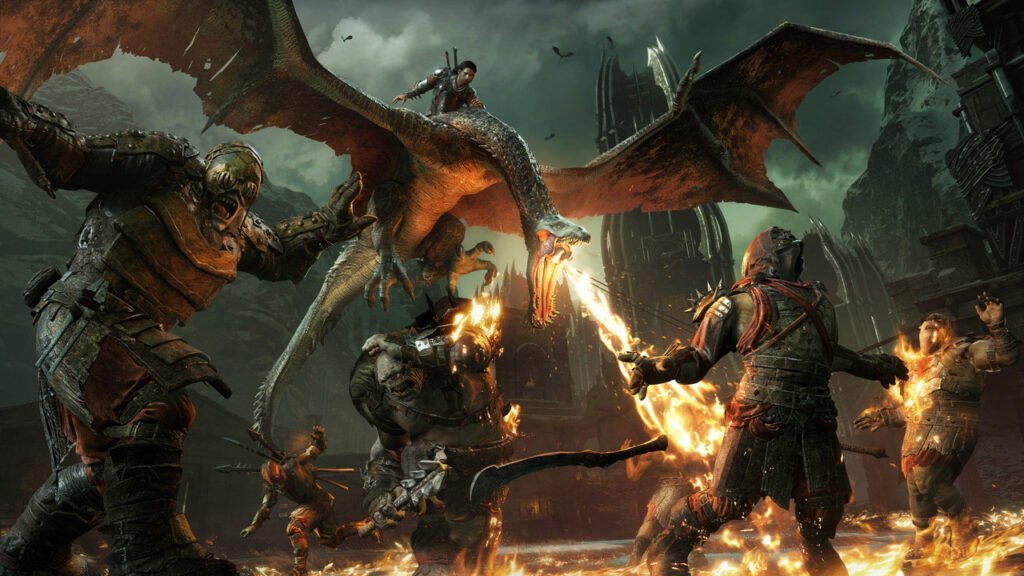
The sequel, Middle-earth: Shadow of War, arrived in 2017. It took the Nemesis System to an absurd scale, allowing players to build their own Orc armies and lay siege to massive fortresses. While it was initially bogged down by a controversial microtransaction system (which the studio later patched out entirely), the core loop of dominating Orcs and creating personal stories was better than ever. It was a massive, ambitious RPG that felt like the culmination of everything Monolith had learned about AI and player agency over the years.
The Sudden End of an Era
After the release of Shadow of War, the studio went quiet for a long time, eventually announcing a Wonder Woman project that fans were dying to see, especially since it was confirmed to use the Nemesis System. However, the industry was shocked in early 2025 when Warner Bros. Discovery announced the shuttering of Monolith Productions. In a move that felt like a punch to the gut for preservationists and fans alike, the studio was closed down as part of a “strategic shift” toward live-service games. The Wonder Woman game was canceled, and the revolutionary Nemesis System—which Warner Bros. had controversially patented—now sits in a corporate vault, potentially never to be used again. It was a tragic end for a studio that had spent thirty years being one of the most creative and technologically daring voices in the medium. Monolith didn’t just make games; they made memories that were as sharp as a bayonet and as haunting as a ghost in the corridor. Their absence leaves a massive, Alma-shaped hole in the heart of the gaming world.