
If you were around in 1999, you probably remember a very different internet. It was a time of screeching 56k modems, AOL chat rooms, and a total lack of hand-holding in video games. While Ultima Online had already broken ground in the Massively Multiplayer Online Role-Playing Game (MMORPG) genre, it was EverQuest that truly defined the blueprint for the modern virtual world. Developed by Verant Interactive and published by Sony Online Entertainment, EverQuest—or “EverCrack” as it was affectionately and somewhat clinically known—wasn’t just a game; it was a second life that demanded your total devotion and occasionally, your sanity.
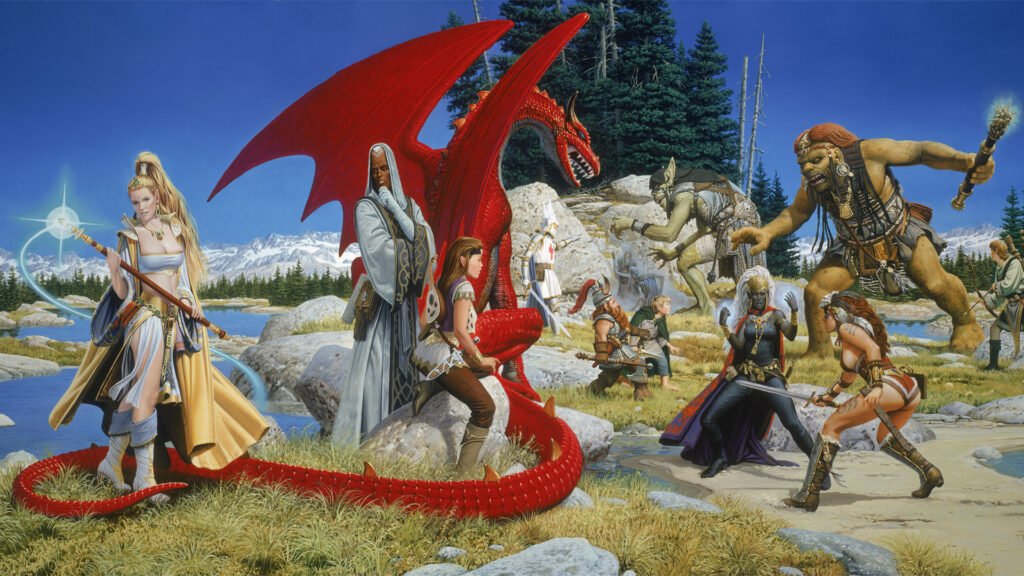
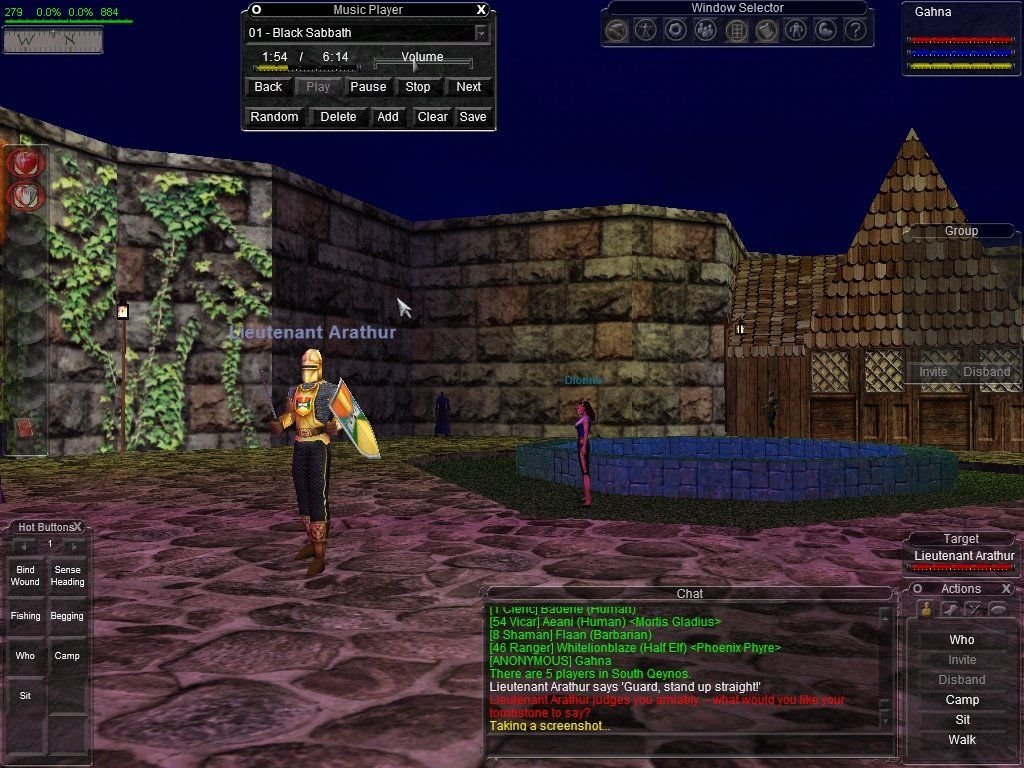
The base game of EverQuest dropped players into the massive, unforgiving world of Norrath. Unlike modern games that guide you with golden trails and exclamation points, EverQuest basically threw you into a dark forest and wished you luck. You started by picking a race—ranging from the standard Humans and Elves to the more exotic Ogurs and Trolls—and a class that defined your role in the legendary Holy Trinity of Groups: the Tank, the Healer, and the Damage Dealer. But what really set the base game apart was the sheer difficulty. Death in Norrath wasn’t just a minor inconvenience; it was a tragedy. When you died, you dropped everything you owned on your corpse. You then had to perform a Corpse Run, naked and vulnerable, through high-level zones just to get your gear back. If you couldn’t find your body? It rotted, and your hard-earned loot vanished forever. This created a level of social interdependence rarely seen today. You needed people. You needed a Cleric for a resurrect to save your lost experience points, and you needed an Enchanter to keep the monsters from eating your face while you recovered.
Crossing the Sea to The Ruins of Kunark
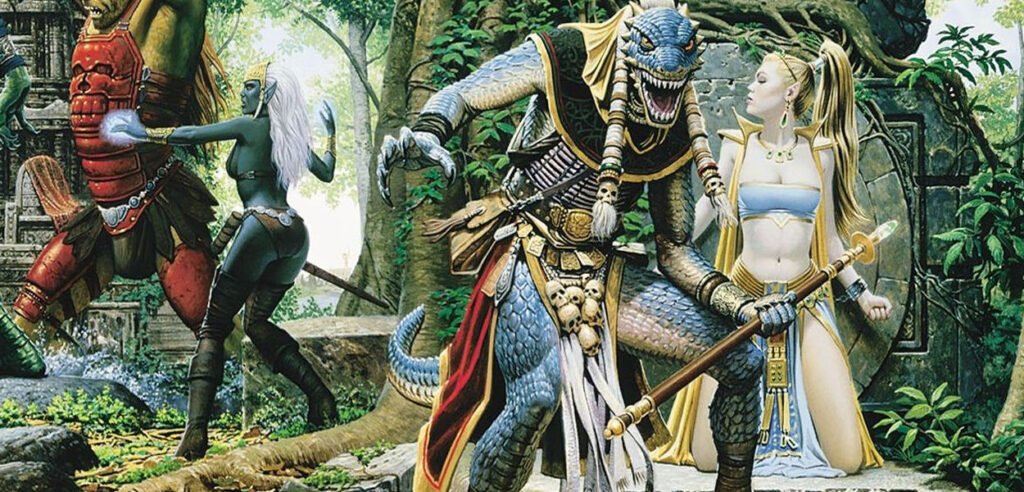
In 2000, the first expansion, The Ruins of Kunark, expanded the horizon significantly. It introduced the Iksar, a race of lizard-people with their own tragic backstory and a starting city, Cabilis, that felt genuinely alien. Kunark raised the level cap to 60, which, in those days, felt like climbing Mount Everest barefoot. This expansion introduced iconic zones like Dreadlands and the brutal Veeshan’s Peak, pushing the narrative of the ancient Shissar and the scaled empire. It was here that the concept of Epic Weapons really took hold—long, arduous quest lines that rewarded players with legendary items that defined their class. Kunark wasn’t just more content; it was a statement that Norrath was going to keep growing, and it was going to get even meaner.
The Cold Front of The Scars of Velious
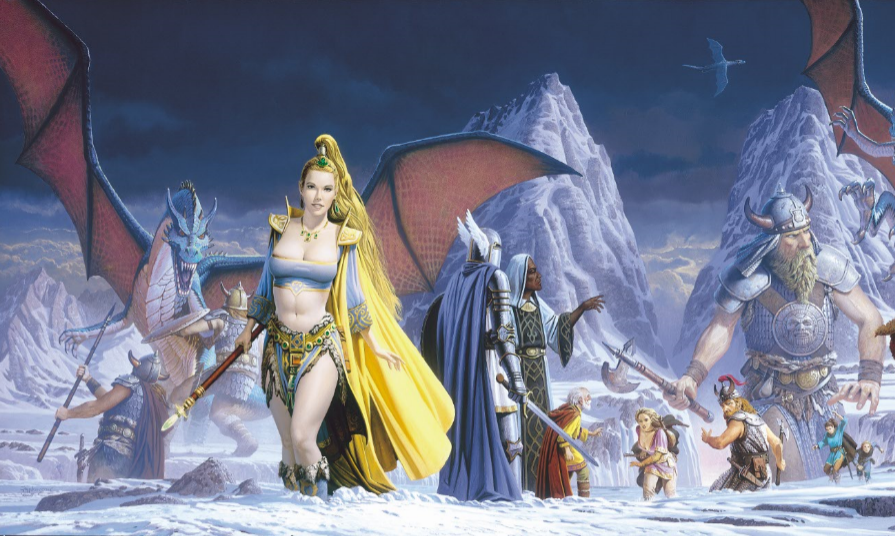
Later that same year, The Scars of Velious took us to the frozen southern continent. Velious was a masterclass in faction-based gameplay. Players had to choose between siding with the Dwarves of Thurgadin, the Giants of Kael Drakkel, or the Dragons of Skyshrine. Your choices mattered; killing giants made the dragons like you, but it meant you couldn’t step foot in the giant city without being stomped into a pancake. Velious also introduced some of the most legendary raid encounters in history, like the Avatar of War. The gear progression here was revolutionary, requiring players to delve into the Temple of Veeshan to kit out their characters in the best armor the game had ever seen. It felt like a true war was happening, and you were just a small part of a much larger, ancient conflict.
To the Moon with The Shadows of Luclin
In 2001, The Shadows of Luclin literally shot us into space. We traveled to Norrath’s moon, which featured a diverse landscape of twilight forests and fungal caverns. This expansion was controversial because it introduced a massive graphical overhaul. The old, charmingly blocky character models were replaced with more detailed versions that, while technically better, lost some of the original soul for many purists. More importantly, Luclin introduced the Alternative Advancement (AA) system. Once you hit the level cap, you could continue to earn experience to buy specific perks and abilities. This gave the game nearly infinite longevity. We also got the Vah Shir, a race of noble cat-people, and the Beastlord class, adding a pet-focused hybrid to the mix. The moon was weird, it was laggy, and it was where the “Bazaar” started, forever changing how players traded items.
The Divinity of The Planes of Power
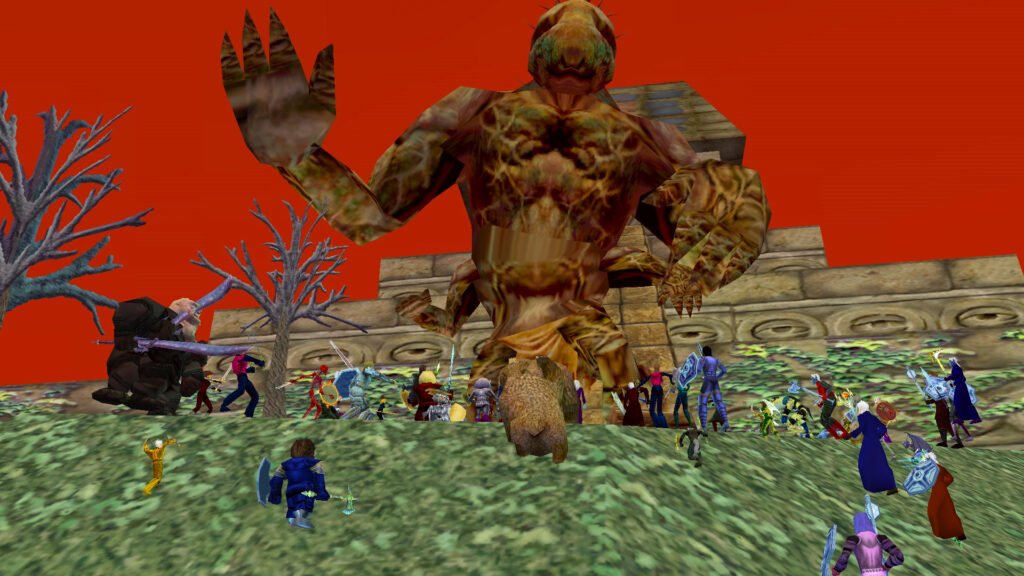
Many veterans consider The Planes of Power (2002) to be the peak of the “classic” era, while others see it as the beginning of the end. It introduced the Plane of Knowledge, a central hub with portals to almost every corner of the world. While this made getting around much easier, it killed the sense of a “vast world” because you no longer had to spend an hour traveling across continents. However, the raid progression was incredible. You fought your way through the planes of lesser gods to eventually challenge Quarm in the Plane of Time. It was a structured, tiered progression system that became the gold standard for how MMO end-games were designed. If you saw someone standing in the Plane of Knowledge with Elemental Armor, you knew they were a god among mortals.
Experiments in The Legacy of Ykesha and Lost Dungeons of Norrath
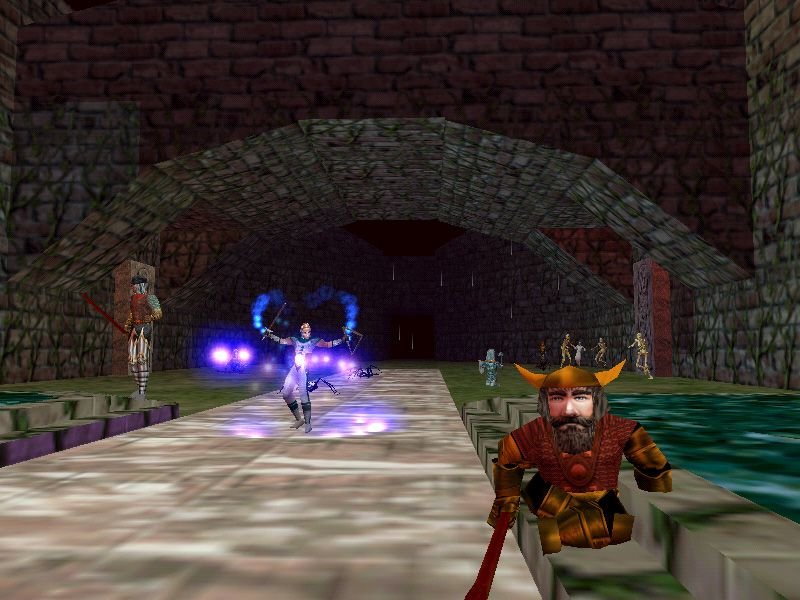
As the game matured, the developers began experimenting with smaller “extension” style expansions. The Legacy of Ykesha introduced the Frogloks as a playable race and added the Dye system for armor, allowing for some much-needed fashion in Norrath. Shortly after, Lost Dungeons of Norrath (LDoN) changed the game forever by introducing instanced content. Before LDoN, if you wanted to kill a boss, you had to hope no one else was already there. With instances, your group got its own private dungeon. While this solved the problem of “mob stealing,” it also started to pull players out of the open world, making the game feel a bit more like a series of private rooms rather than a living, breathing ecosystem.
The Brutal Walls of Gates of Discord and Omens of War
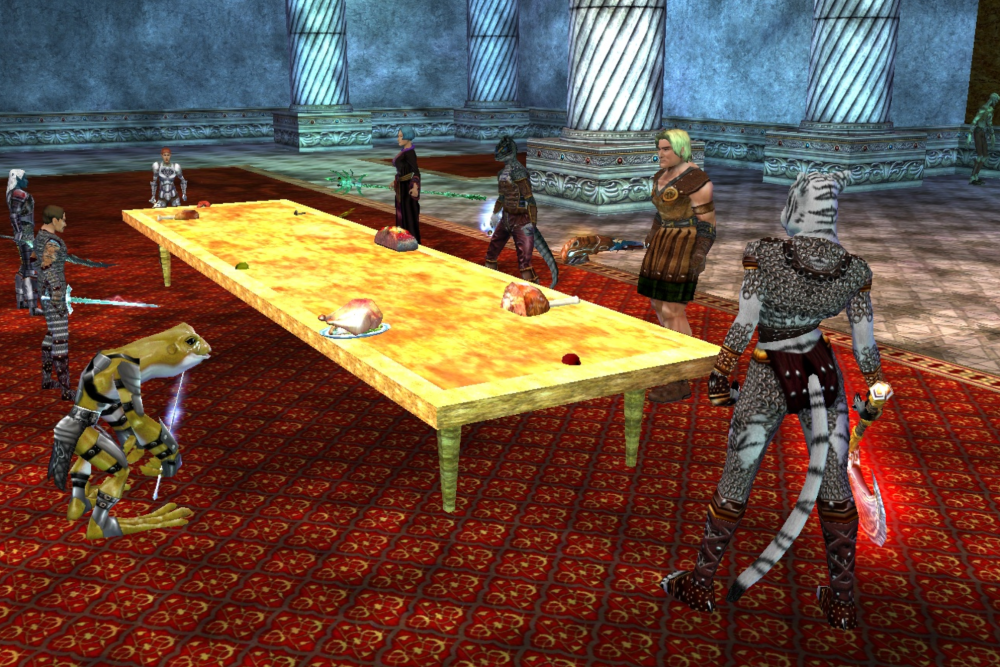
By 2004, the difficulty curve hit a vertical wall with Gates of Discord. This expansion is infamous for being “broken” at launch—it was so difficult that even the top-tier raiding guilds couldn’t make progress. It introduced the Berserker class, but the sheer frustration of the encounters led to a massive burnout among the player base. Omens of War attempted to fix this by raising the level cap to 70 and introducing the Epic 2.0 weapons. It brought us to the realm of Discord, a dark and jagged place that felt appropriately apocalyptic. While these expansions offered great content for the elite, they began to highlight the growing gap between the “hardcore” and the “casual,” a struggle that would eventually define the next generation of the genre.
A Legacy That Never Truly Ends
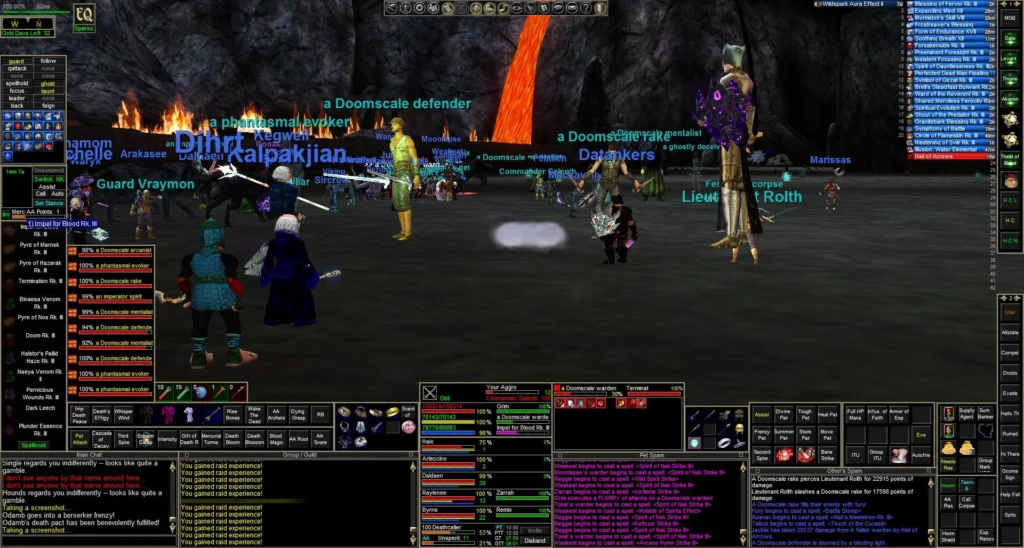
EverQuest didn’t stop there. It went on to release over 30 expansions, introducing mercenaries, level caps exceeding 120, and systems that modernized the aging engine. But its true impact isn’t found in its patch notes; it’s found in every MMO that followed. When World of Warcraft launched in 2004, it was essentially “EverQuest with the sharp edges sanded off.” Many of the lead designers at Blizzard were former top-tier EverQuest players and guild leaders. They took the “Holy Trinity,” the raiding structures, and the class fantasies of Norrath and made them more accessible to the general public.
In EverQuest, you had to wait hours for a boat; in WoW, the boat came every few minutes. In EverQuest, you lost XP when you died; in WoW, you just had a short run back to your body. EverQuest provided the DNA for the modern MMO—the thrill of the loot drop, the camaraderie of a 40-person raid, and the sense of belonging to a virtual community. It was a game that didn’t care about your feelings, and because of that, every victory felt earned. Even today, the “Time-Locked Progression” servers for EverQuest are packed with players chasing that old feeling of danger and discovery. Norrath might be old, but its heart still beats in every quest log and talent tree across the gaming world.