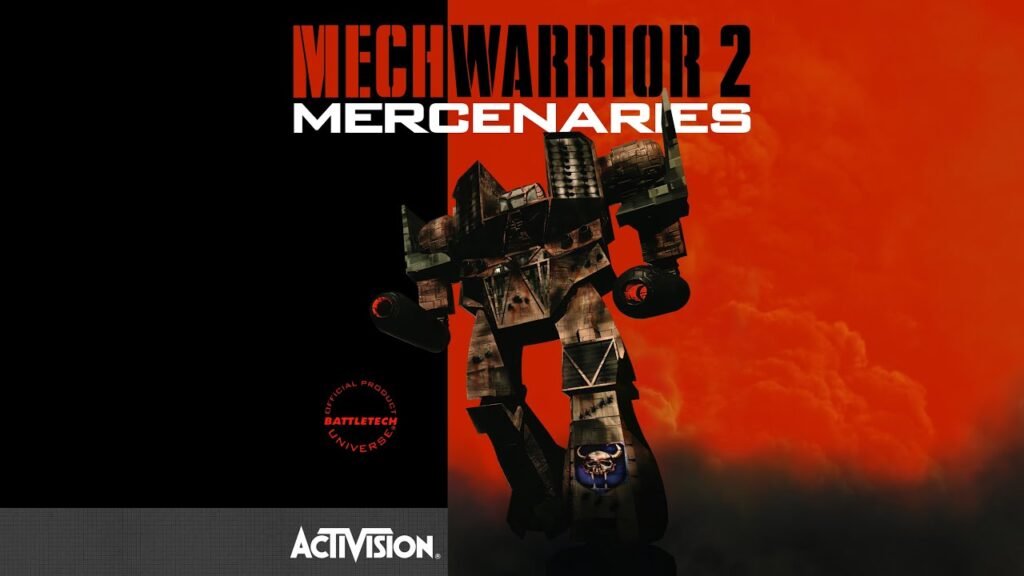

Release Date: September 25, 1996 (MS-DOS and Windows 95) Developer: Activision
Back in 1996, the world was a very different place. We were rocking dial-up internet, wearing way too much flannel, and witnessing the absolute pinnacle of vehicle simulation. While everyone else was busy arguing over whether the Nintendo 64 or the PlayStation was the future, a dedicated group of pilots was staring at a DOS prompt, waiting for Activision to change their lives forever. That change arrived in the form of MechWarrior 2: Mercenaries, a standalone expansion that didn’t just add a few new levels but completely redefined what it felt like to live in the BattleTech universe. If the original MechWarrior 2 was a clinical, cold look at the ritualistic warfare of the Clans, then Mercenaries was the gritty, grease-stained reality of the Inner Sphere. It was a game where your survival depended less on your honor and more on the size of your bank account.
Looking for Work in All the Wrong Places
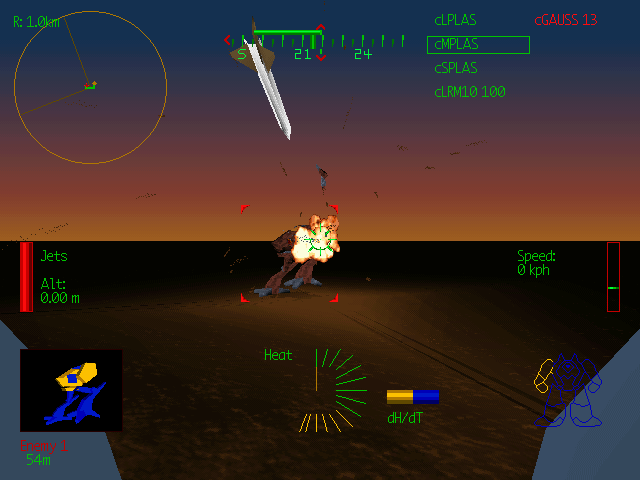
The shift in perspective was jarring in the best way possible. Instead of being a genetically engineered warrior born in a tube, you were just some pilot named Sgt. Silas Halt trying to make a living. You started with a beat-up Commando or a Jenner and a dream of not going bankrupt. This wasn’t about the “Refusal War” or high-minded ideals; this was about the C-Bills. The game introduced a management layer that felt revolutionary at the time. You had to pay for your own salvage, hire your own aerospace support, and most importantly, pay for your own repairs. If you came back from a mission with your Atlas missing an arm, you didn’t just get a new one from the Quartermaster. You had to look at the bill and decide if you’d rather replace that Autocannon/20 or keep the lights on in the dropship for another month. It added a layer of tactical anxiety to every encounter. Suddenly, every hit you took wasn’t just a threat to your health bar; it was a threat to your retirement fund.
The Sound of 31st Century Industrial Chaos
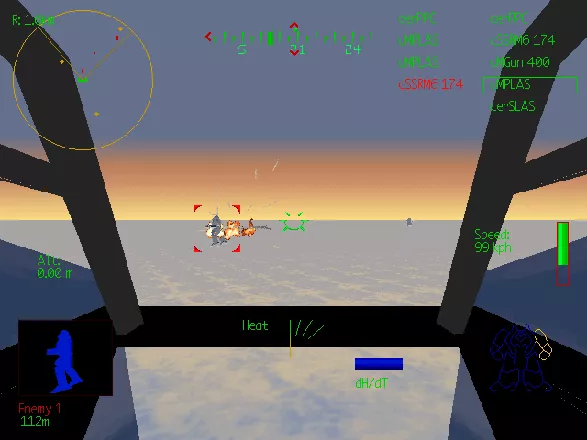
We really need to talk about the music, because Jeehun Hwang is a legend who deserves every bit of praise he gets. While the first game had that sweeping, orchestral, almost religious vibe, the Mercenaries soundtrack went full industrial. It was all heavy percussion, metallic clanging, and synth-heavy grooves that made you feel like you were piloting a multi-ton walking tank through a scrap yard. The audio design didn’t stop at the music, either. The radio chatter was phenomenal for the mid-90s. Hearing your employer complain about the cost of the operation or listening to your Leopard-class dropship pilot, Betty, give you the “all clear” for extraction created an atmosphere that modern games still struggle to replicate. It made the galaxy feel lived-in and surprisingly hostile. You weren’t a hero, but a contractor, and your employer was probably going to screw you over if the opportunity arose.
Welcome to the Clan Invasion
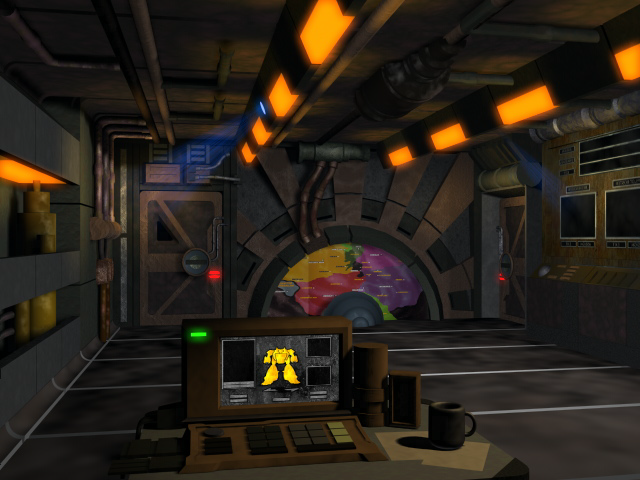
The narrative arc of MechWarrior 2: Mercenaries is one of the greatest “slow burns” in gaming history. For the first half of the campaign, you’re dealing with the petty squabbles of the Succession Houses. You’re fighting pirates, defending convoys, and taking part in the War of 3039. You feel like a big fish in a small pond until the year 3050 hits. The moment the Clan Invasion begins is one of the most terrifying transitions in the franchise. You go from being the king of the battlefield to being absolute fodder for the Timber Wolf and Mad Dog mechs of the invading Clans. Watching your Inner Sphere tech get absolutely shredded by Clan Large Pulse Lasers was a humbling experience. It turned the game into a survival horror title for a few missions. The legendary Battle of Tukayyid serves as a massive climax, and seeing the scale of that conflict through the eyes of a mercenary who is just trying to survive the chaos is something that still gives fans goosebumps thirty years later.
Customization and the MechLab Obsession
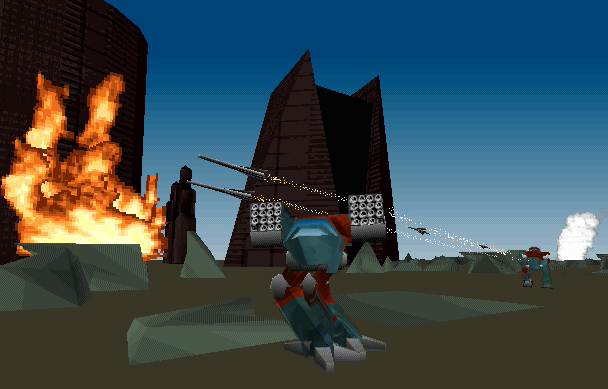
Half the fun of this game happened before you even touched the joystick. The MechLab was where the real magic happened. Since you were a mercenary, you weren’t restricted by the “standard” loadouts of the Great Houses. If you wanted to strip the armor off a Hunchback to fit an extra SRM-6 rack, you could do it, though you’d probably regret it the second a PPC hit your center torso. The flexibility of the engine and heat sink management meant that you were constantly tinkering. You’d spend hours trying to find that perfect balance between firepower and heat dissipation. The game rewarded that tinkering, too. A well-built Orion could take down mechs twice its size if you knew how to lead your shots and manage your weapon groups. It was a thinking man’s shooter, and even in 2026, the depth of that customization holds up remarkably well against modern titles.
The Legacy of the Titanium Edition and Beyond
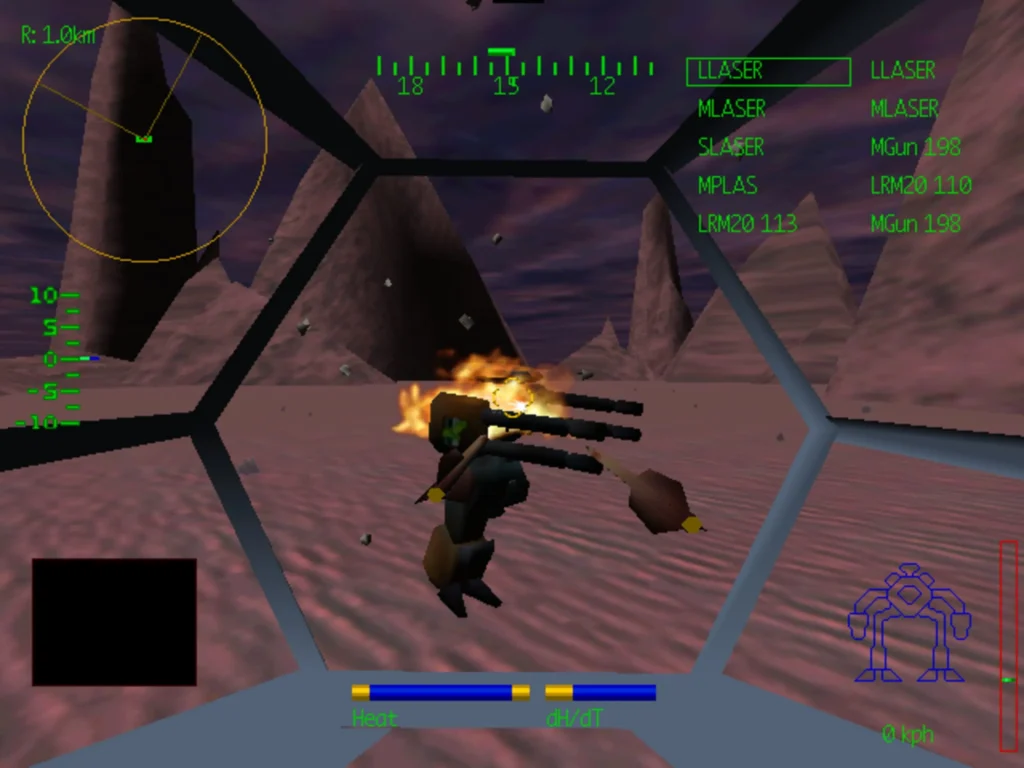
While the original DOS version is what most of us remember, the Titanium Edition eventually brought 3D hardware acceleration to the party, making those flat polygons look a little sharper on our burgeoning Windows 95 rigs. But even without the fancy textures, the core gameplay was addictive. It laid the groundwork for everything that followed, from MechWarrior 3 all the way to the modern MechWarrior 5: Mercenaries. However, there’s a specific “soul” in the 1996 classic that is hard to find elsewhere. Maybe it’s the way the cockpit rattled when you walked, or the specific way a building collapsed when you stepped on it. There was a physical weight to the mechs that felt intentional. In an era where many games were trying to be fast-paced like Quake, Mercenaries asked you to slow down, aim your LRMs, and respect the physics of a hundred-ton machine.
Why We Still Return to the Cockpit
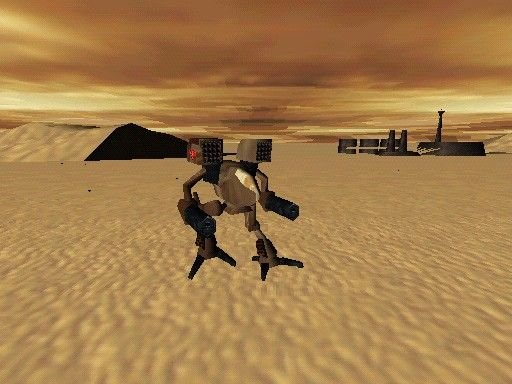
So, why are we still talking about a game that’s old enough to have its own mortgage? It’s because MechWarrior 2: Mercenaries captures the “Mercenary Fantasy” better than almost any other game in history. It isn’t just about the combat; it’s about the struggle. It’s about that feeling of relief when you finish a mission with 1% health left and realize you actually made a profit after repairs. It’s about the sheer awe of seeing a Commando try to punch an Awesome. It’s about a community that refuses to let the game die, creating fan patches and MechVM wrappers so we can still run this masterpiece on modern hardware. Even in 2026, there is something deeply satisfying about hearing that computer voice say, “Reactor: Online. Sensors: Online. Weapons: Online. All systems nominal.” It’s a reminder of a time when games were bold, difficult, and unapologetically complex. If you haven’t sat in that cockpit in a while, it might be time to check the job boards again. The Inner Sphere always needs more pilots, and the C-Bills are waiting.