
It is hard to believe we have been wandering through the shattered remnants of Norrath for over two decades now. When EverQuest II launched in November 2004, it was the heavyweight champion of the MMO world, arriving with a level of graphical fidelity that made most of our 2004-era PCs scream for mercy. It was the sophisticated, complex sibling to the original EverQuest, promising a world where your choices mattered and the lore was as deep as the Subterranean Lake. While a certain other “World” launched just weeks later and hogged much of the mainstream spotlight, EQ2 carved out a legacy of unparalleled depth, insane customization, and a community that is as loyal as a well-trained pet drake. It was a game built on the idea that more is more, and looking back, it remains a fascinating masterclass in how to build a world that feels truly lived-in.
The World of a Thousand Choices
Before we dive into the mountain of expansions, let’s talk about what made EverQuest II a distinct beast. This was a game that gave you player housing that actually worked, allowing you to decorate every nook and cranny of a massive estate. It offered a crafting system that was practically a game in itself, requiring focus and reaction rather than just clicking a “combine” button and walking away. The class system was initially a branching tree—starting as a generic archetype and slowly specializing into something unique like a Dirge, a Necromancer, or a Swashbuckler. It felt prestigious to earn your title. The world was divided between the shining spires of Qeynos and the brutalist architecture of Freeport, a binary choice that defined your early social life. It was a game of heroic opportunities, complex spell tiers, and a sheer volume of content that could make a completionist weep with joy.
Desert of Flames
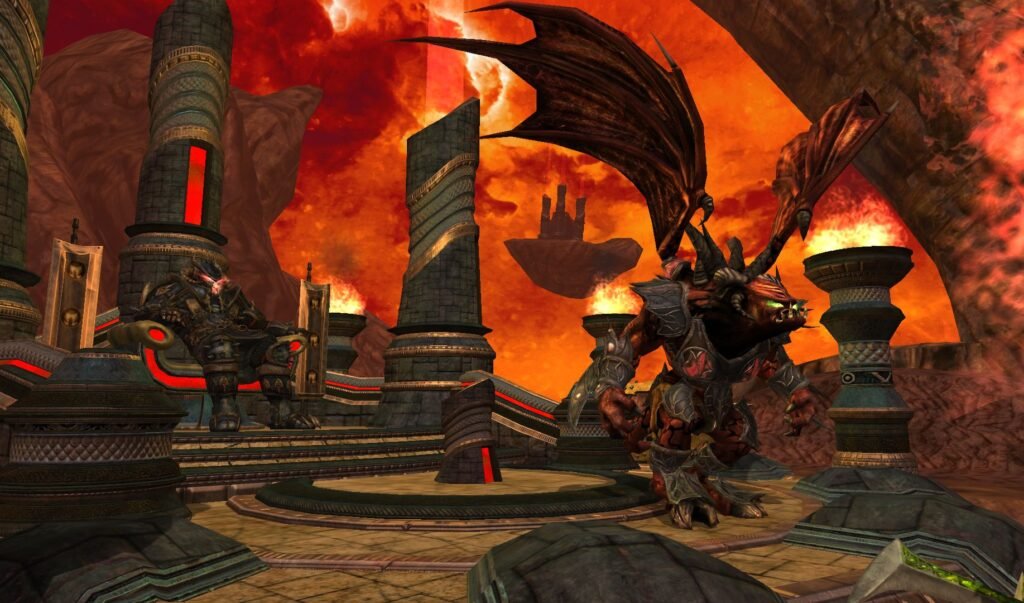
The first expansion took us to the scorching sands of Ro and the majestic city of Maj’Dul. This was a pivotal moment because it introduced climbing walls, a mechanic that added a much-needed sense of verticality to the world. We weren’t just running through zones anymore; we were scaling cliffs to reach hidden camps. The tension between the various factions in the city was palpable, and the Sinking Sands became a rite of passage for adventurers looking to prove their mettle against the heat and the hidden dangers of the dunes.
Kingdom of Sky
Then, we looked upward. Kingdom of Sky was a breathtaking departure, literally lifting us into the clouds to explore the Overrealm. These floating islands were beautiful and dangerous, connected by a network of teleporters and avian mounts. This expansion was most notable for introducing the Alternate Advancement (AA) system. This was the secret sauce that allowed players to truly customize their characters beyond just hitting the level cap. You could finally tweak your abilities to fit your playstyle, whether you wanted to be a more durable tank or a glass-cannon healer.
Echoes of Faydwer
For the old-school fans, Echoes of Faydwer felt like coming home. It brought back the legendary continent of Faydwer, featuring the treetop city of Kelethin and the clockwork marvels of Ak’anon. This expansion introduced the Fae as a playable race, and their ability to glide made exploration feel fresh again. It was a massive nostalgia hit that blended the lore of the original game with the updated mechanics of the sequel, and for many, it remains the gold standard for what an EQ2 expansion should be.
Rise of Kunark
If Faydwer was a trip down memory lane, Rise of Kunark was an epic odyssey. We returned to the land of the Sarnak and the ancient ruins of the Iksar empire. The scale of the zones here was massive, and the level cap jumped to 80. This era was defined by the hunt for Epic Weapons, which were grueling quests that rewarded players with some of the most iconic gear in the game’s history. It felt like every corner of Kunark held a secret, and the lore surrounding Venril Sathir was as compelling as ever.
The Shadow Odyssey
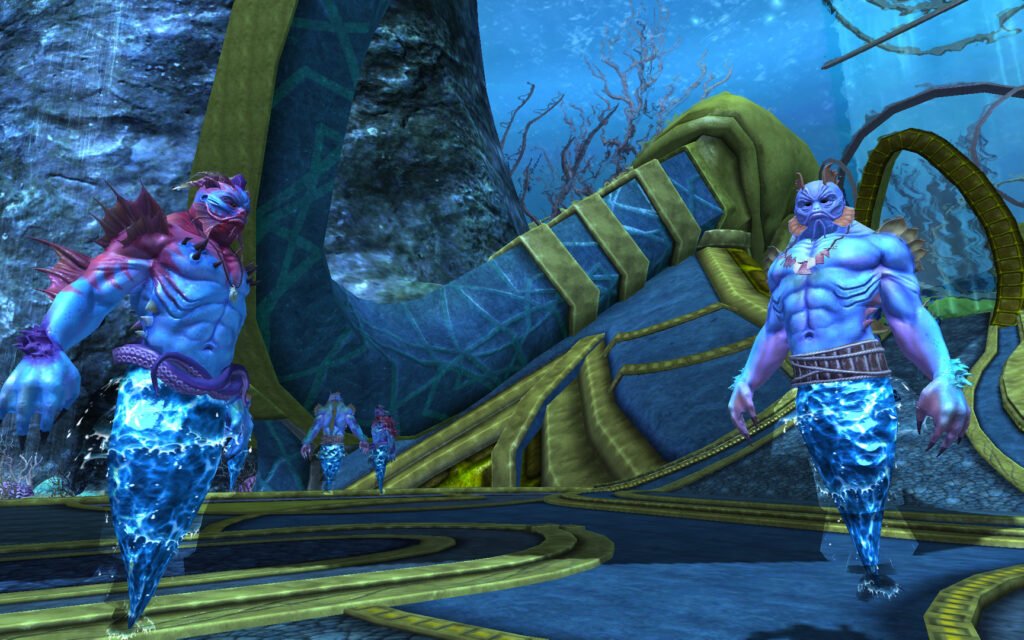
The Shadow Odyssey was a bit of a victory lap, taking us through a series of updated classic dungeons and introducing the Void storyline. It felt like a massive dungeon crawl, emphasizing group play and challenging encounters. We spent a lot of time in the Shard of Love and battling back the shadows that threatened to consume the world. It was a content-heavy expansion that rewarded the most dedicated raiders while giving casual players plenty of “nostalgia tours” to enjoy.
Sentinel’s Fate
With Sentinel’s Fate, we ventured to the continent of Odus. This expansion was heavily focused on the Erudites and their magical mishaps. The environments were stark and surreal, featuring the massive hole in the world and the city of Paineel. It pushed the level cap to 90 and introduced a wealth of new gear and AA trees. It was a time of high magic and even higher stakes, as we dealt with the consequences of ancient magical wars that had torn the fabric of reality.
Destiny of Velious
Destiny of Velious finally brought us back to the frozen wastes. The return of Kael Drakkel and the Tower of Frozen Shadow was a massive event. But the real game-changer here was the introduction of flying mounts. Suddenly, the world felt smaller but more accessible. Being able to take to the skies on a griffon or a dragon changed the way we interacted with the landscape entirely. It was a bittersweet era for some who missed the grounded exploration, but for most, it was a soaring success.
Age of Discovery
This was an unusual one, as Age of Discovery didn’t focus on a single new landmass but rather on new ways to play. It brought back the Beastlord class, which had been a fan favorite for years. It also introduced mercenaries, allowing solo players to hire AI companions to tackle difficult content. The Dungeon Maker was another ambitious feature, giving players the tools to design their own gauntlets. It was an expansion focused on the “how” rather than the “where.”
Chains of Eternity
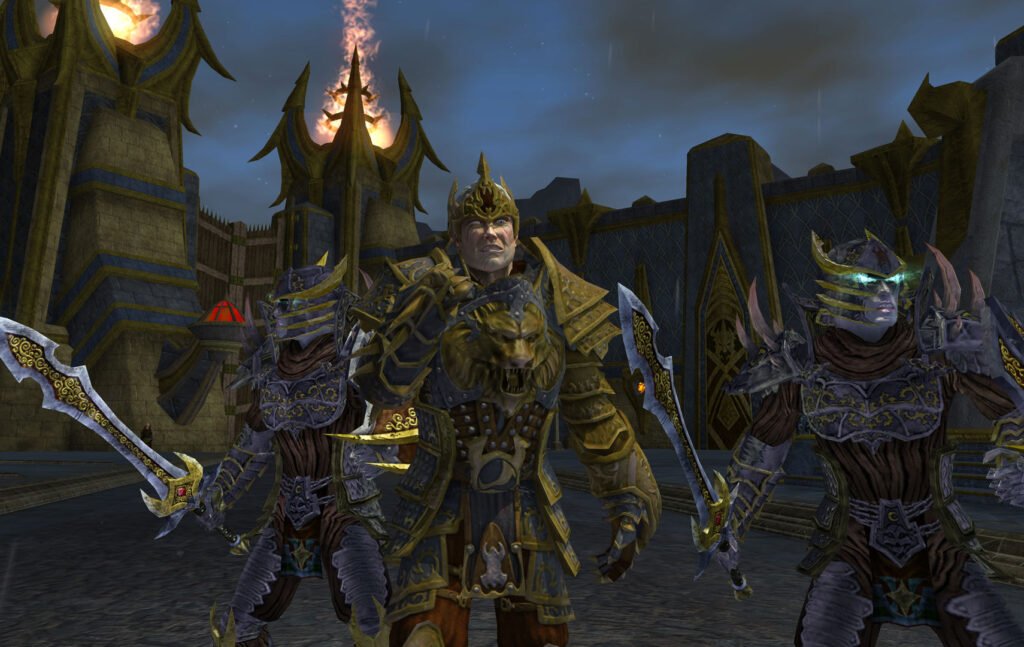
In Chains of Eternity, we literally went to the afterlife. Exploring the realm of Ethernere was a haunting experience, filled with spirits and the echoes of past heroes. It was a shorter, more focused expansion that dealt with the literal soul of Norrath. The two new overland zones were visually striking, and the storyline was one of the most personal and emotional the developers had ever crafted.
Tears of Veeshan
The dragons took center stage in Tears of Veeshan. We traveled to the Eternal Broodlands, a realm for the spirits of the great drakes. This expansion was a treat for lore hunters, diving deep into the history of the Claws of Veeshan. It also introduced the Channeler class, a unique healer-pet hybrid that required a completely different mindset to play effectively. It felt grand, mythic, and appropriately scaled for the level 100 milestone.
Altar of Malice
The journey to the Shattered Seas in Altar of Malice was a return to high-seas adventure. We dealt with dinosaur-riding pygmies and the sinister Aechemon. The level cap was boosted to 100 for all types of gameplay, and the scale of the islands was impressive. It felt like a classic EQ2 adventure—full of strange creatures, hidden caves, and a lot of sailing.
Terrors of Thalumbra
Going deep underground, Terrors of Thalumbra introduced us to a massive subterranean world. It was dark, bioluminescent, and incredibly atmospheric. This expansion focused heavily on the Underfoot lore and gave us the Deity system revamp. The sense of being miles below the surface was palpable, and the new threats felt alien and genuinely imposing.
Kunark Ascending
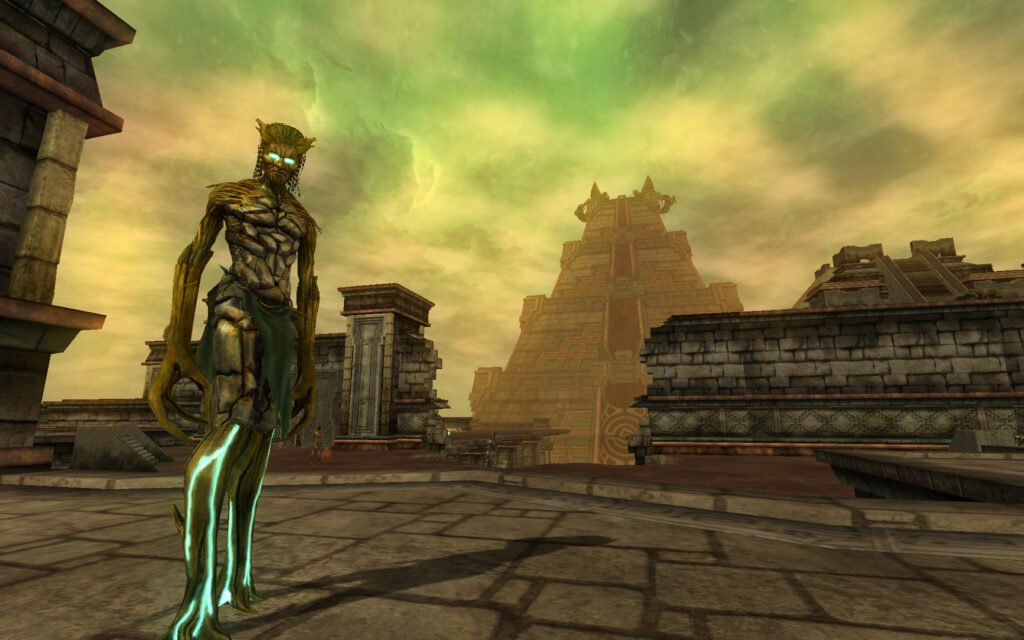
We went back to Kunark once more, but this time it was different. Kunark Ascending introduced Ascension classes, which added an entirely new layer of power-leveling and ability progression. While some found the grind for Ascension levels to be a bit much, it undeniably gave long-term players a massive new goal to chase. It was a deep dive into the darker corners of the Iksar history that we hadn’t seen before.
Planes of Prophecy
Returning to the Planes of Power was a dream come true for many. Planes of Prophecy saw us facing off against the gods themselves. The visuals were spectacular, ranging from the clockwork perfection of the Plane of Innovation to the chaotic beauty of the Plane of Magic. It felt like a cosmic culmination of everything we had achieved as adventurers, standing toe-to-toe with deities.
Chaos Descending
Following the divine chaos, Chaos Descending took us further into the elemental planes. It was a more traditional expansion in terms of structure but offered some of the most beautiful zone designs in the game’s later years. We were busy putting out literal and metaphorical fires across the Planes of Air, Earth, Fire, and Water. It was a solid, meat-and-potatoes expansion for the hardcore fan base.
Blood of Luclin
We finally went to the Moon. After staring at the shattered remains of Luclin in the sky for fifteen years, Blood of Luclin allowed us to step foot on its surface. The low-gravity feel and the alien landscapes were fantastic. It introduced the Overseer system, a mini-game that allowed you to send agents on quests while you were busy adventuring. It was a huge milestone for the game’s overarching narrative.
Reign of Shadows
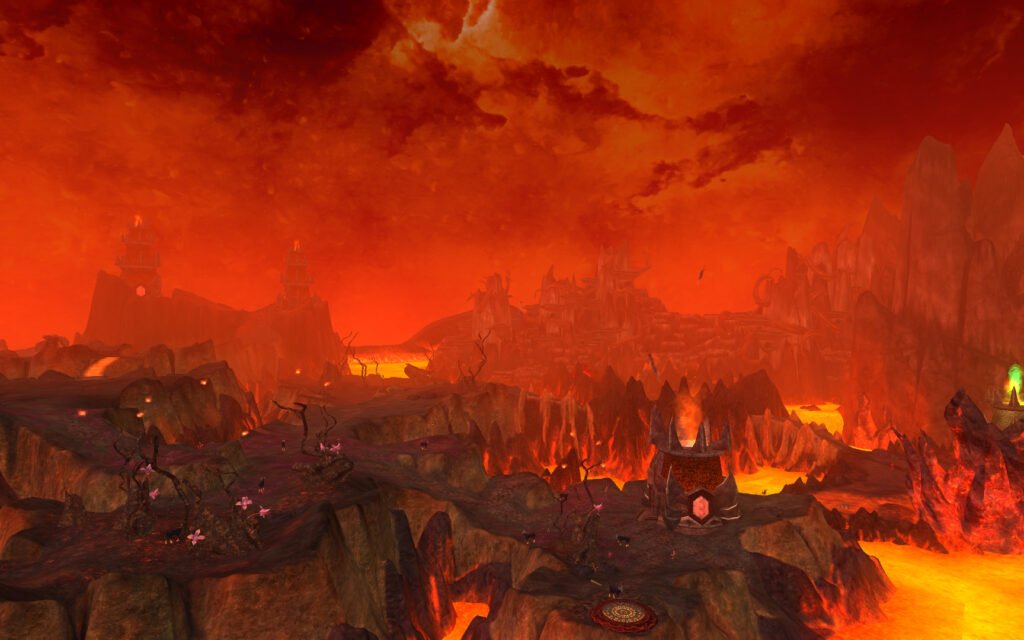
Staying on Luclin, Reign of Shadows took us to the dark side of the moon. This expansion brought the Vah Shir (the cat-people) back into the fold as a playable race. The architecture and the vibe were heavily inspired by the original Luclin expansion from EQ1, making it a wonderful fusion of old and new. It was a moody, shadow-drenched journey that expanded on the lunar lore significantly.
Visions of Vetrovia
Stepping away from the moon, Visions of Vetrovia took us to a mysterious, jungle-filled archipelago. It felt like a classic exploration story, filled with witch-doctors, ancient curses, and dense foliage. The Svarni Expanse was a standout zone, and the expansion felt like a breath of fresh air after several years of lunar and planar travel.
Renewal of Ro
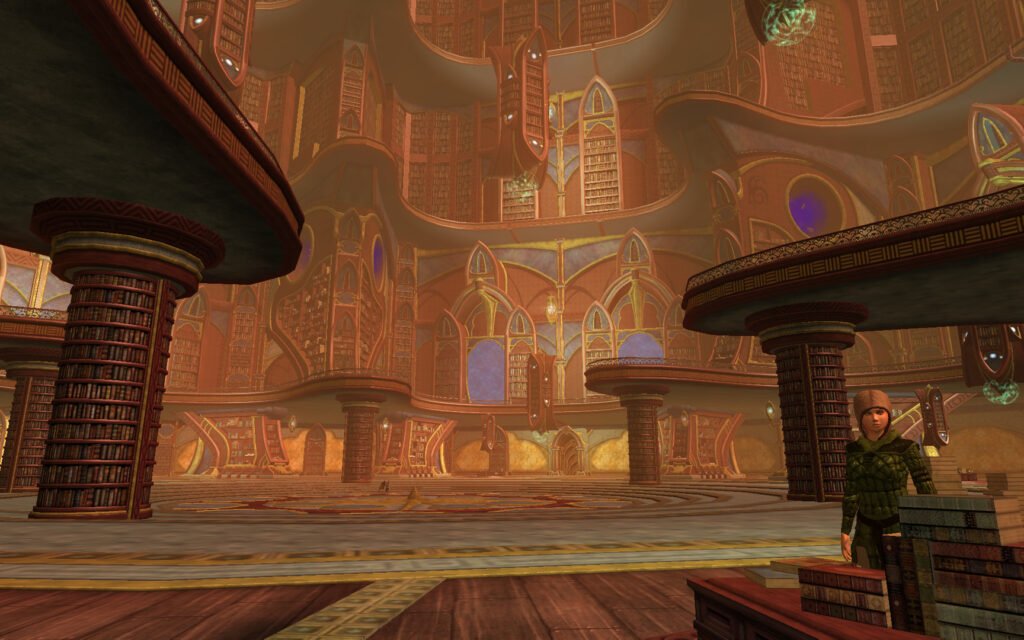
In Renewal of Ro, we returned to where it all began: the Desert of Ro. But this wasn’t the same desert we remembered. The story dealt with the revitalization of the land and the conflicts that came with it. It was a nice way to circle back to the game’s roots while introducing new mechanics and keeping the power creep in check.
Ballads of Zimara and Beyond
As we hit the 20th anniversary and moved into the modern era with Ballads of Zimara and the more recent updates like Empire of Antiquity, EverQuest II has settled into a comfortable but impressive rhythm. These expansions have focused on the Celestial realms and the deep history of Norrath’s founding. Even in 2026, the developers continue to find ways to expand the world, proving that you can’t keep a good MMO down. Whether we are exploring the Aether or returning to refurbished versions of our favorite haunts, the game remains a testament to the power of complex, community-driven world-building.