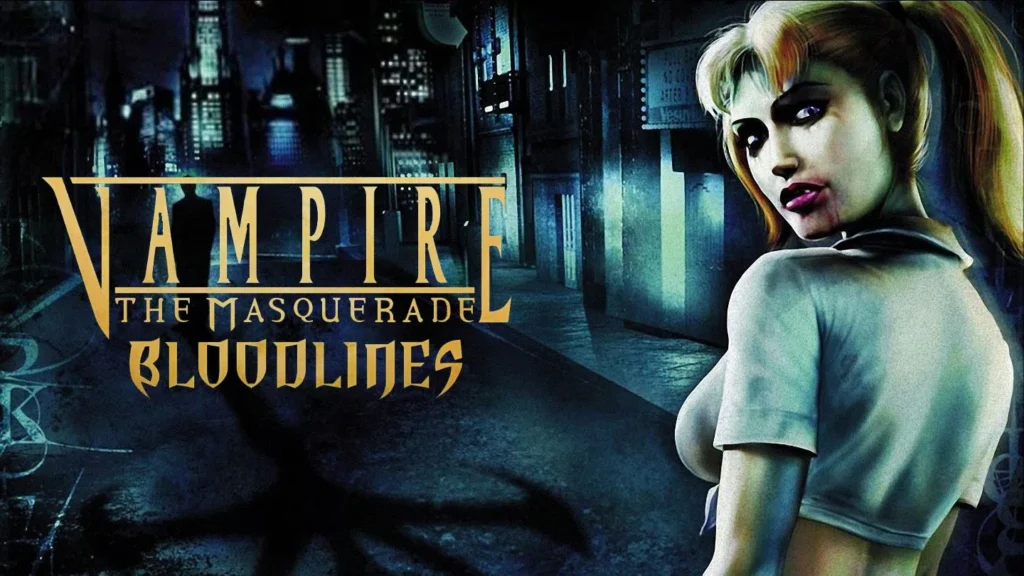

Release Date: November 16, 2004 Developer: Troika Games
Get It On: GOG
If you were around in 2004, you might remember it as the year of absolute giants. We’re talking about the launch of Half-Life 2, Halo 2, and World of Warcraft. It was a crowded room, and unfortunately, Vampire: The Masquerade – Bloodlines didn’t just walk into that room; it tripped over the rug, spilled its drink, and accidentally set the curtains on fire. Developed by the legendary but short-lived Troika Games, this title was released in a state that most modern gamers would describe as “unplayable.” It was buggy, it was broken, and it famously released on the exact same day as Half-Life 2—using the very same Source engine, no less. It was a commercial flop that basically sank Troika, but somehow, like the very creatures it portrays, it refused to stay dead. Over two decades later, it isn’t just a cult classic; it’s widely considered one of the greatest role-playing games ever made. If you haven’t played it, you’re missing out on a piece of digital soul that you just don’t see in the polished, sterilized AAA landscape of today.
A Character Creator That Actually Matters
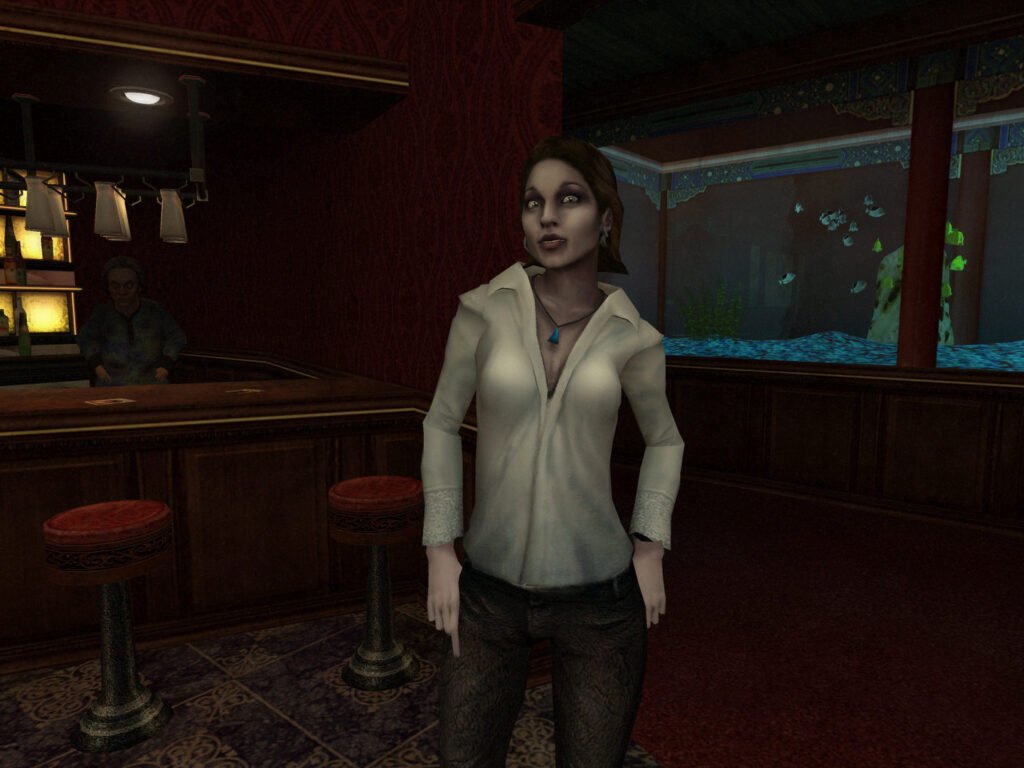
Most RPGs give you a choice of classes that basically boil down to “do I want to hit things with a sword or a fireball?” Bloodlines laughs at that simplicity. When you choose your Clan, you aren’t just picking a stat block; you are picking how the world perceives you and how you perceive the world. If you choose the Brujah, you’re a rebel with a temper. If you choose the Tremere, you’re a blood-wizard dealing with the occult. But the real magic happens with the outlier clans. Playing as a Malkavian completely rewrites the game’s script. Your character is “insane,” which in this universe means you hear voices that spoil the plot and your dialogue options are cryptic, hilarious metaphors. Also, you can and will talk to inanimate objects, like your TV, the kitchen sink, etc. And they will answer you! Alternatively, if you pick the Nosferatu, you are so hideous that you cannot walk on the street without breaking the Masquerade—the law that keeps vampires secret from humans. You spend the entire game crawling through sewers and hiding in shadows. This level of narrative reactivity is something modern developers still struggle to replicate. It makes the game feel personal, reactive, and deeply replayable.
Welcome to the World of Darkness
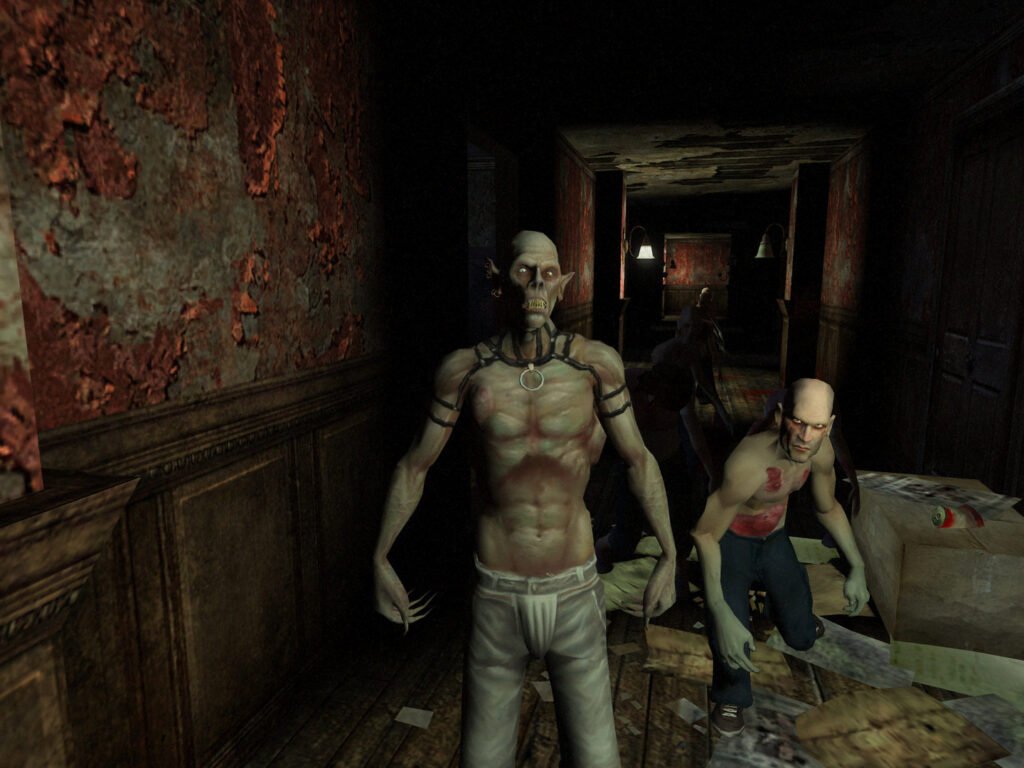
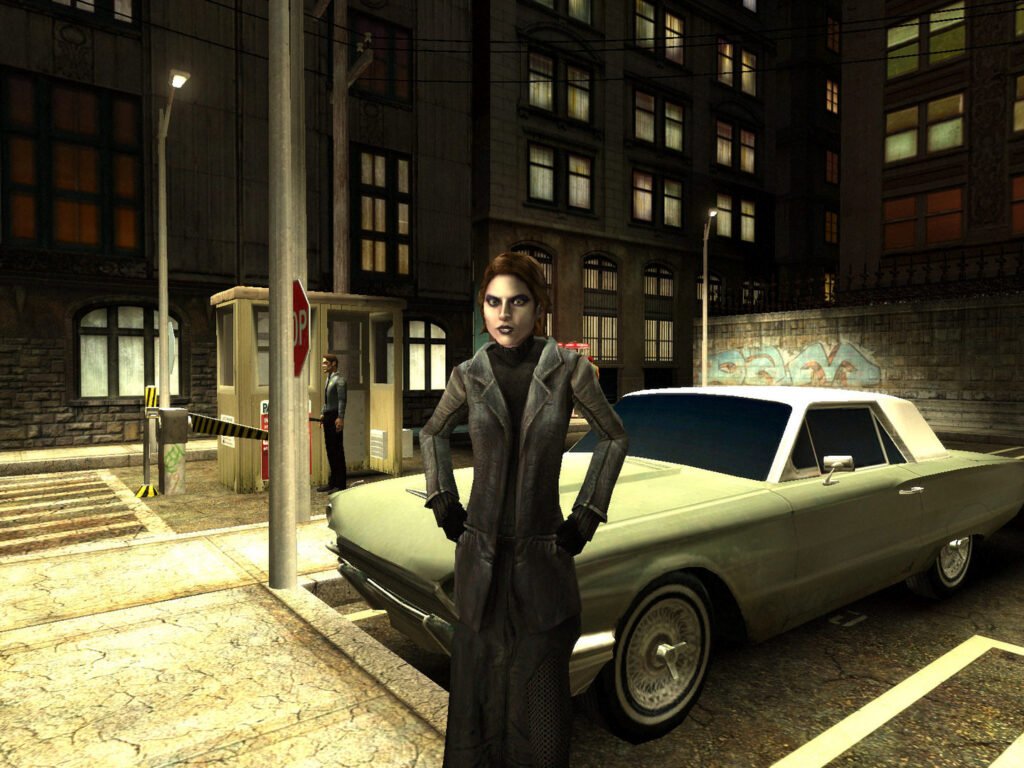
The setting of Los Angeles in the early 2000s is captured with a thick, grimy atmosphere that you can almost smell. Divided into four main hubs—Santa Monica, Downtown, Hollywood, and Chinatown—the game drips with Gothic-Punk aesthetic. It’s always night, it’s usually raining, and the neon signs reflect off puddles on the dark streets. The soundtrack by Rik Schaffer is a masterclass in moody, industrial vibes that perfectly complements the seedy clubs and derelict apartments you’ll frequent. You start as a neonate, a fledgling vampire who was sired illegally and spared from execution only to be used as a pawn by the calculating Prince LaCroix. From there, you’re thrust into a web of political intrigue involving the Camarilla, the Anarchs, and the terrifyingly mysterious Sabbat. Every NPC you meet, from the charismatic Smiling Jack to the dual-souled Jeanette and Therese Voerman, is written with a level of depth and wit that puts most modern scripts to shame. The voice acting is top-tier, making even the most minor characters feel like they have a life (or unlife) outside of your quest.
The Horror and the Humanity
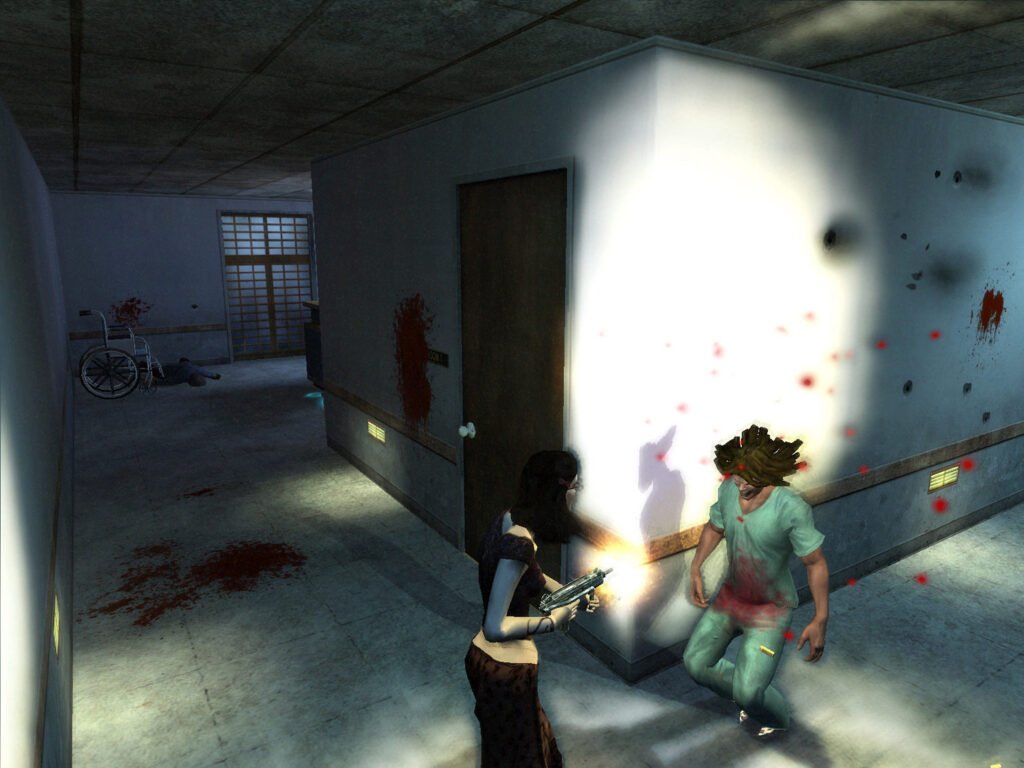
While Bloodlines is often funny and stylish, it doesn’t forget that it is, at its core, a horror game. One of the most famous levels in gaming history, the Ocean House Hotel, is a masterclass in psychological horror that doesn’t rely on jump scares. It’s about the lingering dread of a haunted past. But the real horror is often internal. The Humanity system tracks how much of your “soul” you have left. If you kill innocents or act like a monster, your humanity drops. Low humanity makes you more prone to Frenzy, where you lose control of your character and start tearing apart everyone in sight. You have to balance your need for blood—which serves as your “mana” for Disciplines like super-speed, invisibility, or mind control—with the risk of killing your “donors.” It forces you to make moral choices that actually feel heavy, rather than just choosing the “blue” or “red” option on a dialogue wheel.
Embracing the Jank
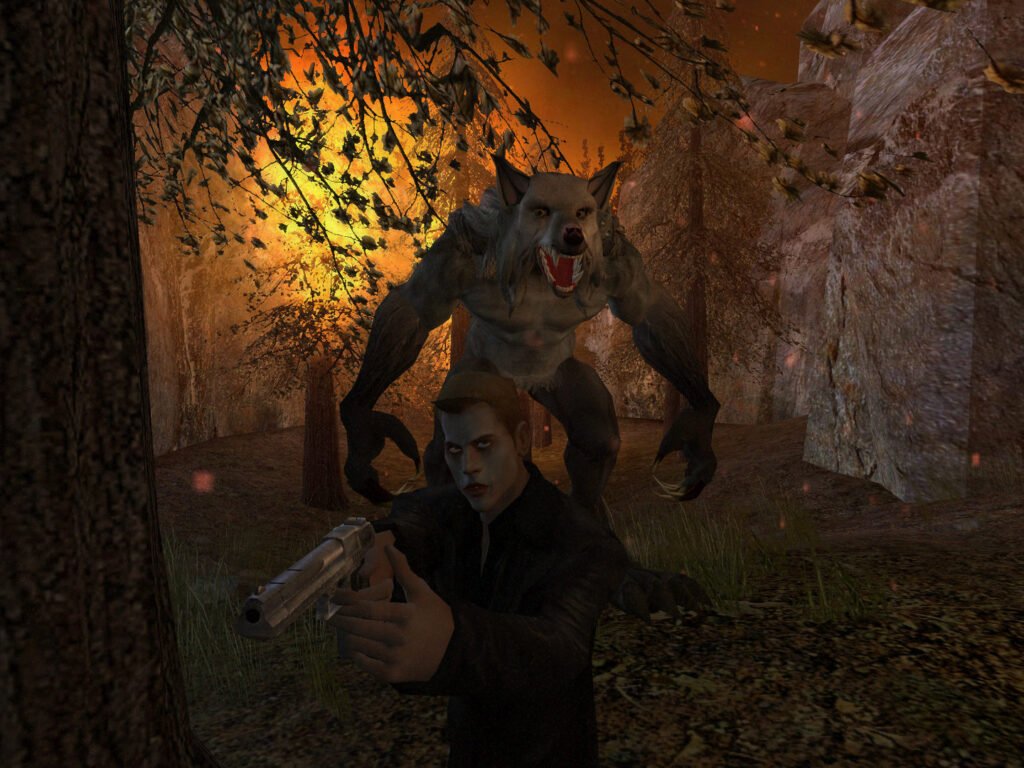
Look, we need to be honest here: the combat in Bloodlines is not good. It’s clunky, the hit detection is a bit of a nightmare, and the final third of the game turns into a relentless combat slog that clearly shows the developers were running out of time and money. If you try to play this like a standard first-person shooter, you’re going to have a bad time. The Source engine was still in its infancy when Troika was hacking away at it, and the seams show. But here’s the thing—the “jank” is almost part of the charm now. It’s a reminder of a time when games were allowed to be ambitious, weird, and messy. The sheer quality of the storytelling, the world-building, and the role-playing freedom is so high that you’ll find yourself forgiving the weird animations and the occasional clipping issues. It’s a game that asks you to look past its scarred exterior to see the brilliant mind underneath.
The Community Saved the Soul
You cannot talk about Bloodlines without mentioning the fans who literally spent twenty years fixing it. Because Troika Games went bankrupt shortly after release, the game was left in a fractured state. Enter Wesp5 and the Unofficial Patch. This community-led project is essentially mandatory if you want to play the game today. It fixes thousands of bugs, restores massive amounts of cut content that was hidden in the game files, and ensures the game runs on modern hardware. Most versions sold today, like the one on GOG, actually come with a version of this patch pre-installed because the developers of the patch are basically the game’s custodians now. Beyond just fixes, there is the Clan Quest Mod, which is a gargantuan expansion that adds new quests for every clan, a whole new hub for the Sabbat, and even more voice acting. These mods turned a broken masterpiece into a functional one, proving that if a game has enough heart, its community will never let it die.
A Legacy That Won’t Fade
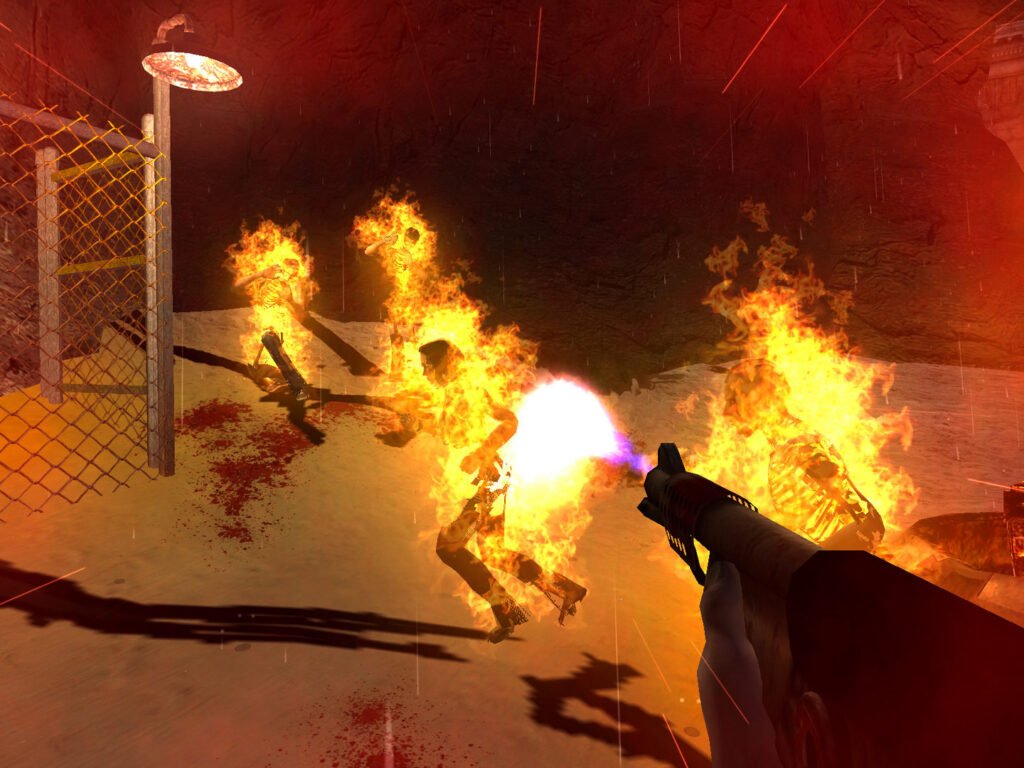
There’s a reason why people still talk about this game with a sense of reverence. It captures the feeling of being a supernatural creature in a modern world better than almost any other medium. It doesn’t treat you like a hero; it treats you like a survivor in a world of ancient, ego-driven monsters. Whether you’re hacking a computer to find dirt on a local businessman, using Dementation to make a guard talk to his own shoes, or navigating the lethal social circles of the Kindred, you are constantly engaged in a way that few games manage. It is a dense, dirty, beautiful, and deeply flawed experience that deserves every bit of its “classic” status. If you can handle a little bit of early 2000s rough-around-the-edges gameplay, you’ll find an RPG that has more personality in its pinky finger than most modern open-world games have in their entire map. So, grab a bottle of “Blue Blood,” put on your leather jacket, and head into the night. Just remember: stay away from the Ocean House Hotel if you value your sanity, and whatever you do, don’t open the sarcophagus!