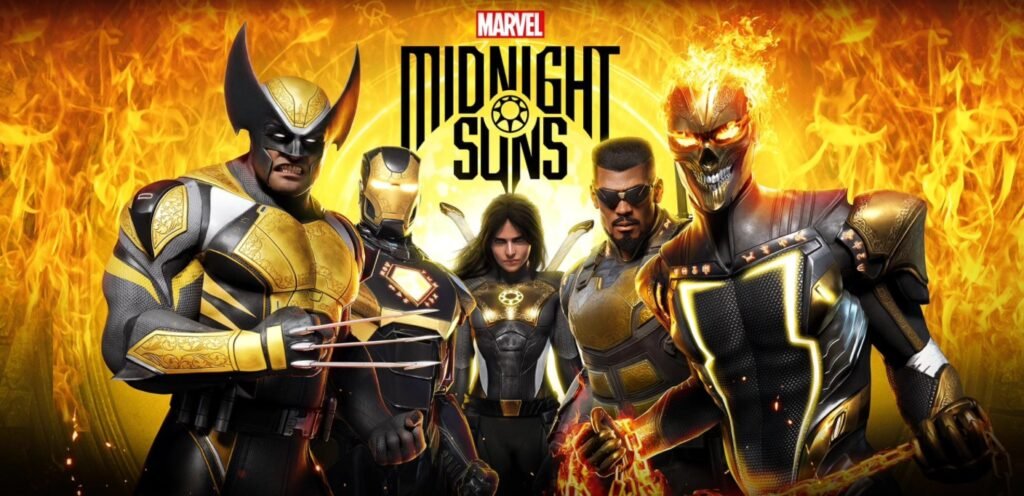

When we first heard that Firaxis Games, the absolute legends behind XCOM, were making a Marvel game, most of us expected XCOM with a superhero skin. We imagined Iron Man behind half-cover, praying to the RNG gods for a 95% hit chance that would inevitably miss. But what Jake Solomon and his team actually delivered with Marvel’s Midnight Suns was something far weirder, far riskier, and, in my humble opinion, far more interesting than a simple tactical clone.
It’s now 2026, and looking back, it’s clear that Midnight Suns was the ultimate cult classic in the making. It was a game that dared to ask: “What if you could be best friends with Wolverine, but only after you’ve spent three hours discussing 18th-century literature in a mystical Book Club?” It was a massive gamble that split the fanbase right down the middle, and honestly, that’s exactly why it’s still worth talking about years after the hype died down.
Redefining Tactical Combat
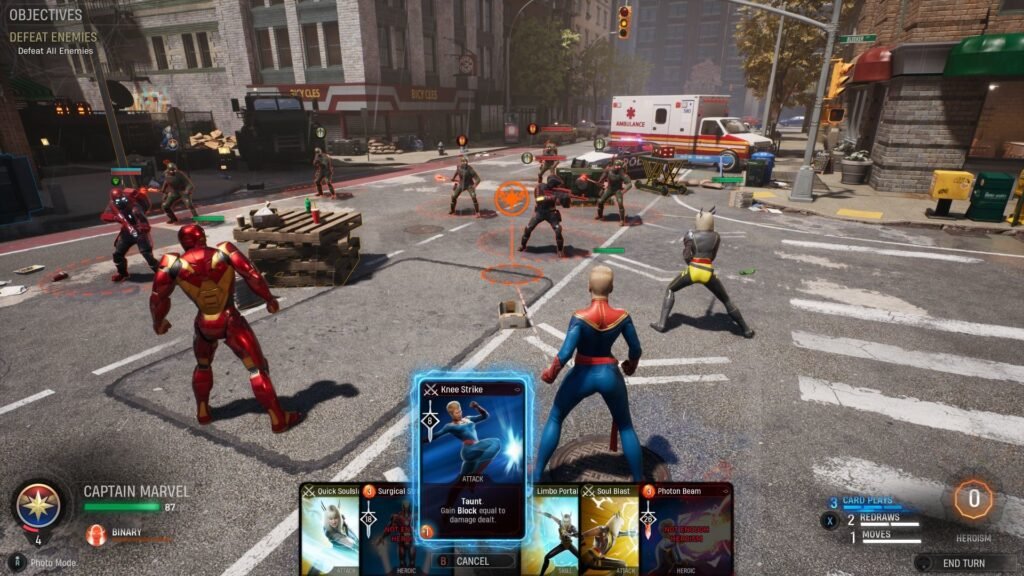
Before we get into the “hanging out with vampires” stuff, we have to talk about the combat. Firaxis essentially threw the XCOM playbook out the window. Instead of tile-based movement and percentage-to-hit mechanics, they introduced a card-based tactical system. At first, people were skeptical. “A card game? Really?” was the common refrain. But once you actually get into the flow of it, you realize it’s one of the most satisfying tactical puzzles ever designed.
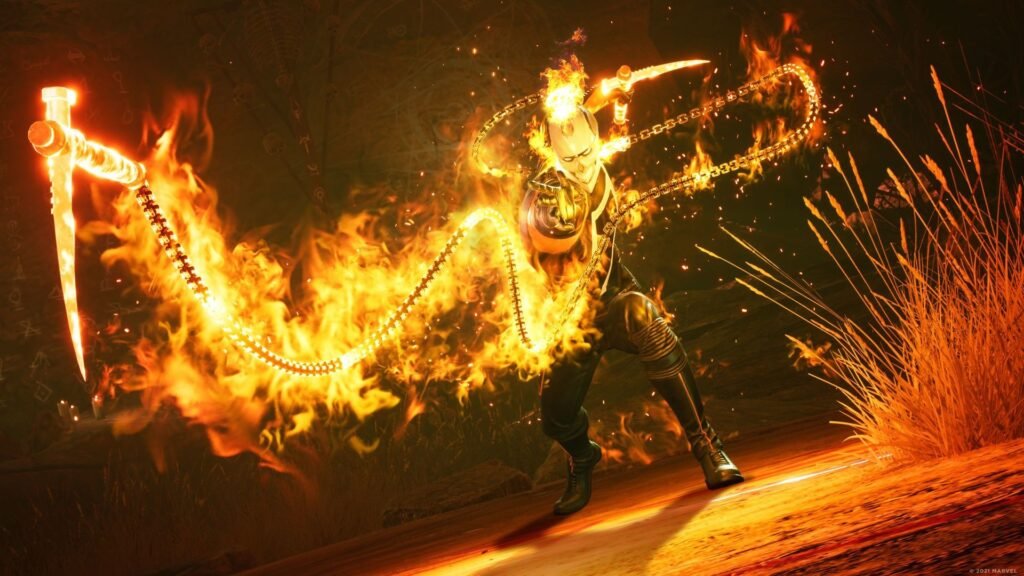
Because the game removes the “chance to hit” frustration, the challenge shifts from managing luck to managing resources. You have to think about Heroism, card plays, and how to use the environment to your advantage. There is nothing—and I mean nothing—more satisfying than using Ghost Rider to chain-whiplash a group of Hydra goons into a pit or watching Spider-Man swing a literal light pole into a supervillain’s face. It felt snappy, it felt powerful, and it proved that Jake Solomon is a master of system design, even when he’s switching genres.
The Abbey and the Revolution of Friendship
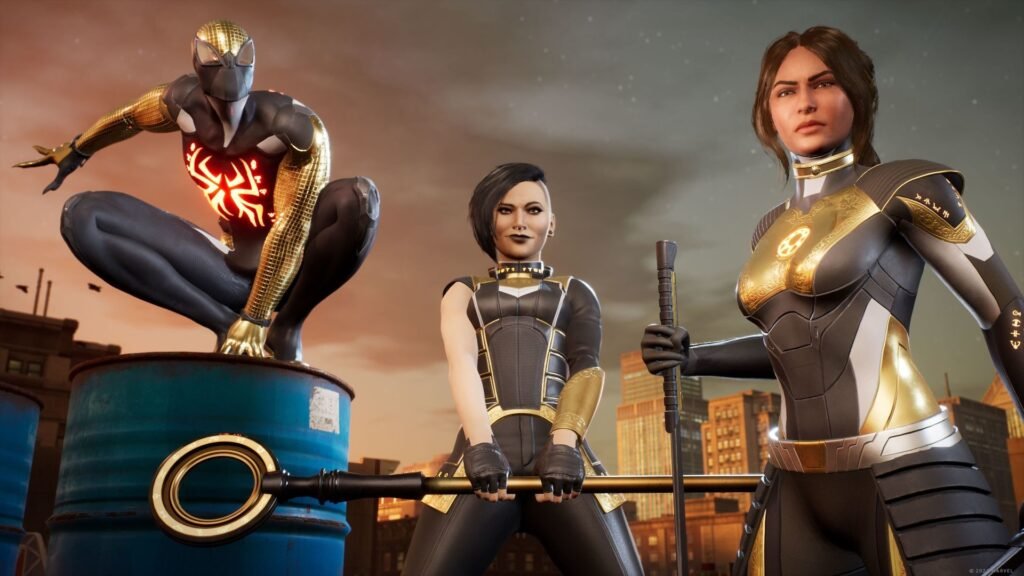
Now, let’s address the elephant in the room: The Abbey. This was the social hub where the game spent about 60% of its time, and it’s where the community really got divided. Between missions, you played as The Hunter, a custom protagonist who lives in a spooky mansion with the Avengers and the Midnight Suns.
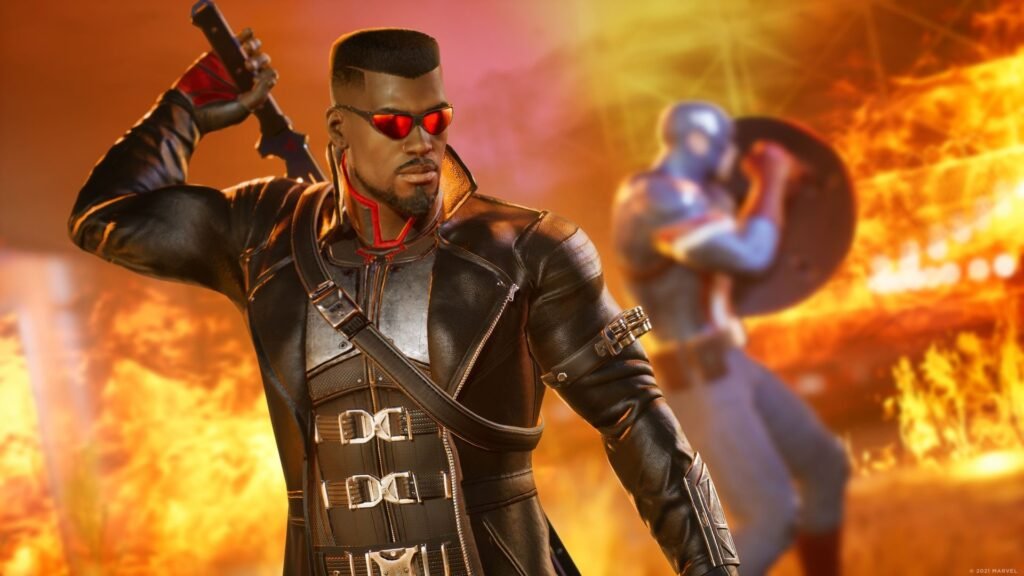
This is where the social simulation elements kicked in. You weren’t just upgrading gear; you were building Friendship Levels. You were taking Blade on a stroll by the creek. You were playing video games with Nico Minoru. You were literally joining a secret club called the “Emo Kids” with Magik.
For a lot of “hardcore” strategy fans, this was a dealbreaker. They called it “cringey” or “filler.” But looking back from 2026, I’d argue this social aspect was actually revolutionary. Most superhero games treat the characters like action figures—they’re there to punch things and look cool. Midnight Suns treated them like people. It captured that specific, soap-opera energy of actual comic books. Seeing Wolverine be a grumpy, soft-hearted mentor or watching Tony Stark and Doctor Strange bicker like an old married couple made the stakes of the final battle feel personal. You weren’t just saving the world; you were saving your roommates.
Why Being a “Day Sim” Worked
The genius of the social mechanics was how they fed back into the gameplay. If you spent time listening to Captain Marvel’s problems, she became more effective in the field. It turned the “chore” of talking to NPCs into a strategic layer.
I know, I know—some people just wanted to skip the dialogue and get back to the fighting. And sure, the writing could be a bit “Gen Z banter” heavy at times. But there was something so incredibly bold about a major studio forcing you to care about the emotional well-being of Blade. Seeing the most dangerous vampire hunter on Earth get excited because you invited him to a Book Club is the kind of character-driven weirdness we just don’t see enough of in AAA gaming. It was humanizing in a way that the MCU hasn’t been for a long time.
The Legacy of Jake Solomon
It’s interesting to think about this game in the context of Jake Solomon’s career. Shortly after Midnight Suns launched, he left Firaxis to start Midsummer Studios, focusing on life-sim games. When you play the Abbey sections of Midnight Suns, you can see the seeds of that transition being planted. You can tell his heart was moving toward systems-based storytelling and interpersonal relationships.
The game was a bridge between the rigid, mechanical world of strategy and the messy, emotional world of social sims. While it might not have been the massive commercial juggernaut 2K was hoping for, it left a permanent mark on the genre. It proved that you can have high-level strategy and deep narrative intimacy in the same package.
A Flawed Masterpiece Worth Revisiting
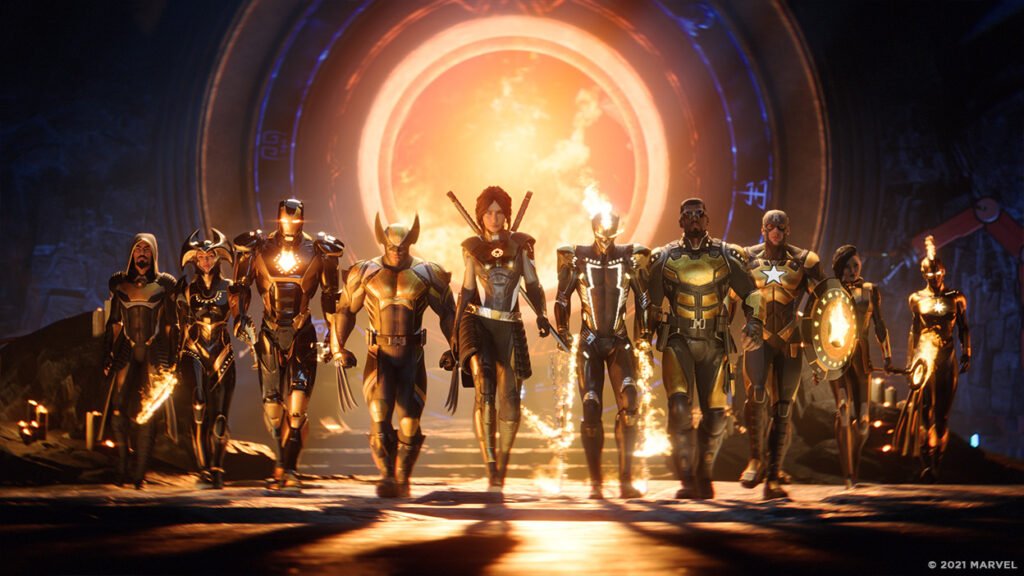
Is Marvel’s Midnight Suns perfect? Absolutely not. The resource grind in the Abbey could get tedious, and the third-person exploration wasn’t exactly God of War quality. But the ambition on display is undeniable. In an era where so many big-budget games play it safe, Midnight Suns was a loud, weird, neon-soaked experiment.
If you’re one of the people who skipped it because you heard the “social stuff” was too much, I’m telling you: go back and give it another shot. Embrace the cringe. Go mushroom picking with Morbius. Discuss the ethics of magic with Scarlet Witch. Once you stop resisting the social simulation and start leaning into the roleplay, you’ll find one of the most rewarding superhero experiences ever made.
Ultimately, Midnight Suns isn’t just a strategy game; it’s a game about found family. It’s a game that understands that the most “super” thing about these heroes isn’t their powers—it’s the fact that, at the end of a long day of saving the multiverse, they just want to sit around a campfire and talk about their feelings. And in 2026, that still feels like a revolutionary idea.