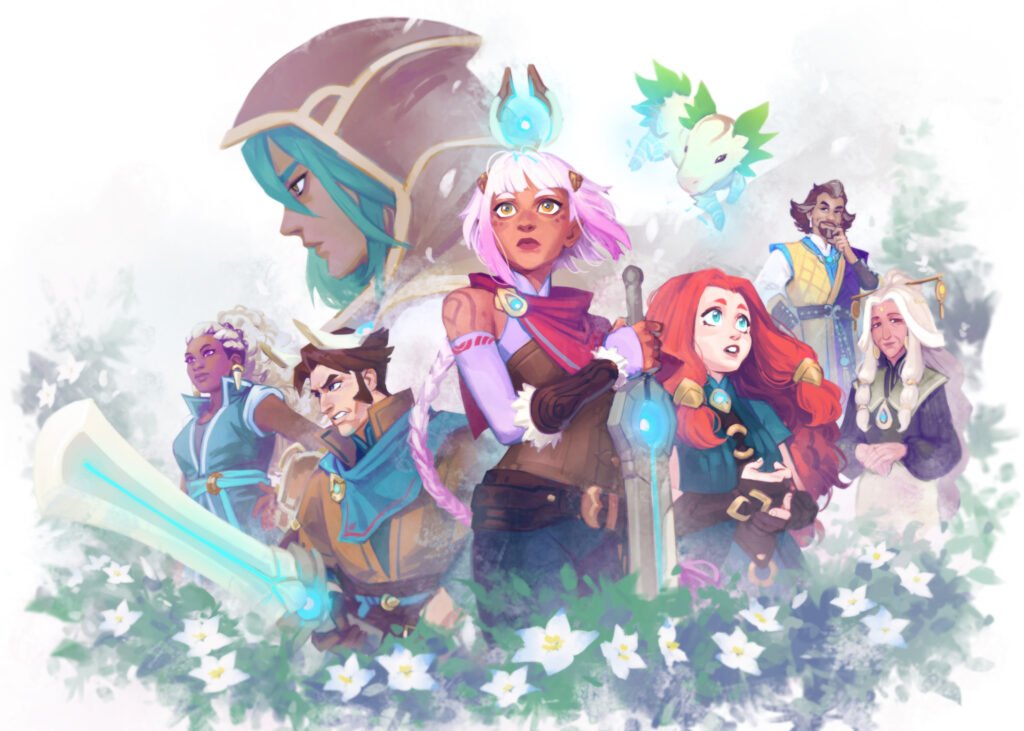

If you spent any significant amount of time in the mid-to-late 2010s obsessing over pixel-perfect combat and intricate puzzle-solving, chances are you’ve heard of CrossCode. It was the indie darling that could, a game that blended 16-bit nostalgia with modern, snappy mechanics. Now, the wizards over at Radical Fish Games are back at the forge, and they’ve been cooking up something that looks, feels, and sounds like a natural evolution of everything we loved. It is called Alabaster Dawn, and if you aren’t already vibrating with excitement, you probably should be.
Stepping Out of the MMO and Into the Wasteland
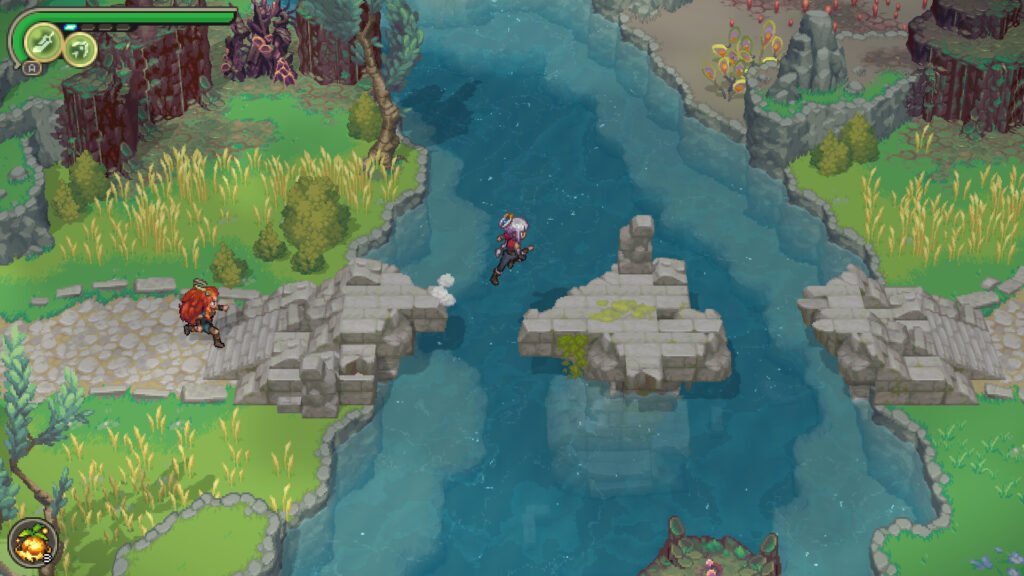
While their previous hit was famously meta—taking place inside a fictional MMO called CrossWorlds—Alabaster Dawn takes a sharp turn into a more traditional, yet equally captivating, high-fantasy post-apocalypse. We are no longer playing a player playing a game. Instead, we are dropped into the shoes of Juno, a chosen protagonist in the ruined world of Tyr. The world is a far cry from the lush forests and snowy peaks of its predecessor. It is a world covered in a mysterious, suffocating shadow, where the remnants of civilization are struggling to find a foothold.
The shift in tone is palpable. There is a sense of weight and stakes that feels a bit more “real” this time around. You are the last hope for a dying land. Radical Fish has managed to keep that vibrant, colorful Pixel Art aesthetic they are known for, but they’ve infused it with a slightly more mature, atmospheric grit. The environments feel vast and lonely, but in a way that beckons you to explore rather than run away.
Combat That Feels Like a Dance
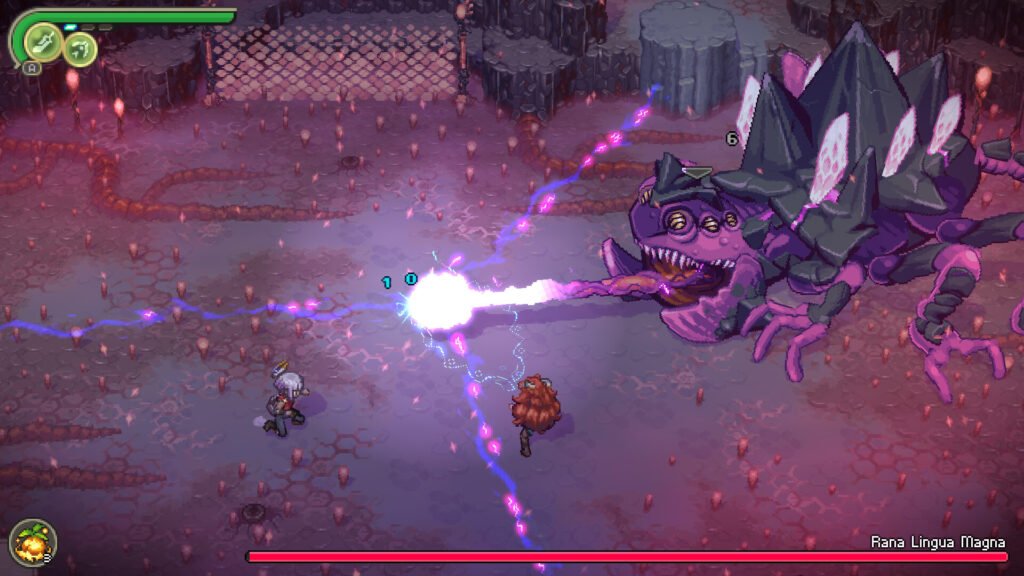
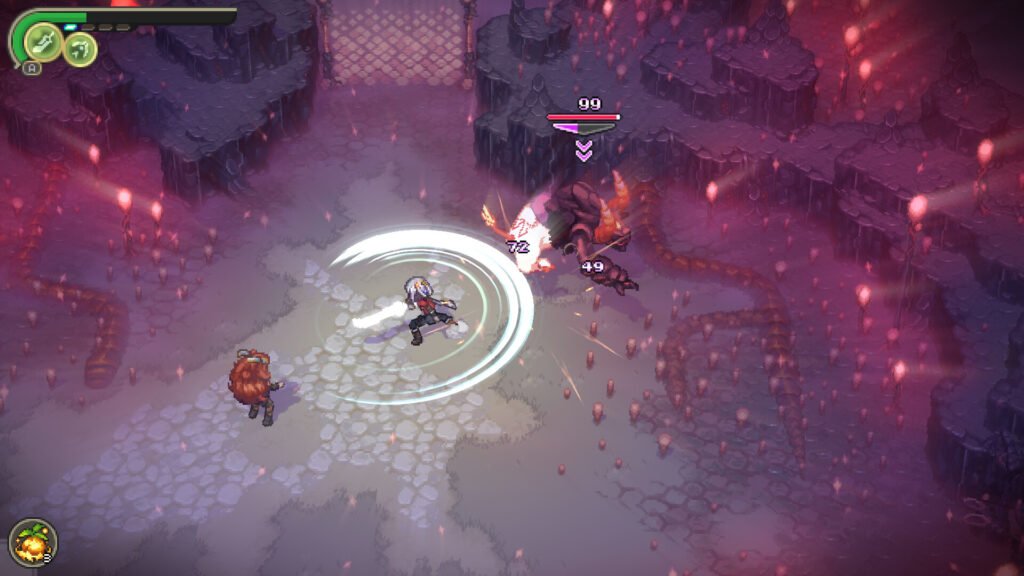
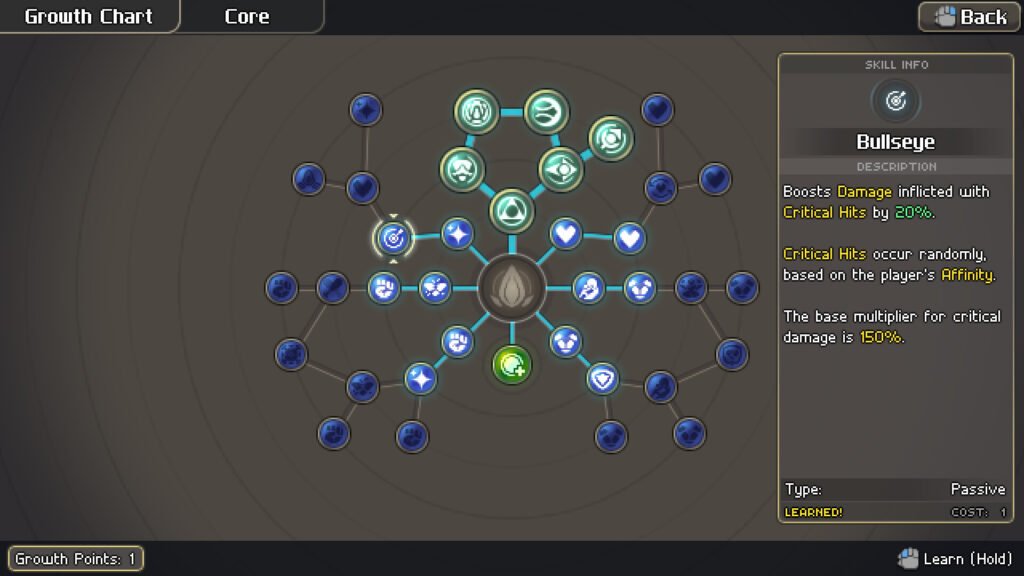
Let’s talk about the bread and butter of any Radical Fish game: the Action RPG combat. If you thought CrossCode was fast, Alabaster Dawn is looking to turn the dial up even further. The developers have moved away from the circular “Sphere Grid” style of progression and introduced a much more dynamic system involving Divine Arts and Blade Arts.
The flow of battle is centered around swapping between different Elemental Orbs. You are managing a toolkit of fire, ice, and lightning that fundamentally changes how Juno interacts with her enemies. What’s really cool is the way the game encourages you to stay on the offensive. By dealing damage and performing well-timed dodges, you build up energy to unleash massive, screen-clearing Special Attacks. It feels less like a spreadsheet and more like a rhythm game where the music is made of sword swings and explosions.
A World That Grows With You
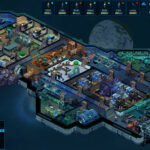
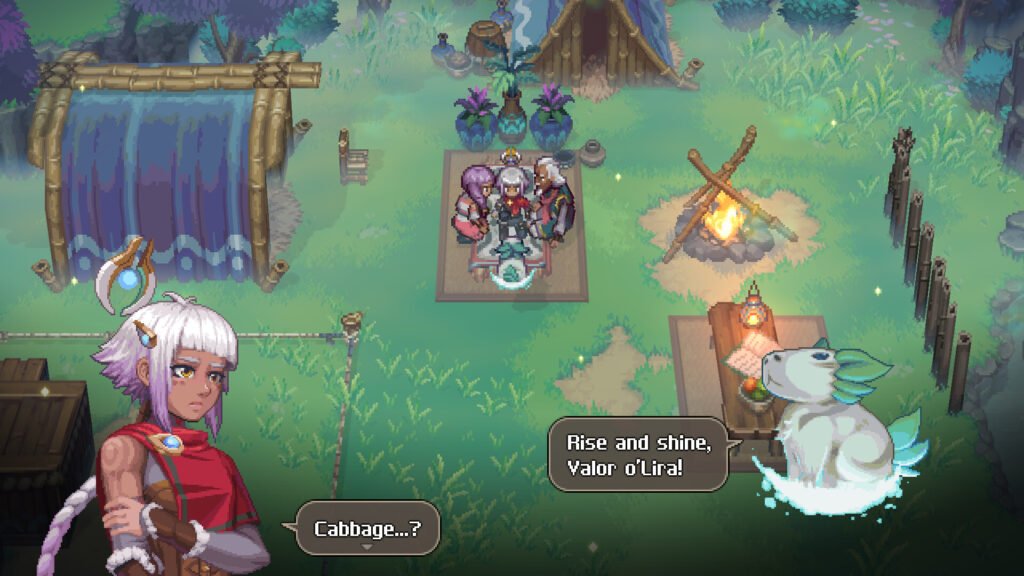
One of the most ambitious additions to the formula is the Settlement Building mechanic. In most RPGs, you visit a town, buy your potions, and never think about it again. In Alabaster Dawn, you are actively involved in the restoration of Tyr. As you progress through the main story and complete side quests, you’ll find yourself bringing life back to the ruins.
“It isn’t just about saving the world in some abstract sense; it’s about seeing the literal fruits of your labor as a village starts to thrive because of your actions.”
This adds a layer of investment that feels incredibly rewarding. You are a catalyst for change. As settlements grow, you unlock new facilities, better gear, and deeper lore snippets that flesh out exactly what went wrong with the world before Juno woke up. It’s a loop that keeps the downtime between dungeons just as engaging as the boss fights themselves.
The Beauty in the Details
We have to give a massive shout-out to the technical wizardry happening behind the scenes. Radical Fish Games is using a heavily customized engine that allows for some of the most fluid 2D Animation seen in the genre. The way the grass moves, the lighting effects during a sunset in the wasteland, and the expressive character portraits all scream high-budget polish.
The soundtrack, too, is already shaping up to be an absolute banger. It carries that signature energetic, synth-driven vibe that makes you want to grind for levels just to hear the combat theme one more time. There is a specific kind of “crunchiness” to the sound design—the clink of a blade against a shield, the hum of a charging spell—that makes every button press feel impactful. It’s the kind of game that reminds you why we still love top-down adventures in an era of hyper-realistic 3D graphics.
Why the Wait is Worth It
Radical Fish Games is a small team, and they are notorious for their “it’s done when it’s done” philosophy. While the wait for Alabaster Dawn has been long, every trailer and devlog shows a team that is obsessed with quality. They aren’t trying to chase trends or shove microtransactions into your face. They are building a massive, sprawling, single-player epic that respects the player’s intelligence and time.
If you enjoyed the puzzle-filled dungeons of the past, you’ll be happy to know that the environmental puzzles are back and look more devious than ever. Using your elemental powers to interact with the world—lighting torches, freezing water, or powering up ancient machinery—is a core part of the experience. It’s that perfect blend of “Aha!” moments and “Let’s go!” moments that very few developers manage to balance as well as this team.
Closing Thoughts on Juno’s Journey
Alabaster Dawn feels like a studio at the height of its powers. They’ve taken the foundation of a masterpiece and decided to build a skyscraper on top of it. Whether you are a veteran who spent hundreds of hours in CrossCode or a newcomer looking for a deep, engaging Action RPG with a lot of heart, this is a title you need to keep on your radar.
The world of Tyr is waiting to be rebuilt, and Juno is ready to take up the mantle. It’s rare to see a sequel (even a spiritual one) feel so fresh while staying true to its roots. Radical Fish Games are crafting another world for us to lose ourselves in. And honestly? I can’t wait to get lost.