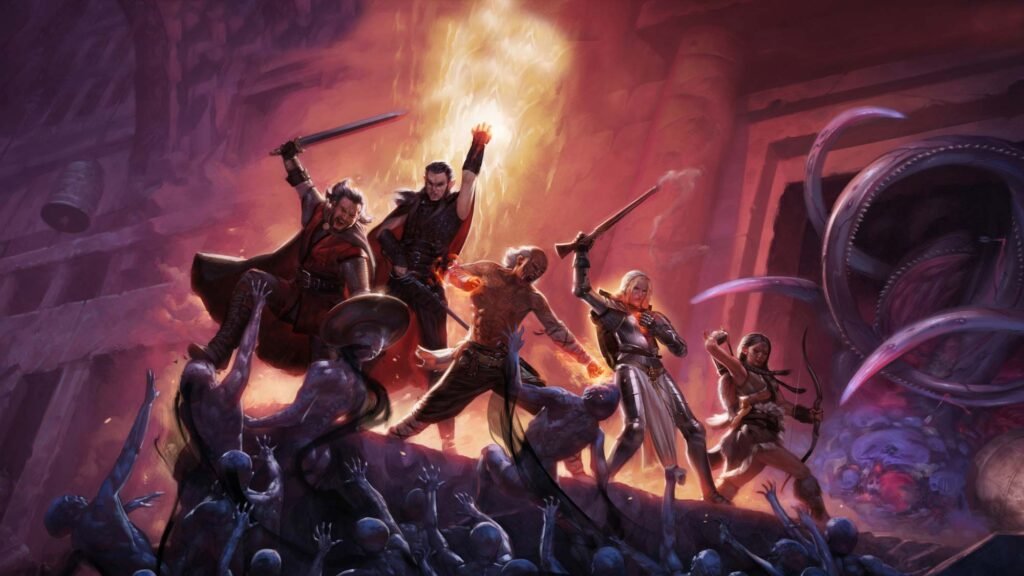

Remember the late nineties and early 2000s when computer role-playing games felt like curling up with a massive, beautifully written fantasy novel? Games like Baldur’s Gate, Icewind Dale, and Planescape: Torment didn’t just give you a character to control; they dropped you face-first into living, breathing worlds built on complex rules, dense paragraphs of text, and gorgeous isometric perspectives. For a long time, the gaming industry thought that era was dead, buried under a mountain of high-definition, action-oriented 3D graphics. But Obsidian Entertainment begged to differ. In 2012, they took a massive gamble by launching a Kickstarter campaign for a project then known as Project Eternity. The fans spoke with their wallets, raising nearly four million dollars, and in 2015, we finally got our hands on the masterpiece that is Pillars of Eternity.
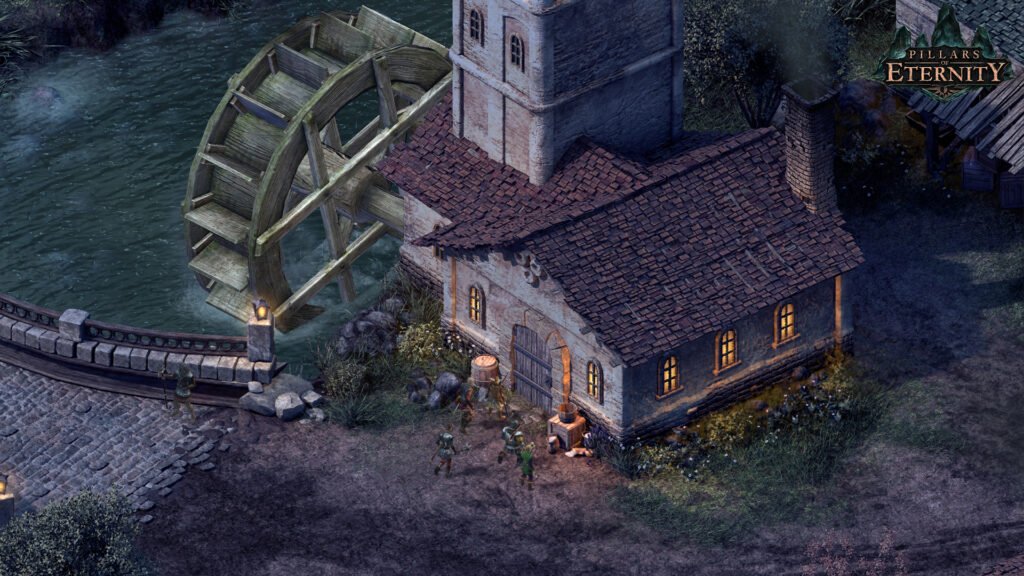
From the very moment you boot up the game, you can feel the immense love and respect for the old-school isometric RPG lineage. Obsidian didn’t just clone what came before; they carefully modernized the formula while keeping the core soul intact. You find yourself in the completely original world of Eora, specifically in a region known as the Dyrwood. Instead of relying on a pre-existing tabletop framework like Dungeons and Dragons, Obsidian built their own mechanics from the ground up. This allowed them to craft a universe where everything revolves around a singular, fascinating concept: the science and metaphysics of the human soul.
In Eora, souls are real, tangible things that undergo a constant cycle of reincarnation. But the Dyrwood is suffering from a horrific curse known as the Waidwen’s Legacy, a plague where children are born without souls, leaving them as hollow, catatonic “hollowborn.” Your custom-created main character accidentally stumbles into a bizarre supernatural event and awakens as a Watcher. This means you possess the unique, sometimes maddening ability to peer into the past lives of souls just by touching someone or looking at a corpse. This brilliant narrative device allows Obsidian to flesh out the lore organically, transforming every village street and ancient dungeon into a tapestry of historical vignettes and personal tragedies.
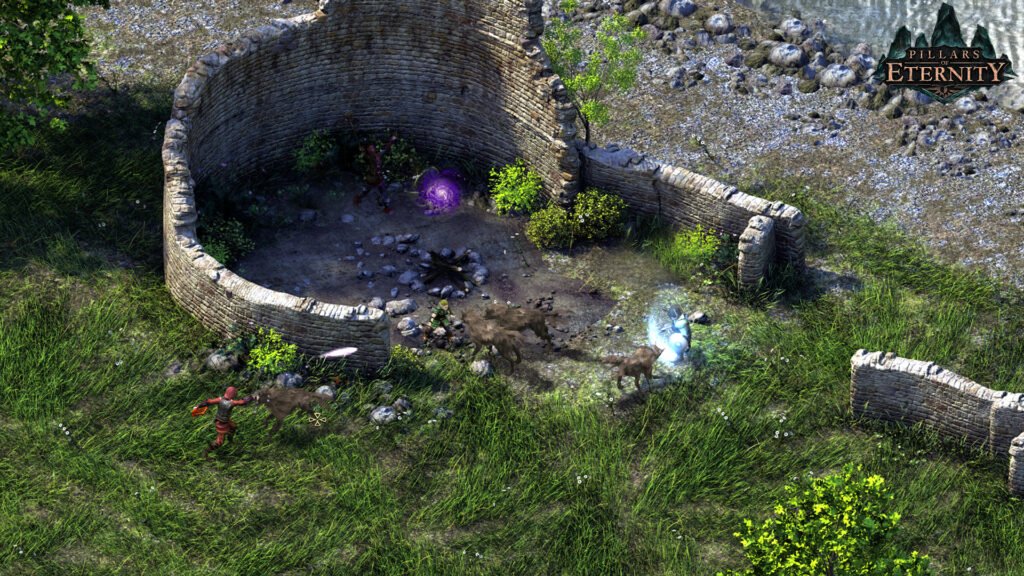
The story kicks into high gear as you try to cure your own impending madness while unraveling the mystery behind the hollowborn crisis. The writing is spectacular, balancing poetic descriptions with gritty, mature political intrigue. You are forced to navigate the tense aftermath of religious wars, colonial friction, and animancy, which is the controversial magical science of manipulating souls. The game refuses to offer easy, black-and-white moral choices. Instead, you are constantly left staring at the screen, weighing the complex, messy outcomes of your decisions, knowing that there is rarely a perfectly “good” option.
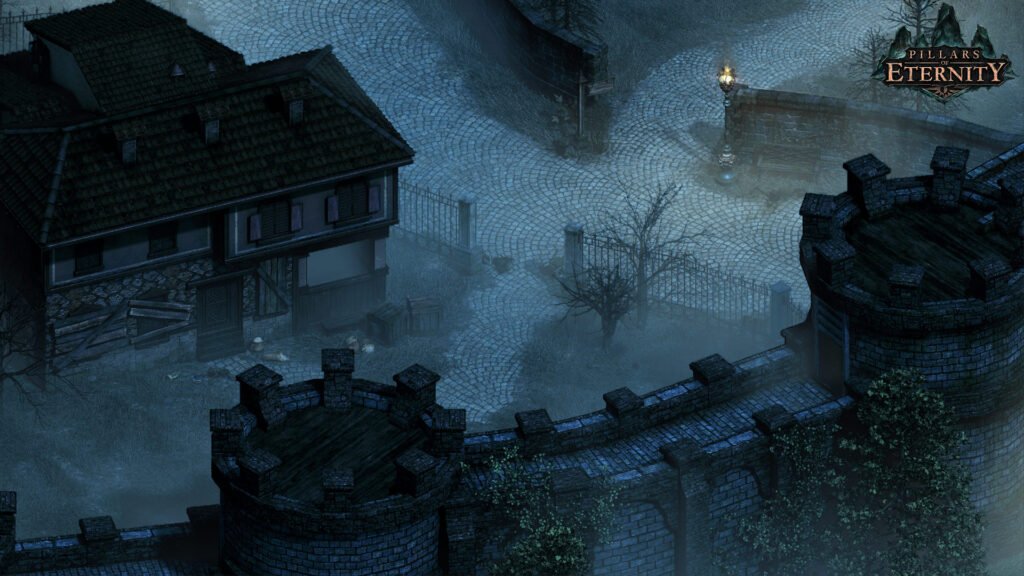
Of course, a massive fantasy epic is only as good as the crew you travel with, and the companions in Pillars of Eternity are legendary. You can recruit a wonderfully eccentric group of broken people who perfectly mirror the philosophical weight of the world. There is Aloth, a polite wizard who happens to share his body with a boisterous past-life personality named Iselmyr. You meet Eder, a dry-witted, animal-loving warrior who fought on the wrong side of a religious war and is struggling with a crisis of faith. Then there is Durance, a deeply unhinged, fire-obsessed priest whose dialogue reads like a brilliantly unhinged sermon. Interacting with these characters, diving into their personal quests, and watching them bicker or bond during your travels forms the absolute emotional heart of the journey.
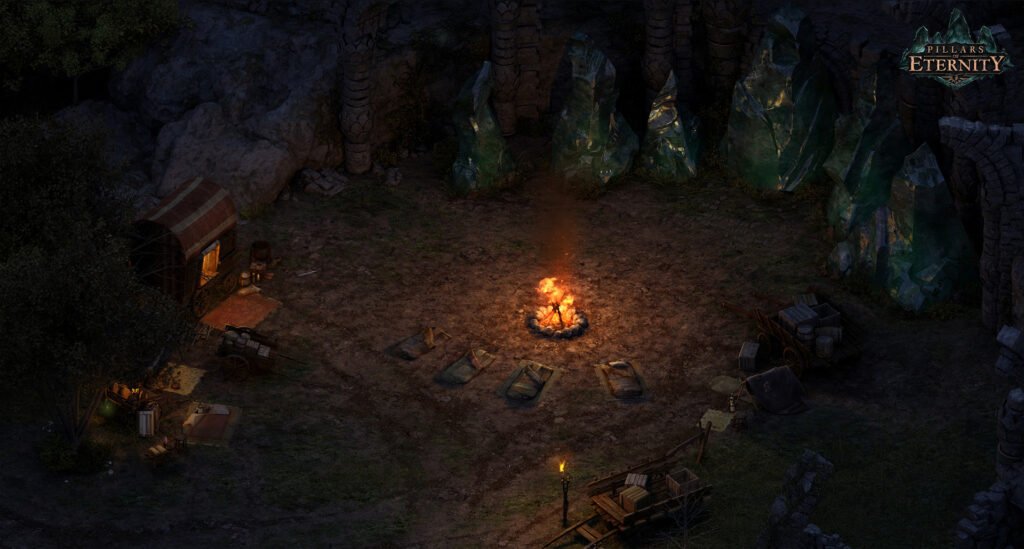
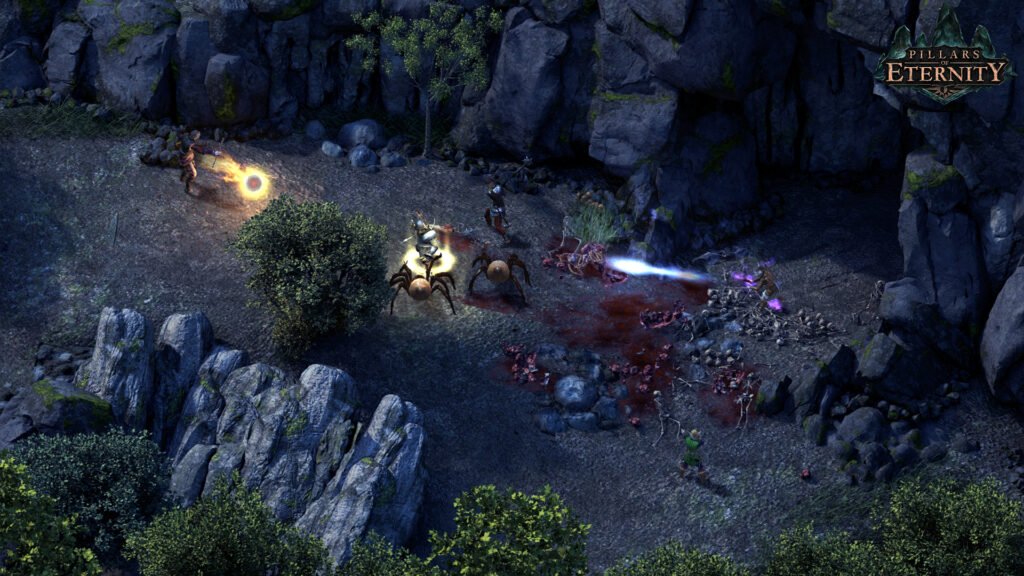
Combat in Pillars of Eternity utilizes a polished real-time with pause system. This setup offers the chaotic energy of real-time skirmishes alongside the surgical precision of turn-based strategy. At any second, you can slam the spacebar, freeze the action, and issue precise commands to your six-person party. The tactical depth here is staggering. Attributes like Might, Constitution, and Intellect don’t just dictate standard combat roles; they are intelligently redesigned so that any class can benefit from them in unique ways. A high-Might wizard hits harder with spells, while a high-Might barbarian deals devastating melee damage. This open-ended philosophy gives you the freedom to build bizarre, highly effective party compositions that defy classic fantasy tropes.
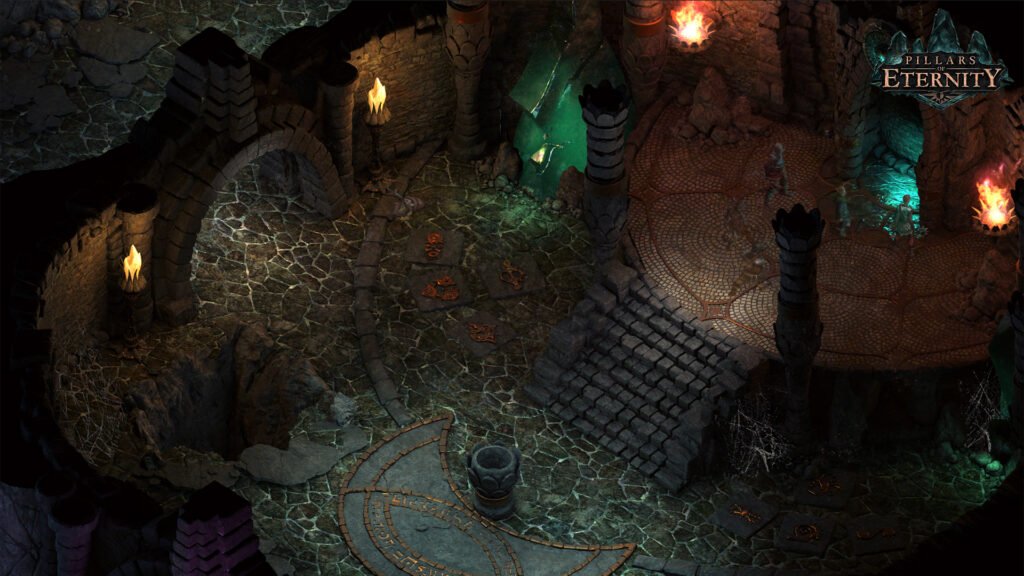
Beyond the main questline, the game rewards exploration with incredible side content, most notably the Endless Paths of Od Nua. This massive, fifteen-level mega-dungeon is buried directly beneath your customizable stronghold, Caed Nua. As you clear out bandits and monsters from your castle above, you can slowly descend deeper into the dark, subterranean ruins below. Each floor presents unique environmental puzzles, self-contained narratives, and increasingly brutal boss fights, culminating in an encounter with a legendary dragon. It serves as a fantastic, satisfying loop of progression that runs parallel to your main journey across the Dyrwood.
The game’s success paved the way for massive post-launch content, starting with The White March – Part I. This expansion transports your party far to the snowy northern reaches of the world to investigate the legendary, long-dormant dwarven forge of Durgan’s Battery. This DLC captures the frosty, high-stakes atmosphere of the classic Icewind Dale games. It focuses heavily on intense tactical combat, rugged wilderness exploration, and a self-contained story about a desperate community trying to revive its economy. It also introduces fantastic new companions, like the soul-bound construct Devil of Caroc, expanding the game’s intricate mechanical options.
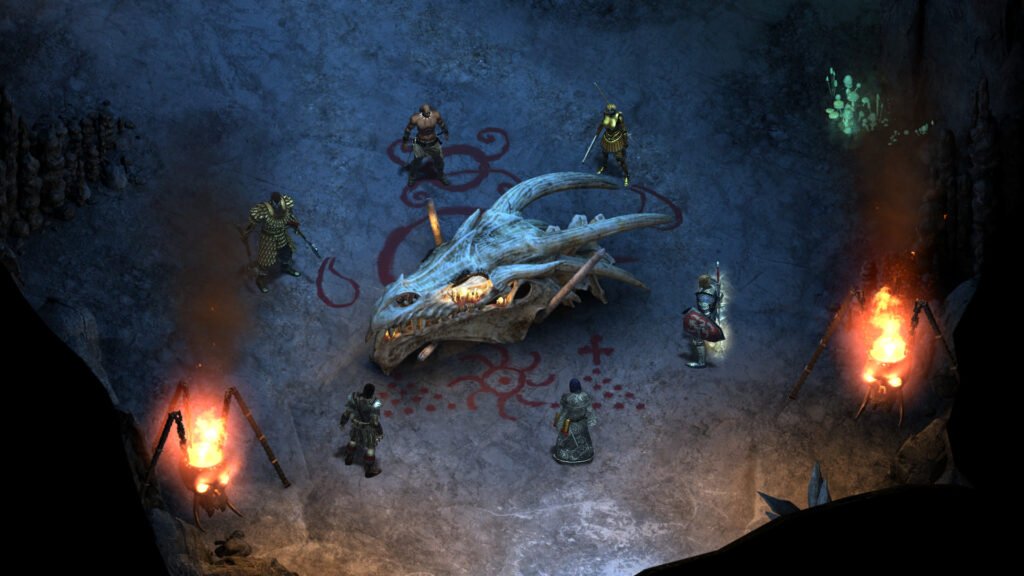
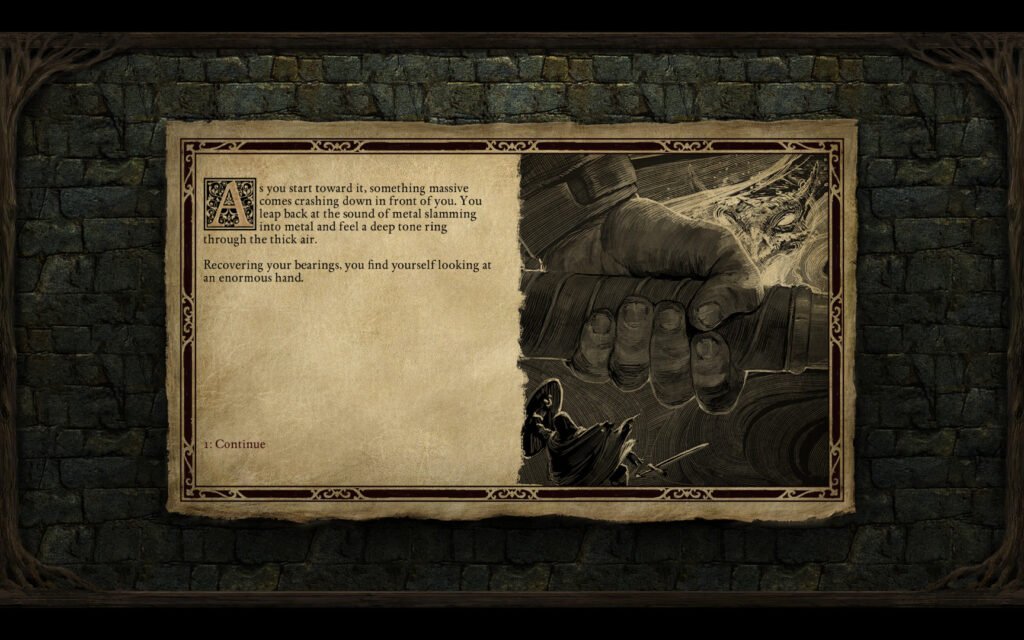
The epic icy saga concludes beautifully in The White March – Part II, which raises the stakes from a localized regional conflict to an apocalyptic threat involving ancient gods. This second half shifts the narrative focus back toward the cosmic, soul-centric themes of the base game, forcing you to confront the literal manifestations of forgotten history. The expansion wraps up the northern storyline with incredible cinematic flair and some of the most challenging, rewarding combat encounters in the entire Pillars franchise, solidifying the two-part expansion as an absolute must-play addition to the core experience.
Ultimately, Pillars of Eternity is much more than a nostalgic love letter to the isometric golden age. It stands proudly on its own merits as a timeless monument to master-class RPG design. Obsidian Entertainment proved that intelligent writing, deep tactical systems, and uncompromised creative world-building will always hold immense power, no matter how much the broader gaming landscape changes. It is a world that demands your patience, rewards your curiosity, and lingers in your mind long after the final credits roll.