
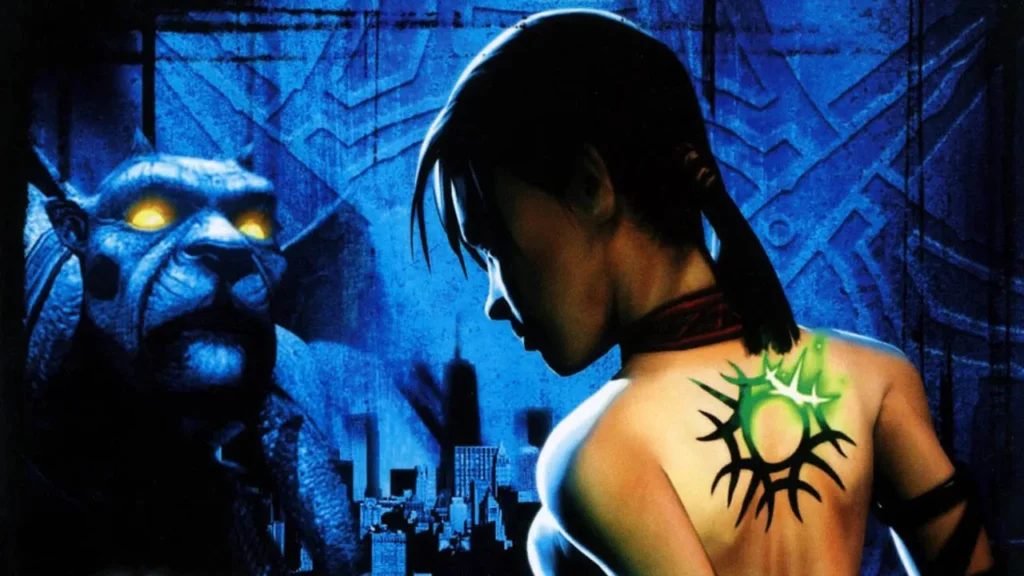

Release Date: 25 March 2003 Developer: Sony Computer Entertainment
Back in early 2003 the PlayStation 2 was still the undisputed king of living rooms, and Sony’s Cambridge Studio decided to take a big swing. Fresh off the quirky medieval fun of MediEvil, the team poured years of work into something darker, heavier, and far more ambitious. The result was Primal, an action-adventure that dropped players into a world of demons, balance between order and chaos, and a young woman who discovers she’s a lot more than a waitress with a rock-star boyfriend.
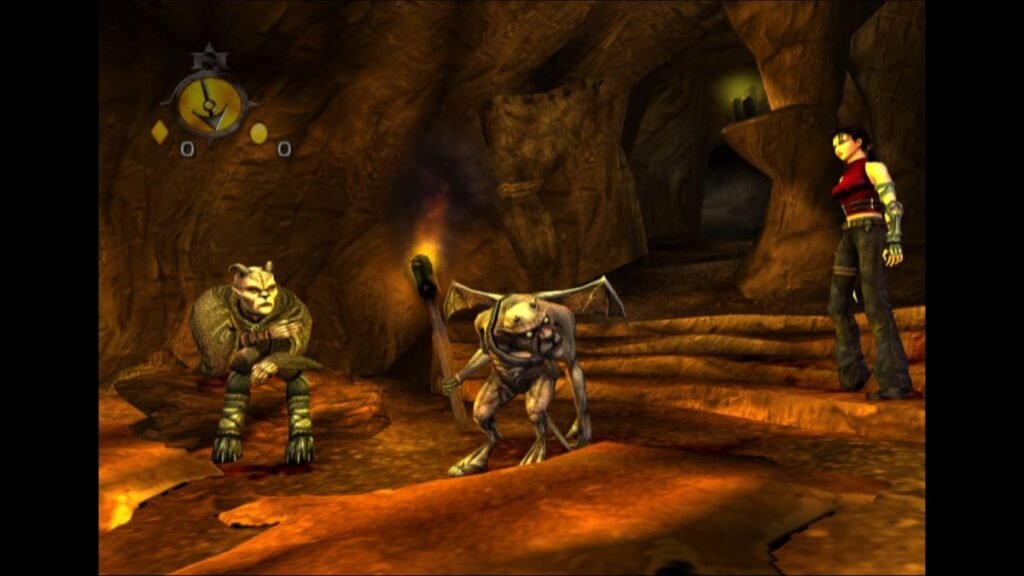
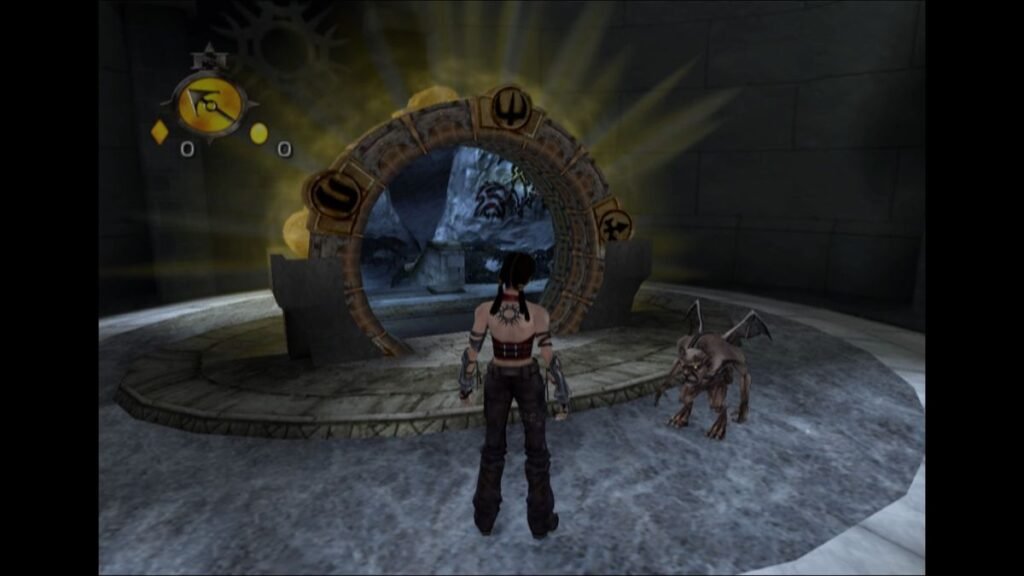
The setup is pure early-2000s gothic cool. Jennifer “Jen” Tate is hanging out after her boyfriend Lewis’s metal show when a massive winged demon crashes the after-party, snatches Lewis, and leaves Jen dying on the pavement. In the hospital her spirit is yanked free by a small, gravelly-voiced gargoyle named Scree. He doesn’t waste time with gentle explanations. Jen is needed in the realm of Oblivion, the space between the mortal world (Mortalis) and whatever comes after, because the eternal struggle between Arella (Order) and Abaddon (Chaos) is tilting hard toward chaos. Four realms are out of balance, and only someone with Jen’s hidden heritage can put things right. Oh, and maybe she can find Lewis while she’s at it.
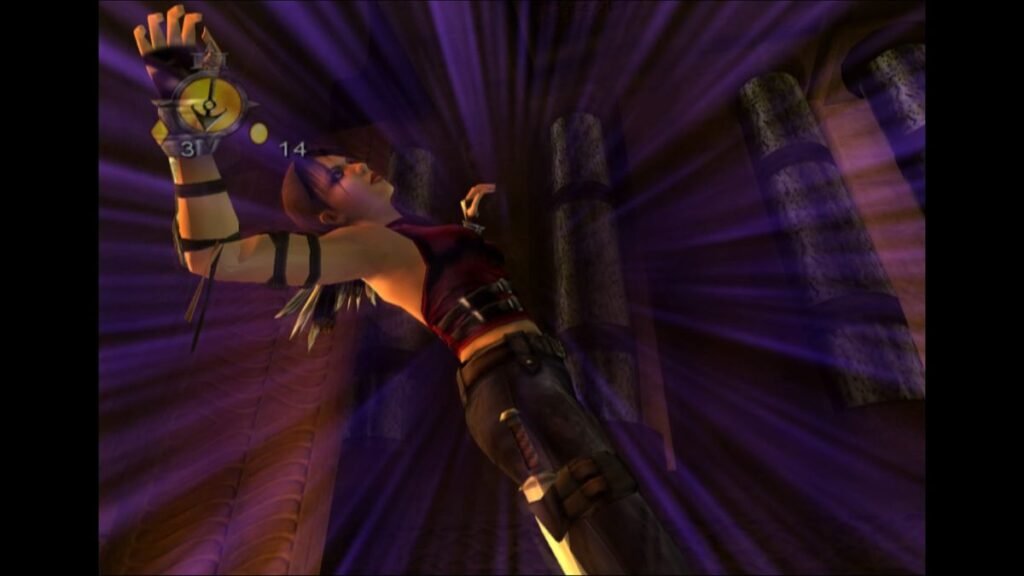
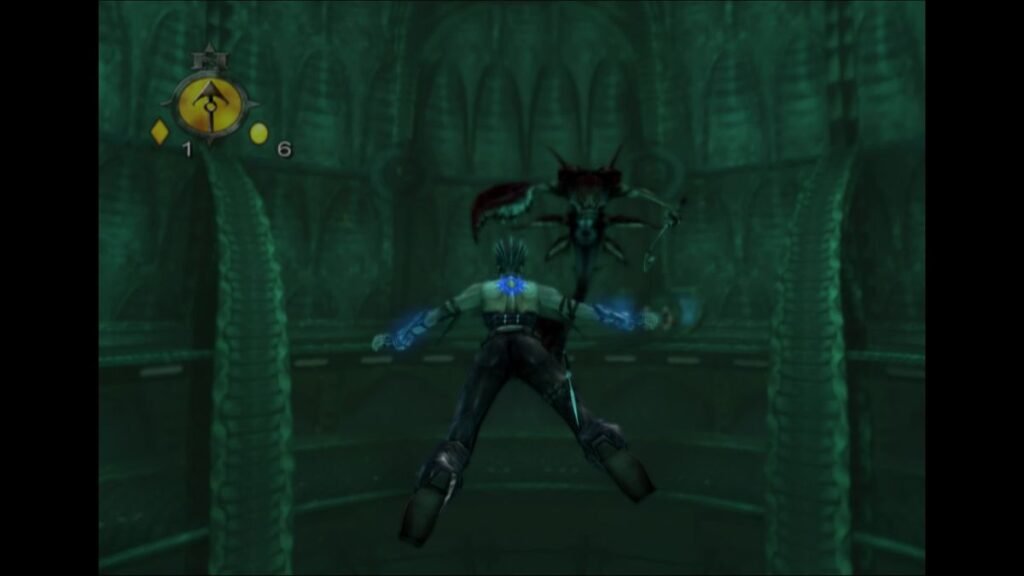
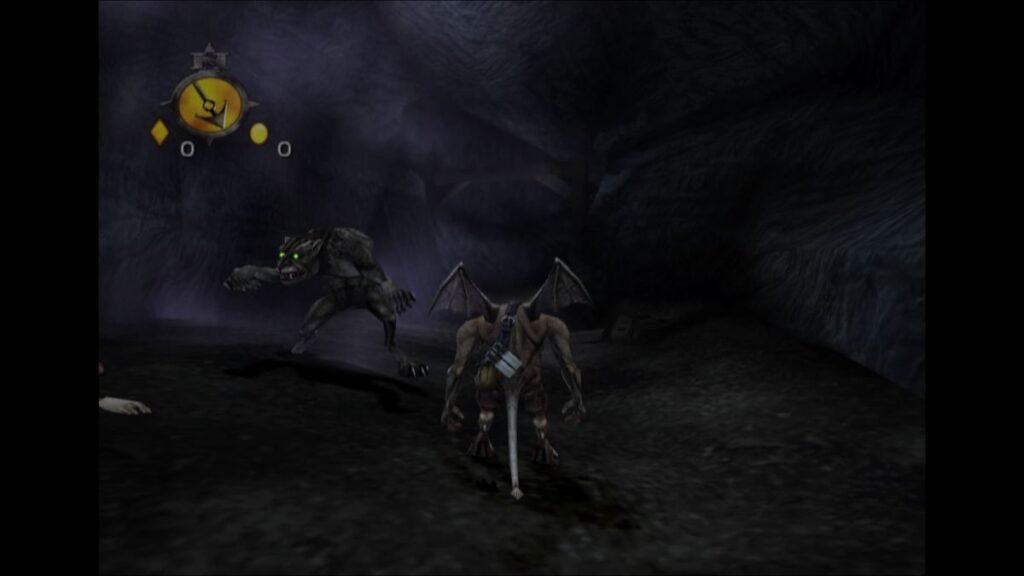
What follows is a journey through four distinct demonic worlds, each with its own race, look, and rules. Solum is a frozen, nocturnal wasteland ruled by the bestial Ferai. Aquis is an underwater industrial-gothic city of the aquatic Undine. Aetha feels like a decaying aristocratic nightmare of the undead Wraith. And Volca burns with the fiery, bird-like Djinn. Every realm feels carefully built, full of atmosphere, history, and little cultural details that make you want to linger even when the path forward is unclear.
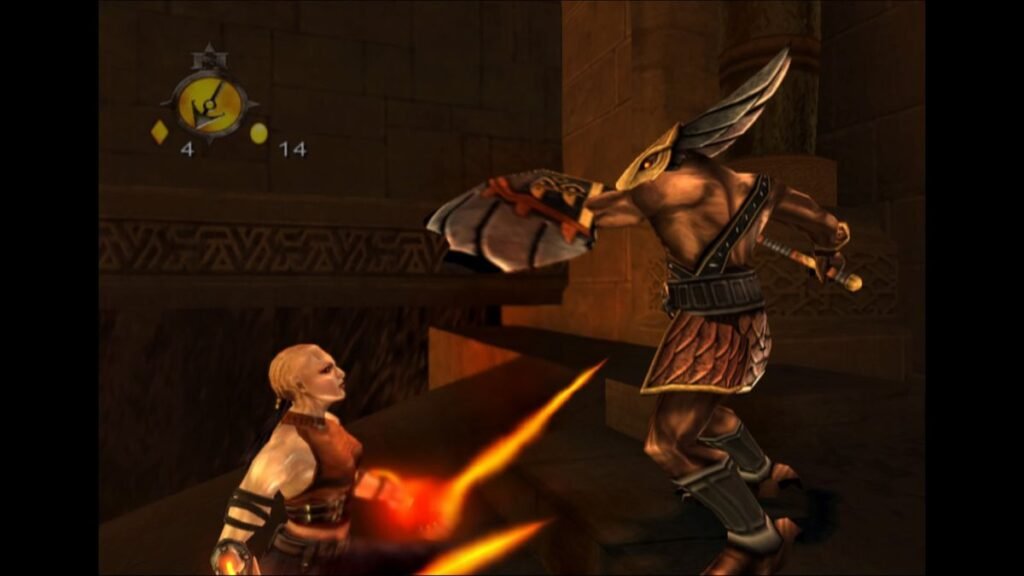
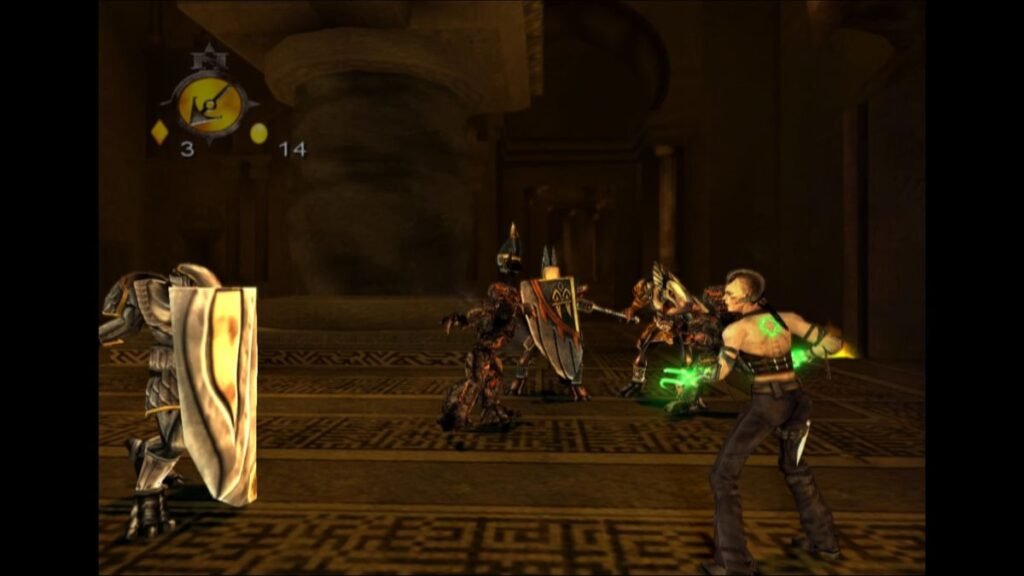
Gameplay splits time between controlling Jen and controlling Scree. You can swap with a button press whenever you like. Jen is the fighter and the one who eventually gains the ability to transform into the four demon aspects. Each form gives her new moves, new attacks, and new ways to solve environmental puzzles. Ferai form is fast and claw-heavy with serious jumping power. Undine form lets her breathe and fight underwater. Wraith form brings time-bending and eerie reach. Djinn form brings fire and a big sword. Scree, meanwhile, is basically invulnerable. He climbs sheer stone walls, slips into statues to possess them, and drains energy from fallen enemies so Jen can heal. The two have to work together constantly. One squeezes through a crack while the other climbs over a wall and opens a door. One distracts while the other sneaks. It’s a partnership that feels more personal than most dual-character setups of the era.
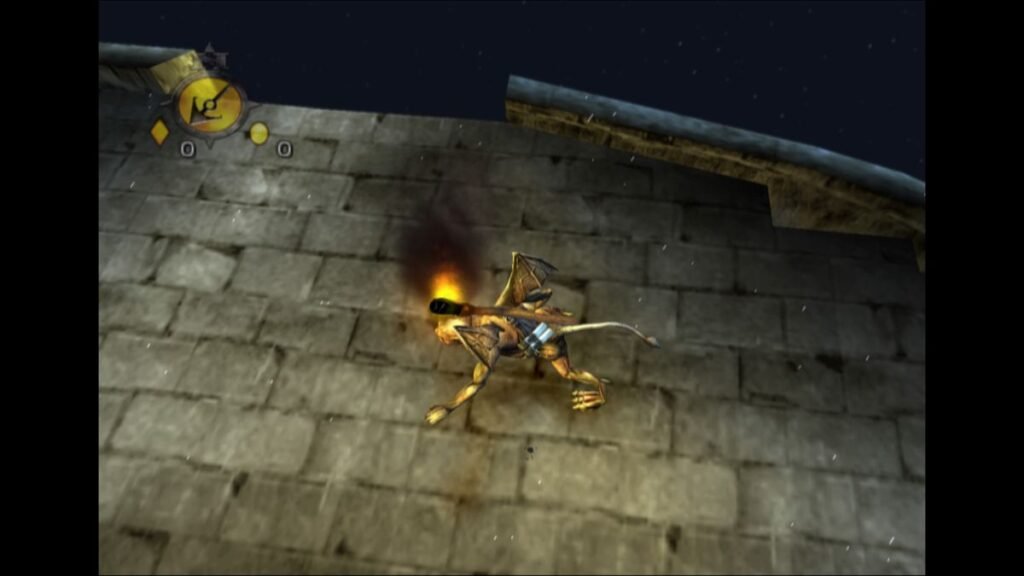
The presentation was the real showpiece. For a 2003 PS2 title, Primal looked and sounded expensive. Character models held up during long real-time cutscenes. Environments were dense and detailed. Lighting and particle effects sold the mood of each realm. Voice acting was a step above most games of the time. Jen (voiced by Hudson Leick) is snarky, stubborn, and gradually more invested in the cosmic stakes. Scree (Andreas Katsulas) is the weary, paternal straight man who has seen centuries of this nonsense and still somehow cares. Their banter carries a lot of the quieter moments. The soundtrack mixed orchestral work from the Prague Philharmonic with industrial rock from the band 16 Volt, giving combat a pounding edge while the ambient tracks leaned into pure gothic atmosphere.
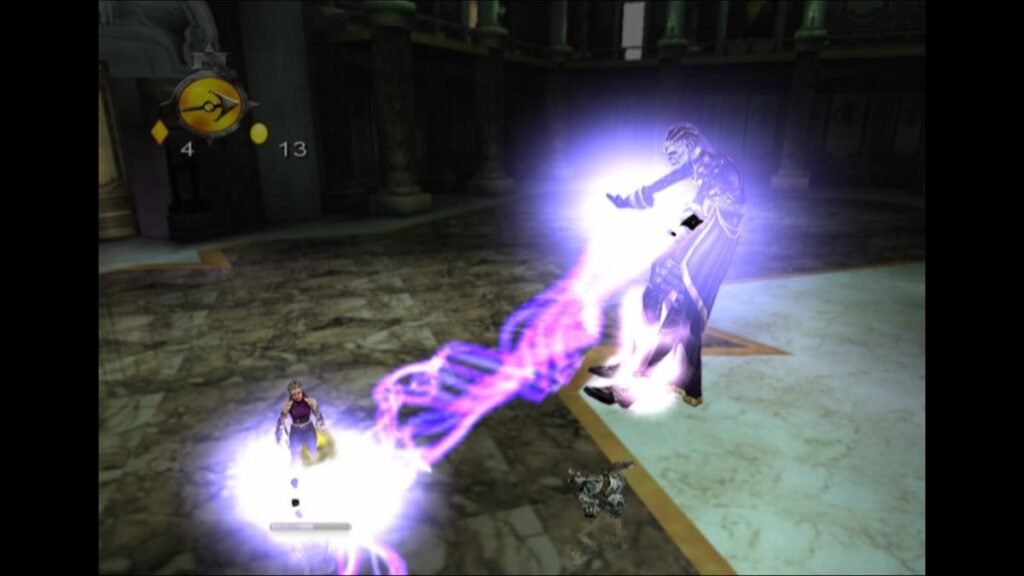
Of course, not everything aged gracefully. Combat is functional but never deep. You lock on, mash the shoulder buttons, block when needed, and wait for the finishing-move prompt. It gets the job done, especially once you have the stronger demon forms, but it rarely feels exciting after the first few hours. Puzzles lean heavily on exploration and backtracking. You’ll spend a lot of time running between locked doors, looking for the right lever or the right statue for Scree to possess. The camera can be awkward in tight spaces, and the overall pace is deliberately slow. Some players found the middle sections dragged. Others simply bounced off the combination of button-mashing fights and “wander until you find the thing” progression.
Critical reception at the time was mixed-to-positive. Graphics, atmosphere, story, and production values got consistent praise. Gameplay mechanics and combat drew more criticism. Metacritic settled in the low-to-mid 70s, which felt fair for a game that aimed high and only partially stuck the landing. Sales apparently never matched Sony’s hopes for a new franchise, and any talk of a sequel quietly disappeared. Yet Primal never completely vanished. It found a second life as a cult favorite, got re-released digitally on PS3 and later on PS4 with trophy support, and still gets fond mentions whenever people talk about stylish, underappreciated PS2 adventures.
What keeps people coming back is the sense of place and the relationship between Jen and Scree. The four realms still feel distinct and alive in a way many bigger-budget games never managed. The slow burn of Jen discovering her demon heritage and growing from reluctant bystander into someone willing to fight for the balance of existence lands better than a lot of “chosen one” stories. And the pure early-2000s aesthetic (heavy makeup, rock-star boyfriend with frosted tips, industrial-goth soundtrack) is now charmingly of its time rather than dated.
If you never played it in 2003, the PS4 version is an easy way to experience it today. Go in knowing the combat is basic and the exploration can be leisurely, and you’ll probably enjoy the ride more. Treat it like a dark fantasy road trip with a mouthy young woman and her stone guardian rather than a pure action game, and the strengths shine brighter. The worlds are still beautiful in that slightly muddy, atmospheric PS2 way. The voice work still holds up. The story still has enough twists and character moments to keep you invested.
Primal was never perfect, and it never became the franchise Sony hoped for. But it remains one of those ambitious mid-tier titles that tried something distinctive and mostly succeeded on pure style and heart. In an era full of safe sequels and licensed games, Cambridge Studio built four weird, memorable realms and filled them with a half-demon waitress and a talking gargoyle who somehow feel like real companions. That alone is worth the trip back to Oblivion.