

Release Date: March 1994 (EU) / May 1994 (NA) Developer: Mythos Games / MicroProse
Get It On: GOG
In the summer of 1994, a game arrived on the DOS platform that would redefine the strategy genre forever. Developed by Mythos Games (led by the visionary Julian Gollop) and MicroProse, UFO: Enemy Unknown—released as X-COM: UFO Defense in North America—wasn’t just a hit; it was a revolution. It combined high-stakes tactical combat, deep economic management, and a thick atmosphere of Cold War-tinged paranoia into a package that remains the gold standard for tactical RPGs over three decades later.

The Gollop Legacy: From Laser Squad to the Stars
Before X-COM, Julian Gollop had already established himself as a master of turn-based tactics with titles like Chaos: The Battle of Wizards and Laser Squad. However, X-COM was a much more ambitious undertaking. Originally pitched as a sequel to Laser Squad, the project evolved into a global simulation of alien invasion after MicroProse—the publisher behind Civilization—pushed for a grander scope.
Gollop’s genius lay in the “dual-layer” gameplay loop. The game split the player’s attention between two distinct but interconnected modes:
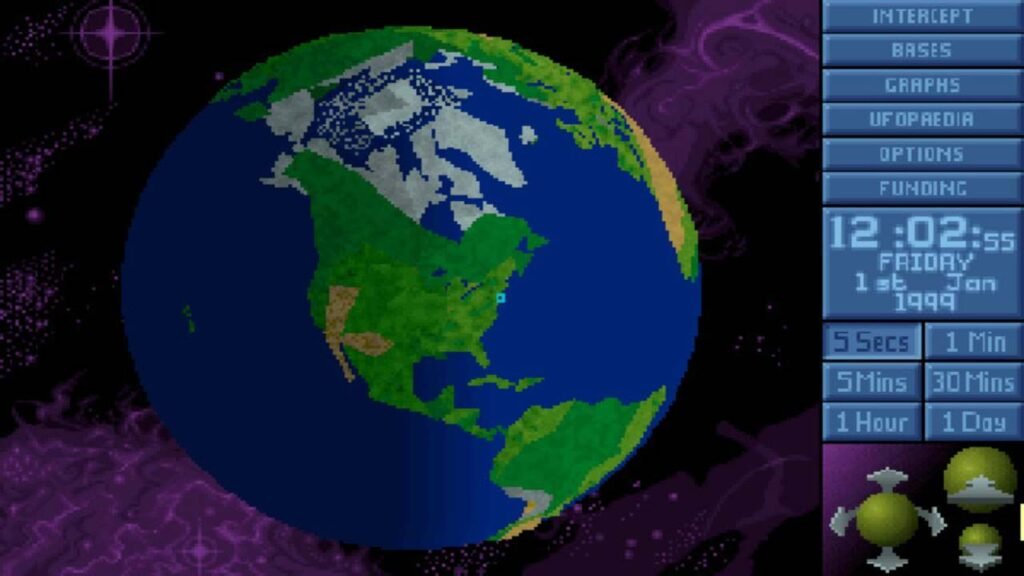
- The Geoscape: A real-time strategic view of Earth where you manage bases, research alien technology, manufacture weapons, and intercept UFOs.
- The Battlescape: A turn-based tactical arena where you lead a squad of soldiers on the ground to clear crash sites, protect cities from terror attacks, and raid alien bases.
The Atmosphere of Dread
What many modern players forget about the original X-COM is how genuinely frightening it was. Unlike the more heroic, cinematic tone of the modern Firaxis reboots, the 1994 original felt like a desperate struggle for survival.
The fog of war was your greatest enemy. Turning a corner in a dark farmhouse only to find a Chryssalid—a nightmare creature that could turn your soldiers into zombies in a single turn—was a traumatic experience for a generation of gamers. The sound design, featuring haunting, minimalist music and the eerie “whoosh” of sliding alien doors, created a sense of oppressive claustrophobia.
Complexity and Consequence
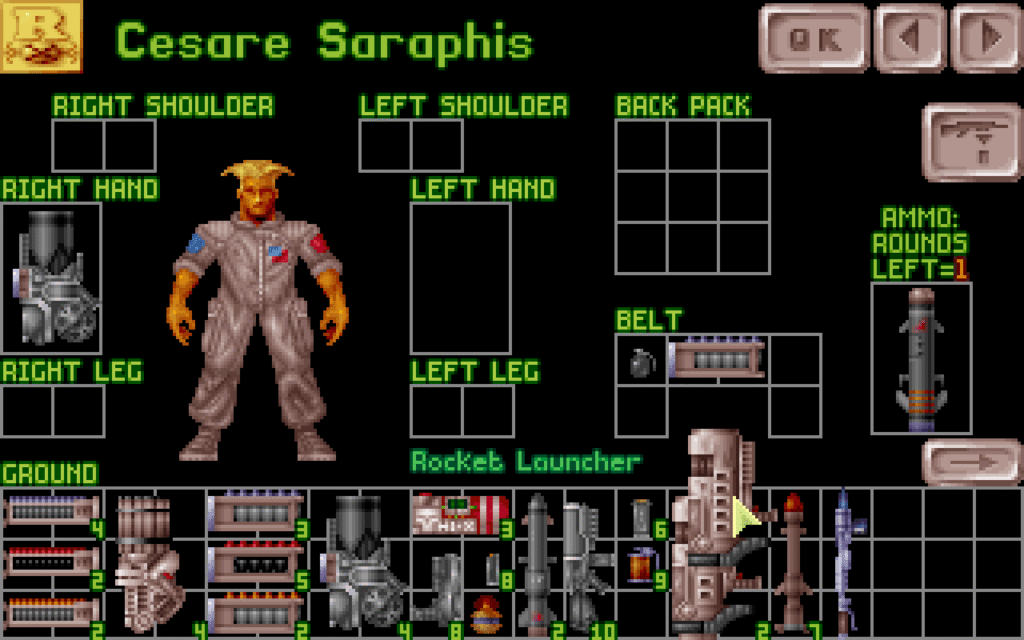
X-COM was unapologetically complex. It featured a Time Unit (TU) system, where every action—moving, turning, kneeling, or firing—consumed a portion of a soldier’s energy. This required meticulous planning. Do you sprint toward cover and risk having no energy left to shoot, or do you move slowly, keeping enough TUs for “overwatch” fire during the alien’s turn?
The game also featured a fully destructible environment. If an alien was hiding in a barn, you didn’t have to find the door; you could simply level the building with high explosives. However, every decision carried weight. Soldiers were not generic units; they had names, stats, and “Bravery” ratings. Watching a veteran soldier—one who had survived twenty missions—panic and gun down their own squad mates because a Sectoid Commander used psionic powers was heartbreaking.
The Economic War
Below the surface of the tactical combat lay a brutal economic simulation. X-COM was funded by a council of nations. If you failed to protect a specific region, that nation would reduce its funding or, worse, sign a secret pact with the aliens and defect entirely.
This created a “doom clock” long before the mechanic was codified in modern games. You were constantly balancing the need for better armor against the need for more scientists, or deciding whether to sell salvaged alien “Elerium-115” to make payroll or keep it to fuel your experimental craft.
The Research Tree: Turning the Tide
One of the most satisfying elements of Gollop’s design was the Research and Development system. You began the game with primitive ballistic rifles that barely scratched the paint of a UFO. By capturing live aliens and autopsying their corpses, you slowly unlocked the secrets of plasma weaponry, power suits, and eventually, the “Cydonia or Bust” mission to Mars.
This sense of technological progression—starting as the underdog and slowly becoming the predator—is what made the campaigns feel earned.
Lasting Influence
The DNA of X-COM: UFO Defense can be found everywhere in modern gaming. While the series lay dormant for years after several lackluster sequels, its “True North” was rediscovered by Firaxis in 2012. However, the original’s influence extends beyond its own name. Games like Fire Emblem, Phoenix Point (Gollop’s own spiritual successor), and even Terra Invicta owe their existence to the foundations laid in 1994.
Julian Gollop didn’t just make a game about shooting aliens; he created a simulation of a world on the brink. It was a game where your mistakes felt like your own, and your victories felt like you had truly saved the human race from the shadows.