
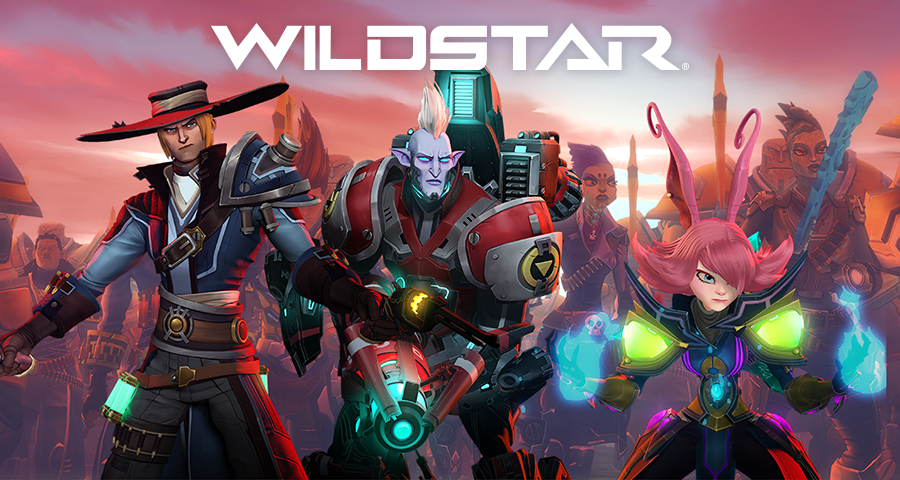

Wildstar, the vibrant sci-fi fantasy MMORPG developed by Carbine Studios and published by NCSoft, burst onto the scene in 2014 with a promise of old-school challenge, unique charm, and a quirky personality all its own. Despite its initial buzz and a dedicated fanbase, the game ultimately shut down its servers in November 2018. Yet, even years later, the desire to revisit the alien world of Nexus remains strong among its former players, leading to ambitious community-driven efforts to bring it back.
Wildstar truly stood out in a crowded MMORPG market, primarily due to several key features:
- Action-Oriented Combat with Telegraphs: Wildstar’s combat was exhilarating. It moved beyond the traditional tab-targeting system, requiring players to actively dodge, aim, and position themselves to avoid “telegraphs” – visual indicators on the ground showing enemy attack zones. This made every encounter feel dynamic and skill-based, demanding player engagement and spatial awareness.
- Unique Art Style and World-Building: Nexus was a feast for the eyes. Its exaggerated, vibrant, and cartoonish art style gave Wildstar a distinct personality, differentiating it from the more grim-and-gritty fantasy MMOs of the time. The lore was rich with humor, quirky characters, and fascinating alien races, creating a truly memorable universe.
- Player Housing Done Right: Wildstar’s housing system was arguably one of the best ever seen in an MMO. Players could customize their floating sky plots with an incredible array of decorations, functional items, and even mini-games. It wasn’t just cosmetic; plots offered crafting stations, resource nodes, and portals, making them a central hub for player activity and a creative outlet.
- Challenging End-Game Content: For players craving a true challenge, Wildstar delivered. Its dungeons and raids were notoriously difficult, requiring precise coordination, perfect execution, and a deep understanding of mechanics. This focus on “hardcore” raiding appealed to a segment of the MMORPG community that felt underserved by more casual-friendly games.
- Path System: Beyond traditional classes, Wildstar introduced a “Path” system (Explorer, Soldier, Scientist, Settler) that offered unique quests and activities tailored to different playstyles, adding another layer of depth and replayability.
Despite its strengths, Wildstar faced an uphill battle that ultimately led to its demise:
- Subscription Model in a F2P World: Launching with a mandatory subscription fee in an era dominated by free-to-play (F2P) MMORPGs proved to be a significant barrier to entry and retention. While the game eventually transitioned to F2P, it was arguably too late to reverse the initial decline.
- High Difficulty and Niche Appeal: While the challenging content was a draw for some, it alienated a larger portion of the casual MMORPG audience. The steep learning curve and unforgiving nature of its end-game content could be frustrating, leading many players to abandon the game before reaching its true potential.
- Lack of Content Pace and Polish: After the initial launch, Carbine Studios struggled to release new content at a pace that could keep players engaged. Patches often felt slow, and some updates introduced new bugs or balance issues, eroding player trust.
- Marketing and Identity Crisis: Wildstar’s marketing often struggled to define its target audience. Was it a lighthearted sci-fi romp or a hardcore raiding experience? This mixed messaging may have confused potential players and diluted its appeal.
- MMO Saturation: The MMORPG market in the mid-2010s was incredibly competitive, with established giants like World of Warcraft and Final Fantasy XIV, alongside numerous new contenders. Wildstar struggled to carve out a large enough persistent player base to sustain its operations.
- Developer Layoffs and Studio Closure: Ultimately, Carbine Studios faced significant layoffs over its lifespan, signaling financial troubles and impacting development morale and capability. The studio itself was eventually shut down, taking Wildstar with it.
While the official servers are long gone, the passionate community has refused to let Wildstar die. Dedicated fans have been tirelessly working on reverse-engineering the game to create private servers, allowing players to experience Nexus once more. These projects are ambitious and vary in their current stage of development, but they represent the enduring love for Carbine’s unique creation.
Check out some prominent Wildstar private server projects currently in development. Keep in mind that development can be slow, and the stability and completeness of these servers will vary:
- Nexus Forever
- Description: Arguably the most well-known and active Wildstar private server project, Nexus Forever aims to faithfully recreate the Wildstar experience. They have made significant progress over the years in getting various systems, zones, and content working. Their ultimate goal is a fully playable, stable server.
- Discord Link: https://discord.gg/nexusforever
- Wildstar Reborn
- Description: Another community-driven effort to resurrect Wildstar. While details on their specific progress can sometimes be harder to track compared to Nexus Forever, they are part of the broader community dedicated to bringing the game back.
- Discord Link: https://discord.gg/t92Dwhr
- Wildstar Classic (Legacy)
- Description: This project often focuses on a “classic” or earlier version of the game, aiming to preserve the experience of Wildstar as it was closer to its launch. This can appeal to players who preferred certain mechanics or versions of content from the game’s early days.
Wildstar was a game that dared to be different. It was loud, proud, challenging, and bursting with personality. While its official run was cut short, its impact on the MMORPG landscape and the hearts of its players is undeniable. The continued efforts of private server communities are a testament to the game’s enduring appeal, ensuring that the cosmic adventure on Nexus isn’t entirely over. For many, the call of “Welcome to Nexus, cupcake!” still echoes.