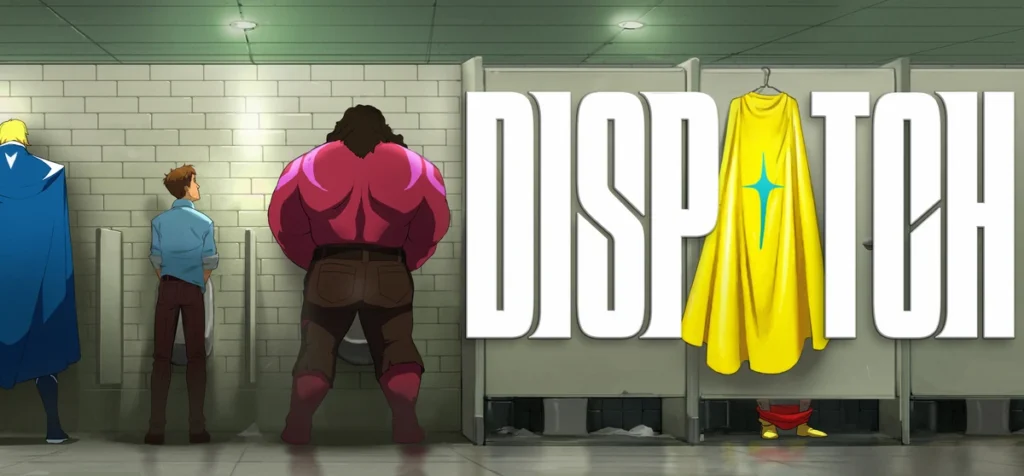

For decades, superhero games have followed a very predictable script: you put on the suit, you punch the bad guy, and you save the day. But what happens after the credits roll? Who has to deal with the insurance claims for the leveled skyscrapers? Who manages the PR nightmare when a hero accidentally vaporizes a landmark? Dispatch, the debut title from AdHoc Studio, finally answers those questions. It turns the camera away from the battlefield and focuses on the most dangerous place in the world: the Superhero Dispatch Network (SDN) office. It’s a game about management, rehabilitation, and the sheer absurdity of being a “normie” in a world of gods.
The Rise of the Reluctant Manager
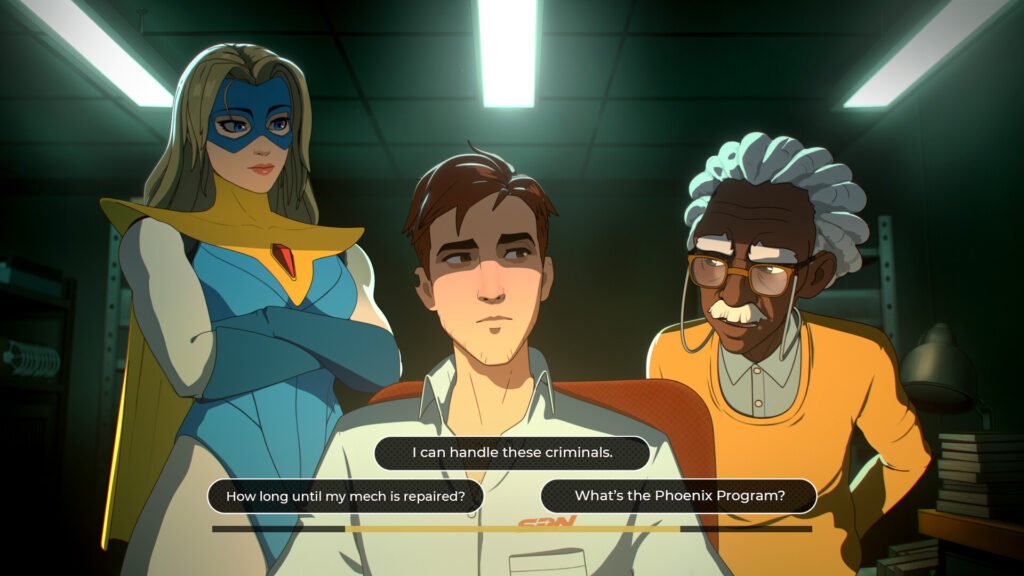
The story centers on Robert Robertson III, voiced by the legendary Aaron Paul. Robert isn’t just some guy; he was formerly the legendary hero Mecha Man. However, after his iconic suit is blown to smithereens in a showdown with his nemesis, Shroud (voiced by Matthew Mercer), Robert finds himself out of a job and out of luck. To get the funding needed to rebuild his mech and get his revenge, he takes a desk job at the SDN.
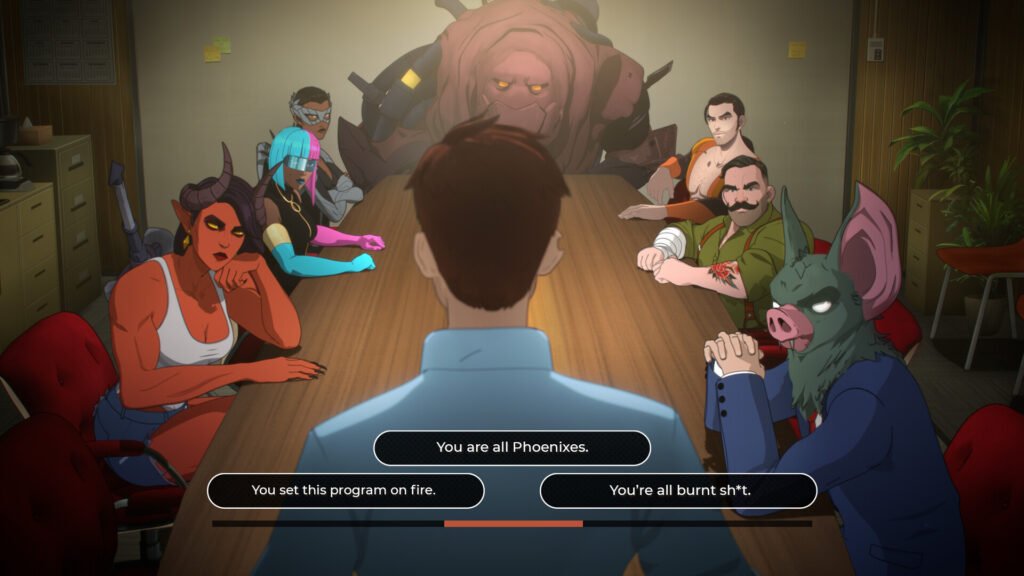
Instead of leading the charge, he’s now the “guy in the chair.” His task? Managing the Z-Team, a ragtag group of ex-supervillains who are part of the “Phoenix Program”—a rehabilitation initiative designed to turn bad guys into usable (and profitable) heroes. It’s a brilliant setup for a narrative-driven comedy that explores what happens when your “coworkers” used to be the people you were trying to throw in jail.
A Masterclass in Voice Acting and Banter
Because AdHoc Studio was founded by Telltale Games veterans, you know the writing is going to be top-tier. The game feels like a high-budget animated series brought to life, and the voice cast is absolutely stacked. Alongside Aaron Paul and Matthew Mercer, you’ve got industry heavyweights like Laura Bailey as the snarky, invisible thief Invisigal, and Jeffrey Wright as Chase, a retired speedster who aged 50 times faster than normal and now looks 80 despite being in his 30s.
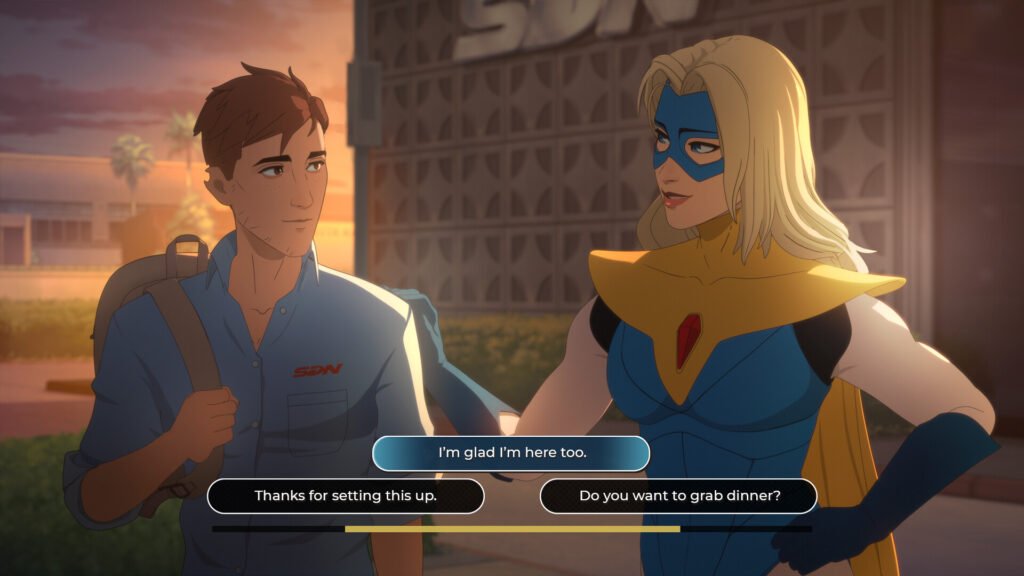
The interpersonal dynamics are the heartbeat of the game. The “Z-Team” is a disaster zone of egos and neuroses. You’re constantly mediating between characters like Blonde Blazer and the abrasive Invisigal, all while trying to keep your own ego in check. The dialogue trees are sharp, funny, and genuinely impactful. Whether you’re flirting in the breakroom or making life-or-death tactical calls, the way you talk to these “heroes” determines if they’ll actually follow your orders or just ignore you to go get a taco.
Triage, Strategy, and Technical Gags
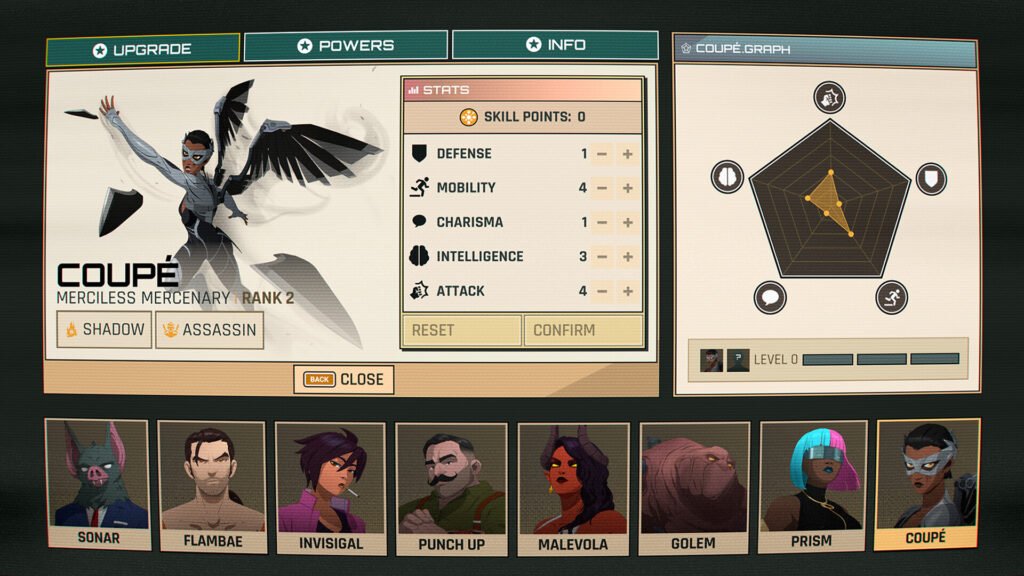
While the story is the main draw, the gameplay mechanics offer a surprisingly deep strategic layer. From your desk, you monitor a map of Los Angeles, where various “emergencies” pop up in real-time. You have to decide which hero to send based on their specific stats and quirks. Sending a fire-based hero to a gas leak? Probably a bad idea. Sending a former thief to “secure” a jewelry store? You’re asking for a headache.
You have to manage cooldowns, monitor mood meters, and even engage in hacking mini-games to bypass security systems for your team. It’s a delicate balancing act of resource management and crisis control. The game rewards you for knowing your team’s personalities—sometimes the “wrong” hero is actually the right choice if they have a specific relationship with the victim or the villain involved. It turns the act of dispatching into a high-stakes puzzle where the pieces all have attitudes.
The Lo-Fi Tech Aesthetic
Visually, Dispatch is a treat. It captures an “illustrated realism” style that feels modern yet nostalgic. The office itself is a cluttered mess of retro-tech and superhero memorabilia, creating a lived-in atmosphere that makes the workplace feel real. The contrast between the mundane office supplies and the high-tech holographic maps perfectly encapsulates the game’s theme: the extraordinary made ordinary.
The game is released episodically, mimicking a TV season format. This allows the comedy to land in “bits” and keeps the pacing tight. Each episode feels like a self-contained story that contributes to the larger mystery of who killed Robert’s father and what Shroud is really planning. It’s bingeable gaming at its finest, encouraging you to sit back and enjoy the ride rather than grinding through a 100-hour open world.
Making a Hero Out of Misfits
At its core, Dispatch is a game about second chances. The Z-Team is a collection of people the world has given up on, and as Robert, you have the choice to either treat them as tools for your own revenge or genuinely try to help them rehabilitate. This adds a layer of emotional depth to the comedy. There are moments of genuine sincerity tucked between the jokes, especially as you learn about the “baggage” each character is carrying.
Whether you’re helping Waterboy (voiced by the hilarious Joel Haver) find his confidence or trying to keep the mysterious Prism from reverting to her criminal ways, the game makes you care about these weirdos. It’s a reminder that even in a world of super-powers, the most important thing is still human connection (or super-human connection, as the case may be).