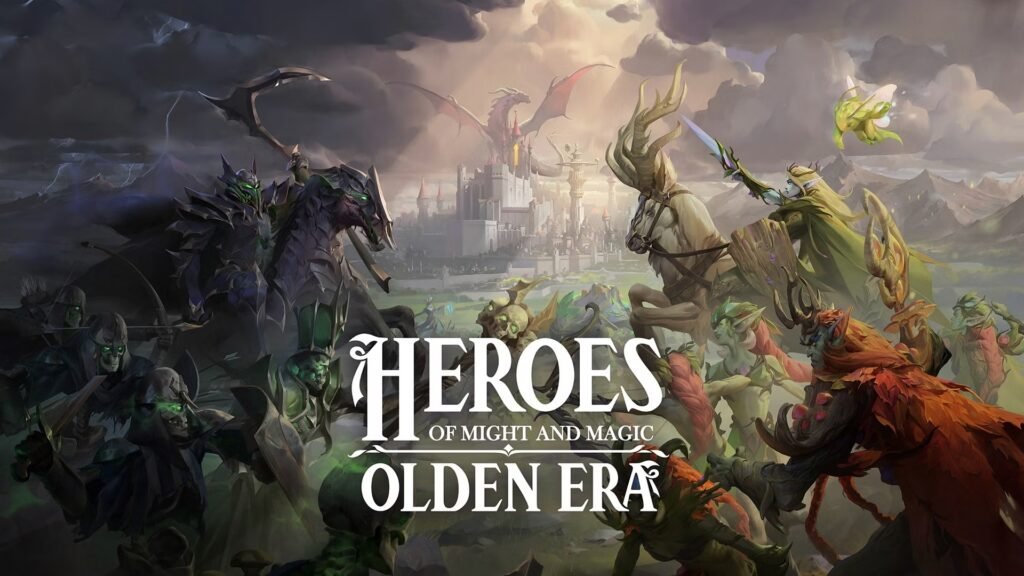

Heroes of Might and Magic is a name that carries a lot of weight for anyone who grew up glued to a CRT monitor, agonizing over whether to spend their precious gold on a Capitol or a batch of Black Dragons. After a decade of silence, the franchise is finally returning to its roots with Heroes of Might and Magic: Olden Era. Developed by Unfrozen—the team behind the tactical hit Iratus: Lord of the Dead—and published by Hooded Horse alongside Ubisoft, this isn’t just another sequel. It is a full-blown prequel that ditches the more recent “Ashan” setting to return us to the legendary world of Enroth. Specifically, we’re heading to the continent of Jadame. While modern fans might not recognize the name, veterans will remember it vividly as the primary setting of Might and Magic VIII: Day of the Destroyer. It’s a land defined by its rugged landscapes and its unique alliance of “monstrous” races, making it the perfect playground for a strategy game that wants to feel both nostalgic and fresh.
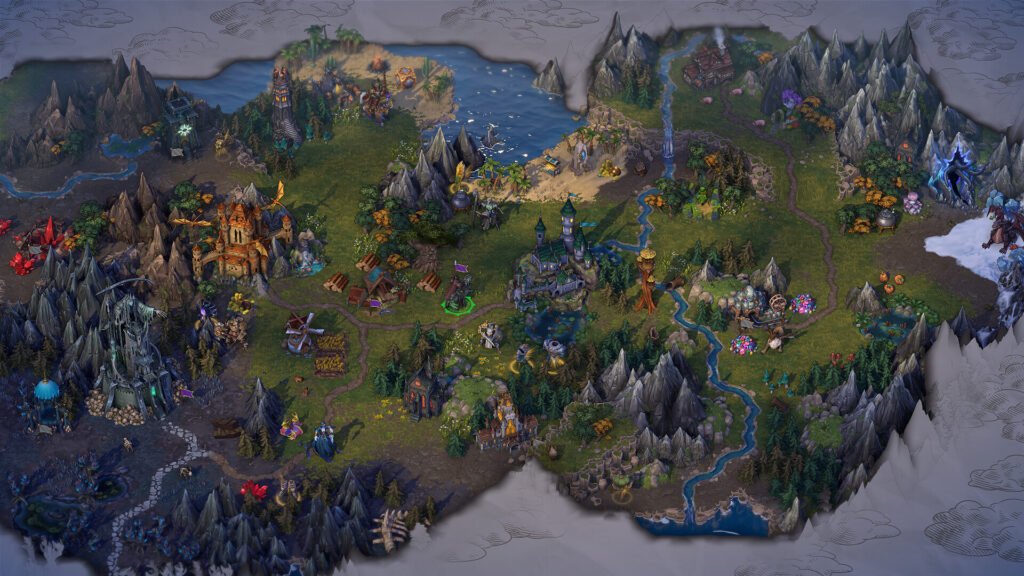
A Trip Back to the Golden Age
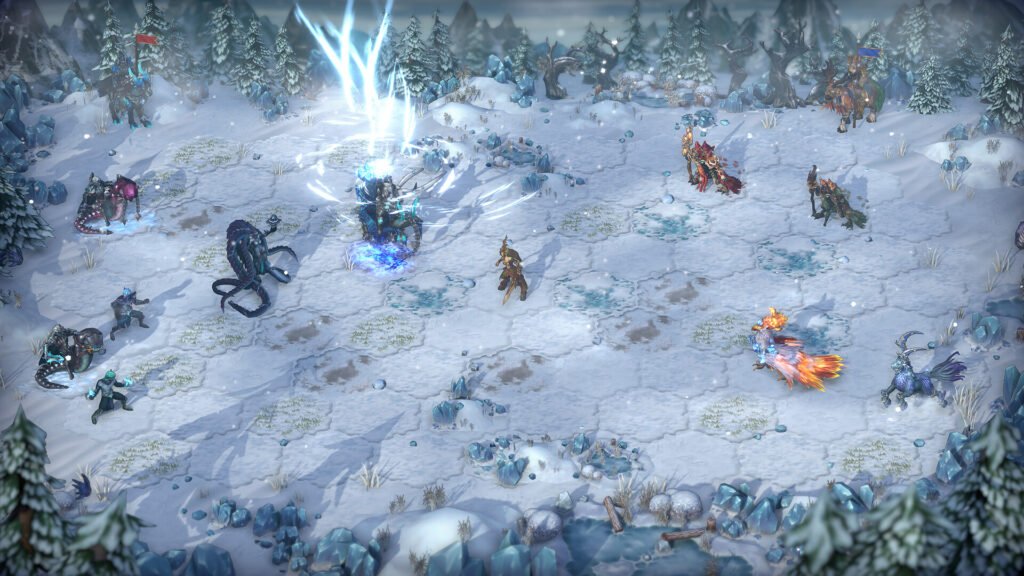
The vibe of Olden Era is very much a love letter to the peak of the series, specifically Heroes III. The developers at Unfrozen have been vocal about being superfans themselves, and it shows in the design choices. We are talking about a return to the classic hexagonal battlefield, a move away from the square grids of the later entries that many veterans found a bit too restrictive. The camera uses an orthographic perspective, giving it that crisp, readable look that makes strategic planning feel intuitive. Visually, the game opts for a vibrant, painterly art style. It’s a far cry from the gritty, over-stylized 3D of the mid-2000s. Instead, it feels like the classic 2D sprites have been given a modern, high-definition soul. The town screens, which are the heart and soul of the franchise, are back in their full glory—vibrant, detailed, and packed with the kind of atmosphere that makes you want to just sit there and listen to the music while your gold reserves tick up.
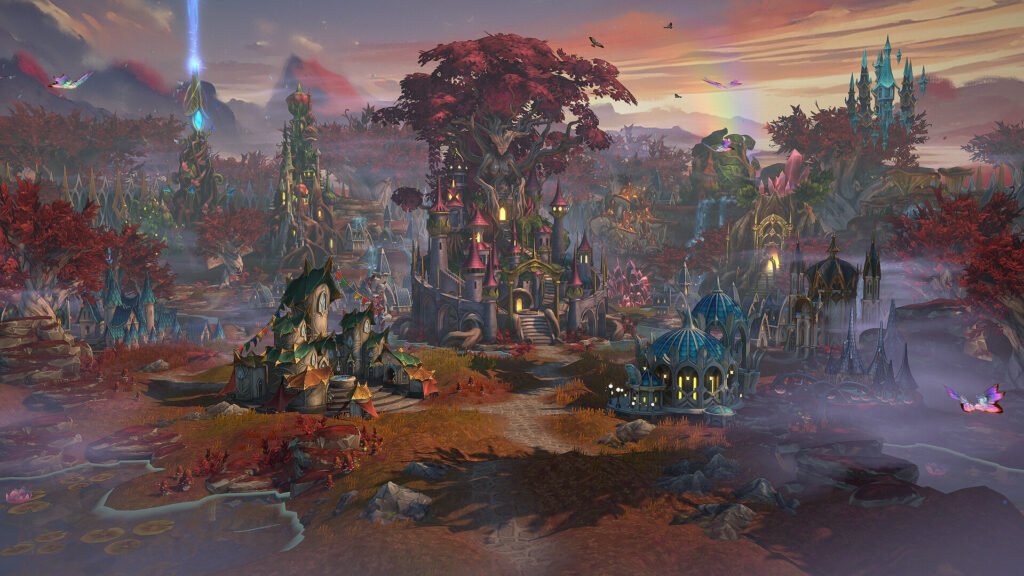
The Factions of Jadame
At the start of its journey, Olden Era is bringing six distinct factions to the table, and the lineup is a mix of comforting classics and some wild new additions. You have the Temple, which is your go-to for noble knights, angels, and high morale. Then there is the Necropolis, because you can’t have a Heroes game without vampires and liches. The Sylvan faction brings the forest to life with elves and fey creatures, while the Dungeon houses the dark elves and the terrifying beasts of the underground. The real curveball is the Hive. These aren’t your typical Inferno demons; they are demonic insectoids, a swarming, apocalyptic threat that serves as the primary antagonist in the game’s non-linear story campaign. The sixth faction, recently revealed as “Schism,” rounds out the roster with its own unique mechanical identity. What’s cool here is the introduction of “Faction Laws.” This is a new system that lets you specialize your kingdom as you play, picking unique perks that can radically change how your faction functions on the map, whether you want to focus on a booming economy or a more aggressive military presence.
Exploring the Adventure Map
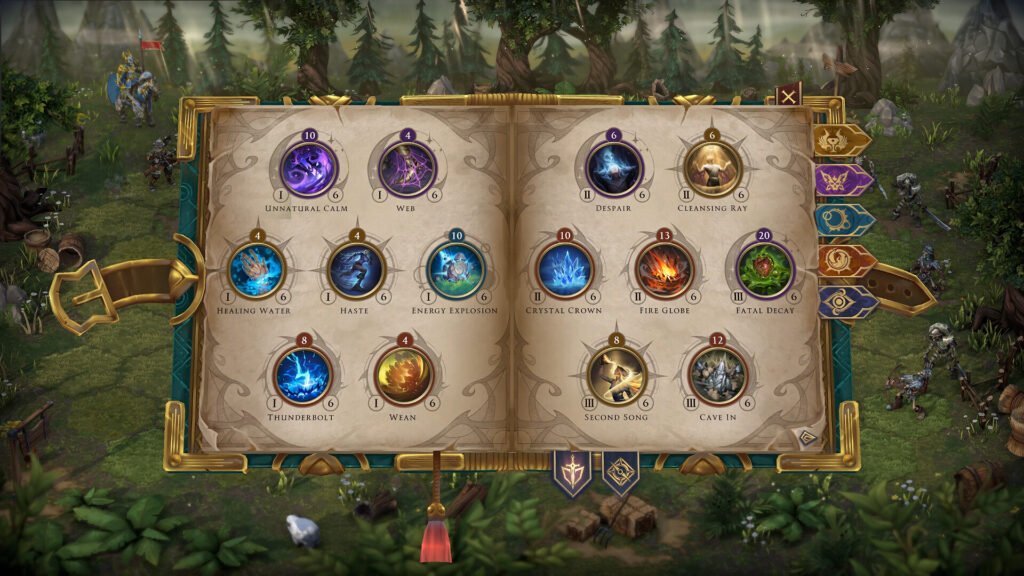
The core loop remains as addictive as ever: you start with a town, hire a hero, and venture into the fog of war. Movement points are your most valuable currency. Every turn is a puzzle—do you detour to grab that pile of wood so you can upgrade your town hall, or do you rush the local gold mine before the enemy hero gets there? The adventure map is packed with landmarks, artifacts, and neutral guards that require careful consideration. One of the big focuses this time around is hero depth. While the game takes heavy inspiration from the past, it adds active abilities for both heroes and creatures. This means tactical combat isn’t just about positioning and stats anymore; you have specific buttons to press that can swing a fight in your favor. Heroes also have more complex skill trees and sub-class systems, allowing you to build a specialized mage, a master tactician, or a scout who can outrun anything on the map.
Ways to Play and Compete
Unfrozen is putting a massive emphasis on how people actually play Heroes today. For the solo players, there is a full narrative campaign where your choices actually matter, leading to different story branches and alliances. If you prefer the infinite replayability of random maps, the game includes a robust random map generator and a full in-game editor so you can craft your own scenarios. On the multiplayer side, they are catering to every speed. You have the “Classic Mode” for the long-haul sessions where you manage multiple heroes and towns. For those who want something faster, there is a “One-Hero Mode,” where you only get one shot—if your hero falls, it’s game over. And for the pure combat junkies, there is the “Arena,” a drafting mode where you build a hero and an army on the fly and jump straight into a tactical showdown. With matchmaking and leaderboards, it’s clear they want to foster a competitive scene that has kept the older games alive for decades.
The Return of the King: Jon Van Caneghem
In a move that sent shockwaves through the community, it was recently announced that Jon Van Caneghem, the original creator of both Might and Magic and the Heroes series, has joined the project as a Creative Advisor. This is a massive deal because it marks the first time in over twenty years—since the days of Heroes IV and New World Computing—that he has been involved in the franchise’s development. Van Caneghem is essentially the father of this entire universe, and his return is a signal that Unfrozen is serious about capturing the “true” DNA of the series. He’s working closely with the team on world-building and game design, ensuring that the new mechanics stay true to the spirit of exploration and strategy that he pioneered back in the 80s and 90s. For many fans, his involvement is the ultimate seal of quality, suggesting that Olden Era isn’t just a tribute, but a legitimate continuation of his original vision.