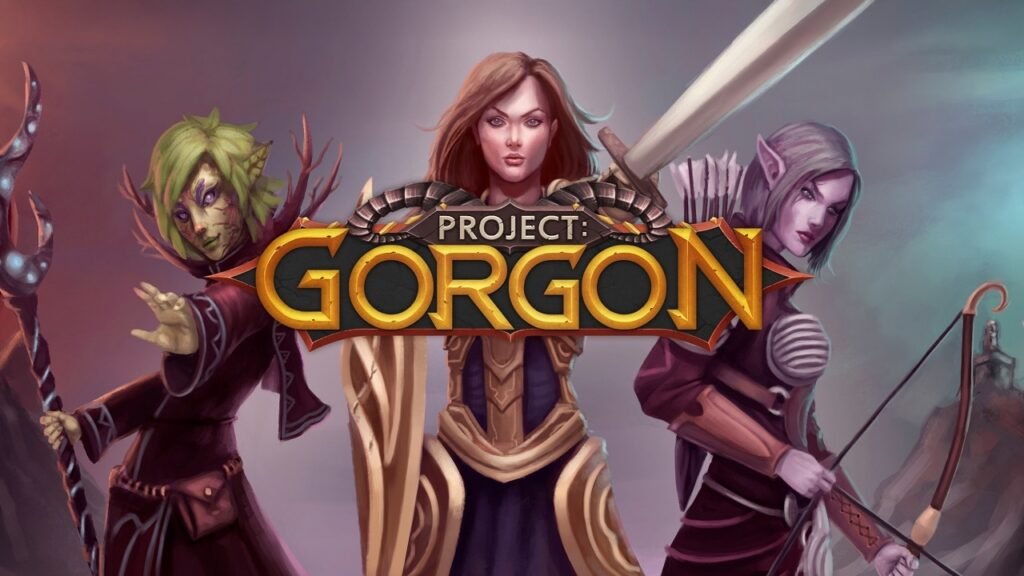

Project: Gorgon is an indie gem that feels like you are back in the early 2000s, but in the best way possible. Developed by a husband-and-wife duo who worked on classics like Asheron’s Call, this game doesn’t care about your feelings or your “quest markers.” It’s all about discovery, experimentation, and occasionally getting turned into a cow.
Forget Everything You Know About Classes
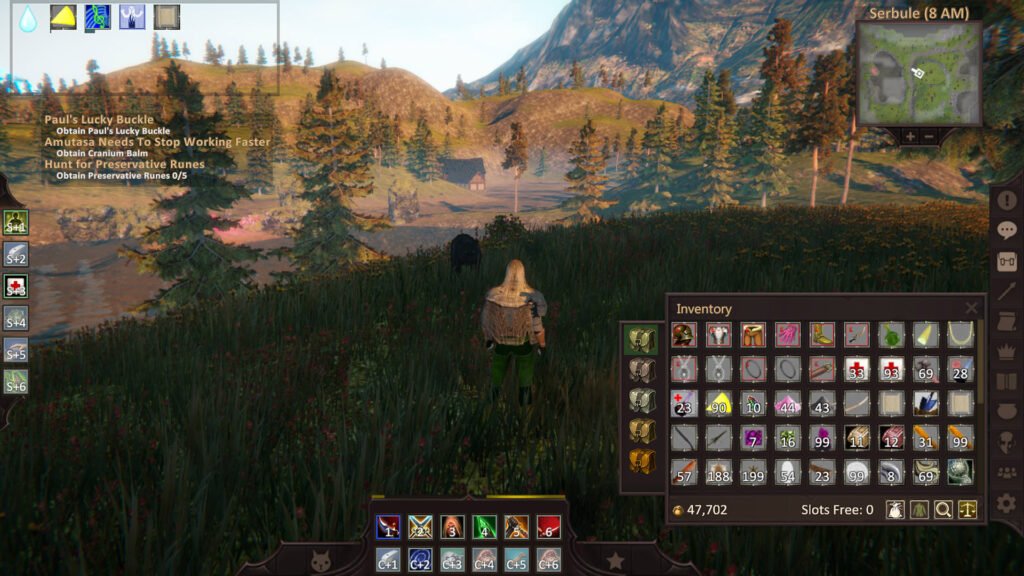
In most games, you pick “Warrior” or “Mage” at the start and that’s your life. In Project: Gorgon, the skill system is a wild, interconnected web. You can be a sword-swinging psychologist or a fire mage who is also a world-class chef. The game lets you level up almost anything. Want to get better at dying? There’s a skill for that. Want to learn how to talk to animals? Go for it. The freedom is honestly a bit overwhelming at first, but once you realize there’s no “wrong” way to build a character, it becomes incredibly addictive.
The Curse of the Bovine
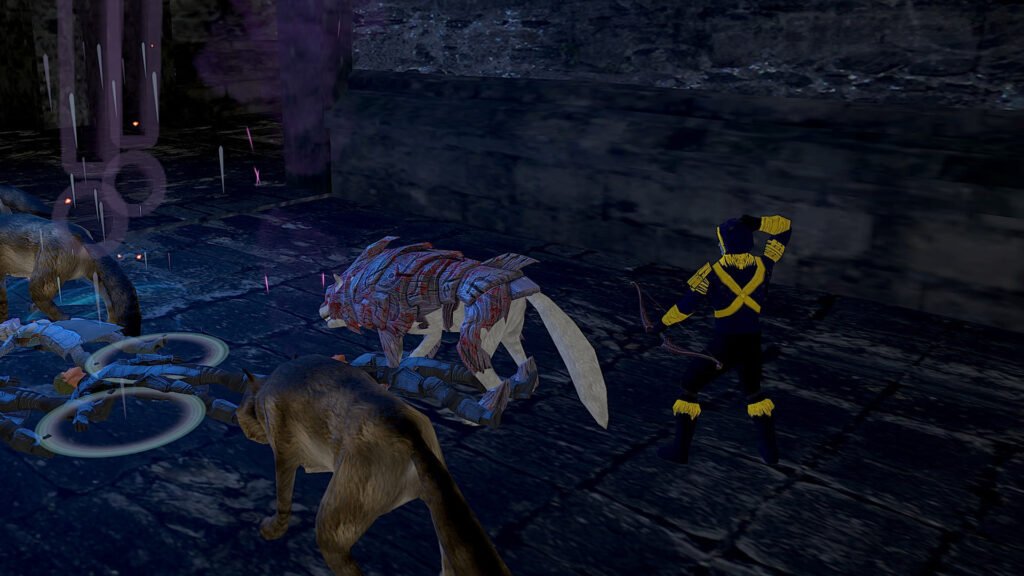
One of the most famous things about this game is the permanent consequences. If you walk into a boss fight unprepared, that boss might not just kill you—they might curse you. Imagine fighting a powerful druid and suddenly your screen flashes and you’re a cow. You stay a cow. You have cow skills. You can graze for grass. Players in the city might milk you. To change back, you have to go on a whole secondary questline to break the spell. This kind of emergent gameplay is what makes the world feel alive and genuinely dangerous.
A Community of Enablers
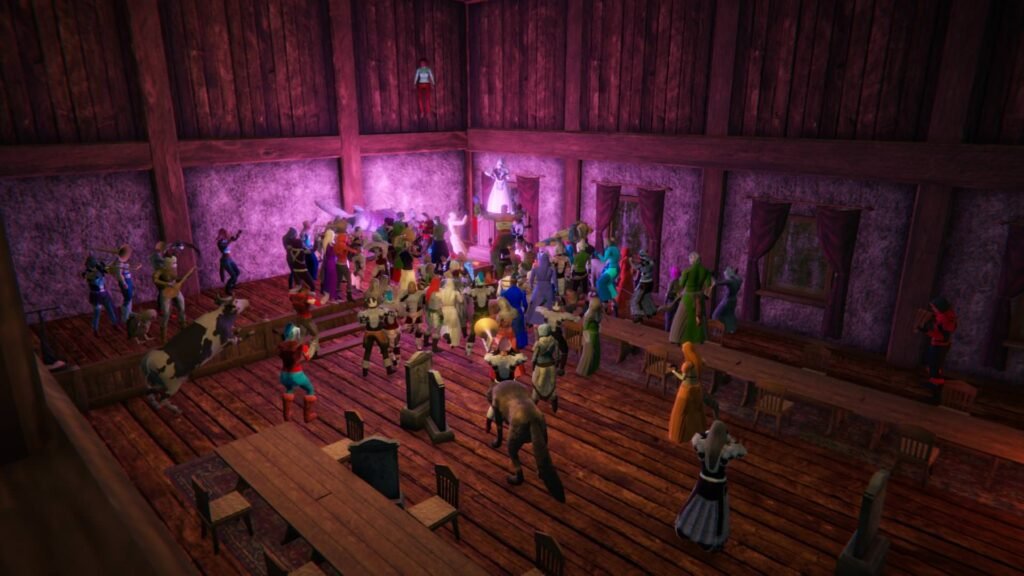
Because the game is so complex and doesn’t explain much, the community is one of the tightest and most helpful groups you’ll ever meet. You’ll see veteran players hanging out in Serbule (the main hub) performing poetry or playing instruments to give buffs to newbies. There’s a heavy emphasis on player interaction, whether it’s through the player-run economy or just figuring out a cryptic puzzle in a dungeon together. It’s not about the “grind to endgame”; it’s about the weird stories you collect along the way.
It’s Not Pretty, But It Has Soul
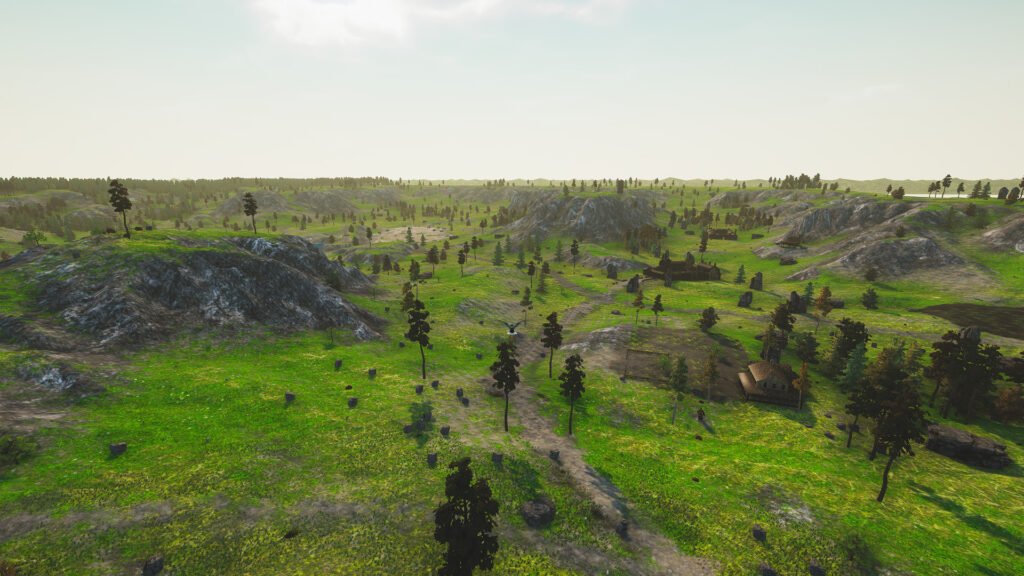
The graphics are pretty dated. It looks like something that crawled out of 2004. But if you can look past the muddy textures and stiff animations, you’ll find a level of mechanical depth that puts AAA titles to shame. It’s a game that respects your intelligence and rewards your curiosity. If you’ve ever missed the feeling of being truly lost in a digital world where anything can happen, you owe it to yourself to give this one a shot.
Entering the 1.0 Era
After nearly eight years in Early Access, the game finally hit its 1.0 official launch on January 28, 2026. This wasn’t just a “label change” either; the devs dropped a massive amount of content. The headline feature is Statehelm, the capital city. It is the largest and most complex map the team has ever built, packed with over 200 new quests and enough storage spots to satisfy even the most hardcore hoarders. This update finally raises the bar for veterans, offering training for combat and crafting skills to level 100 and beyond.
A Fresh Look and a Fresh Start
Along with the new city, the 1.0 update brought a much-needed visual overhaul for player characters. The old models were swapped out for v2 character models, which mean more customization and better performance, even if it means you have to spend a few minutes in the new avatar generator to re-style your look. For those who feel intimidated by joining a world where people have been playing for years, the devs are even opening a fresh start server (or “shard”) to give everyone a level playing field. It’s the perfect time to jump in without feeling like you’re a decade behind the economy.