
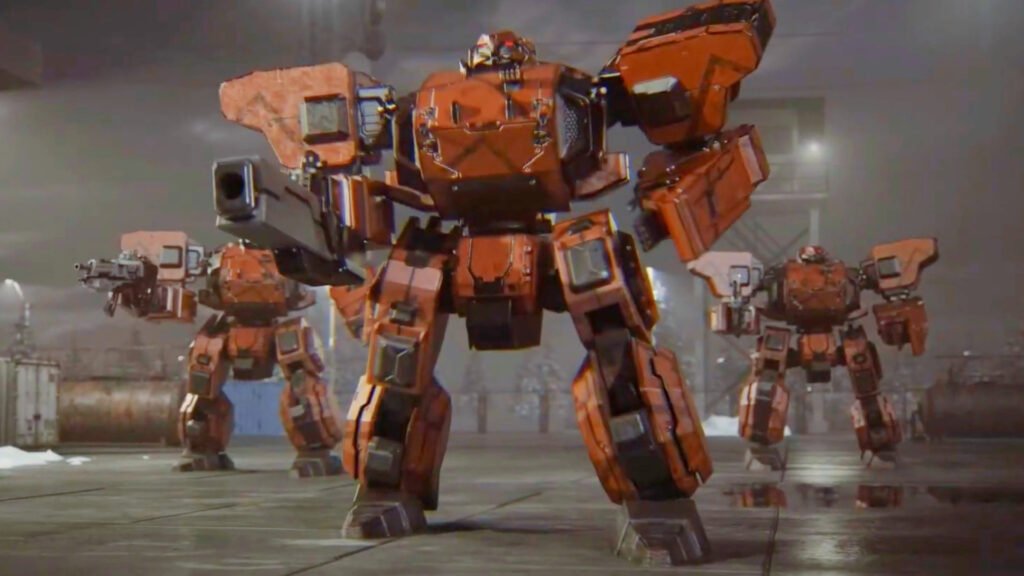

The golden age of the tactical RPG is currently experiencing a massive second wind, and right in the center of that nostalgic storm sits the highly anticipated Front Mission 3: Remake. For those who spent their weekends in the late nineties swapping parts on massive bipedal tanks known as Wanzers, this announcement wasn’t just a bit of news; it was a total system reboot of the soul. Developed originally by Square, the third entry in the series was the one that finally broke through to the West, offering a gritty, politically charged narrative that felt miles away from the high-fantasy crystals and magic of its Final Fantasy cousins. Now, with the remake treatment, we are looking at a polished, modernized version of a game that fundamentally changed how we think about giant robot warfare.
The Dual-Scenario Masterpiece
One of the most legendary aspects of the original game, which the remake preserves with obsessive detail, is the Double Feature Scenario system. Unlike most games that offer a simple branching path near the end, Front Mission 3 hits you with a massive narrative split within the first twenty minutes of gameplay. Depending on a seemingly trivial choice—essentially whether or not you decide to go with your buddy Ryogo to deliver some construction equipment—the entire game shifts. You either end up on the side of the D.H.Z. (Da Han Zhong) or find yourself aligned with the USN (United States of the New Continent).
This isn’t just a minor dialogue change. We are talking about two completely different campaigns, distinct casts of characters, and unique battles that span dozens of hours each. In an era where “replayability” is often just a buzzword for finding hidden collectibles, the remake reminds us that true depth comes from seeing a geopolitical conflict from two opposing sides. It forces the player to realize that in the world of Front Mission, there are no pure heroes, only people caught in the machinery of global power struggles.
The Art of the Wanzer
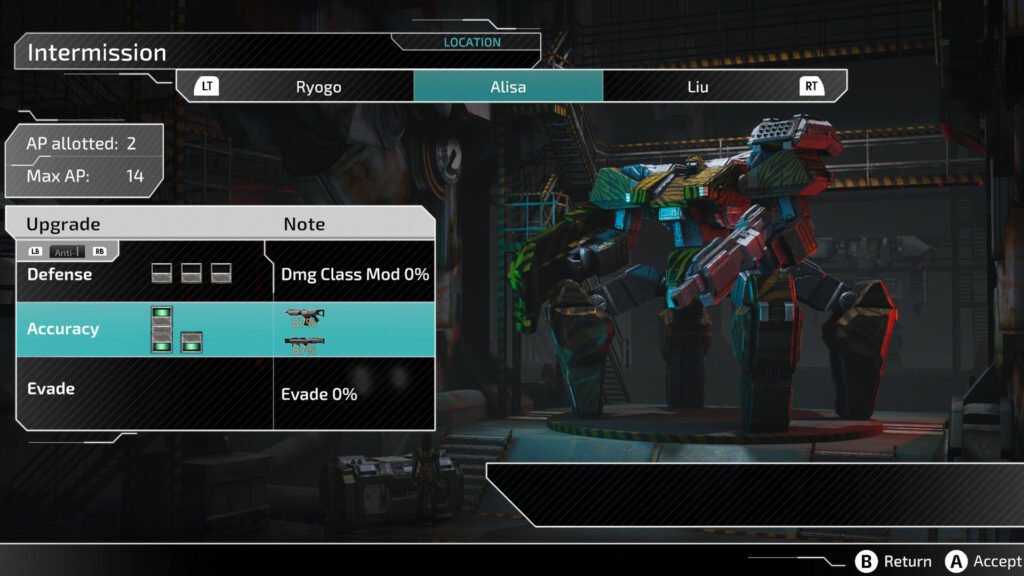
While the story is the hook, the Wanzer Customization is the undeniable heart of the experience. The remake brings these mechanical beasts into the modern era with high-fidelity models that finally do justice to the concept art of Yoshitaka Amano and the gritty industrial designs the series is known for. The core loop remains as addictive as ever: you destroy enemy units, salvage their parts, and iterate on your own designs.
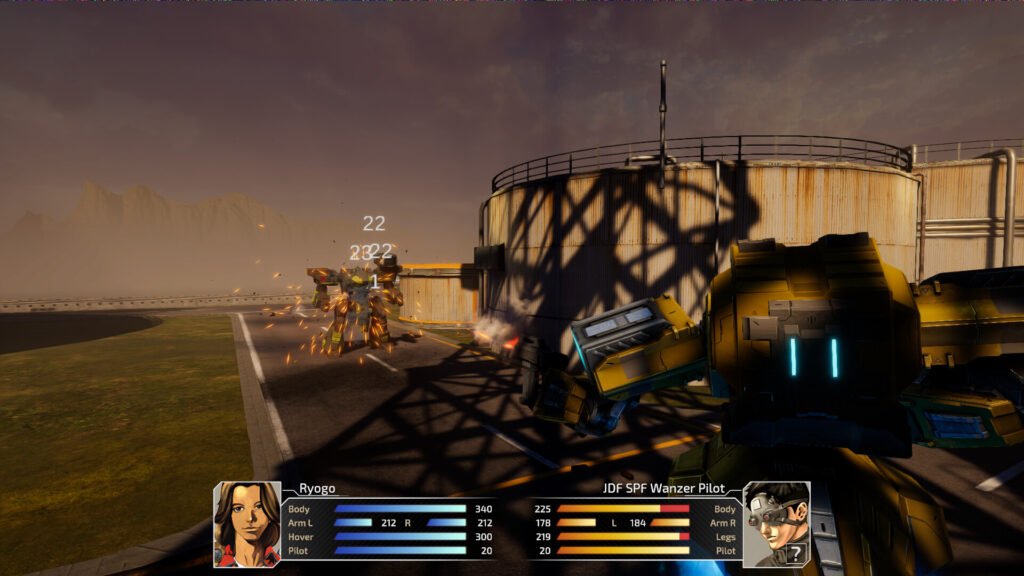
The beauty of the system lies in its granular complexity. You aren’t just picking a “heavy” or “light” class. You are balancing Power Output against weight, choosing specific arms that increase your Accuracy with machine guns or boost your melee damage with pile bunkers. Every part has its own health bar. There is nothing quite as tense—or as satisfying—as seeing an enemy Wanzer’s arm get blown off, rendering their massive railgun useless, or watching your own pilot barely survive because you invested in high-end Leg Parts that allowed for a quick evasion. The remake captures that tactical weight, ensuring that every click in the hangar feels like a meaningful engineering decision.
Modernizing a Classic Interface
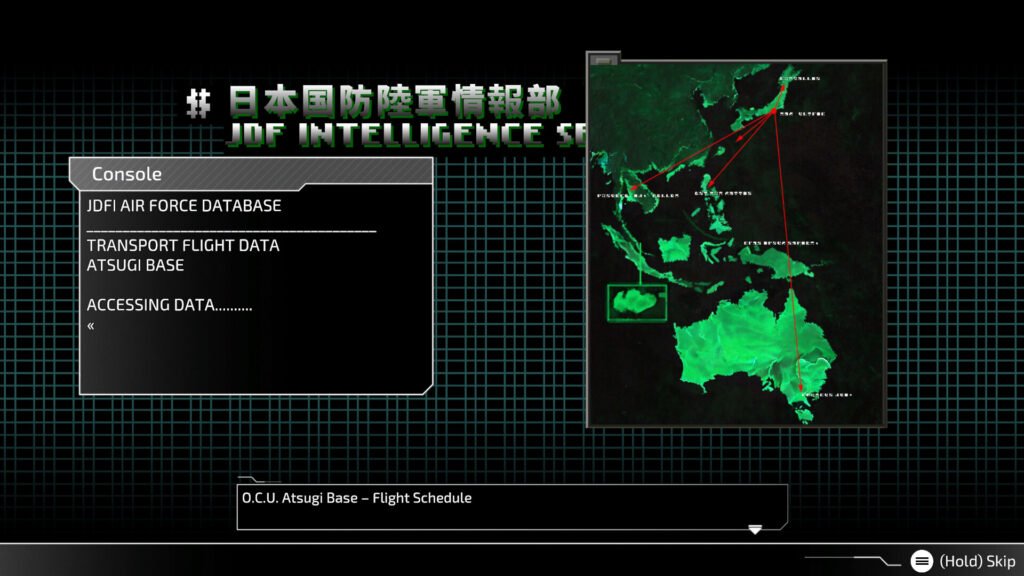
Let’s be honest: the original PlayStation interface was a bit of a slog by today’s standards. Navigating the Internet—the game’s fictional in-world web—was a charming but clunky endeavor. The remake overhaul treats this feature with the respect it deserves while making it significantly more user-friendly. This “pseudo-internet” was way ahead of its time, allowing players to read news reports, receive emails from NPCs, and even hack into corporate databases to find secret Wanzer parts.
The updated UI and UX make these deep dives into world-building much smoother. You can now keep track of the complex political alliances and the sprawling “M.I.D.A.S.” conspiracy without needing a physical notebook by your side. The developers have also tuned the Battle Animations. In the original, you might find yourself turning off the combat cinematics after the hundredth time you saw a machine gun burst. In the remake, the transitions between the tactical grid and the cinematic action are seamless and visceral. Seeing the sparks fly and the hydraulic fluid leak in high definition makes the combat feel much more personal and impactful.
Tactical Depth and Skill Chains
Strategy in Front Mission 3 isn’t just about positioning; it’s about the Skill System. As your pilots gain experience, they learn specific combat maneuvers tied to the parts they are using. The “Skill Chain” mechanic is where the real magic happens. There is a specific kind of dopamine hit that occurs when your pilot triggers a “Zoom” skill, followed by a “ROFUP” (Rate of Fire Up), and finishes with a “Body Smash.”
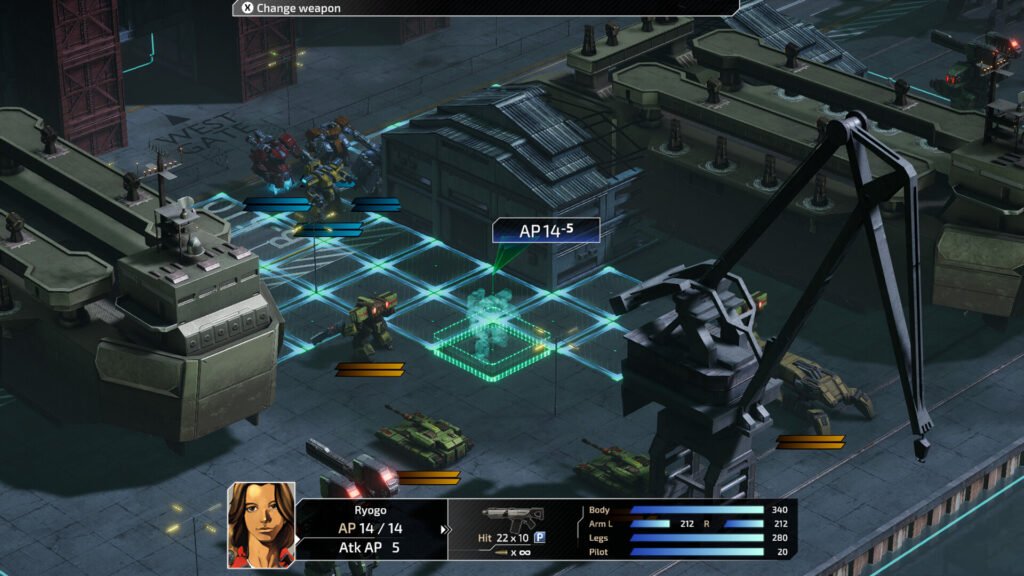
The remake retains this deep tactical layer while balancing some of the more exploitable elements of the original. The A.I. Behavior has been sharpened, meaning the enemy won’t just stand there and let you pick them apart from a distance with long-range missiles. They will flank you, use terrain for cover, and prioritize your weakest units. This makes the Battle Map feel like a lethal game of chess where one wrong move can result in a very expensive repair bill and a permanent loss of morale for your squad.
Why the Remake Matters Now
In a gaming landscape currently dominated by fast-paced shooters and open-world fatigue, the return of a slow-burn, high-intellect title like Front Mission 3: Remake is a breath of fresh air. It represents a time when games weren’t afraid to be political, complicated, and punishing. It’s a celebration of the Mecha Genre that avoids the flashy “super-robot” tropes in favor of something that feels like it could actually happen in a hundred years.
Whether you are a veteran who remembers the exact stats of the Zenith model Wanzer or a newcomer who just likes the idea of customizing giant tanks and taking down corrupt governments, this remake is shaping up to be a definitive tactical experience. It honors the legacy of the 1999 original while stripping away the technical limitations of the past, proving that good design and a compelling story are truly timeless.