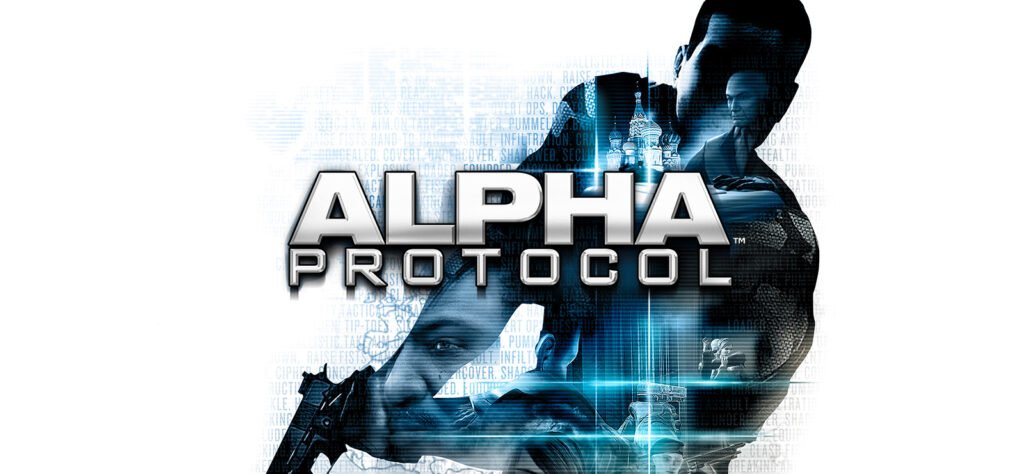

Release Date: June 1, 2010 Developer: Obsidian Entertainment
Get It On: GOG
The Most Influential Game You Never Played
Let’s be honest for a second. If you were around in 2010, you probably heard that Alpha Protocol was a bit of a mess. The critics weren’t exactly kind, the animations looked like they were performed by a man made of stiff cardboard, and the combat was—to put it delicately—an acquired taste. But here is the thing about Obsidian Entertainment: they don’t make “perfect” games. They make games with soul, grit, and more branching paths than a centuries-old oak tree. For years, this Clandestine Action Role-Playing Game was stuck in licensing limbo, delisted from digital storefronts and whispered about in dark corners of the internet like a forbidden spy secret. Now that it has returned to GOG, it is time to talk about why this flawed masterpiece is still, over a decade later, the gold standard for consequences in gaming.
The Art of the Conversation
Most RPGs give you a “good” option, a “bad” option, and maybe a “sarcastic” option if the writers were feeling spicy that day. Alpha Protocol throws that out the window in favor of the dialogue system known as the “Three Ts.” You can play as the suave and professional Bond (JB), the aggressive and unhinged Bauer, or the witty and sarcastic Bourne. But it isn’t just about flavor text. In this game, your personality is a tactical choice. If you act like a jerk to a contact who values professionalism, they might withhold intel that would have made your next mission easier. If you flirt with the wrong person, you might find a sniper rifle pointed at your head three missions later. The game forces you to think on your feet because the dialogue is timed; you don’t have five minutes to contemplate the moral implications of your words. You have to react, and you have to live with the fallout.
A Web of Consequences
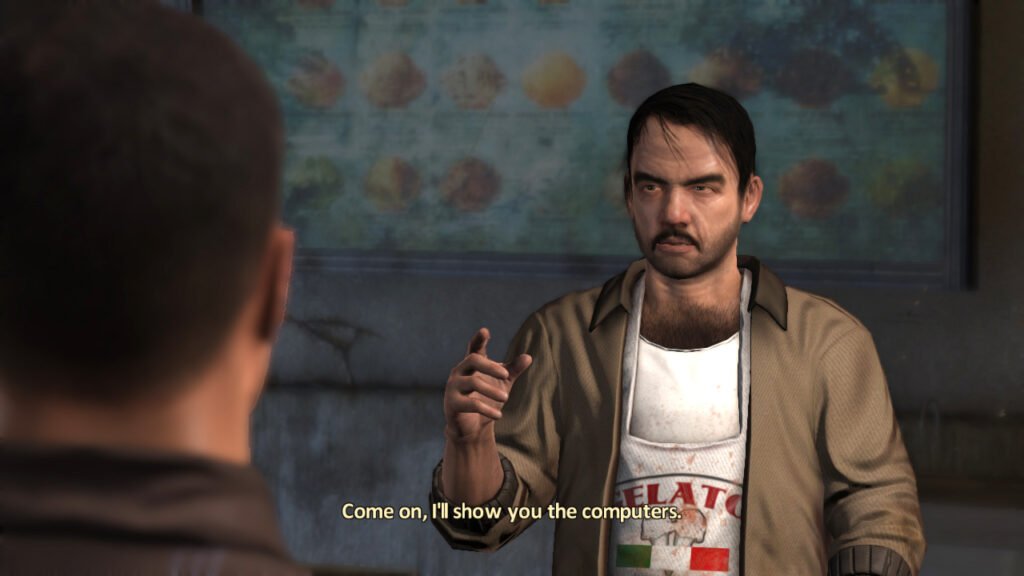
What really sets the story of Michael Thorton apart is how deeply your actions ripple through the world. We often talk about “player choice” in games, but usually, that just means picking a different color for the ending explosion. In Alpha Protocol, the branching narrative is so dense it’s almost terrifying. You might spare a villain early on, only to have them send you an encrypted email halfway through the game providing the codes to a security door. Or perhaps you decide to prioritize one mission over another, inadvertently allowing a terrorist cell to move their base of operations, changing the layout of a future level entirely. The espionage feels real because the world feels reactive. You aren’t just a passenger in a story; you are the one pulling the strings, even when you accidentally trip over them.
Embracing the Jank
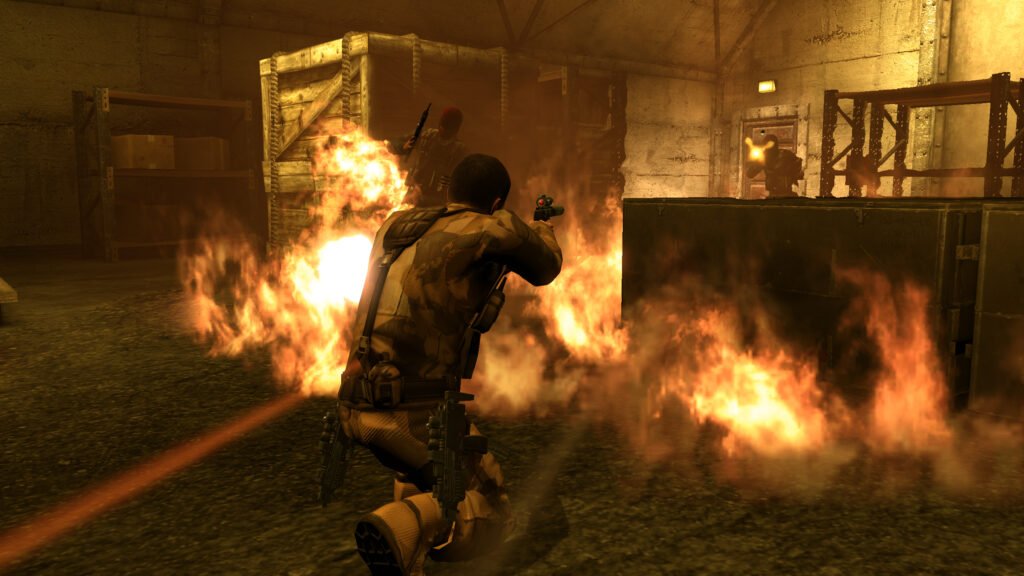
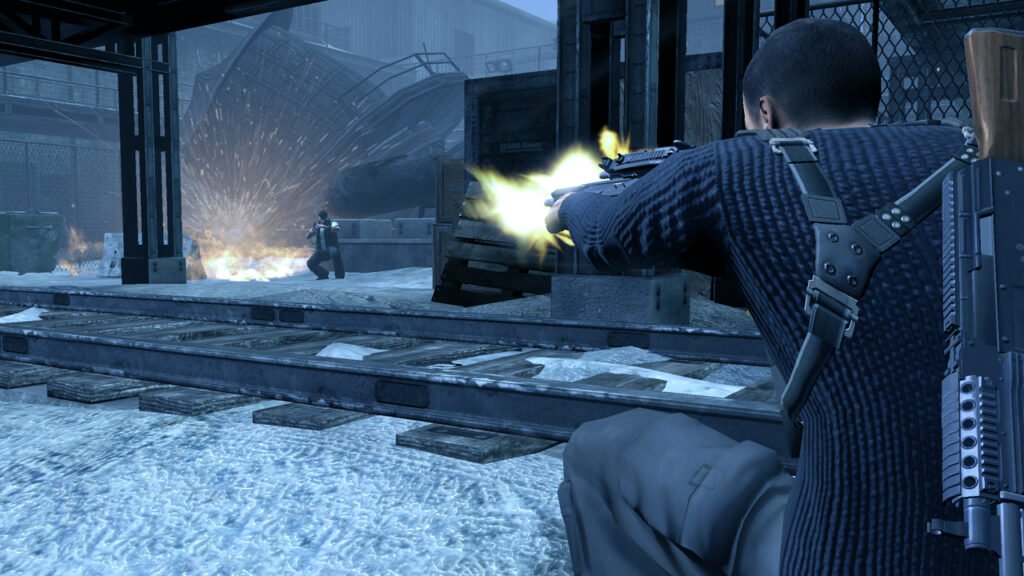
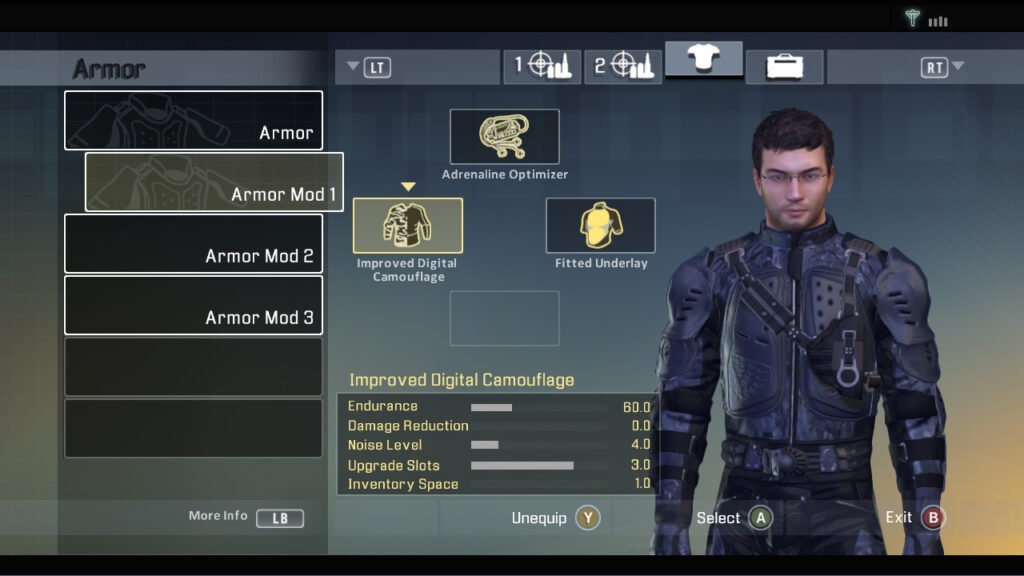
We have to address the elephant in the room: the gameplay. Is the stealth broken? Occasionally. Is the cover system a bit finicky? Absolutely. Does the hacking minigame make you want to throw your mouse out the window? Yes, until you put enough points into your technical skills. But there is a weird, kinetic energy to the way Obsidian Entertainment built this world. Once you lean into the RPG mechanics—treating your stats more like a character sheet and less like a standard third-person shooter—it clicks. When you finally unlock the “Chain Shot” ability and take down four guards in a heartbeat, or when you realize your dossier collection has given you the leverage to blackmail a major political figure, the clunky movement stops mattering. You realize you are playing a game that respects your intelligence and your agency more than almost any big-budget title released in the last fifteen years.
Why the GOG Re-release Matters
For the longest time, Alpha Protocol was a ghost. Due to expired music rights, it vanished from Steam, leaving fans to hoard physical copies or turn to less-than-legal means to play it. Its return to GOG isn’t just a win for preservation; it’s a chance for a new generation to see what a “true” espionage simulator looks like. This version has been polished to run on modern systems, featuring achievements and its original soundtrack, making it the definitive way to experience the rise and fall (and potential rise again) of Michael Thorton. It is a game that demands multiple playthroughs just so you can see how much you missed the first time around. It is weird, it is buggy, and it is brilliant. If you value storytelling over polish, you owe it to yourself to see why we haven’t stopped talking about it since 2010.