
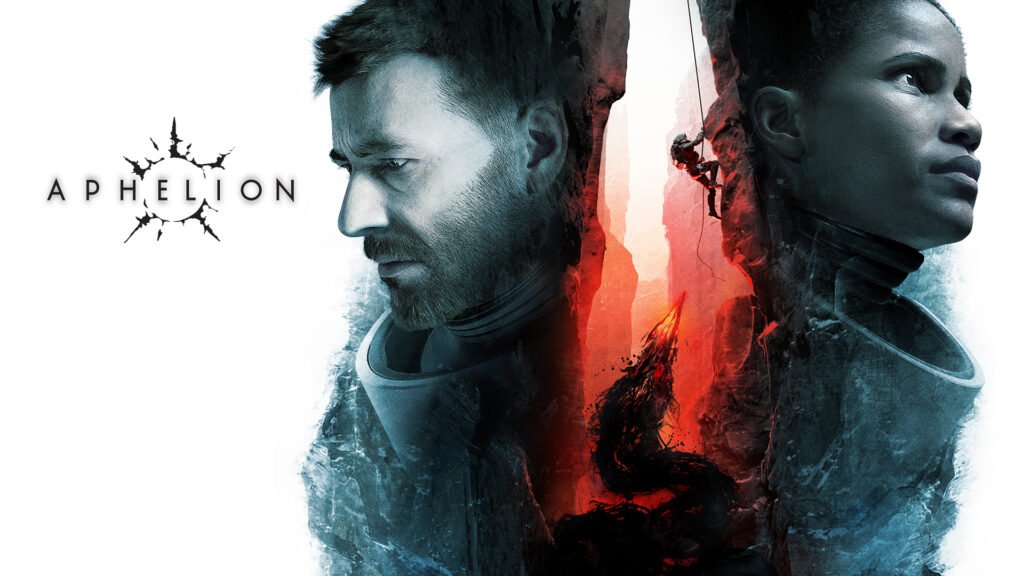

When you think of Don’t Nod, your brain probably jumps straight to intimate coming-of-age stories, emotional choice-driven dialogue, or maybe the occasionally brilliant, stylized climbing experiment. They are masters of the quiet, human moment. So, when they announced Aphelion, a cinematic sci-fi survival adventure developed in actual collaboration with the European Space Agency (ESA), it felt like a bold new frontier. They traded cozy small-town drama for the cold, uncaring void of deep space, promising a hard-science survival tale wrapped inside a terrifying alien mystery.
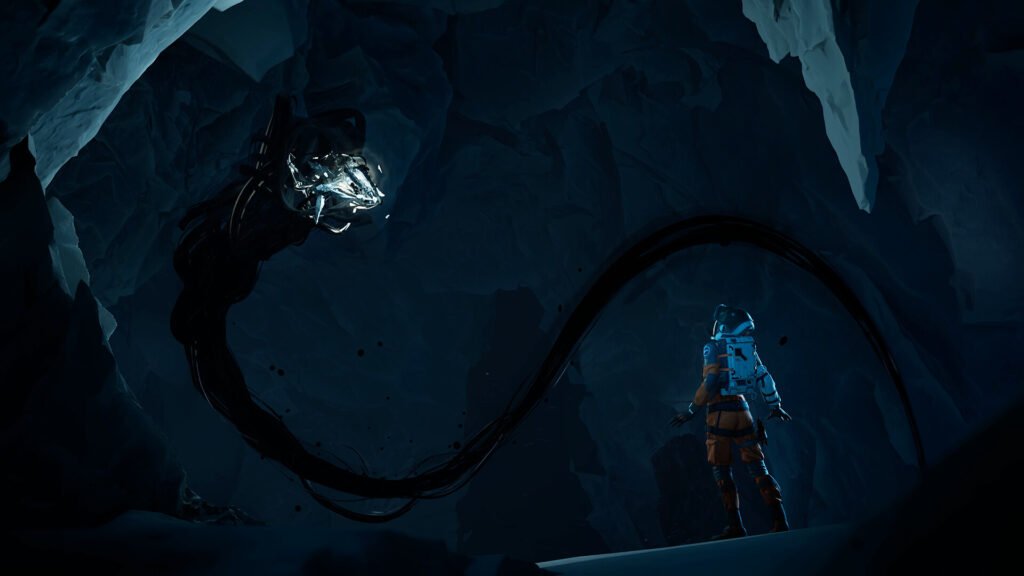
The game drops you into the near future of the 2060s, where Earth is rapidly becoming a dead rock. You follow two ESA astronauts, Ariane and Thomas, sent on a desperate scouting mission to a frozen, uncharted planet named Persephone. Naturally, things go sideways almost instantly, their shuttle crashes, and they find themselves stranded on an icy wasteland while being actively hunted by a terrifying, sound-sensitive collective entity known as the Nemesis. It is an incredible, tense setup that wants to sit comfortably between the cosmic awe of Interstellar and the claustrophobic dread of Alien: Isolation. But while the heart of the game beats with classic Don’t Nod brilliance, the gameplay execution ends up feeling incredibly fragmented.
A Masterclass in Atmosphere and Human Connection
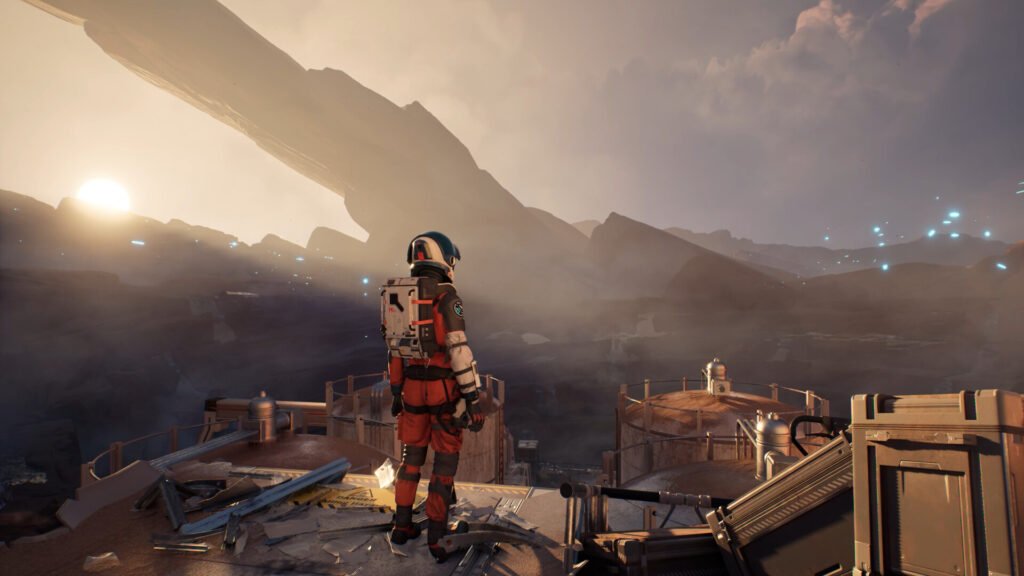
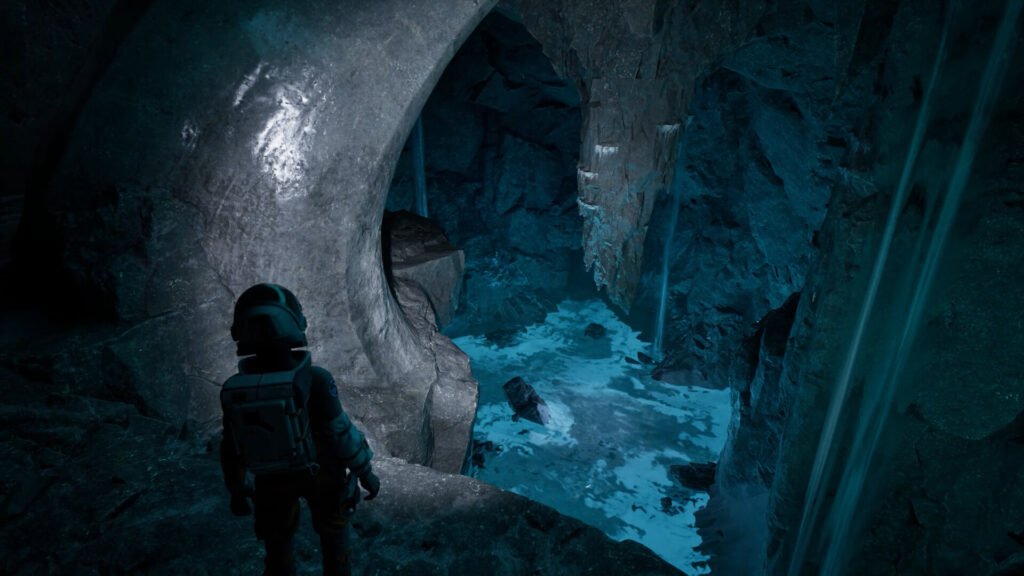
Let us start with what the game gets absolutely right: the mood. Thanks to the ESA partnership, the hard sci-fi aesthetic is spectacular. The character models and those incredibly detailed, bulky spacesuits look phenomenal. Persephone itself is an atmospheric triumph built in Unreal Engine 5, offering vast, lonely alien vistas, crystalline ice canyons, and abandoned research outposts that feel genuinely heavy with melancholy. The striking visual identity is bolstered by a gorgeous, cinematic score by Amine Bouhafa that perfectly captures the isolation of being lightyears from home.
And true to form, Don’t Nod still knows exactly how to write compelling human beings. Ariane and Thomas are the absolute emotional anchor of the experience. Even though they are separated early on due to the crash, their radio interactions, shared panic, and growing bond feel completely earned. The voice acting is stellar, carrying the narrative forward even when the overarching plot—involving a rival faction’s corporate greed and mysterious black goo—starts to lean into fairly predictable sci-fi tropes. The game also deserves major credit for its grounded thematic thesis: it loudly reminds us that there is no magical cosmic escape hatch for humanity, and running away to a spare planet won’t fix our problems on Earth.
Two Characters, Two Very Flawed Playable Styles
Where Aphelion begins to wobble is how it actually feels to play. The campaign splits its short 8-to-12-hour runtime between the two astronauts, offering two completely distinct styles of gameplay that both struggle with execution.
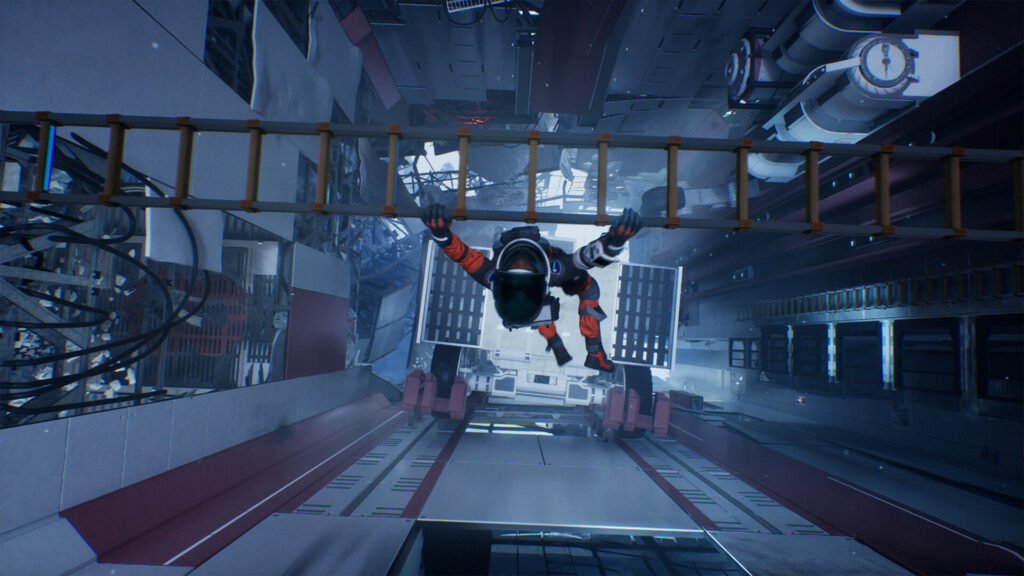
Ariane is the physically capable survivor, and her chapters focus heavily on third-person traversal, grappling, and platforming. If you were hoping for the smooth, expressive mechanics of the studio’s previous climbing titles, you are going to be disappointed. The platforming here feels like a less polished, highly rigid clone of modern cinematic action-adventure games. The jumping feels slow and cumbersome, and the climbing relies on a strict, rhythm-based button-prompt system that feels heavy and unresponsive in the hands. When you accidentally slip down a slope or miss a ledge, it feels less like a personal failure and more like a wrestling match with stiff animations.
Thomas, on the other hand, is badly injured in the crash, meaning his segments throw out the platforming entirely to focus on slow-paced investigation, resource tracking, and oxygen management. While it sounds great on paper to emphasize the sheer physical toll of a hostile world, it frequently devolves into a dreary slog. You spend a lot of time painstakingly shuffling from point A to point B through bluffs and ice storms, managing a frustratingly tight oxygen meter while digging through text logs left behind by dead researchers.
The Misery of Late-Game Stealth
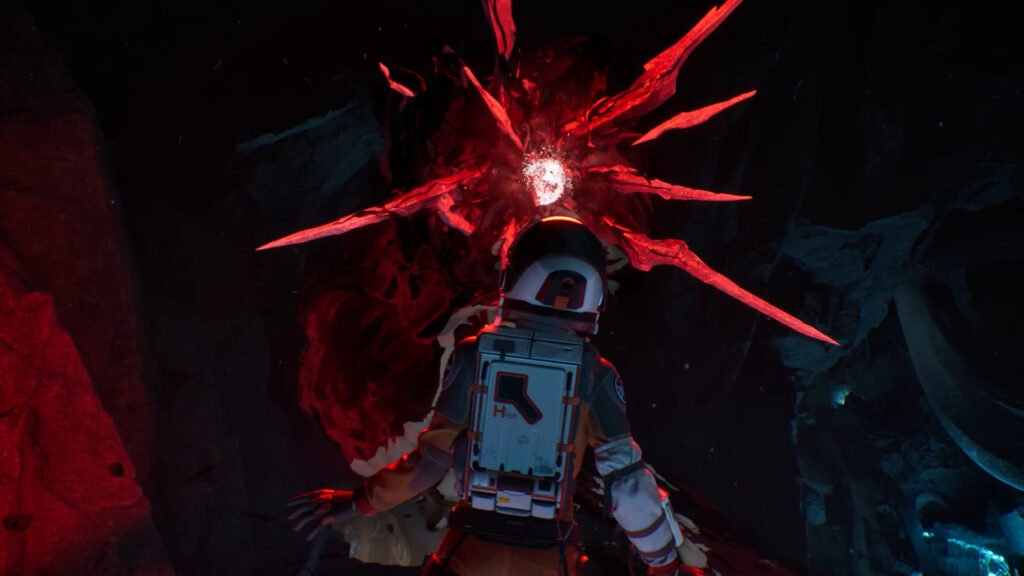
The real kicker, however, is the stealth system. For the first half of the game, the threat of the Nemesis is a lingering, atmospheric background note. But by the time you hit the final few chapters, Aphelion pivots almost entirely into an oppressive, cat-and-mouse stealth game. Because the entity reacts strictly to sound, you are forced to move at a snail’s pace, crouching behind blocks of ice and throwing rocks to distract the creature.
Without deep mechanical systems or polished environmental design to back it up, these sections quickly shift from terrifying to genuinely frustrating. The trial-and-error nature of dodging the creature saps all the momentum right out of the story’s climax, turning what should have been a thrilling, desperate escape into a tedious checklist of survival mechanics.
A Rough Landing Worth Experiencing For Sci-Fi Devotees
Ultimately, Aphelion is a deeply fascinating mix of brilliant artistic vision and baffling mechanical execution. It is a game of immense friction that constantly undercuts its best asset—its narrative pace and character work—with unpolished, outdated gameplay loops. If you are looking for a slick, mechanical rollercoaster, this mission is going to feel like a failure.
But if you are a die-hard sci-fi fan who values rich atmosphere, authentic space exploration design, and a mature story that treats its characters like real people, there is still something incredibly poignant hidden beneath the snow drifts of Persephone. It doesn’t quite reach the stars, but Don’t Nod’s flawed cosmic experiment still leaves a lasting impression long after the credits roll.