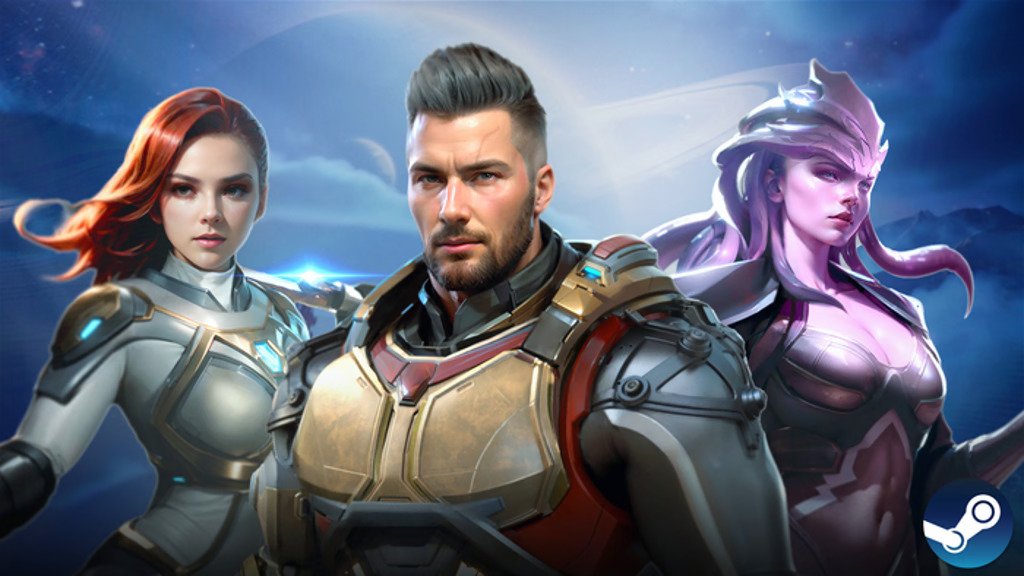

ZeroSpace is the fresh sci-fi RTS that’s got me genuinely pumped about the genre again. Developed by Starlance Studios in collaboration with Ironward, this cinematic hybrid blends classic real-time strategy action with deep RPG storytelling choices that actually matter. If you’ve been craving something that feels like StarCraft had a love child with Mass Effect, while throwing in some Homeworld vibes for good measure, ZeroSpace might just be your next obsession.
I jumped into the early access vibes (launched July 20, 2026) after seeing the massive hype around its 250,000 wishlists on Steam. The game drops you into the year 2700 in the Orion Sector, where a fragile peace maintained by the inter-species Keeper Council is crumbling fast. You play as Prefect Aster (or Nero in some early descriptions) of the Protectorate, a galactic force trying to secure humanity’s place among warring alien factions. Political turmoil, mysterious threats, unknown aliens, and high-stakes decisions define the narrative. It’s not just “build base, kill enemies”—your choices in branching dialogues and story beats shape relationships, outcomes, and even the fate of the galaxy.
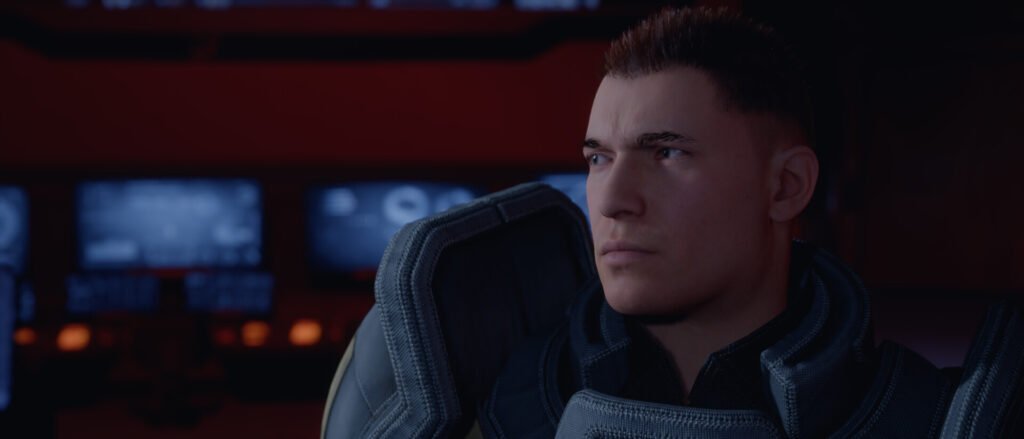
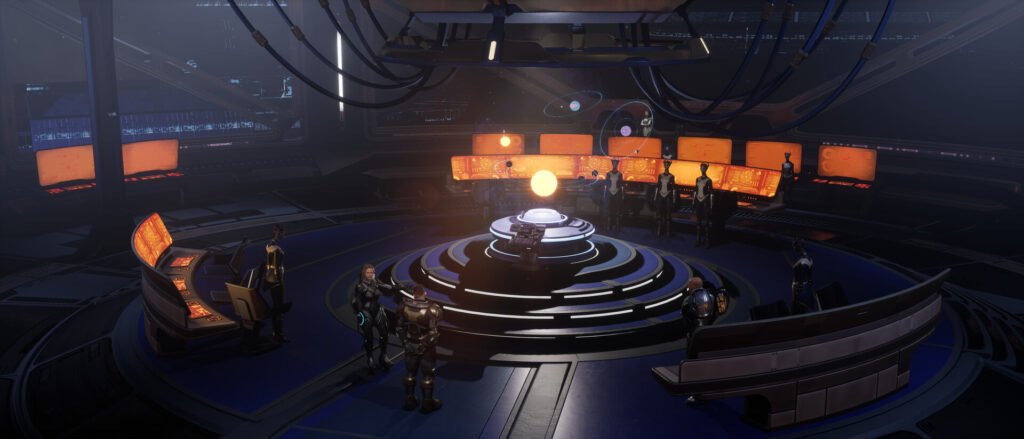
The storytelling stands out big time in ZeroSpace. Hours of cinematic cutscenes and interactive dialogs draw clear inspiration from BioWare classics. You’ll build relationships with a crew of specialist heroes—over 14 available, with loyalty missions that dig into their backstories and motivations. Imagine weighing tough calls like prioritizing the mission versus saving your soldiers, or navigating alliances that could backfire spectacularly. This narrative layer makes commanding your army feel personal. The campaign in early access kicks off with Act 1: around 12-13 main story missions, plus side arcs and hero content that add serious replay value. Full 1.0 promises even more—15 main missions, 10 loyalty ones, and plenty of side stories.
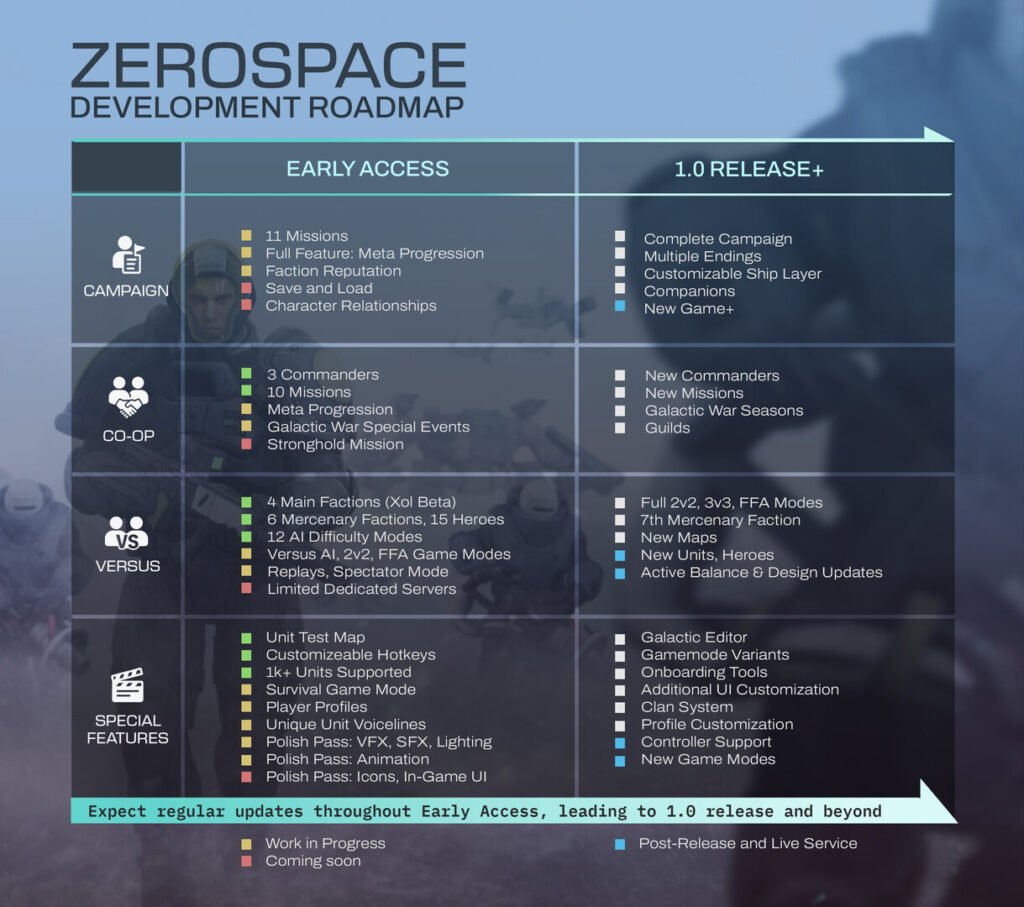
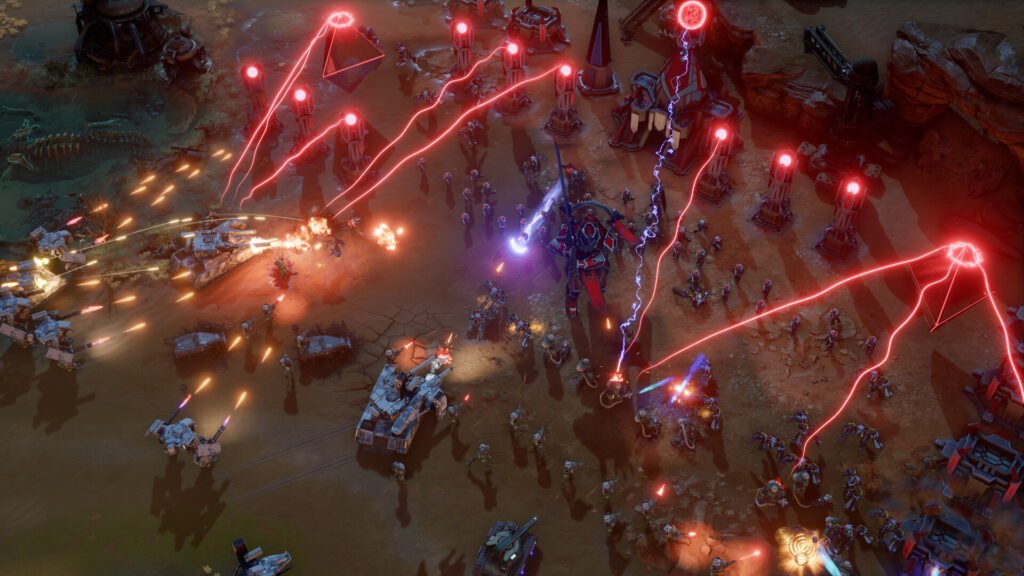
On the strategy side, ZeroSpace delivers satisfying RTS gameplay that respects the classics while modernizing the experience. Base-building, unit management, and large-scale battles feel fluid. Pathfinding and collisions have been tuned to reduce frustration, letting you focus on big-picture tactics and juicy micro plays. You command diverse armies by mixing four main factions at launch: the human-centric Protectorate, the aggressive Grell (think swarms of grumpy arachnids), the Legion, and the newly introduced synthetic Xol—robotic forces with drone-heavy, tech-focused playstyles. On top of that, six (or more) mercenary factions let you customize your force with specialized units, creating tons of counterplay options and unique army compositions.
Whether you’re splashing enemy swarms or orchestrating sieges, the combat pops. Visuals benefit hugely from Aaron Kambeitz (co-founder of Relic Entertainment and Homeworld artist) handling art direction. Mechs, ships, creatures, and environments have that epic, lived-in sci-fi polish that makes battles cinematic. Explosions, unit animations, and large-scale clashes look and feel premium for an indie title.
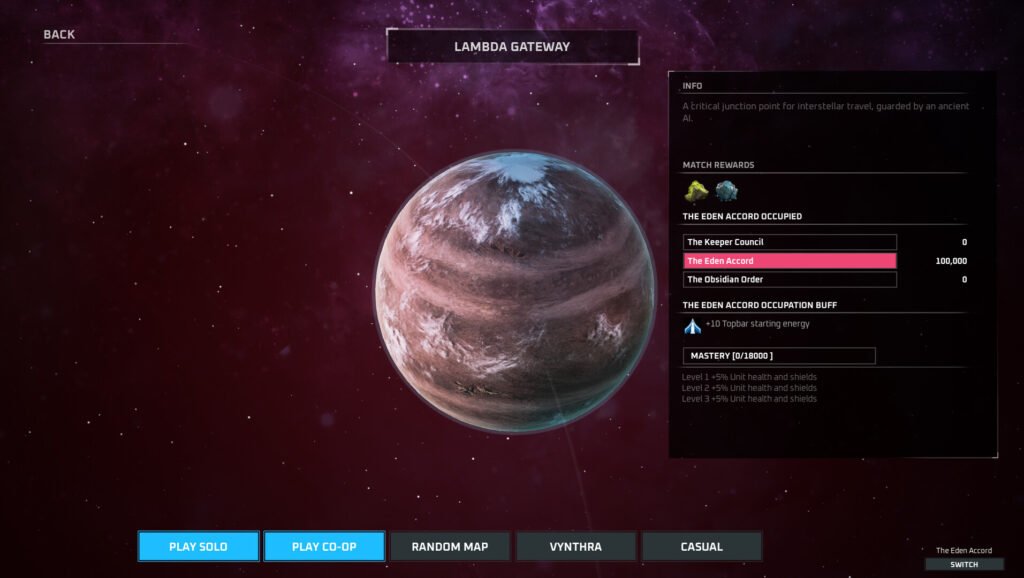
One of the coolest innovations is the persistent MMO Galaxy map. All game modes feed into a shared galactic conquest where players from different alliances battle for territory, planets, and influence. Galactic War is the standout co-op mode—team up for missions that contribute to seasonal progress. Early access includes 10 such missions in Season Zero. It’s like a living battlefield where your skirmishes, defenses, and conquests matter on a bigger scale. This bridges single-player story fans with multiplayer enthusiasts seamlessly.
Multiplayer options feel robust for launch. You’ve got ranked 1v1 and 2v2 ladders, skirmish modes against AI or friends (including free-for-all), co-op survival against endless Grell waves, and more. The Xol faction starts a bit raw but shows promise with its unique mechanics. Pros like Scarlett, CatZ, and others from the StarCraft scene helped with balancing and design, which shows in how readable and strategic fights remain even in chaos.
Starlance Studios, founded by Marv Gouw, started as a passion project and grew into a team of about 15 with part-timers. Partnering with Ironward (known for The Red Solstice series, born from Warcraft mods) brought veteran expertise. The buy-to-play model (no sleazy free-to-play monetization) is refreshing—everything substantial is included at early access, with future updates expanding the universe.
Gameplay modes let you play your way: solo campaign for story lovers, co-op Galactic War for friends, competitive ranked for try-hards, or casual skirmishes. Modern quality-of-life features smooth out traditional RTS friction without dumbing things down. You can micromanage elite units or roll with deathball strategies—both viable depending on your faction mix and hero picks.
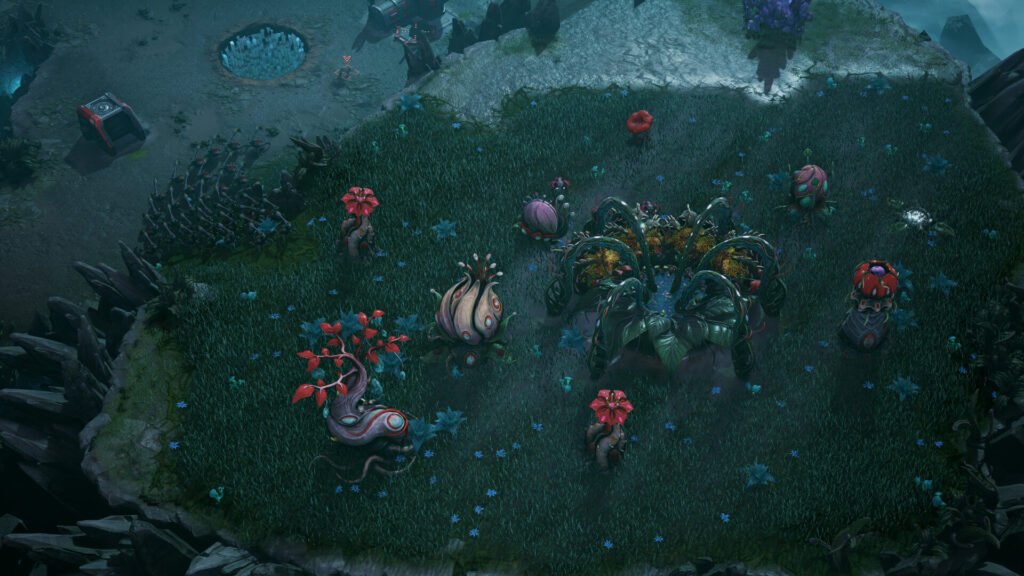
The Protectorate feels like a solid starting point with versatile human tech and alliances, while the Grell bring overwhelming swarm tactics. Legion and Xol add mechanical depth and robotic innovation. Mercenaries inject even more variety—maybe you’ll splash in plant-based warriors or organic robots for hybrid builds. Over 150 units and buildings at full scope mean endless experimentation.
Development has been a journey since around 2020, with Kickstarter success, alphas, demos during Steam Next Fest, and community feedback shaping it. The team emphasizes clear communication via roadmaps, promising steady content drops post-launch. Early player reactions highlight strong foundations but note the early access price point drew some sticker shock—typical for ambitious indies delivering this much at launch.
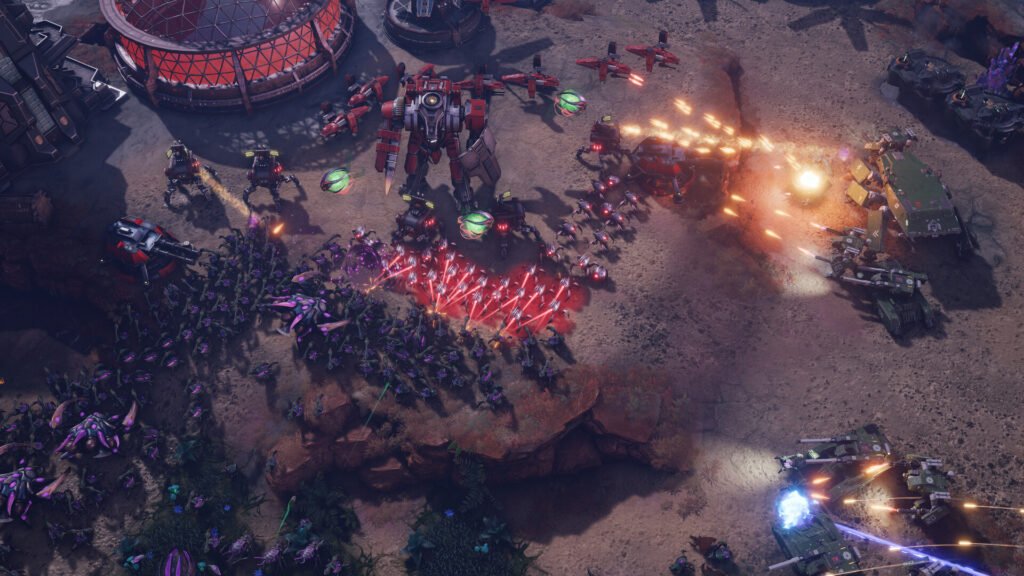
Visually and atmospherically, ZeroSpace nails the epic space opera feel. Cinematic presentation, thoughtful sound design (assuming it matches the rest), and a galaxy that feels alive elevate every mission. Upgrading your mothership, recruiting heroes, and watching story branches unfold creates investment that pure strategy games sometimes lack.
For RTS veterans tired of the same old formulas or newcomers intimidated by the genre, ZeroSpace offers an accessible yet deep entry. Tutorials, modern controls, and the narrative hook ease you in, while high-level play rewards mastery. The shared galaxy adds a social, persistent layer rare in traditional RTS titles.
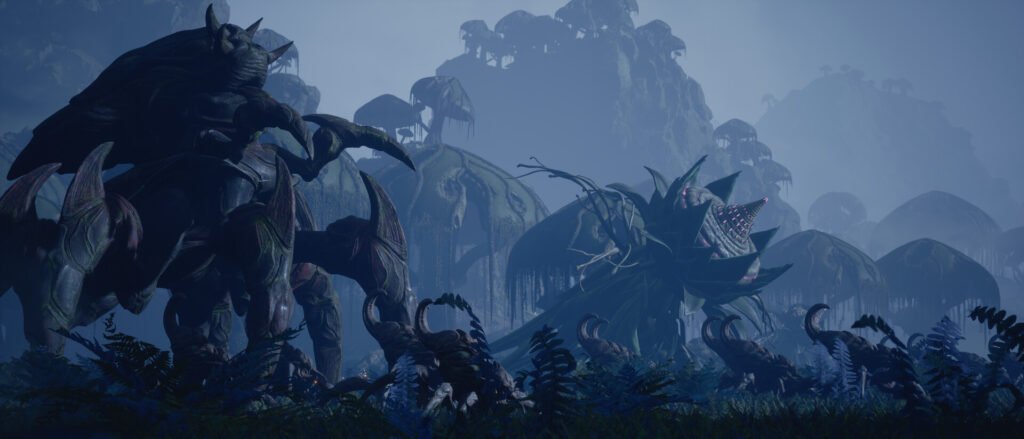
As early access progresses, expect more factions, units, campaign acts, balance patches, and features. The foundation is exciting—strong single-player with meaningful choices, addictive co-op conquest, competitive depth, and beautiful sci-fi aesthetics. Starlance Studios and Ironward have created something special that could help revive interest in the genre.
If you’re into commanding vast armies across the stars while making tough moral calls that ripple through the narrative, ZeroSpace is worth your attention. The Orion Sector is calling—grab your fleet, pick your allies, and dive in. The galaxy won’t conquer itself.