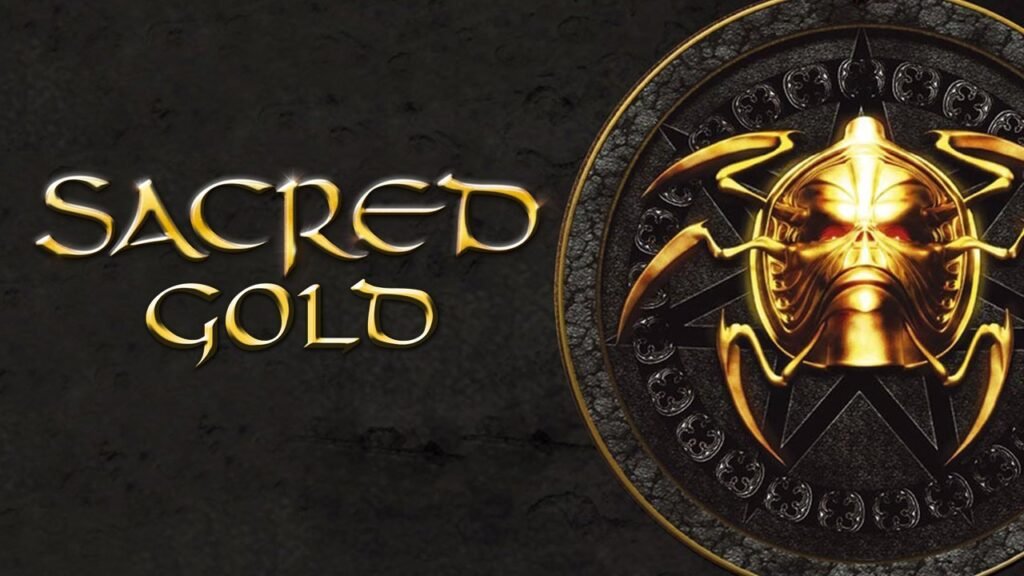

Release Date: 27 February 2004 Developer: Ascaron
Get It On: GOG
Fellow loot fiends and button-mashing enthusiasts, if you’ve ever dreamed of diving into a sprawling action RPG where the world feels endless, enemies swarm like angry bees, and you can actually fight while riding a horse, then Sacred by Ascaron is a game that deserves a big nostalgic shoutout. Released back in 2004, this German-developed gem burst onto the scene as a serious contender in the post-Diablo II era. It wasn’t trying to reinvent the wheel—it just made the wheel bigger, bloodier, and way more fun to charge across open fields on.
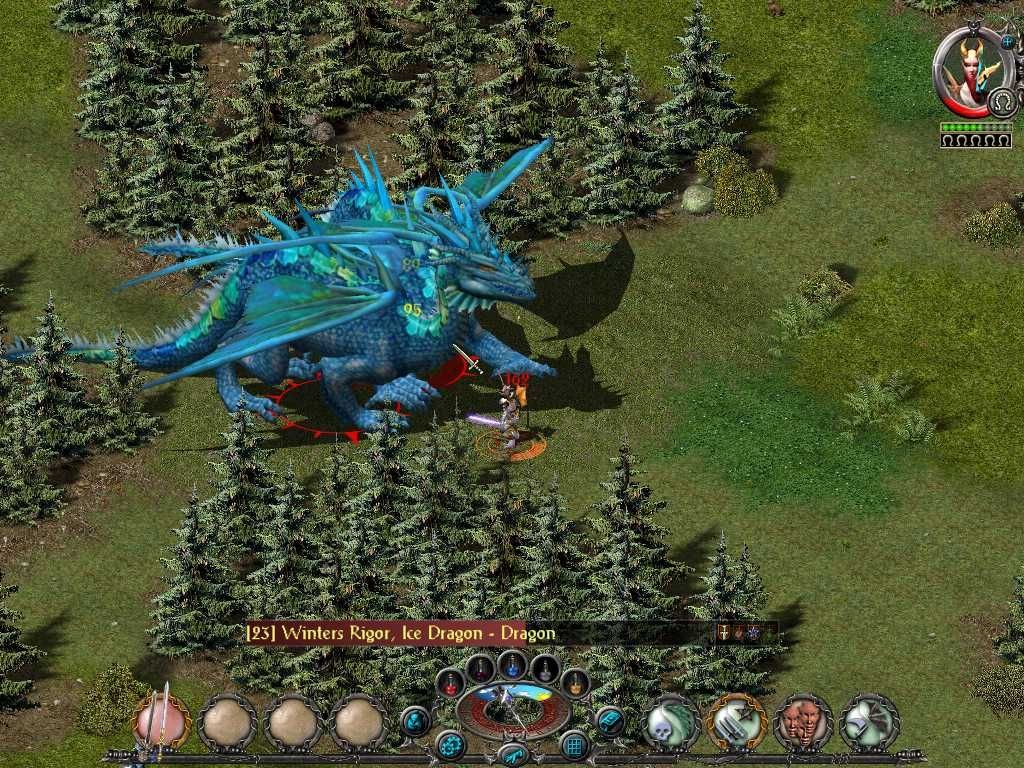
Set in the magical continent of Ancaria, Sacred drops you into a vibrant, living fantasy realm threatened by chaos. The story kicks off with a botched summoning by the necromancer Shaddar, who tries to harness the power of a powerful Sakkara Demon. Things go horribly wrong (as they always do in these tales), unleashing hordes of monsters and setting the stage for your hero to step up. You’ll journey across forests, deserts, snowy peaks, swamps, and more, collecting elemental artifacts to forge a legendary weapon and save the day. It’s classic high fantasy with a twist of dark humor and plenty of over-the-top action.
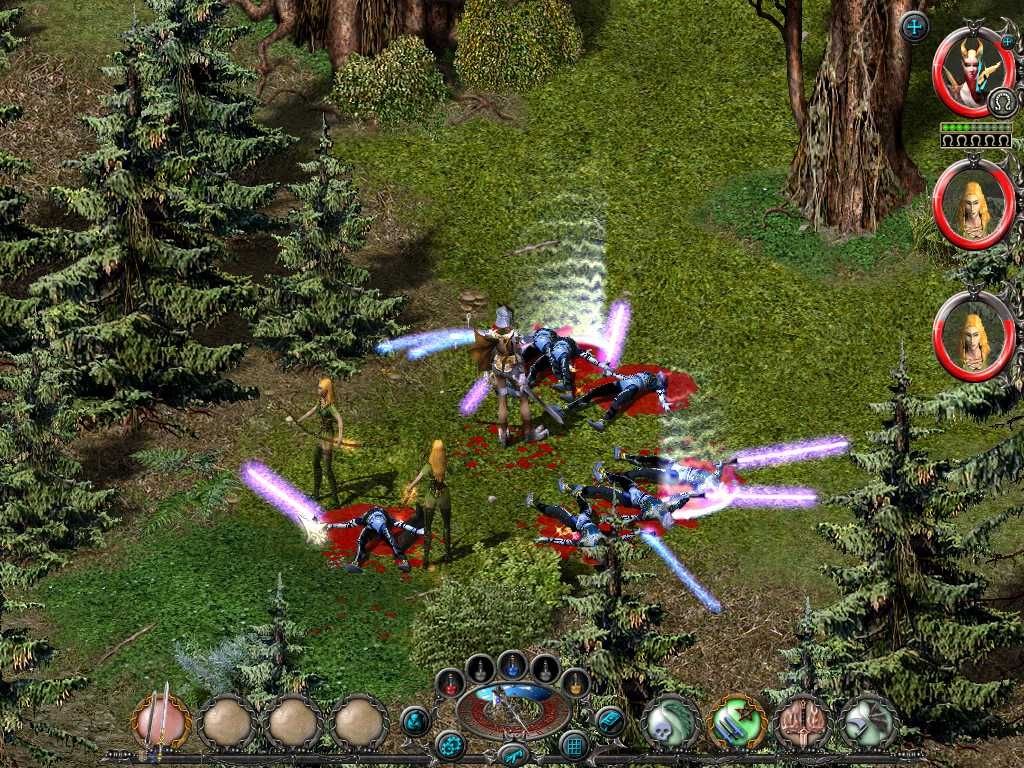
What made Sacred stand out right away was its sheer scale. The game world was one of the largest out-of-the-box experiences in the genre at the time—over 100 explorable areas across 16 regions, with more than 70% of the map open from the start. Dynamic day-night cycles, weather effects, and a ton of NPCs going about their business gave it a lively feel. You weren’t just running through corridors; you were exploring a breathing continent. And yes, those horses? Game-changer. Mount up for faster travel, trample foes, and even swing weapons or cast spells while riding. It added a whole new layer of chaotic joy to the hack-and-slash formula.
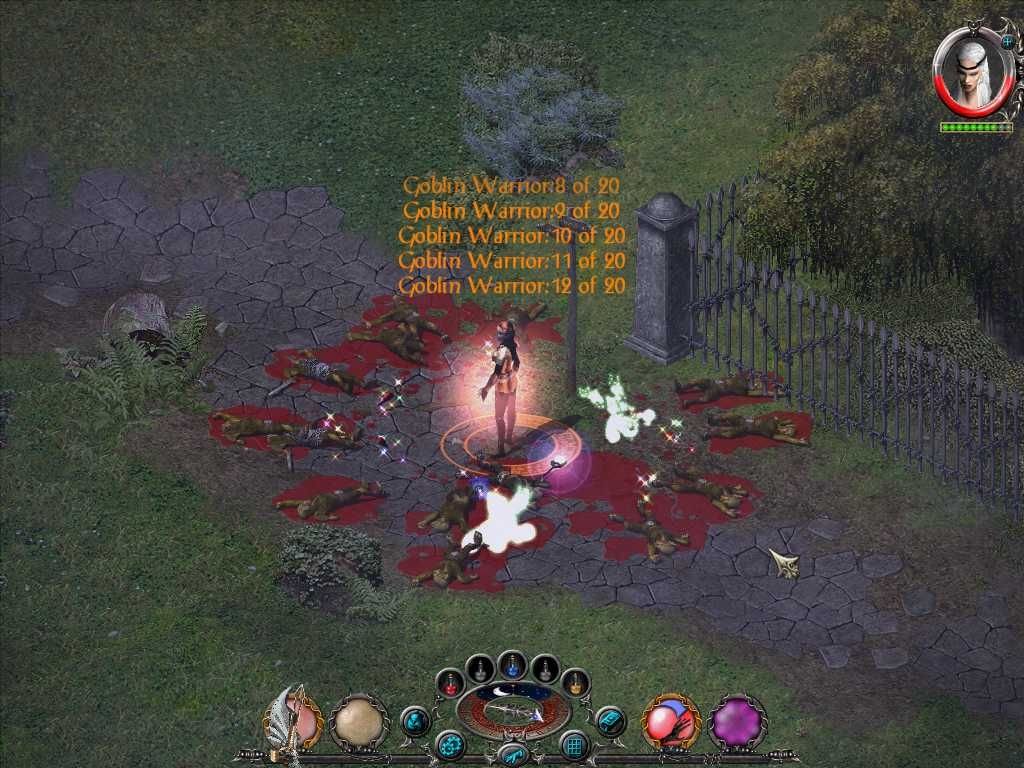
Choose Your Hero and Unleash Chaos
One of the coolest parts of Sacred is the character variety. At launch, you had six distinct classes, each with their own starting location, personal story threads, and unique playstyles. No two heroes felt the same, which made replayability sky-high.
The Gladiator is your classic tanky brute—great with heavy weapons and perfect for players who love wading into crowds and smashing everything. The Wood Elf brings ranged mastery with bows and nature magic, sniping from afar like a forest guardian. Her counterpart, the Dark Elf, is a sneaky, trap-setting, poison-wielding badass who excels in agile, multi-weapon combat.
Then there’s the Battle Mage, a hybrid who blends swordplay with devastating elemental spells—think fireball-slinging warrior. The Seraphim is the holy warrior descendant of angels, dishing out light-based blessings and smiting evil with grace and power. And the Vampiress? She’s a standout: human by day (or when she wants), transforming into a fearsome vampire form at night or on command, complete with bat companions and soul-stealing abilities. She ties beautifully into the day-night cycle.
Skills aren’t handed out with points—you hunt for runes scattered across the world. Each class has 11 to 22 skills to unlock, and you can combine them into custom combat combos for one-click devastation. Leveling has no hard cap (you could theoretically push past 100), and stats like strength, dexterity, and regeneration let you fine-tune your build. Loot drops everywhere—hundreds of unique weapons, armors, and sets—feeding that addictive “just one more enemy” loop.
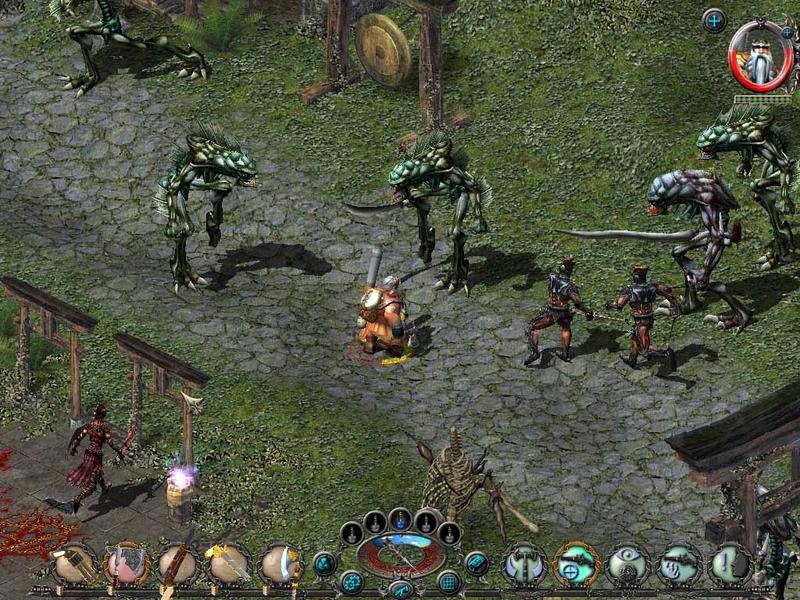
Combat is fast-paced isometric hack-and-slash at its finest. Enemies come in waves, bosses hit hard, and the variety keeps things fresh across the four main acts. There are over 200 side quests (some random), tons of hidden secrets, and a solid multiplayer mode supporting up to 16 players for co-op or PvP shenanigans. Hardcore mode adds permadeath tension for the brave (or masochistic).
The Underworld Expansion: Diving Deeper into Ancaria’s Darkness
If the base game wasn’t enough (and for many fans, it was plenty), Sacred Underworld dropped in 2005 as the big expansion, adding a whole new layer—literally underground. Set shortly after the original events, it picks up with Ancaria still reeling. Prince Valor is gone, and new threats bubble up from the subterranean realms. You venture into vast caverns, ancient dwarf ruins, pirate isles, and shadowy depths filled with fresh horrors.
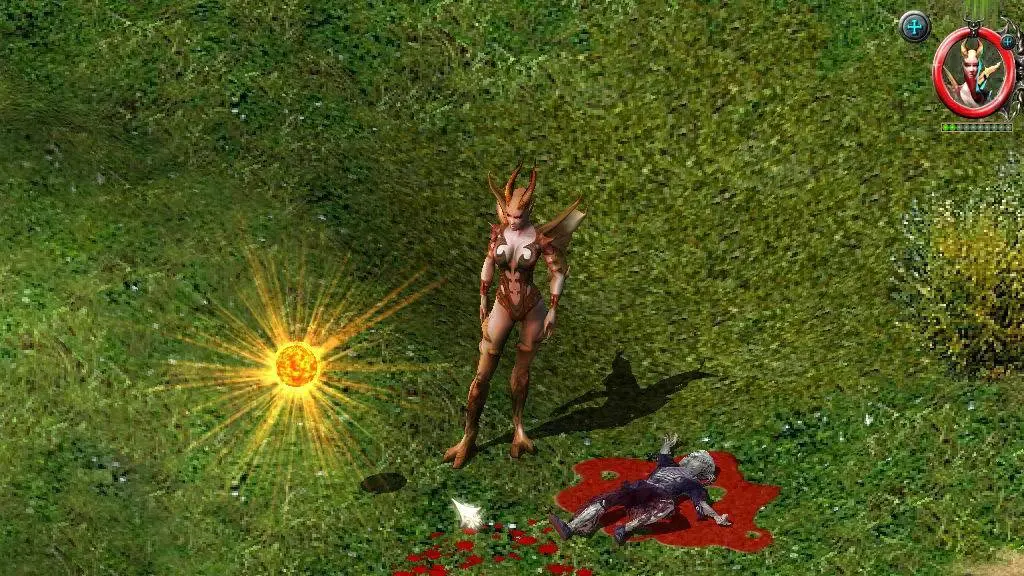
Underworld ramps up the content significantly—think 30-40% more world, new enemies, quests, items, and improved interfaces with bug fixes. It introduces two awesome new classes: the Dwarf and the Daemon (or Daemoness).
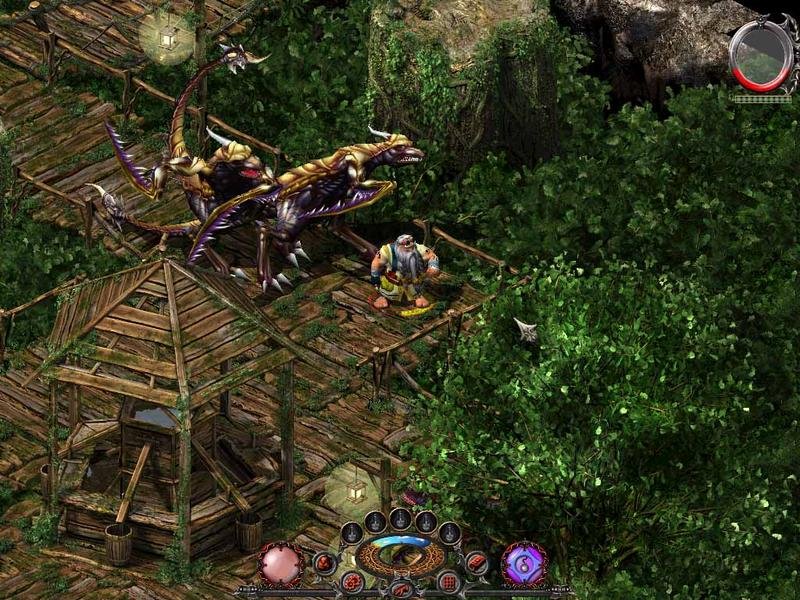
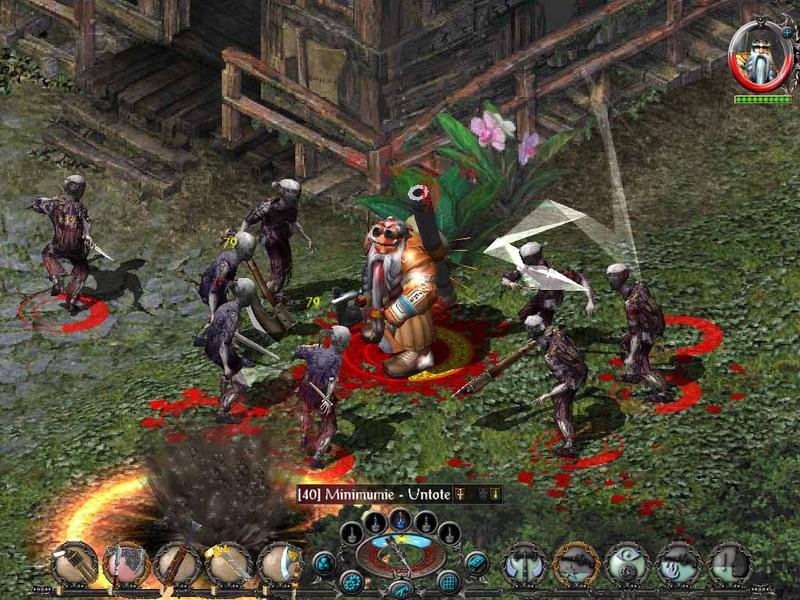
The Dwarf is a riot—a stout, tech-savvy warrior who ditches pure fantasy for gadgets. Picture him blasting foes with a musket or flamethrower, lobbing cannonballs, and planting explosive mines that shine in multiplayer ambushes. He brings a fun, industrial edge to the medieval setting.
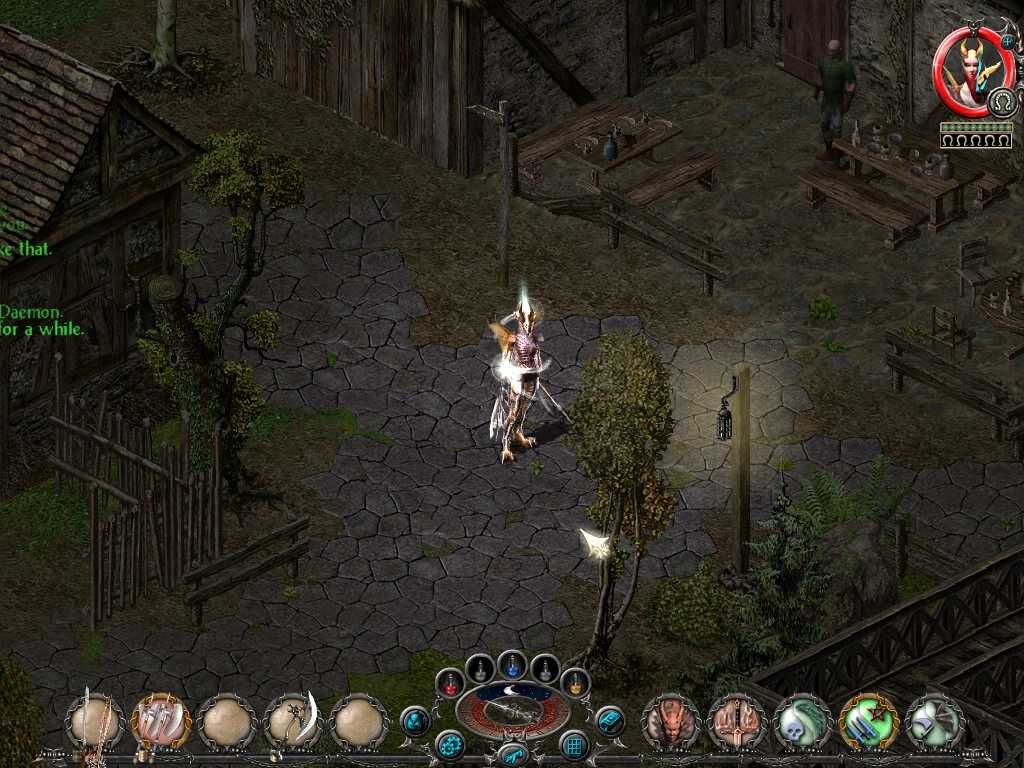
The Daemon is even wilder: a shape-shifting demon with three forms—Battle for brutal melee, Soaring for flight and hit-and-run tactics, and Fire for crowd-controlling infernos. Switching forms with a click lets you adapt on the fly, making her incredibly dynamic in both story and combat.
The expansion’s new campaign sends you rescuing the Baroness Vilya while battling shadow guards, jungle amazons, undead pygmy mummies, and more. New areas feel lush and atmospheric, with moody lighting and detailed environments that expand on the base game’s strengths. Saddlebags for extra inventory space and other quality-of-life tweaks made it a must-have for fans.
Together, the base game and Underworld (often bundled as Sacred Gold) create one of the most content-rich ARPG experiences of its time. It’s pure escapist fun—perfect for sinking dozens of hours into different characters and builds.
Why Sacred Still Matters (and How It Holds Up)
Ascaron was known for strategy games like Patrician before this, so jumping into action RPGs was a bold move. Development actually started under another studio as an adaptation of The Dark Eye tabletop RPG, but after some turbulence, Ascaron turned it into the original Sacred we love. It sold incredibly well—over 2 million copies worldwide by 2009—becoming a hit especially in Europe and earning awards like PC Gamer’s Best RPG of 2004.
Critics called it a “diamond in the rough” with massive scope, creative spins like horseback combat and rune skills, and strong replayability, though some noted bugs, repetitive fights, or a story that played second fiddle to the action. For fans of loot grinding and exploration, those were minor quibbles.
In today’s world of live-service ARPGs and endless seasons, Sacred feels refreshingly self-contained yet endlessly replayable. Modern players might tinker with resolution mods or community patches for better visuals, but the core loop—exploring, looting, combo-ing enemies into oblivion—still slaps. It paved the way for the series with sequels like Sacred 2: Fallen Angel, though the original retains a special charm for many.
If you’re craving old-school Diablo-style mayhem with a unique European flavor, bigger world, and that glorious horse-riding freedom, fire up Sacred. It’s proof that sometimes the best games are the ones that just let you go wild in a huge, monster-filled sandbox. Grab your runes, saddle up, and dive into Ancaria—you won’t regret it.